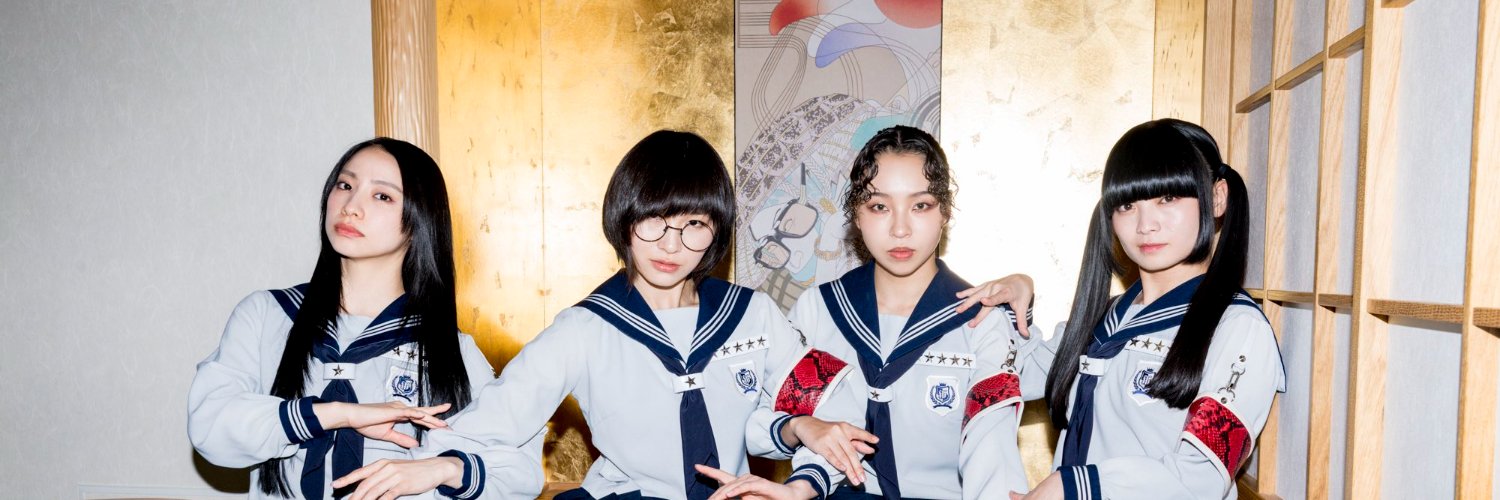
Only one of these groups currently on this SK Spotify top 10 debuted with all adults.
1) NewJeans debuted with 14 year olds
2) A2O Lite debuted with 13 year olds
3) i-dle debuted with everyone 18 years old and up
4) BTS debuted with a 15 year old
5) NewJeans again
6) Cortis debuted with a 16 year old
7) Bigbang debuted with an original member that 15 at the time
8) tripleS debuted with a 13 year old
9) BTS again
10) NewJeans again
It's disturbing how normalized this is.
It's literal children entering an industry notorious for intense management, image control, parasocial marketing, invasive public scrutiny, and sexualization performers.
These are formative years when children should be developing independence, establishing boundaries, pursuing education, and figuring out who they are without their identities being commercially packaged for public consumption.
South Korea has legal protections for minor entertainers, but the continued normalization of debuting children this young raises serious questions about whether those protections are sufficient.
At what point does the industry acknowledge that just because a child is talented enough to debut doesn't mean they're developmentally ready for everything that comes with it?
Children who spend their adolescence under intensive professional management risk missing opportunities to develop the education, social independence, practical life skills, and decision-making experience they'll need outside the industry.
When managers and agencies oversee so many aspects of their daily lives, how much opportunity do these children actually have to learn to function independently? And how might that dependence affect their ability to make decisions about their own futures?
These aren't guaranteed outcomes for every young idol, but they're serious developmental risks that deserve more scrutiny than they're receiving.
Why is debuting increasingly young performers treated as an achievement rather than something that deserves serious scrutiny? Especially in an industry that heavily pushes unhealthy parasocial relationships.
Why are we so comfortable asking children to shoulder professional expectations that many adults struggle to navigate; not to mention, so willing to just accept it?
Idol group songs with the highest streaming peak in Spotify South Korea history:
#1 Ditto 179,043
#2 NEON 167,274 *new*
#3 Crow 157,014
#4 SWIM 143,891
#5 How Sweet 134,477
#6 REDRED 130,339
#7 Still Life 129,437
#8 Baby Flower 128,434
#9 Body to Body 124,589
#10 OMG 124,189
An obscure investment group claiming to be based in Japan sparked controversy in the K-pop industry Monday by announcing plans to acquire a controlling stake in JYP Entertainment.
https://t.co/6Ek1MSZfgz
This is economics by wish list.
Mass deportation could reduce demand for some things like housing and public services, but you're ignoring the other half of the equation: undocumented immigrants are also workers, taxpayers, consumers and business owners.
Remove millions of workers and you don't just get “higher wages.” You also get labor shortages, reduced output, lost tax revenue and higher prices in labor-dependent industries.
And the crime claim is especially shaky: the best status-specific data we have, from Texas, show undocumented immigrants have lower homicide conviction rates than native-born Americans.
“Literally everything gets better” isn't an economic conclusion. It's nothing more than culture war wishlist using bullet points that will never pan out.
@SeeRacists The problem here is, unfortunately, if the other person did not pull a weapon or lay hands on Dez first, then Dez is guilty of, at least, assault for slapping the other person's hand.
@terramatera I mean, if you're going to call someone a bitch, there are only so many ways to structure the sentence.
Or you just say “bitch” as a full sentence.
You’re still just repeating the association, not proving the causation.
“Rap uses the word” + “Black culture became globally popular” does not establish that Black Americans uniquely normalized the word worldwide.
And whether I’m personally called a bitch has nothing to do with whether your claim is historically or culturally accurate.
And for the record, rap has been globally popular for at least 30 years.
If you’re saying Black American culture uniquely caused the word to become normalized worldwide, then show evidence for that causal claim.
The word was already used against women for centuries, appeared throughout mainstream Western popular culture, and scholars have specifically noted that rap was singled out for criticism even while similar language elsewhere in popular culture received far less scrutiny.
You’re taking a broad cultural change and assigning responsibility for it to Black people. That requires more than “I associate it with rap.”