Before I go though, i'd like to give a shoutout to @CephalopodToday for posting daily cephalopods, so if someone is still somehow following this account and NOT them, change that!
Ok so obvious things first, I dont use this account anymore lol
I considered deleting it as I'm planning on leaving the site as a whole, but I've decided to leave it up so peeps can keep looking at the squid image :3
Back to our usual programming:
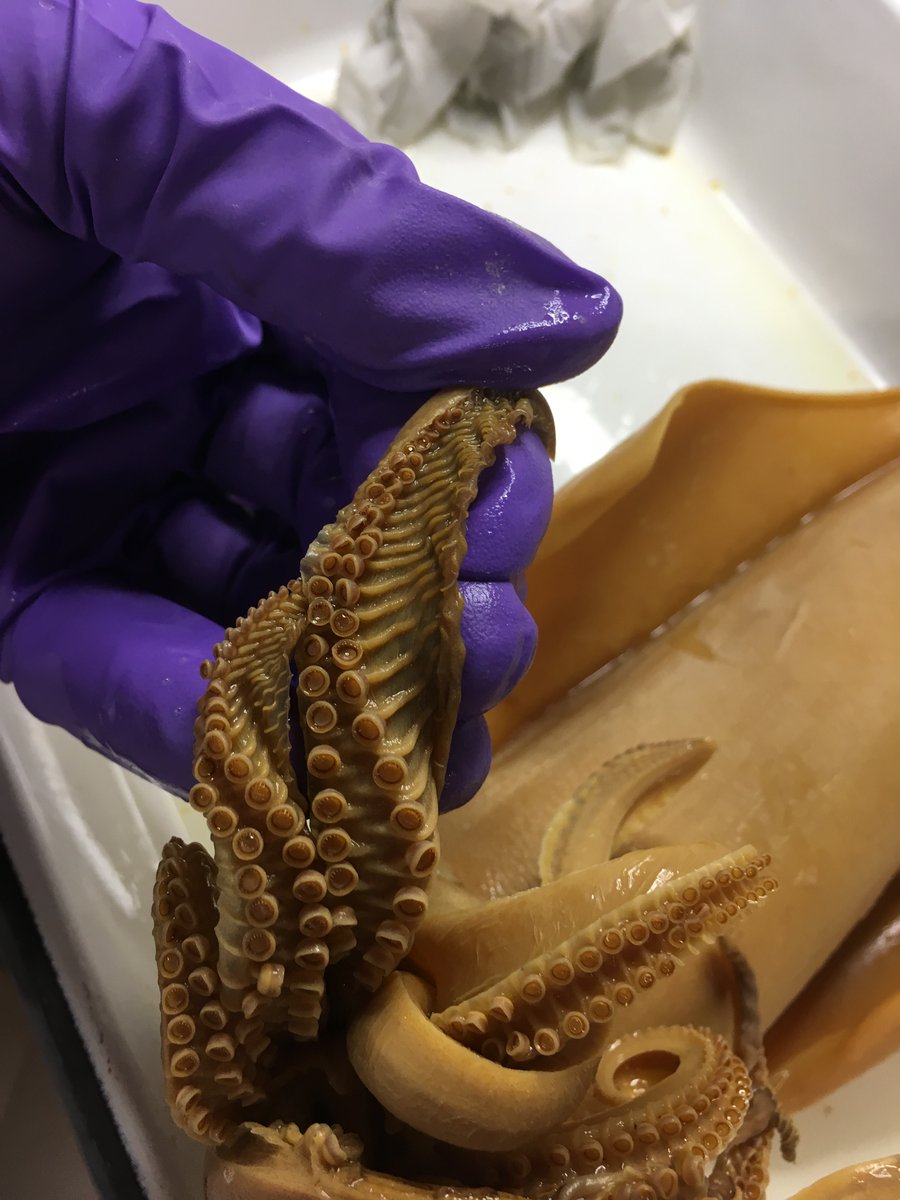
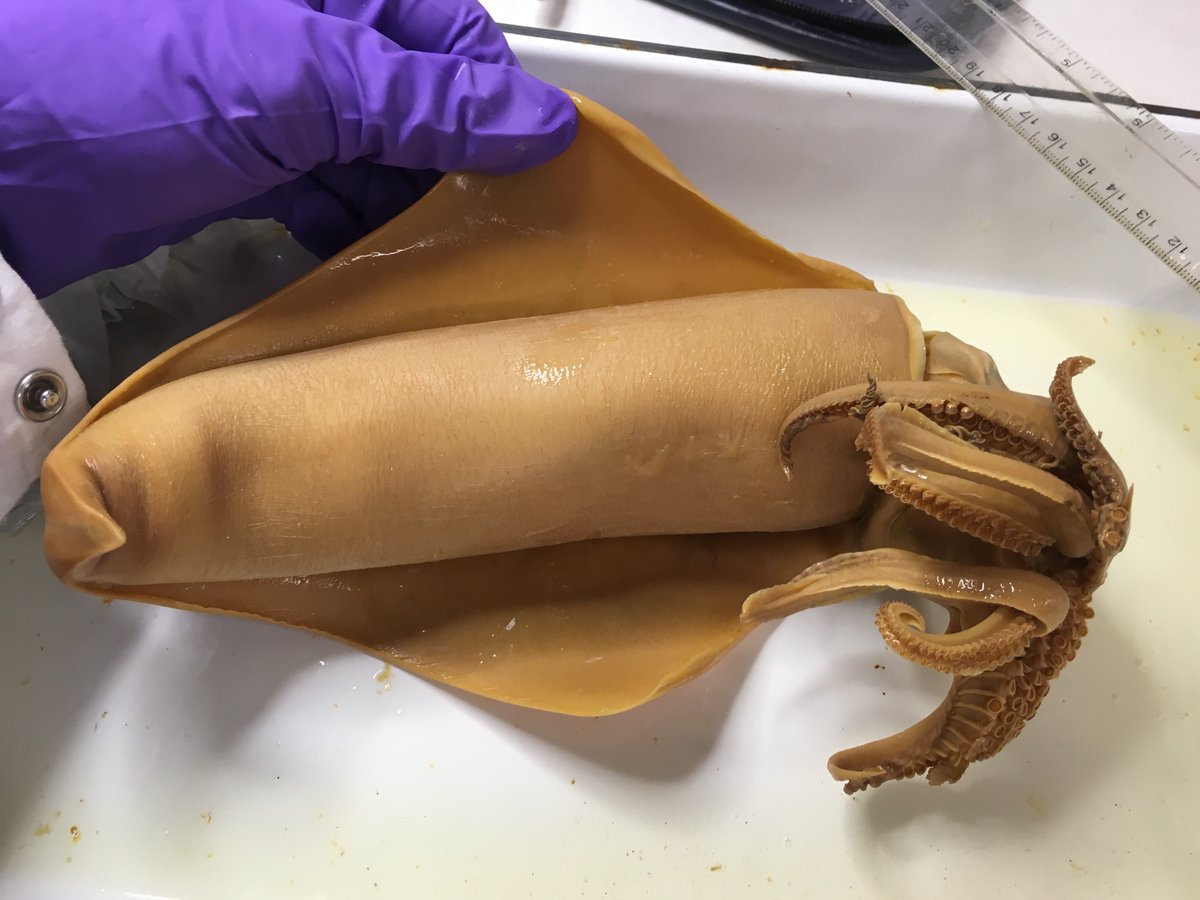
Subadult Thysanoteuthis sp., PIC 1312 from @Scripps_Ocean, ML 242 mm, Indonesia.
Long triangular fins attached to sides of mantle, arms with extensive trabecular protective membranes, terminal pad suckers.
#MolluscMonday#MolluskMonday#squid
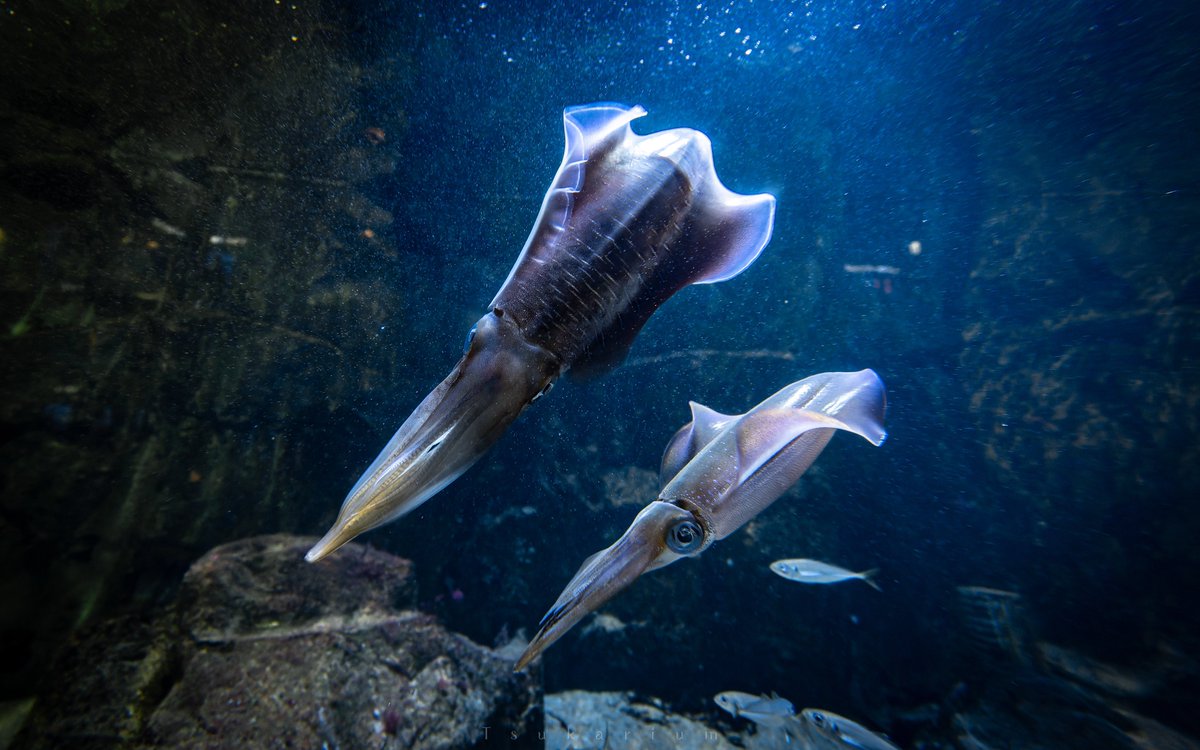
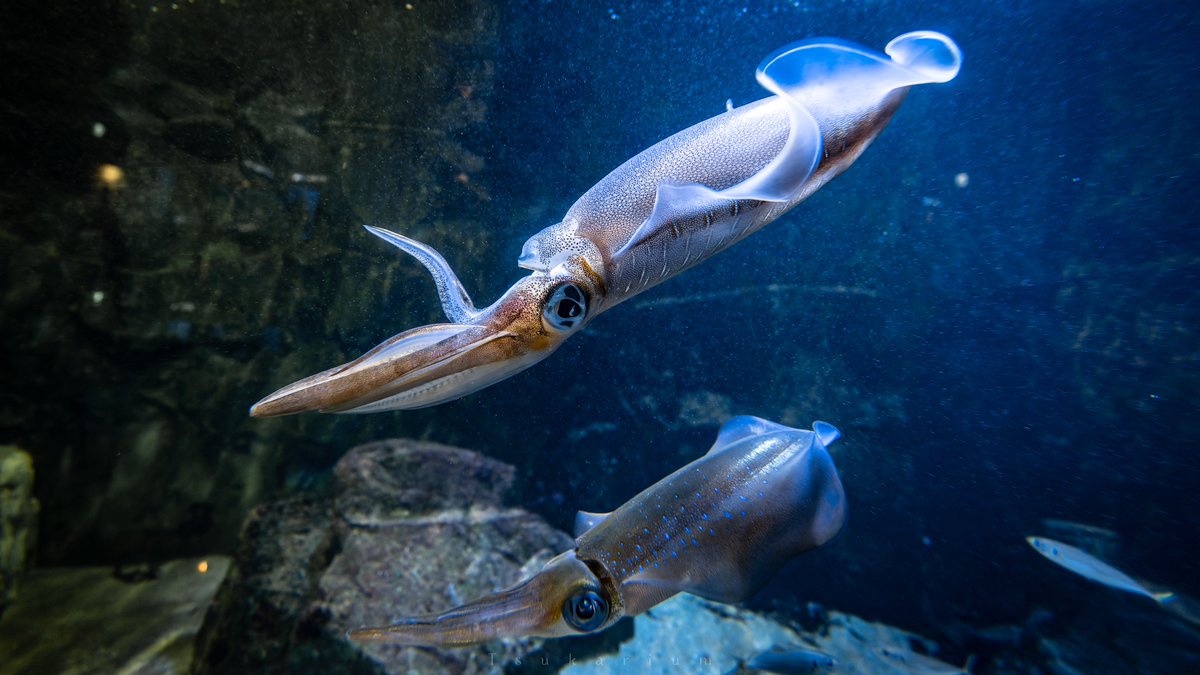
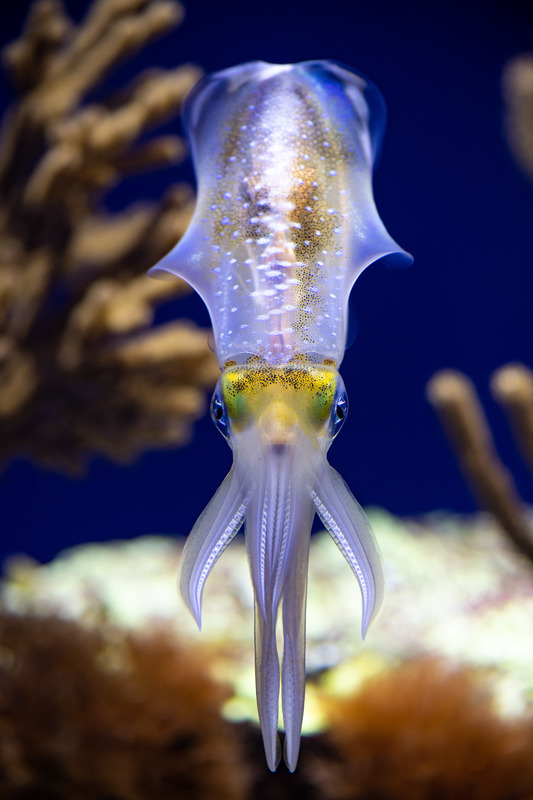
We aren’t squidding when we say that cephalopods are clearly radula! 🦑A bigfin reef squid’s mantle, arms, and tentacles are so transparent that you can actually see parts of its anatomy.
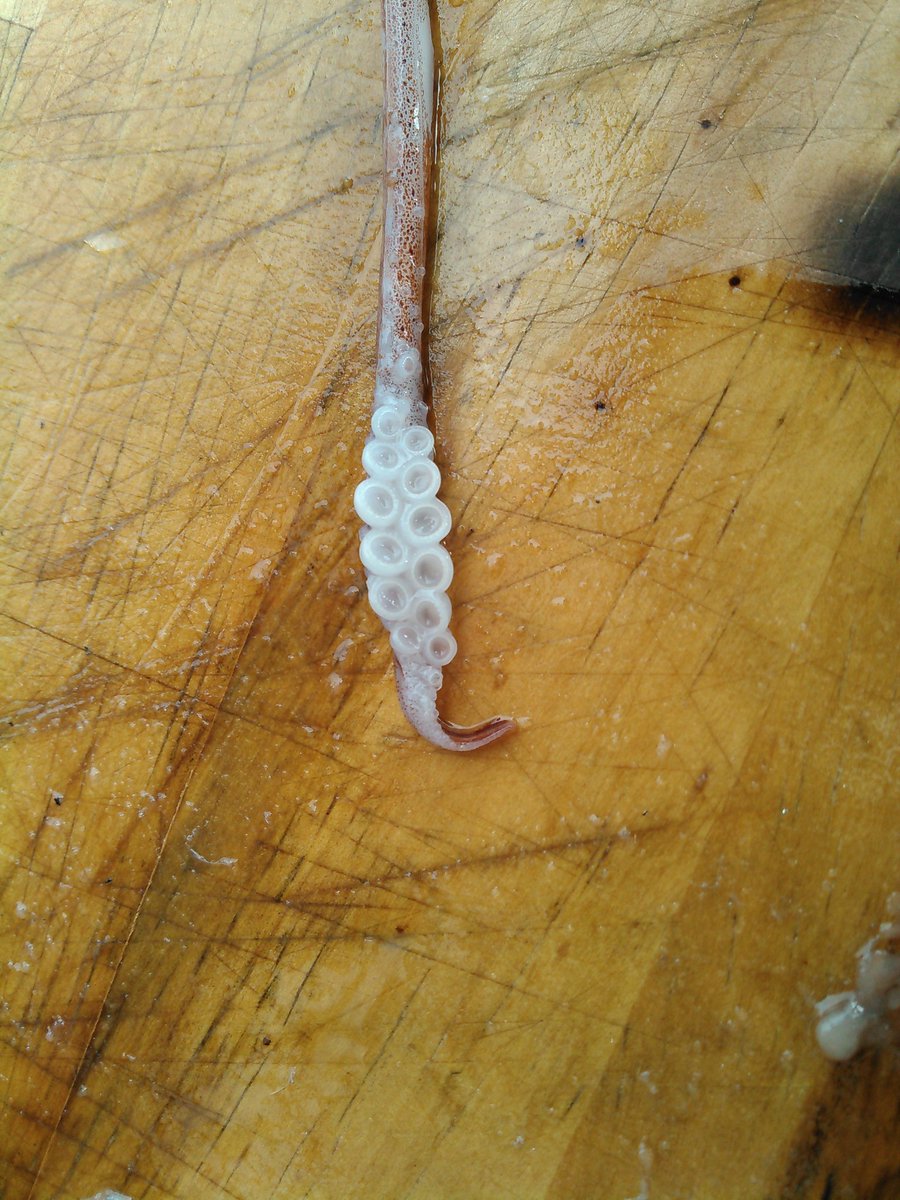
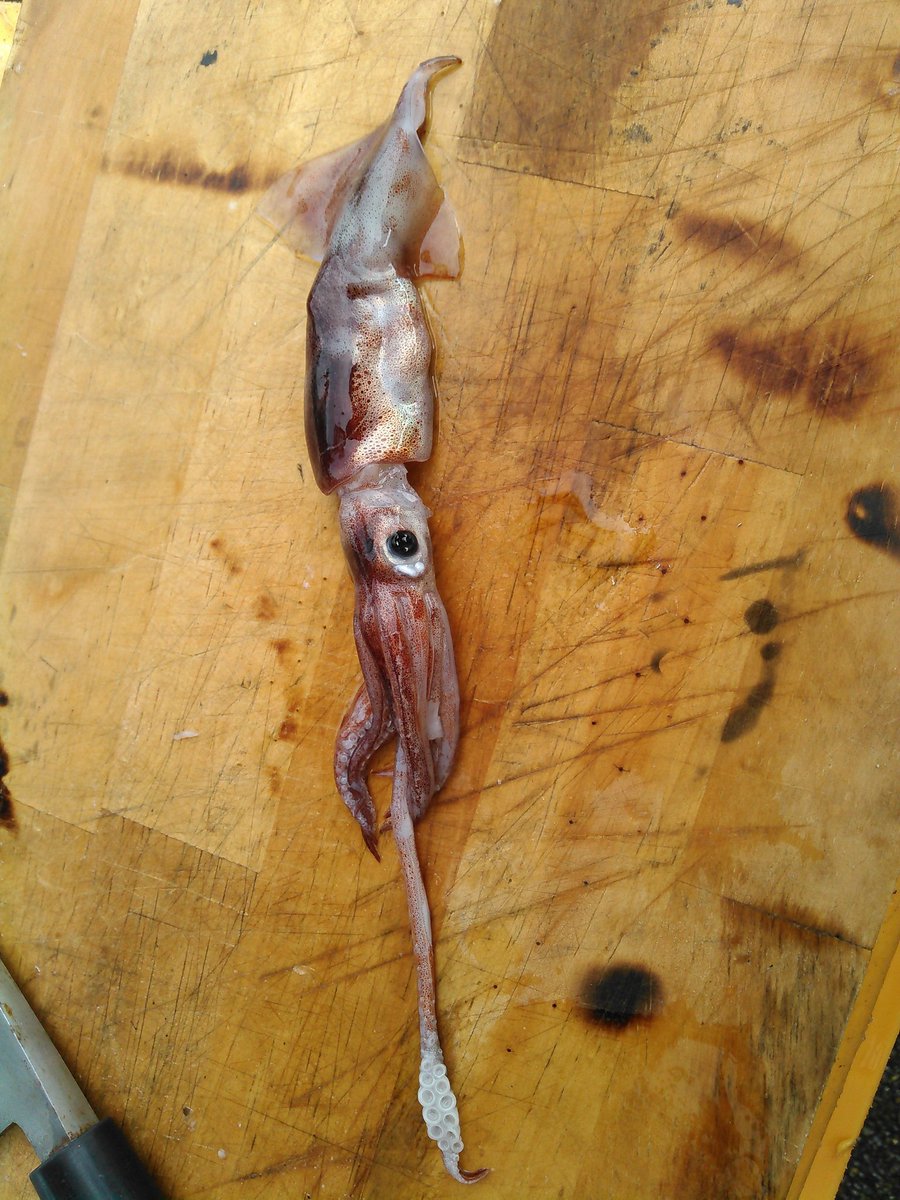
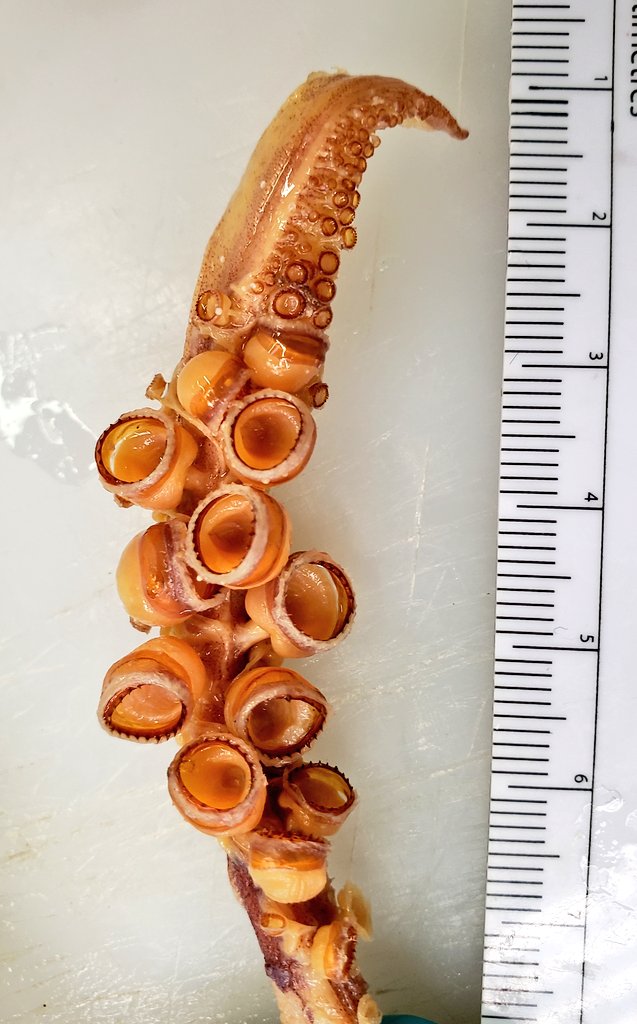
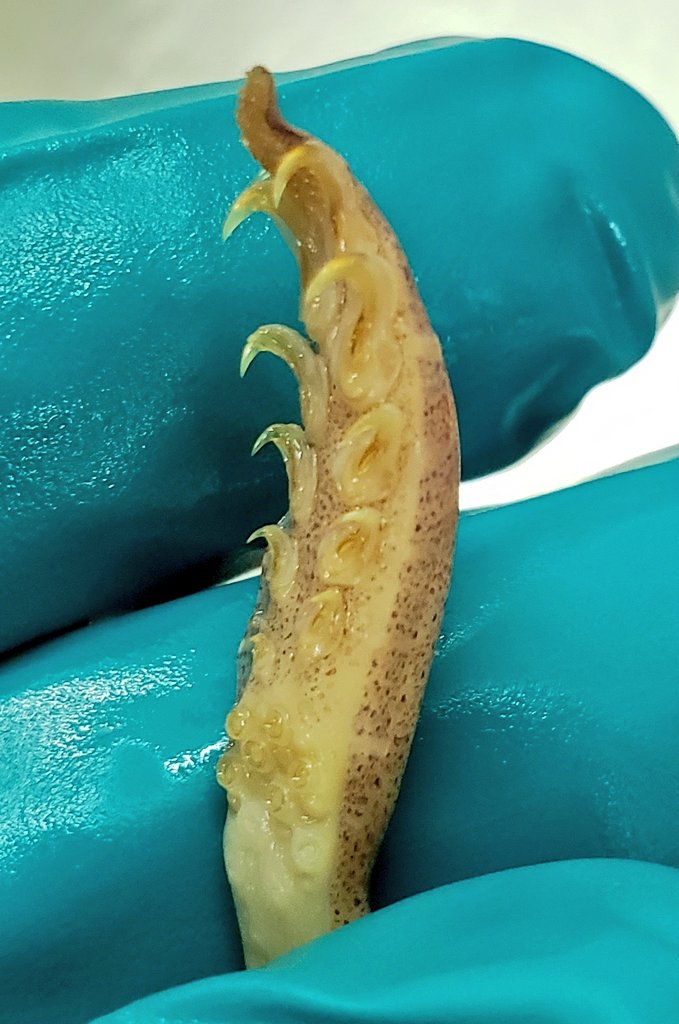
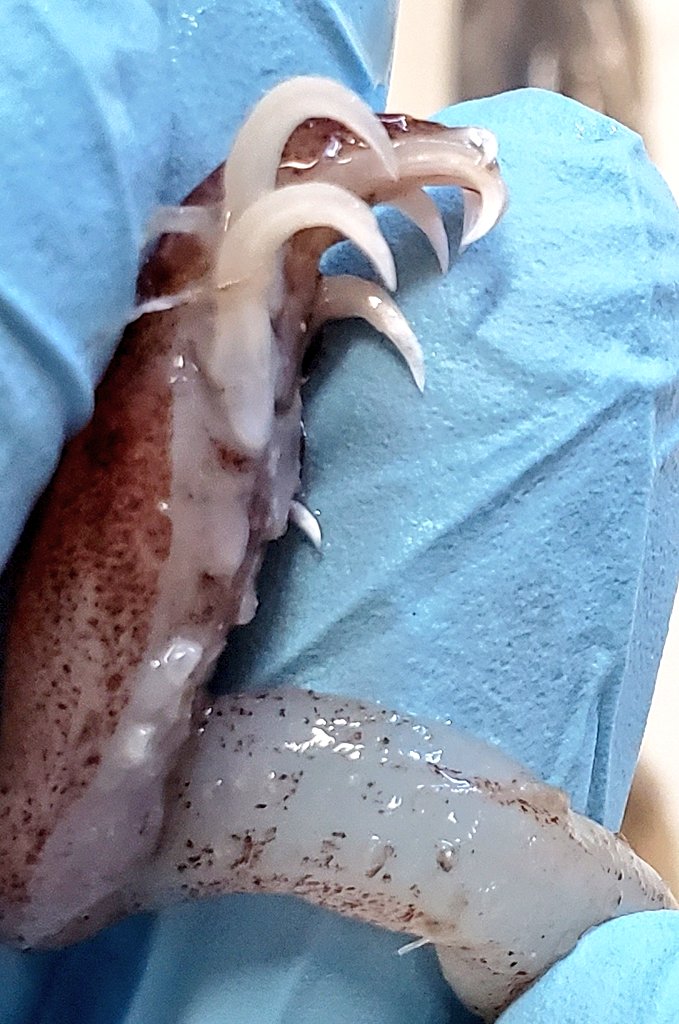
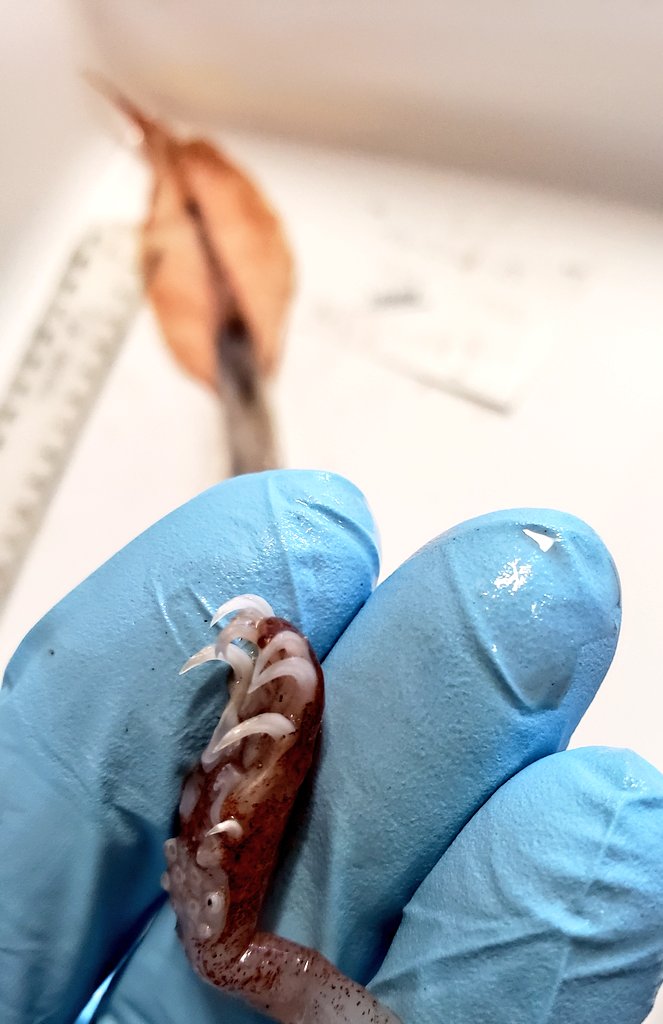
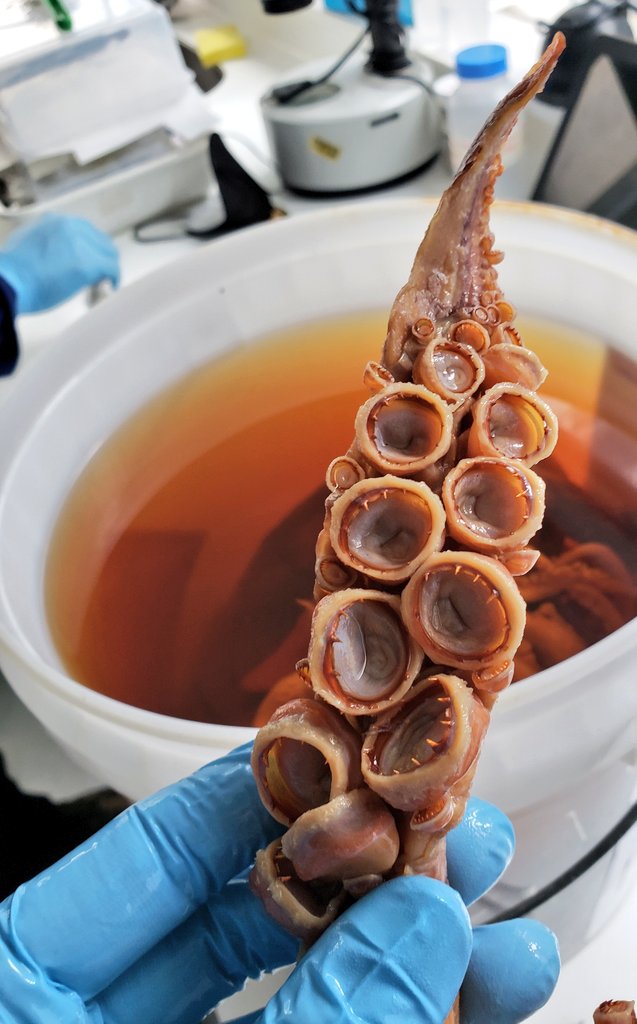
Packing up some loan specimens and paused to admire the hefty suckers on this Todarodes. I prefer my tentacle clubs with hooks but if you're stuck with plain old suckers, these are a respectable effort.
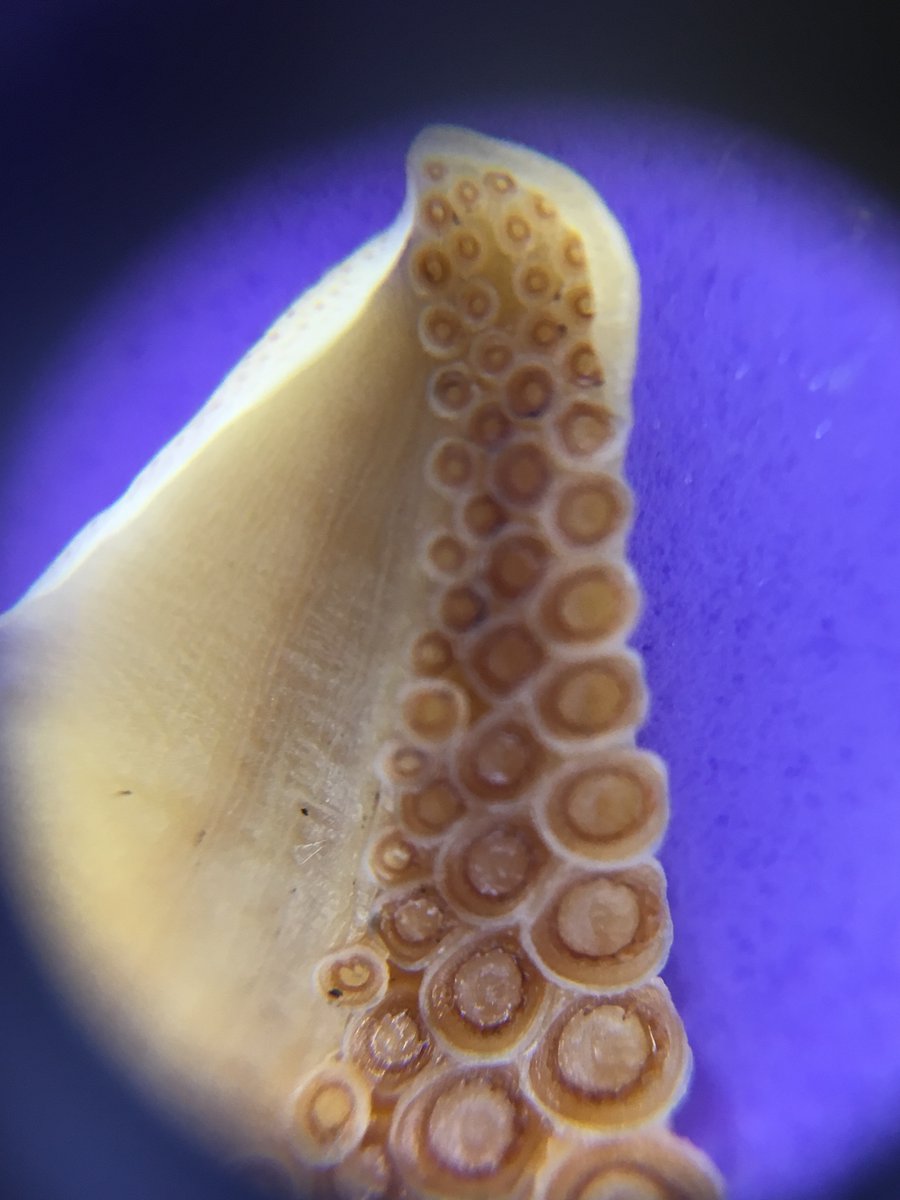
Squids' arms are different than their tentacles: arms have suckers along most of their length, while tentacles have suckers only near their ends (often called "tentacular clubs"). Most squid capture prey by extending two tentacles swiftly in front of them...
1/2
On this #OctopusFriday, take a moment to enjoy these octopods encountered during the #Okeanos 2019 Southeastern U.S. Deep-sea Exploration to explore deepwater areas off the coasts of South Carolina, Georgia, & Florida.
[More octopus images: https://t.co/sSzxd3P0e3]
Chiroteuthis calyx is known as the swordtail squid because juveniles of the species have ornate tails as long as their bodies. As adults, the squids develop long feeding tentacles tipped with glowing lures. This individual was filmed on the move at 497 meters (1,630 feet) deep.




![oceanexplorer's tweet photo. On this #OctopusFriday, take a moment to enjoy these octopods encountered during the #Okeanos 2019 Southeastern U.S. Deep-sea Exploration to explore deepwater areas off the coasts of South Carolina, Georgia, & Florida.
[More octopus images: https://t.co/sSzxd3P0e3] https://t.co/kptk2RJqRp](https://pbs.twimg.com/media/FRhzxo4VUAAkMpq.jpg)
![oceanexplorer's tweet photo. On this #OctopusFriday, take a moment to enjoy these octopods encountered during the #Okeanos 2019 Southeastern U.S. Deep-sea Exploration to explore deepwater areas off the coasts of South Carolina, Georgia, & Florida.
[More octopus images: https://t.co/sSzxd3P0e3] https://t.co/kptk2RJqRp](https://pbs.twimg.com/media/FRhzuVnVcAAxth7.jpg)
![oceanexplorer's tweet photo. On this #OctopusFriday, take a moment to enjoy these octopods encountered during the #Okeanos 2019 Southeastern U.S. Deep-sea Exploration to explore deepwater areas off the coasts of South Carolina, Georgia, & Florida.
[More octopus images: https://t.co/sSzxd3P0e3] https://t.co/kptk2RJqRp](https://pbs.twimg.com/media/FRhzsYCVcAE2j5K.jpg)











![oceanexplorer's tweet photo. On this #OctopusFriday, take a moment to enjoy these octopods encountered during the #Okeanos 2019 Southeastern U.S. Deep-sea Exploration to explore deepwater areas off the coasts of South Carolina, Georgia, & Florida.
[More octopus images: https://t.co/sSzxd3P0e3] https://t.co/kptk2RJqRp](https://pbs.twimg.com/media/FRhzzOVVcAA-kO2.jpg)