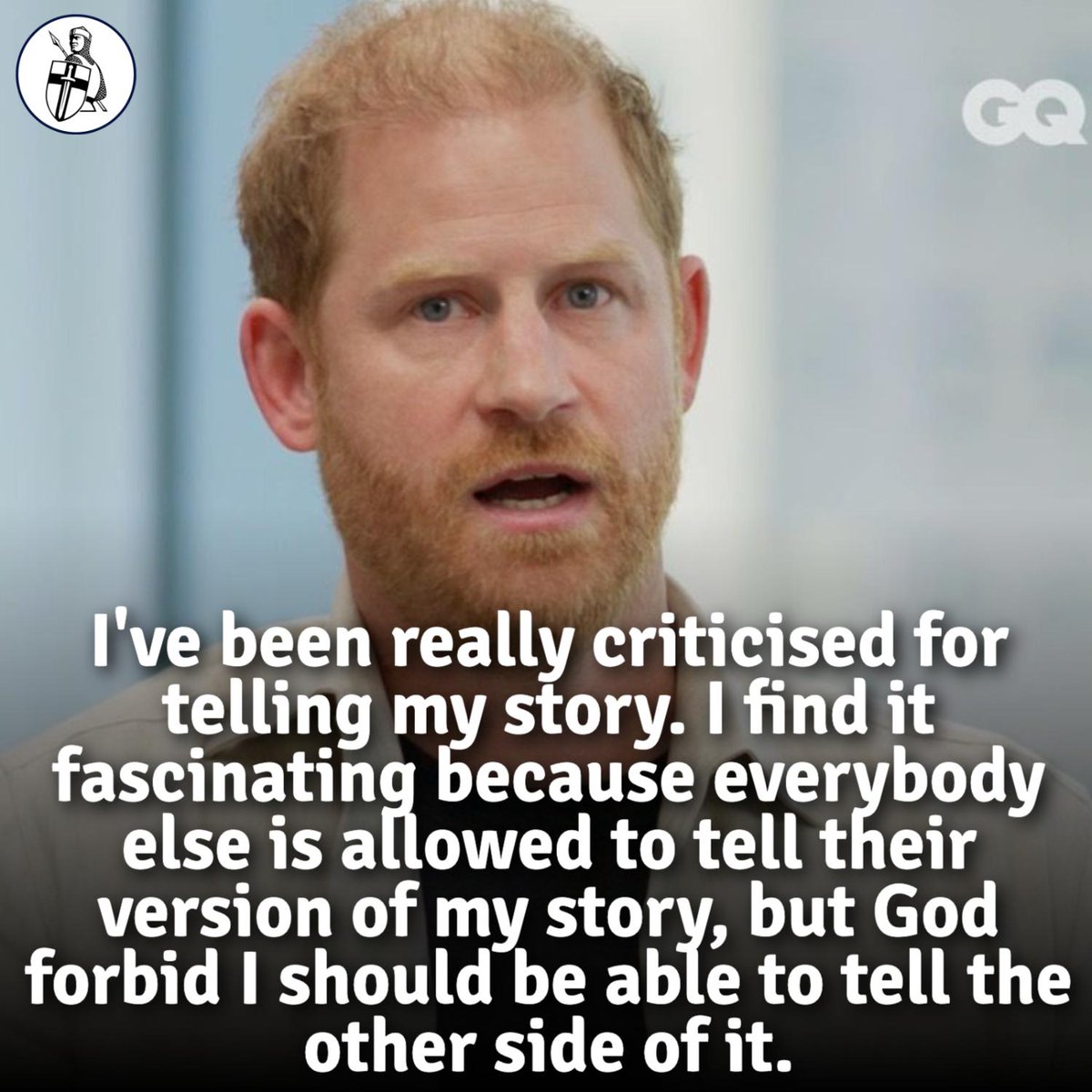
Prince Harry appeared to refer to himself as a 'prince' twice during a new bombshell interview with GQ.
The 42-year-old has appeared in the new interview, which covered topics such as his experience of grief, his time in the military, his relationship with the press and why he has now returned to the UK.
He also used the interview to delve into his ongoing feud with his family, revealing once again that he would like to reconcile with his brother, Prince William.
At one point in the interview, Harry was asked why he doesn't need sympathy. To which he replied: “I certainly don't want any sympathy. That's where we're way past that. Why? Because I'm a prince. I've got a support network around me, I've done different forms of therapy, and I put in the work. I wonder where I would be if I didn't — it could be a very different situation.”
He then reverted to thinking about his age at the time his late mother, Diana, Princess of Wales, died. Harry spoke of the resources available to him to cope with the late royal's death, especially as a young child, whilst speaking about his position in the Royal Family.
He said: "And look, let’s not forget, I’m a prince, right? So all of the resources to me should have been available for the reasons that we’ve discussed. They weren’t always available, but could I afford it? Yes. Was it accessible? Yes."
Although Harry still openly uses his princely title, he isn't allowed to use his HRH title since stepping down as a working royal.
A statement was released last month, just weeks after his return, that stated that Harry and his wife, Meghan Markle, are no longer working royals despite now living back in Britain.
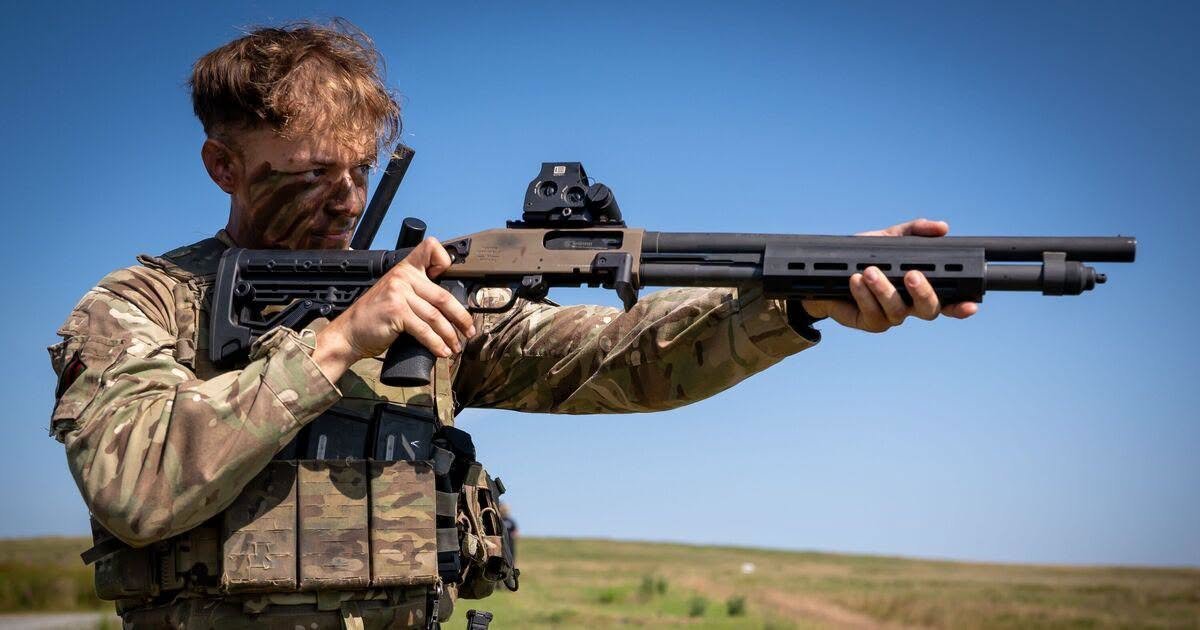
18 to 24-year-olds would be the first group targeted if the UK introduces mandatory conscription during a major conflict, according to a former military chief.
Growing threats from Russia and China, along with NATO’s collective defence mandate, have put Britain on high alert for a potential conflict.
Former British Army officer Lord Dannatt explained how an emergency draft would work if forced upon the nation.
He said the Army Reserve would be mobilised first, followed by Regular Reservists recalled to active service.
Only after those steps would His Majesty's Government consider compulsory conscription, starting with 18 to 24-year-olds.
Academic expert Anthony Glees suggests any full conscription model would likely follow the structure used in September 1939.
That historical draft required all men aged 18 to 41 to undertake military or national service.
He believes the UK should look closely at modern conflict models like Ukraine to prepare the population.
Ukraine implemented conscription for men aged 25 to 60 following its invasion, building armed forces of 900,000 with four million in reserve.
Prof. Glees argues that national service does not strictly mean fighting with weapons on the front line.
Instead, young people could be deployed using technology to push back against foreign aggression.
The UK Government has officially ruled out compulsory military service.