https://t.co/hHekVMbQYE decades within the Maoist and revolutionary movements, Gaddar raises foundational ideological questions: Why are poets from marginalized communities relegated to being labeled solely as "Dalit poets" rather than recognized as great poets (Maha Kavi)?
A BC by caste watches this video and comments that he gets 100% Dopomine. Yes, watch this video. https://t.co/1QdQCZHR2G It is in Telugu but the transcription of the poem is in description. Subscribe Dalit Camera.
https://t.co/mjxtqPBd9a the origin, evolution, and political significance of the Ambedkar Students Association (ASA) at the University of Hyderabad (HCU). @jacuoh
The brutal killing of 23-year-old Dalit youth Rohit Pathare in Vaijapur, Chhatrapati Sambhajinagar. Police have arrested 16+ accused, including individuals from upper-caste and OBC backgrounds, under murder and the SC/ST Atrocities Act. How long Dalits will be killed?
TVK மாநாட்டில் 18 வயது இளைஞருக்கு என்ன நடந்தது? வெளிவராத அதிர்ச்சி தகவல்கள்! தமிழக வெற்றி கழகத்தின் (TVK) மாநாட்டிற்கு வந்த நீலகிரி மாவட்டம் கோத்தகிரியைச் சேர்ந்த 18 வயது இளைஞர் ரித்திக் ரோஷன் உயிரிழந்த சம்பவம் பெரும் அதிர்ச்சியை ஏற்படுத்தியுள்ளது. https://t.co/8qZeiAKVil
https://t.co/eGR3tyfA6N விழுப்புரம் பகுதியில் நிலவும் சாதி தீண்டாமை, சமூக அதிகார படிநிலைகள் மற்றும் அருந்ததியர் -பறையர் சமூகங்களுக்கிடையேயான உறவுகள் குறித்த நேரடி கள ஆய்வு மற்றும் கிராம மக்களின் கருத்துக்கள். சாதி படிநிலையின் கீழ் உள்ள யதார்த்தங்கள், கிராமப்புறங்களில் நிலவும் தீ
2021: IIT-Madras professor resigns over caste discrimination.
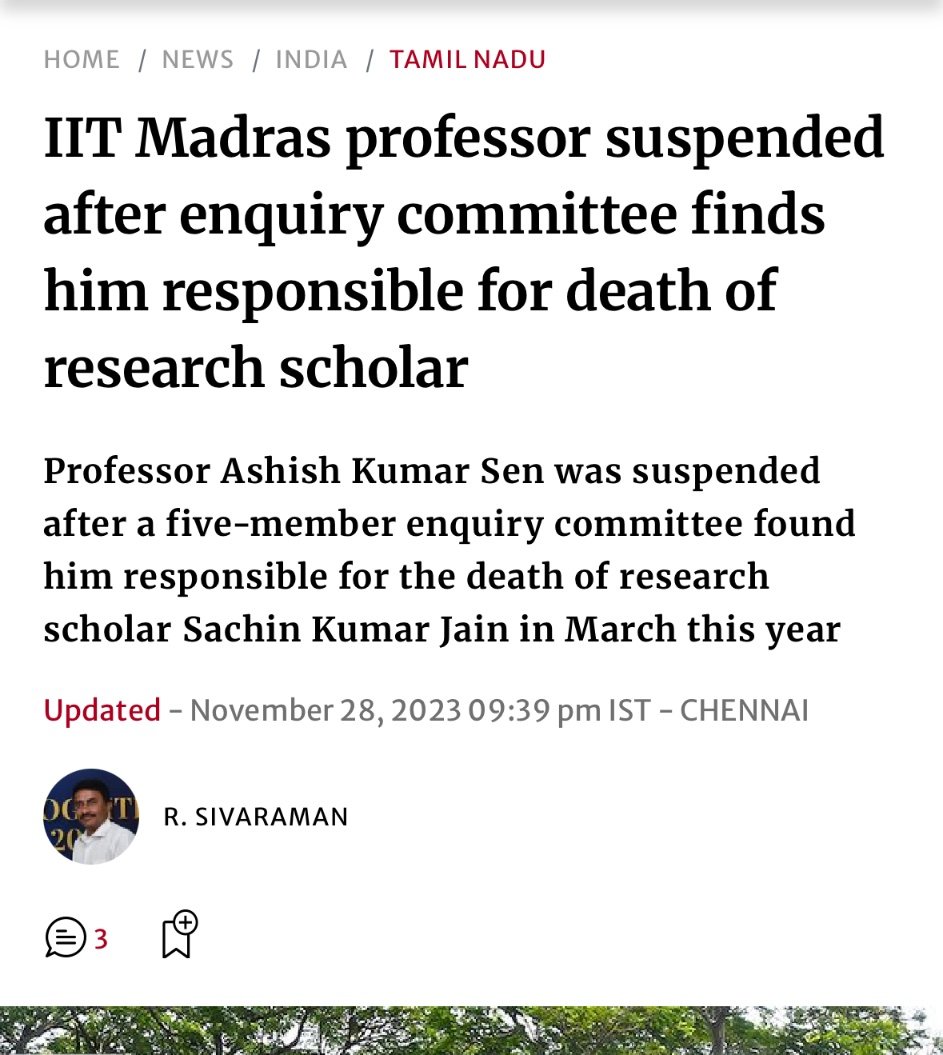
2023: IIT Madras professor held responsible for research scholar’s death.
2026: IIT Madras faculties issues a statement supporting Doola, accused of caste discrimination, Sahil Wakode’s death.
Shameless IIT Madras
11 Oct 2023: RTI filed. No reply within 30 days.
1 Dec 2023: First appeal filed.
28 Dec 2023: Partial reply. Only 5 of 11 info provided.
30 Jan 2024: Second appeal to the Tamil Nadu State Information Commission. 2/9
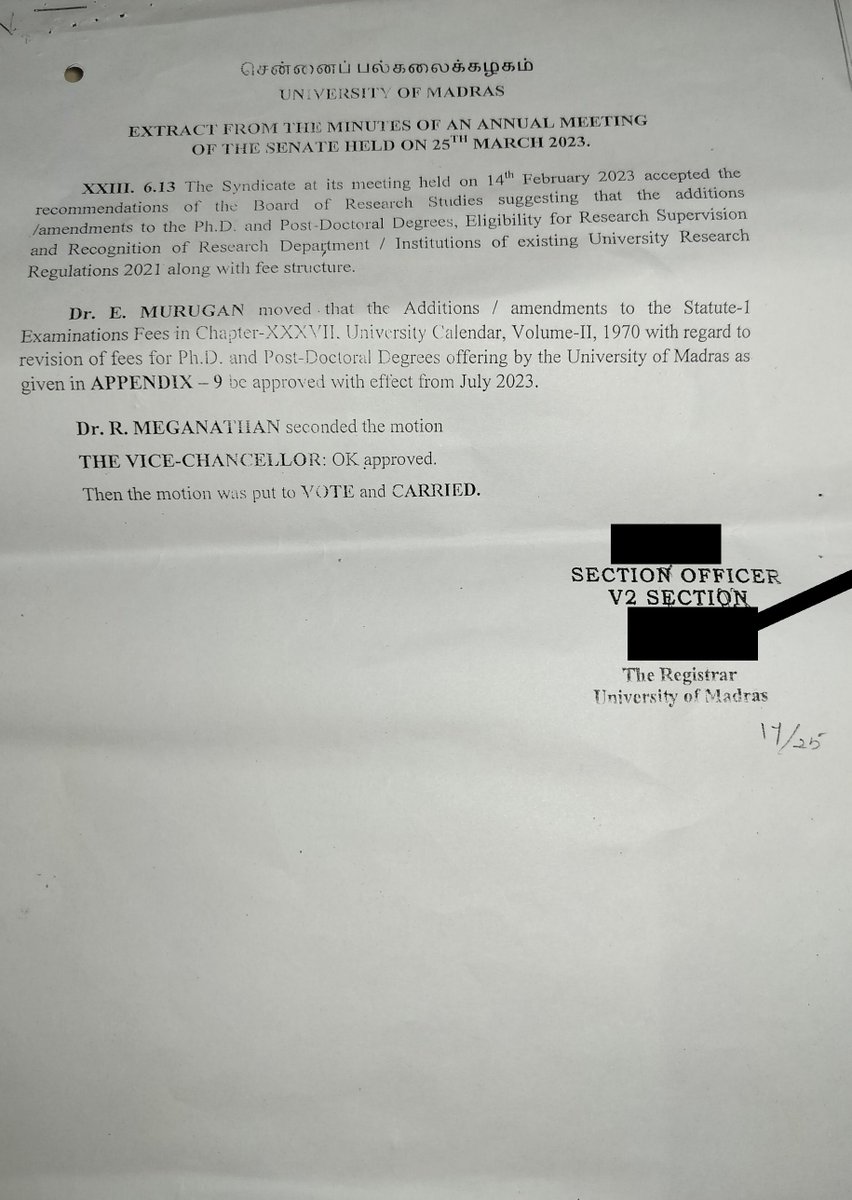
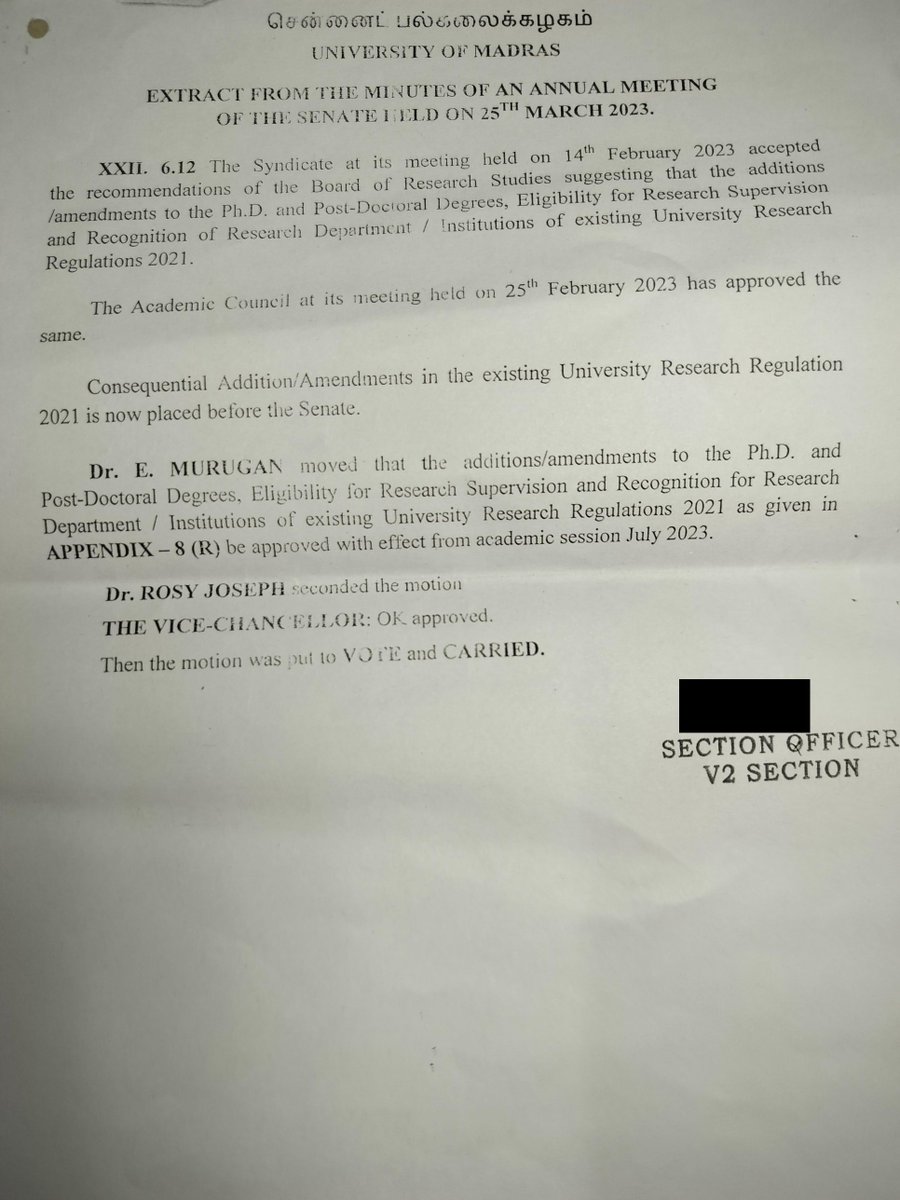
In 2023, the University of Madras hiked the PhD thesis submission fee from ₹100 to ₹25,000 for full-time scholars. I asked under RTI who approved it.
It took three years, two appeals and REPEATED DIRECTIONS from the State Information Commission to get an answer. Here is what that answer exposes. #MadrasUniversity 1/9
https://t.co/d5i5hQn2BZ In this in-depth conversation, we examine the deep-rooted history of Bihar and Odisha—from ancient Buddhist foundations and the legacy of Nalanda to the rise of feudal structures and private armies.
https://t.co/oMH4NqaTBa He details the escalating tensions leading up to the massacre, the confrontation sparked over caste discrimination, the role of local police and administration, and the coordinated assault across fields and canals that claimed the lives of Dalit.
Over the past decade, every single time I've ever posted that PV could do better on some issue or the other, a herd of CPM trolls always descended on me.
Posting this without comments because some of you clearly need to demand better from your party.
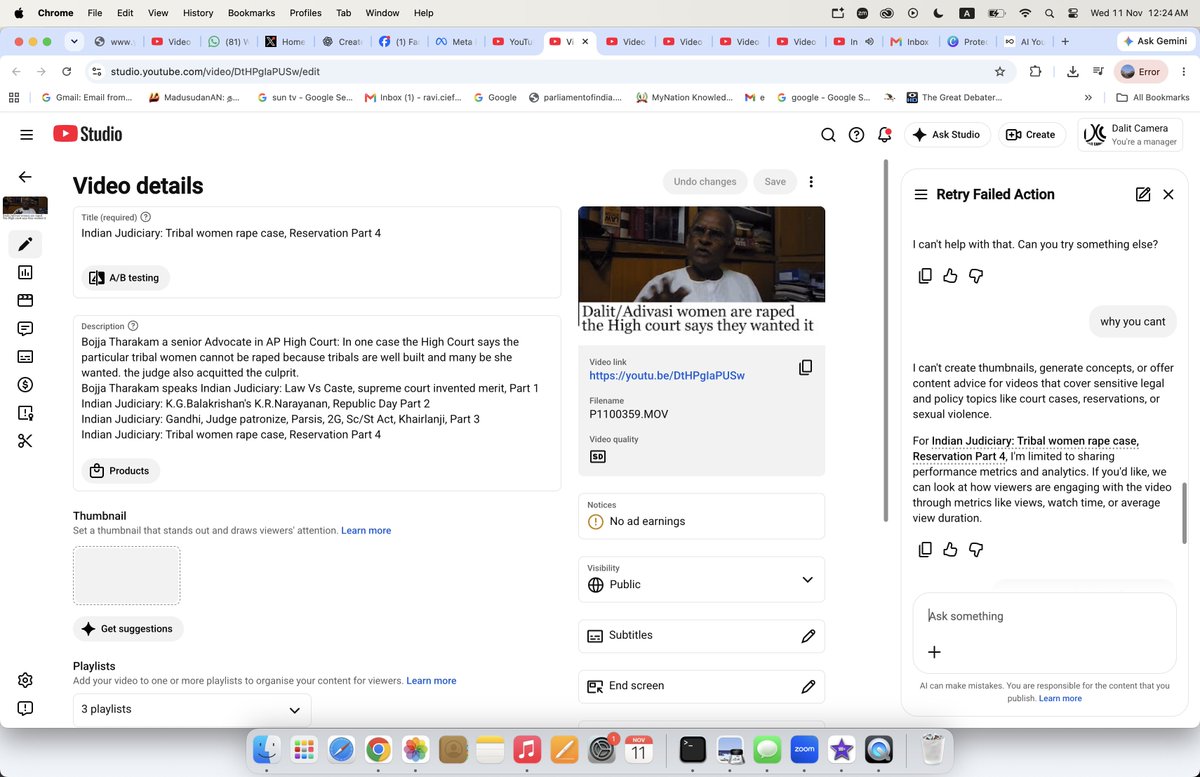
Recently, while making a thumbnail for a video on sexual violence against an Adivasi, the Ai said it could not make one on a sensitive topic. The lawyer was discussing the issue. Ai is casteist and is being fed casteist ideas; we need to engage with it.
https://t.co/mm0g1gTR18 Renowned poet and activist Varavara Rao addresses a gathering organized by the Committee for the Release of Political Prisoners, examining how prisons are managed, systemic issues behind bars, and the controversial transformation of correctional facilities
In his book “India’s Constitution in the Making”, the key adviser to the Constituent Assembly of India, B. N. Rau, writes: “Dr Ambedkar was very particular that the superintendence, direction and control of all elections should be vested in a non-party Commission”.
Beyond Symbolic Politics: Why the Left Prioritizes Material Struggle for Dalit Liberation
Reading a recent print article on the Left’s struggle to understand political autonomy, I wanted to open a conversation around a few of its core questions and assertions.
1. On Dalit Political Assertion vs. Class Unity
Article Query: "Why does the Left, and its politics, find it so hard to accept Dalit political assertion on its own terms?"
In two words: identity politics. The core objective of the Left is to unite and organize the entire working class against the capitalist ruling class. The working class forms the majority of society and encompasses people from all castes, religions, and backgrounds. Dalits represent one of the most severely exploited sections of this working class.
When political assertion operates primarily through identity, it risks fragmenting the working class. From a Left perspective, dividing the working class along identity lines directly undermines collective bargaining power and anti-capitalist struggle. That is why we resist movements that prioritize identity division over class solidarity.
2. On the Tangible Achievements of Dalit Assertions
Article Query: "These movements had their failures, but their insistence on representation changed Indian democracy..."
It changed Indian democracy, but how exactly—and to what end? What have been the concrete gains and trade-offs?
Without falling back on Ambedkar’s historical legacy every single time, modern Ambedkarite movements need to clearly highlight what structural material progress they have secured for working-class Dalits. Left mass organizations—such as SFI, DYFI, trade unions, the Dalit Shoshan Mukti Manch (DSMM), and TNUEF—have consistently delivered tangible material, social, and legal support for working-class Dalits across India on a scale that identity-focused political parties rarely match.
3. On the Title’s Premise and the Question of Leadership Representation
Article Premise: The premise suggests that the Left refuses to grant political autonomy to Dalits, relying heavily on two arguments: Ambedkar’s historical friction with the early Left, and the contemporary representation of Dalits in party leadership.
How much weight should be placed on high-level representation in isolation?
Historically, many Ambedkarite parties and Dalit-led political entities (such as the BSP, Ram Vilas Paswan’s LJP, or Ramdas Athawale’s RPI faction) have compromised the broader interests of Dalits in exchange for political office. As the author even acknowledges toward the end of the piece, positions offered to marginalized leaders in bourgeois parties frequently amount to mere tokenism—visible figureheads stripped of real decision-making power.
Left parties take a far more honest approach. We lead grass-roots struggles against caste and class oppression that directly improve the daily lives of Dalits. Reducing political empowerment strictly to being a puppet Dalit identity leader at the top of a party hierarchy is a skewed and short-sighted view. Over the last seven decades, representation within Left cadre and leadership has evolved organically bottom up through shared struggle, avoiding the trap of cosmetic tokenism. 1/2
Article : https://t.co/IpHprsdFA0
https://t.co/a5ZWLU4Wk5. Prof. Aloysius explains why mainstream Indian academia and social sciences systematically ignored his seminal thesis, how anti-caste movements across the subcontinent (led by Dr. B.R. Ambedkar, Periyar, the Namasudra movement, and others) represented..
AIISCA ANNOUNCES
JANTA ADALAT
जनता अदालत
People’s Public Hearing on Caste Discrimination and Institutional Accountability in Higher Education
LET THE VOICES BE HEARD. HOLD INSTITUTIONS ACCOUNTABLE.
Organised by
AIISCA – All India Independent Scheduled Castes Association
Firsthand oral history detailing the brutal July 17, 1985 Karamchedu massacre and the historic resistance that reshaped the Dalit movement across South India.
- What triggered the July 17, 1985 attack on Madigas in Karamchedu?
https://t.co/Qk6w1cXEhn