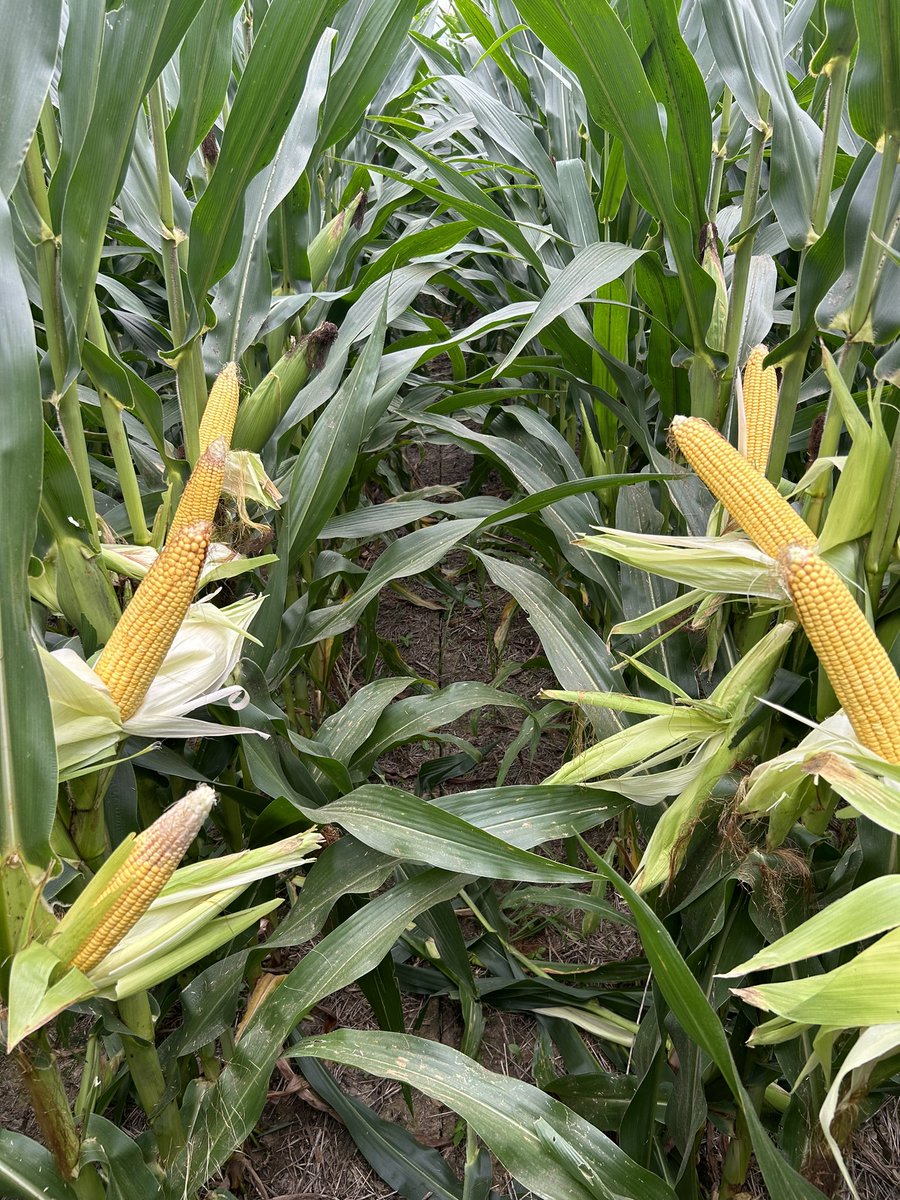
Want better ROI on nutrient inputs with less waste? Check out this new article from Advanced Agrilytics' Director of Agronomic Technology Travis Kimmel, listing Five Things to Consider During Fall Fertility planning. Check it out here https://t.co/lQoZPoUPf0. @agrilytics
@WoolyAgronomist Seems like once they move from the car to the garage they become fair game for the kids to turn them into wands, scepters, swords, bats, brooms, shovels, etc. and then they are gone forever!
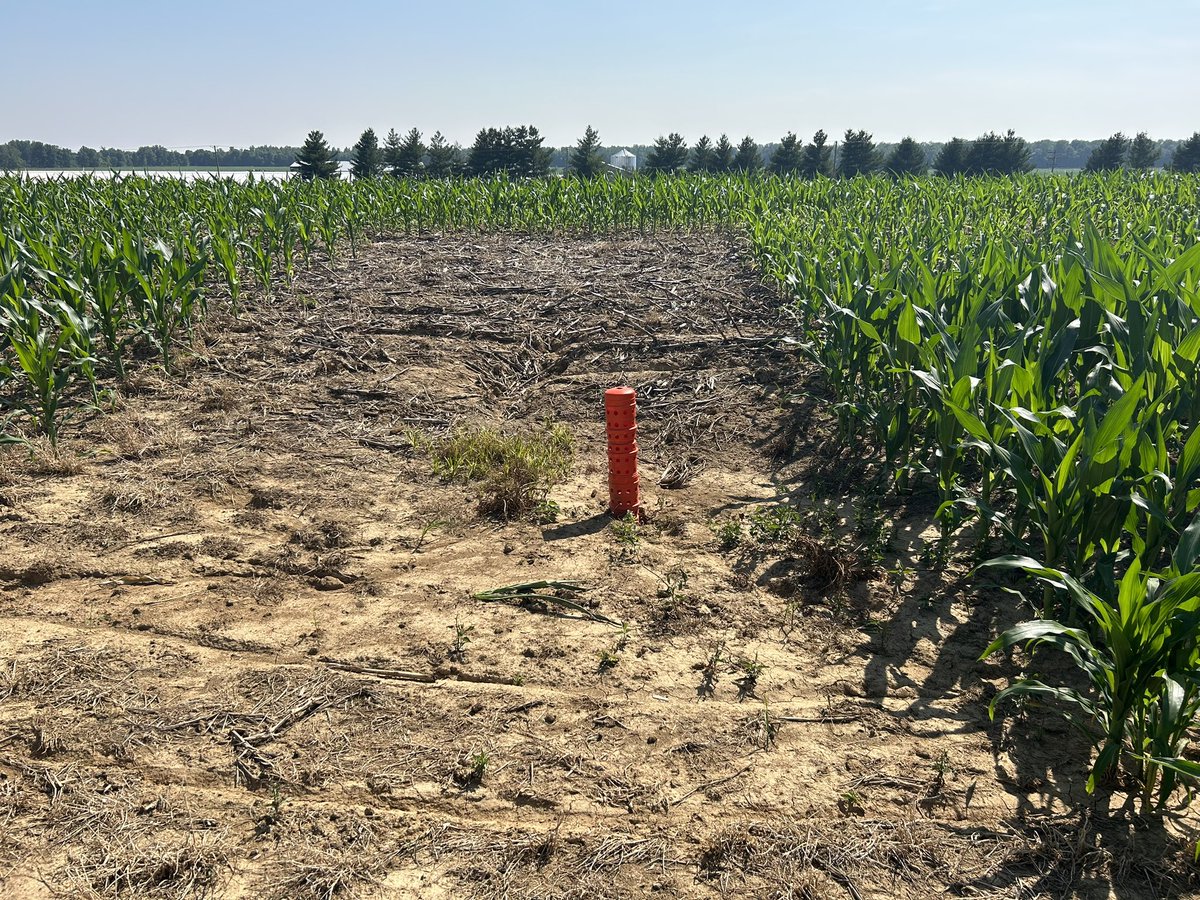
The @agrilytics S IN KY team worked together this AM to collect V6 plant samples on 19 hybrids. We’ll analyze early growth and plant mass for each product as impacted by mgt & environment. Our goal is to help customers place and manage products to reduce risk and increase yields.
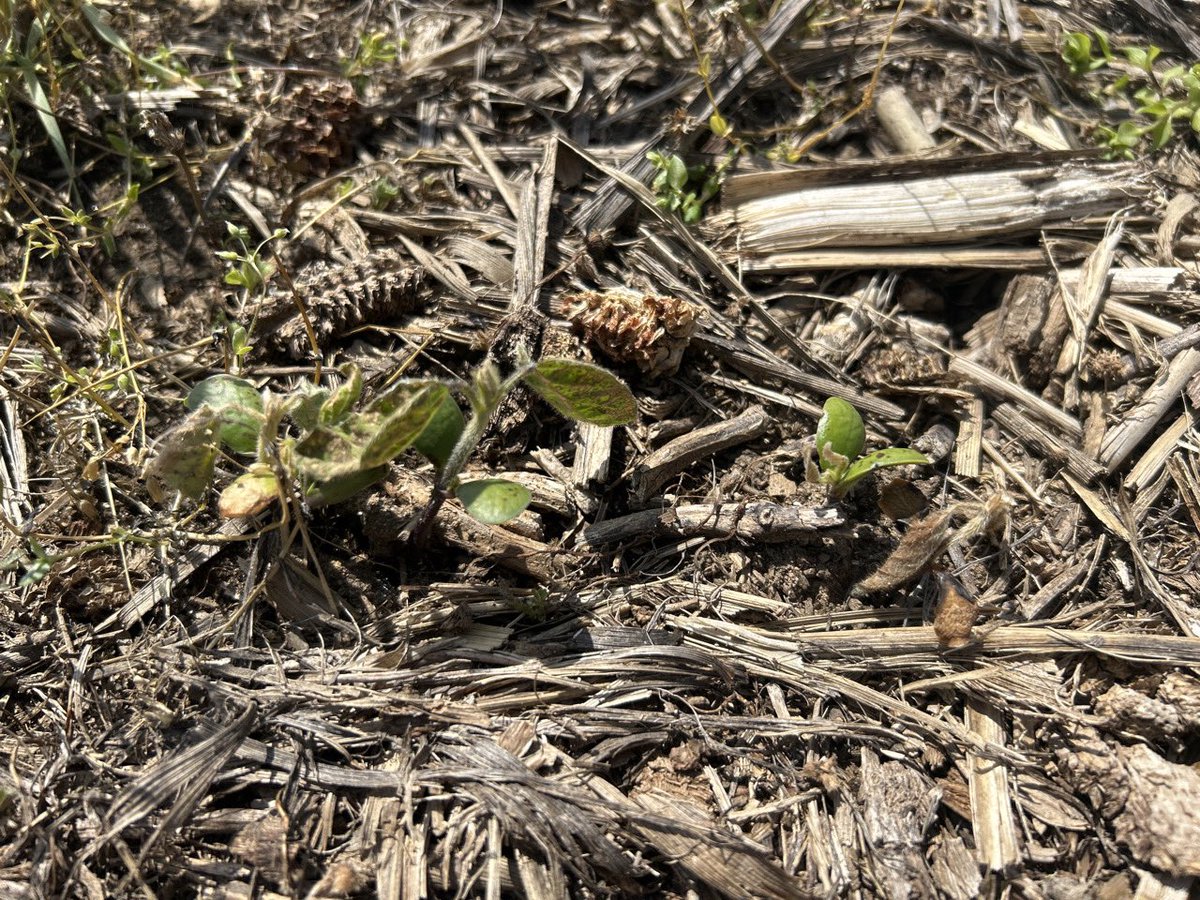
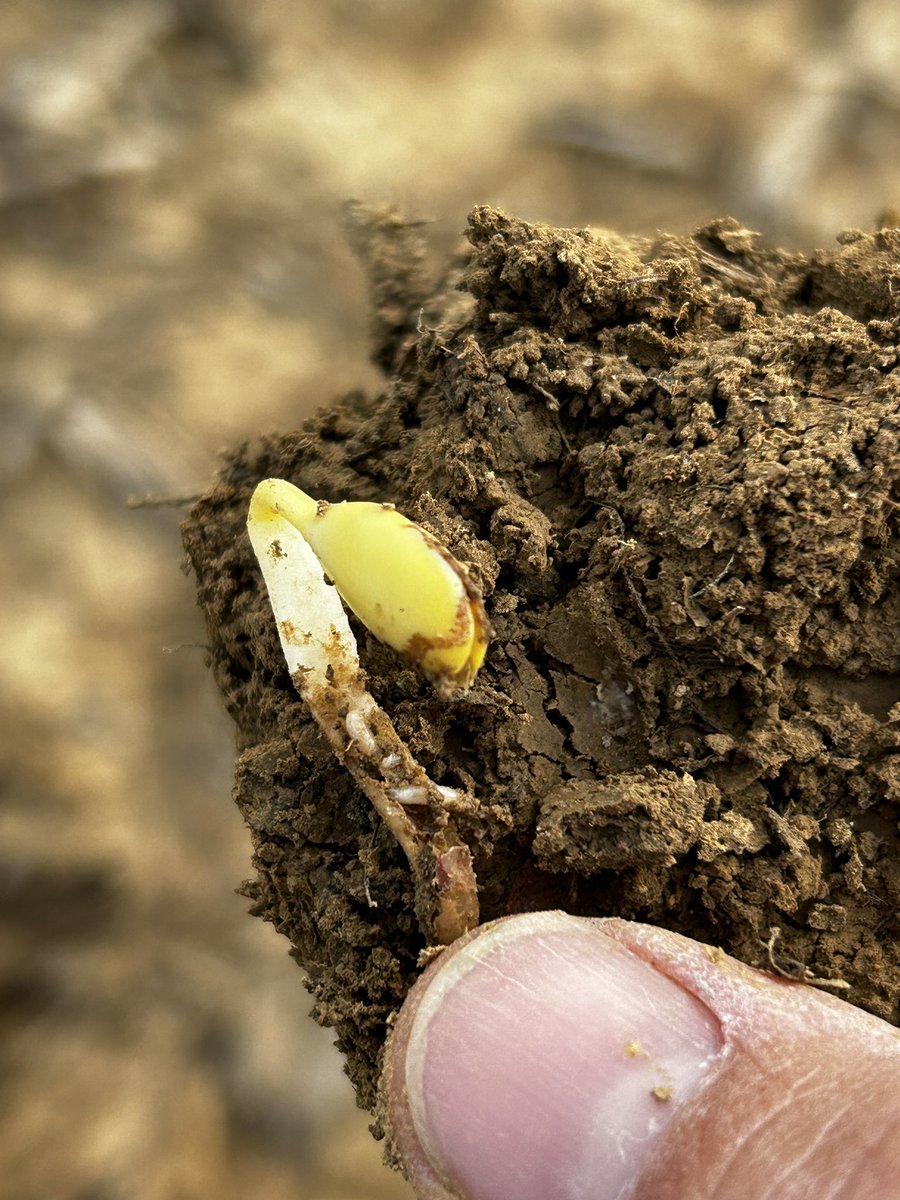
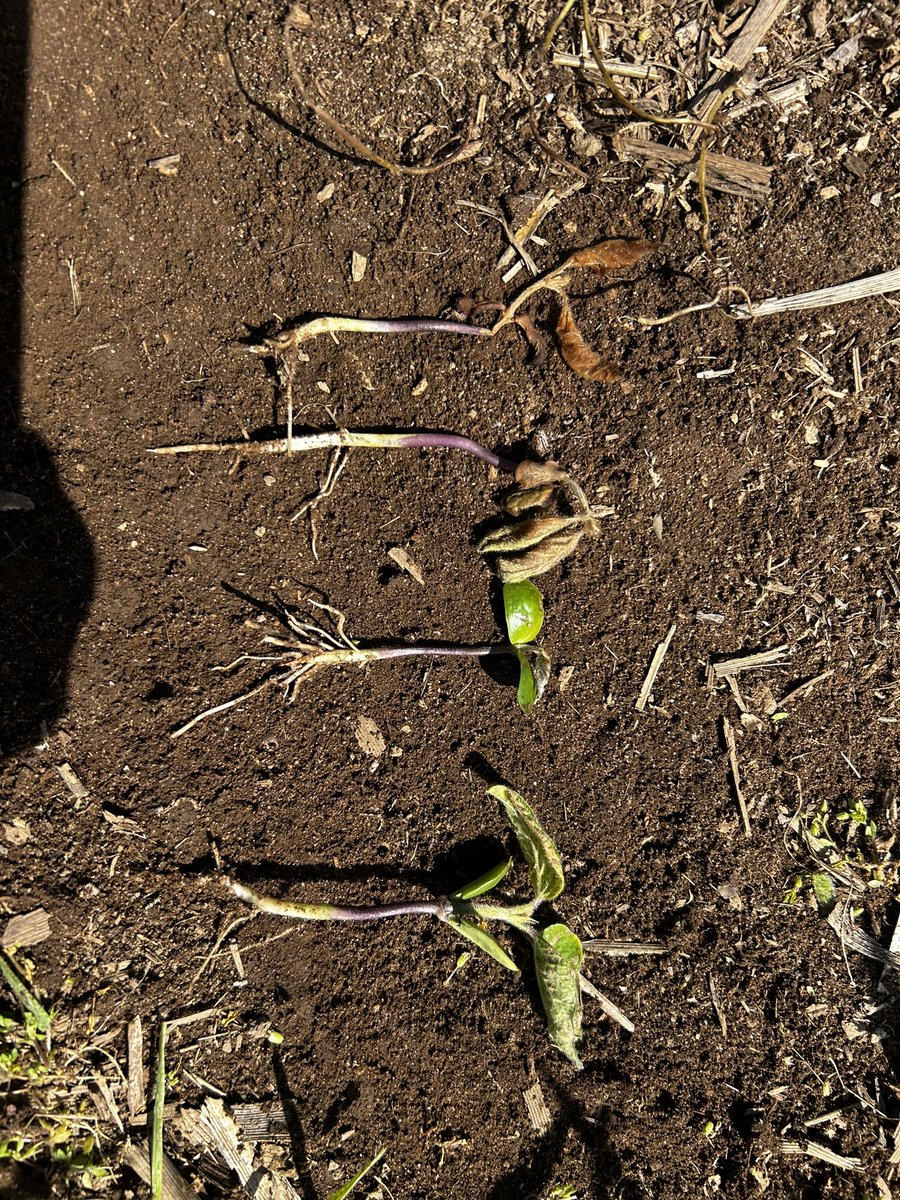
🥶Frosted!
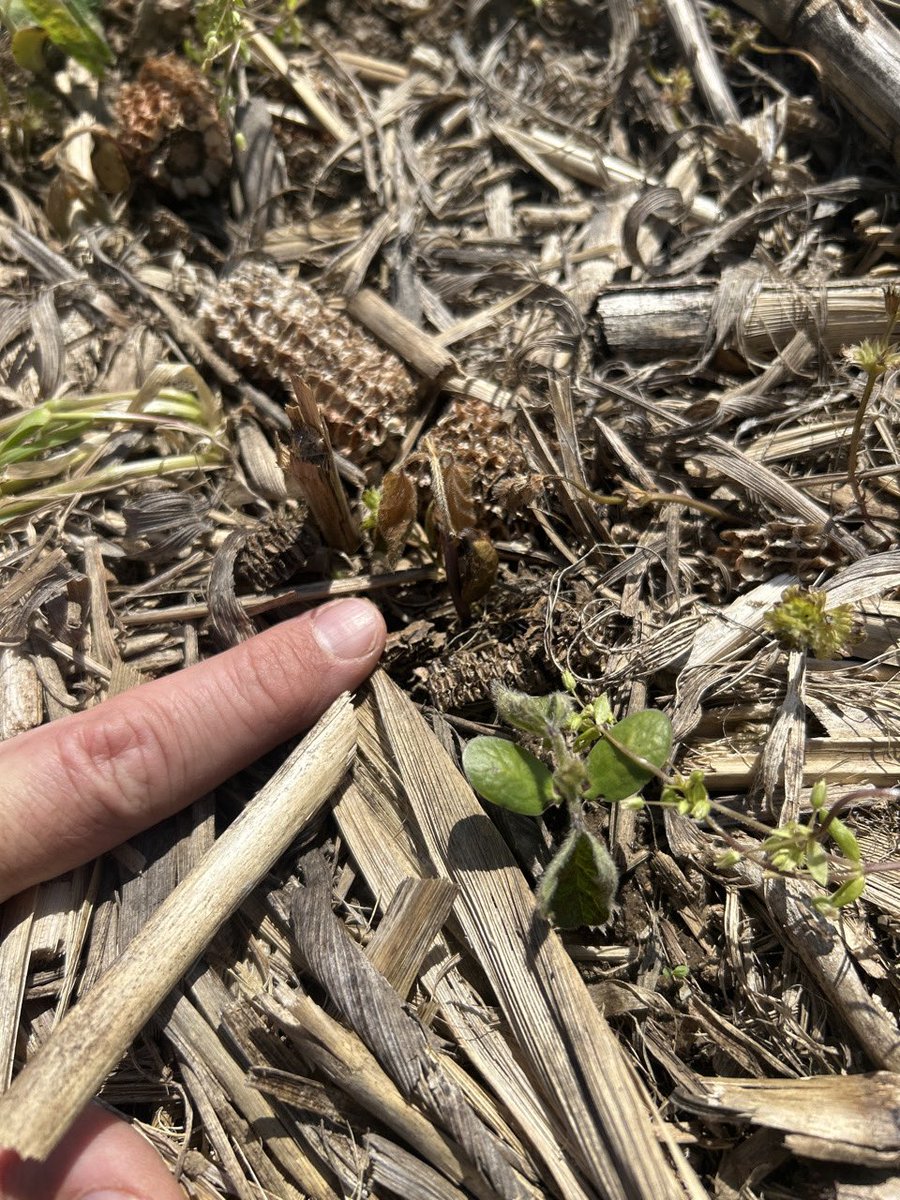
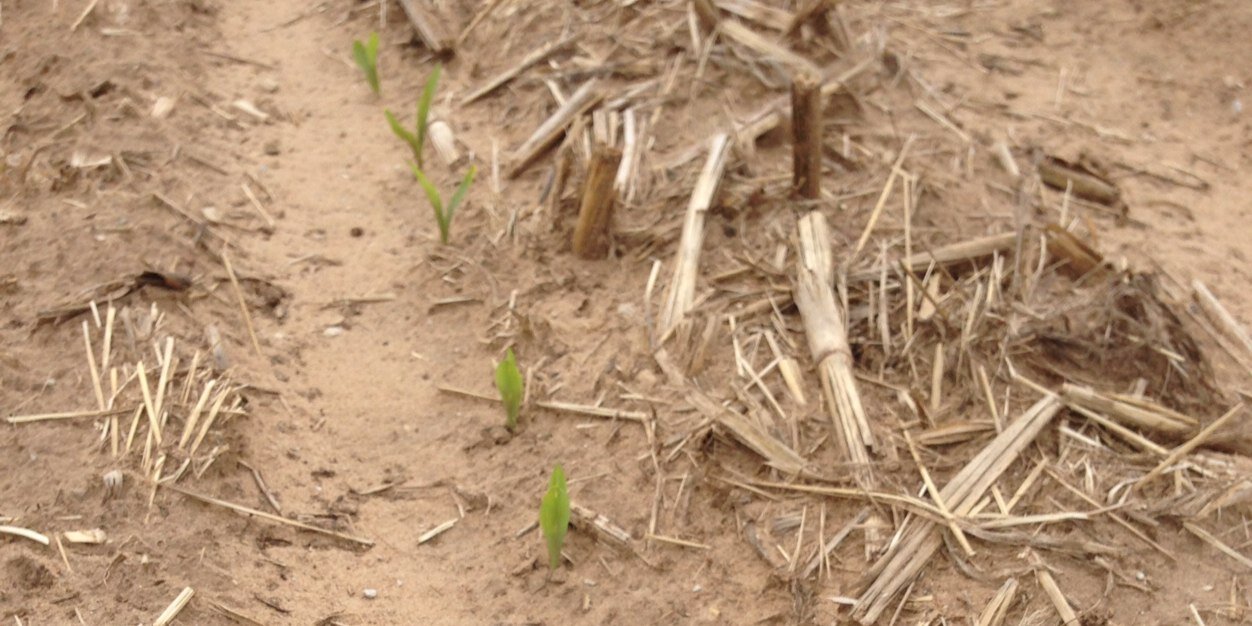
These beans were planted March 30 and were off to a good start before Monday morning’s frost.
Early planted soybeans can be successful, but there are certain practices that help reduce the risks that come with planting ultra early.
🧵
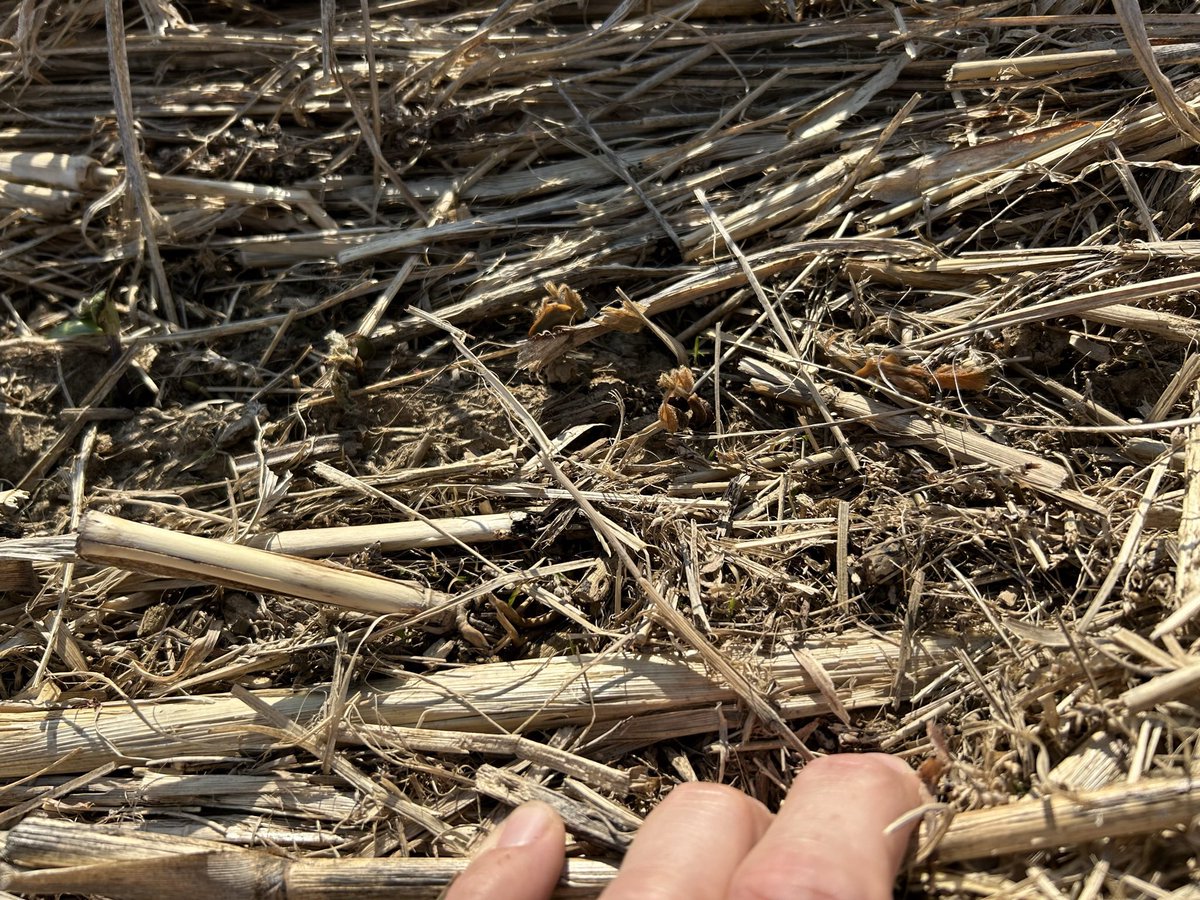
One of those practices is managing residue. Tillage or aggressive row cleaners to move all reaidue away from the soybean will help plants survive a frost after emergence. Heat from the soil gets trapped beneath the residue allowing the plant tissue to frost.
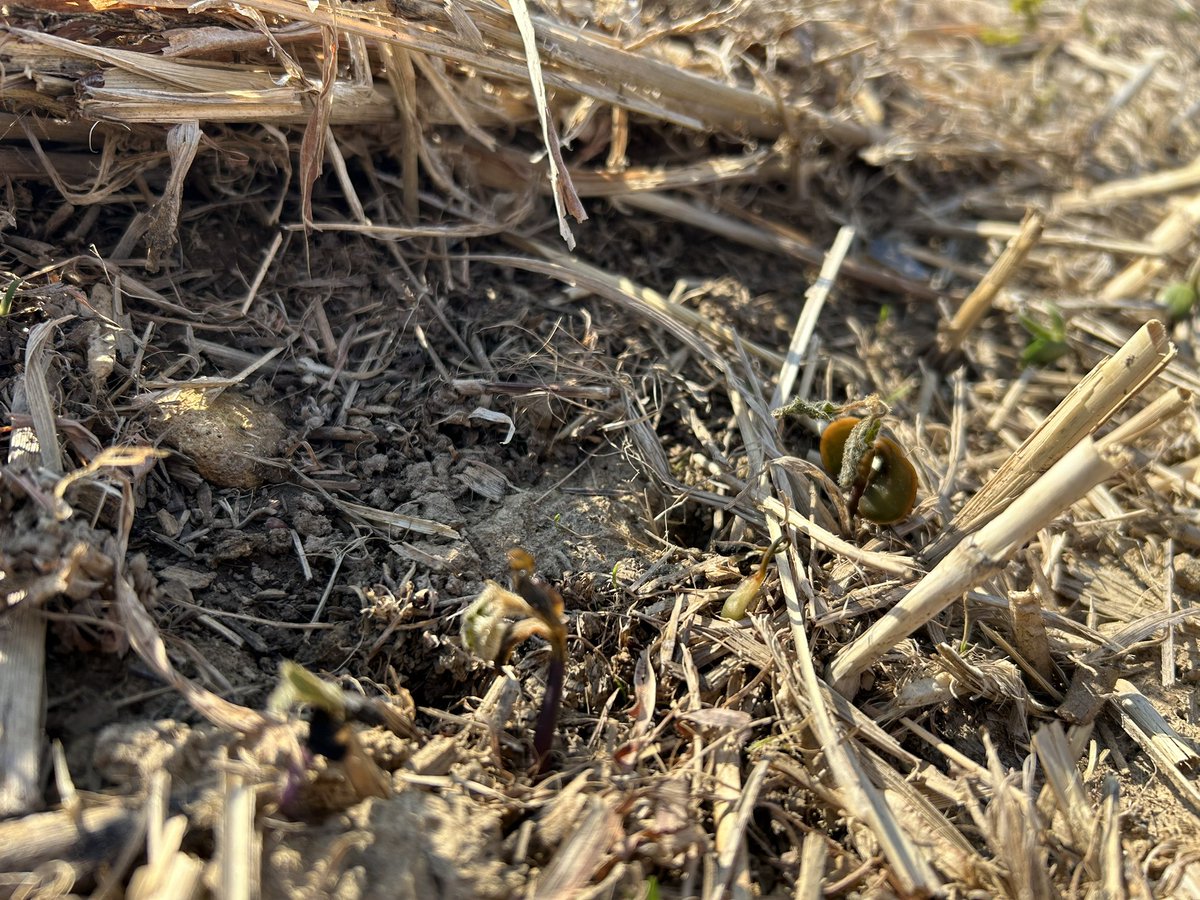
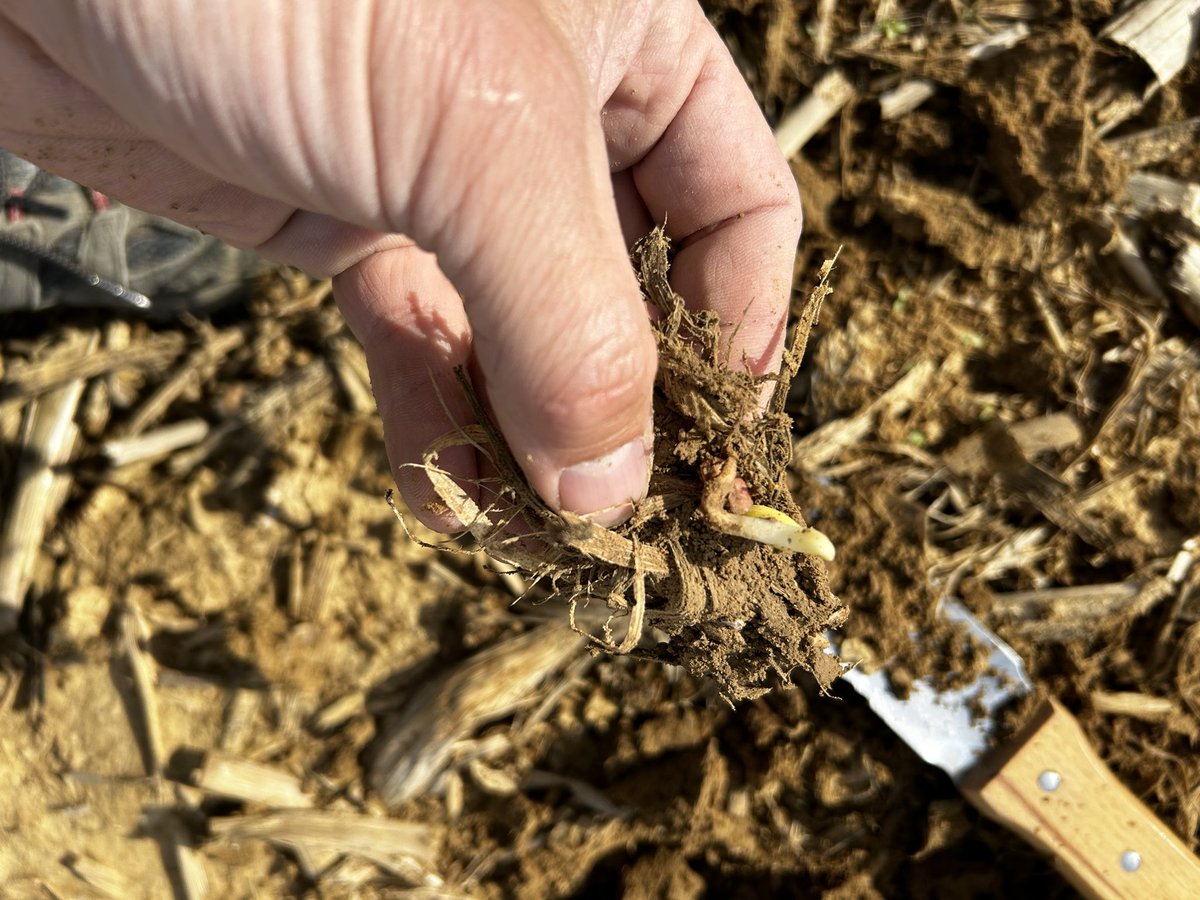
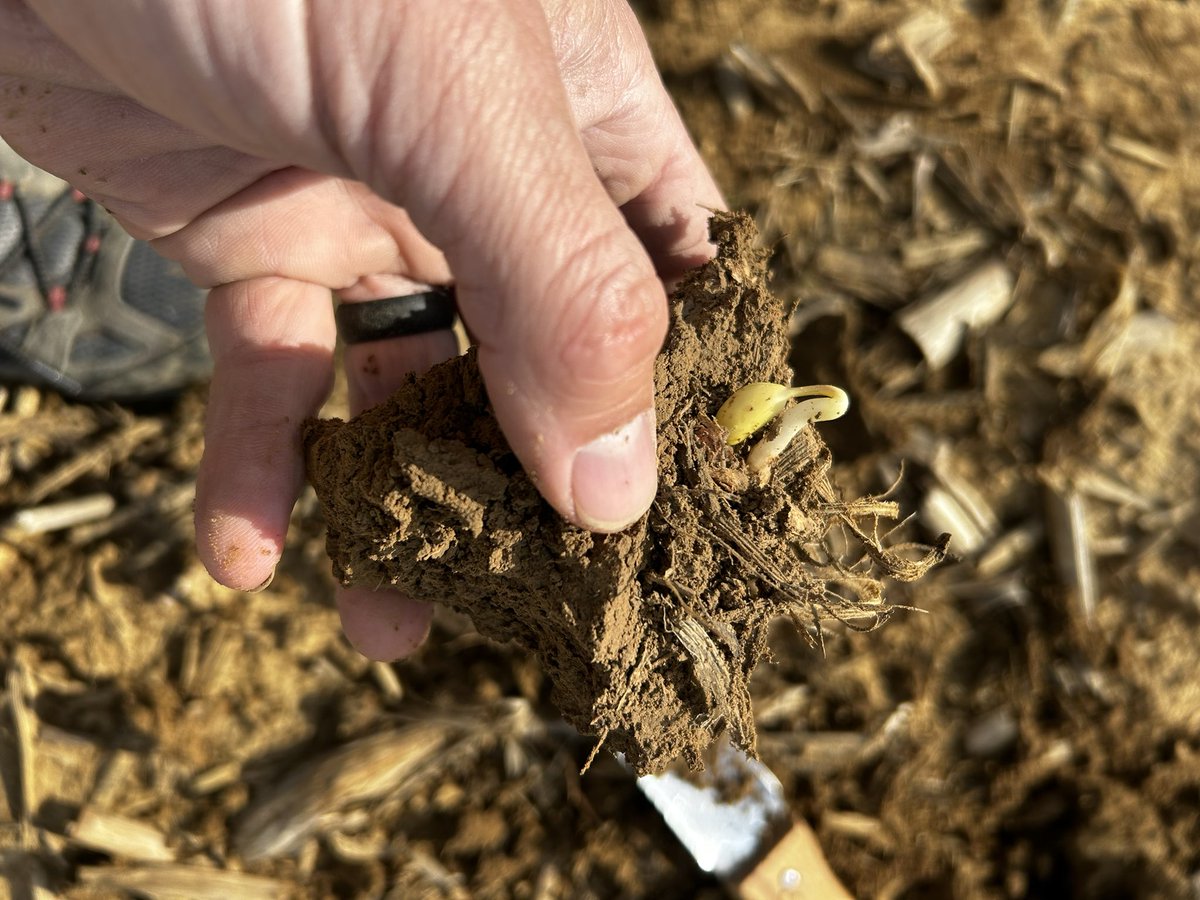
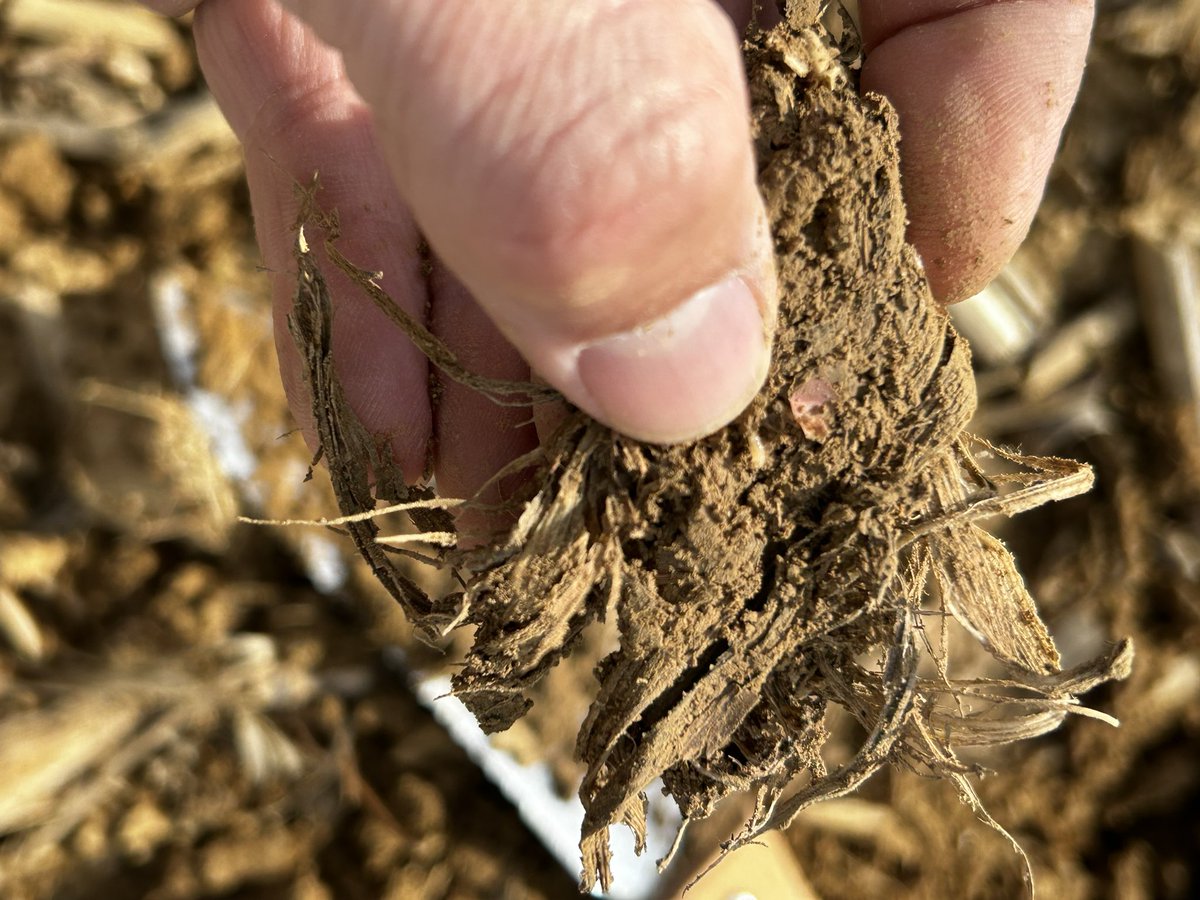
Seed corn maggot making their presence known. Fields were planted March 30-Apr2. Vertical tillage incorporated winter annuals and stalks right at seeding depth attracting flies to lay eggs. Beans were treated with Thiamethoxam or imidacloprid.
@kyleplattner@JohnDeere Kudos on the rainfall feature. On the desktop it’s nice to sort fields by rainfall amount and see what fields will be ready to work first.
4 beans/ft2 = 1 bushel/acre of harvest loss. moistures of 9-10% in the afternoon increases the risk of loss. 🔗 offers several tips to minimize losses, including:
-Keeping knife sections sharp
-Matching reel speed to ground speed
-adjust reel forward https://t.co/UMjMO7qLFX
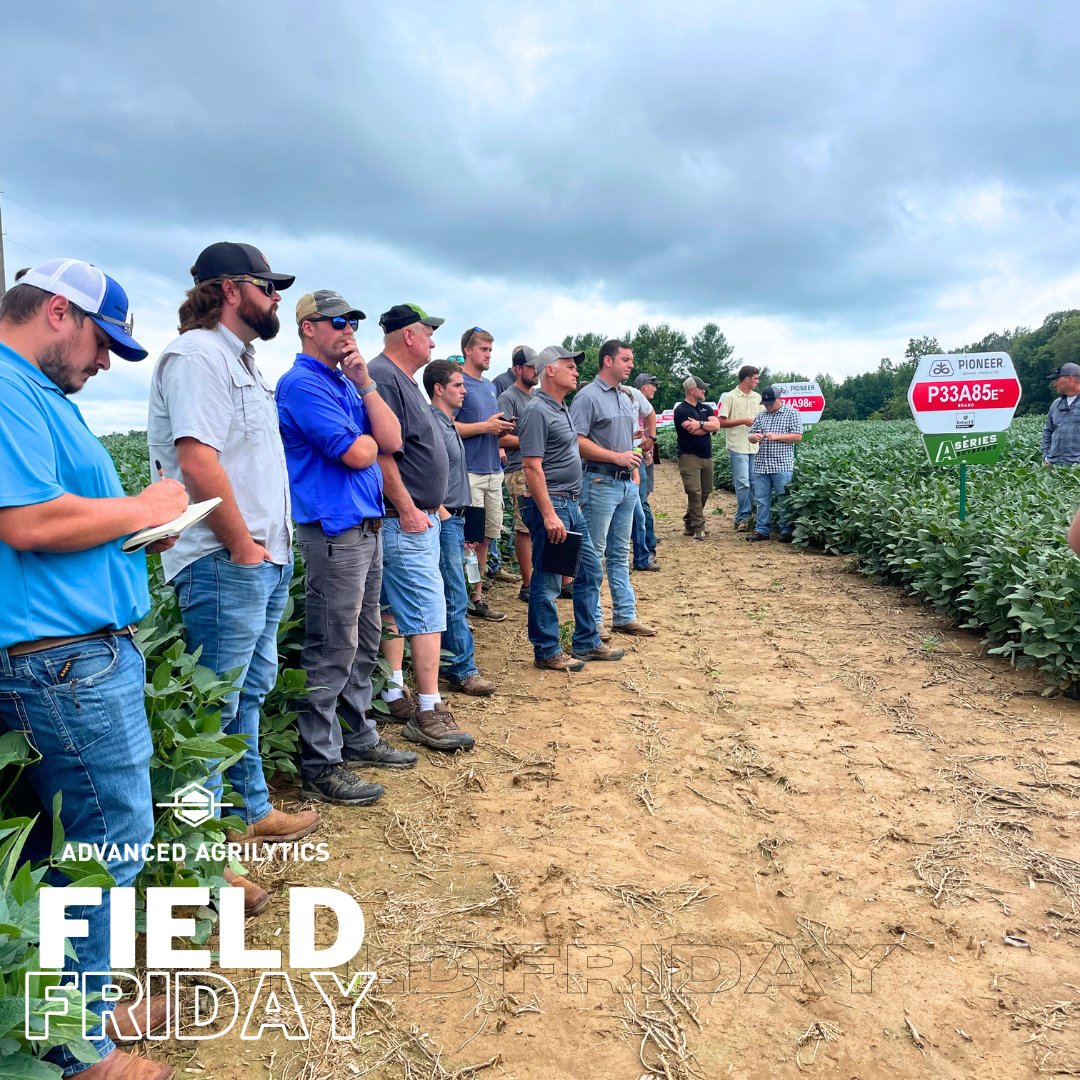
This week, our team from southern IN & KY had a productive meeting with Pioneer agronomists & territory managers. We dove into in-field observations, learning valuable insights about product performance this season. Stay tuned for more updates as we head toward harvest!
@brad_gerten @GranularAg @PioneerSeeds When I shucked back 10 ears in a row and held my hand over the aborted kernels, the pioneer app was more consistent than when I counted manually, And quicker too
I know kernel weight can vary drastically, at early R5 I like giving a range from 70 to 90k.
Anyone know of an app that will count kernels for you? @GranularAg and @PioneerSeeds used to have one, but it’s gone. Counting kernel rows and length on several ears gets tiresome and time consuming. #AgTwitter
“In addition to reflecting a portion of incoming light, smoke also scatters it, making the light available to plants more diffuse. Wildfire 💨 can increase the diffuse fraction of photosynthetically active radiation (PAR), which benefits plants by increasing 🔆use efficiency.
According to this article, smoke and haze from 🔥reduces photosynthetic radiation ~3-11%. Cloudy days are ~20 less than a sunny day. Rainy day is 60% less. 💨 can also increase surface ozone levels which could damage soy leaves. https://t.co/Oxu1iHCb5K