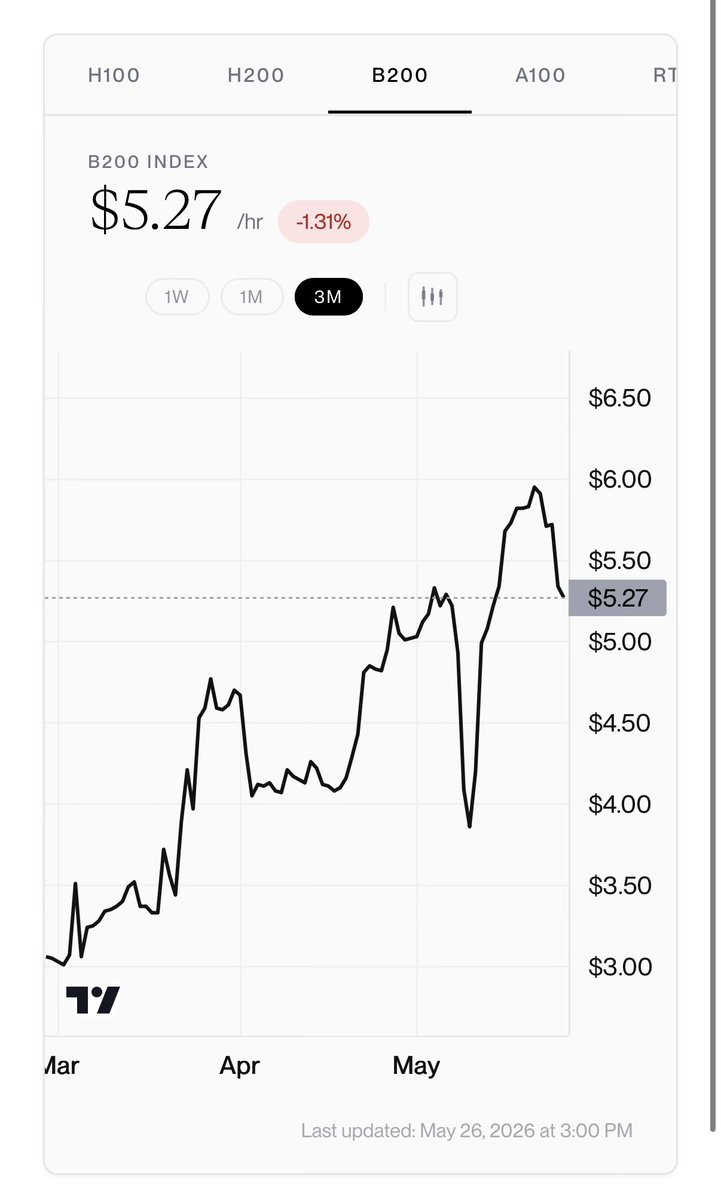
Take AI out of the US economy and it is already in a recession. Columbia Business School stacked up every great American build, canals, railroads, electricity, the highways, and the AI capex boom towers over all of them as a share of GDP. One spending wave is doing the work the rest of the economy cannot. If credit markets pull back and choke that build, the recession everyone believes got dodged simply arrives on a delay. The strong economy is one capex line from contraction.
Elite Athletes Are REFUSING American Food!
For the 1st time EVER, top athletes are shipping in their own rations because they DON'T TRUST U.S. groceries.
Norway just sent 1,000 kg of their own food to the World Cup — including fish, cheese, and 6,000 oranges — rather than risk American produce.
Why? U.S. oranges aren't even naturally orange anymore. They're often green clones dyed with Citrus Red No. 2 (a petroleum-based dye labeled a human carcinogen), dipped in ammonia baths, coated in morpholine (banned in 31 countries), and gassed with ethylene until they're basically petrochemical fruit.
Even the fungicides left behind are so toxic that a simple baking soda soak removes up to 95% of residue — yet unwashed U.S. oranges still flag cancer-linked chemicals.
This isn't "just fruit." It's a glaring warning about the quality and safety of everyday American food. If Olympic-level athletes won't touch it... why should we?
On this day in 1974, West German regulators shut down Herstatt Bank in Cologne at 3:30 PM local time, right in the middle of a foreign exchange settlement cycle. Banks in New York had already wired Deutsche marks to Herstatt that morning but never received the dollars owed in return. The bank held under $1 billion in assets, but the time-zone mismatch froze interbank FX trading between continents for days and left counterparties scrambling to recover hundreds of millions in stranded payments. The failure introduced "Herstatt risk" to global finance textbooks, a term still used today to describe settlement exposure across time zones. It took the banking industry 28 years to build a permanent fix: CLS Bank, which launched in 2002 and now settles over $6 trillion in daily FX transactions.
IRAN WON!
FAILED U.S GOALS BEFORE THE WAR
❌ Regime Change
❌ Remove all Enriched Uranium
❌ Dismantle all Nuclear Facilities
❌ Reduce Iran’s Ballistic Missiles
❌ Stop Iran’s Support of Resistance
❌ Take control of Iran’s Oil
FAILED U.S GOALS DURING THE WAR
❌ Control Strait of Hormuz
❌ Invade Kharg Island
❌ Take Iran’s Nuclear Dust
❌ Implement a Base near Isfahan
IRANIAN GAINS DUE TO WAR
✅ Unfreezing Assets
✅ Sanction Relief
✅ Israel Leave & Stop Bombing Lebanon
✅ Control over Strait of Hormuz
✅ U.S Leave Middle East
The 2020s are now one of the most inflationary decades in history:
US CPI has averaged 4.0% so far in the 2020s, the highest decade average since the 1980s.
This is more than DOUBLE the average of the 2010s, at 1.8%, and well above the 1990s and 2000s.
Since 1950, the only only periods with higher inflation were the 1970s and 1980s, at 7.4% and 5.1% on average, respectively.
This comes as inflation has been above 2.0% for 64 of the 76 months so far this decade, peaking at 9.1% in June 2022.
By comparison, during the 2010s, inflation was above 2.0% for 49 of the 120 months, with a peak of 3.9% in September 2011.
Inflation remains way too high.
During a tense bullfight, matador Alvaro Munero suddenly stopped and walked away from the bull. As the crowd watched in silence, he looked into the animal’s eyes and felt sadness and compassion instead of fear.
He later said the bull did not look angry, only innocent and wanting to live. That moment changed his life forever. He dropped his sword, left the arena, and from that day on, he never took part in bullfighting again. His story later spread worldwide as a powerful message of compassion and respect for animals.
رجل الماني من ميونخ كان لديه فضول اين تذهب الملابس في صندوق تبرعات الصليب الاحمر فوضع جهاز تتبع AirTag في حذاء
المفاجأة بعد 5 ايام تتبع الحذاء ليجده سافر اكثر من 800 كم، مر بالنمسا وسلوفينيا وكرواتيا واخيرا وصل للبوسنه والهرسك، سافر لهناك ووجده في متجر احذيه معروض للبيع واشتراه ب10 يورو ونشر هذا المقطع
سبب الموضوع جدل كبير فأضطر الصليب الاحمر يرد: بأن 10% من الملابس تذهب مجانا للمحتاجين والباقي يتم بيعها لتمويل مشاريع انسانية
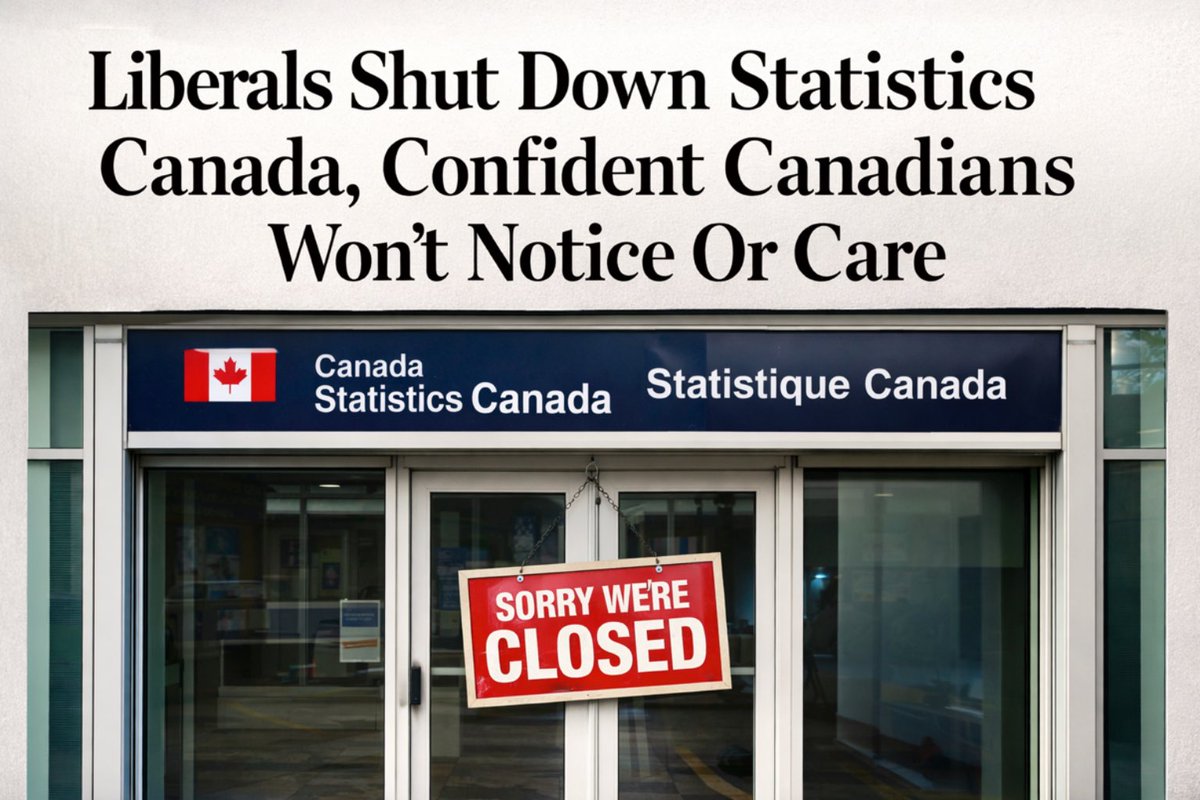
Liberals Shut Down Statistics Canada, Confident Canadians Won’t Notice Or Care
OTTAWA — In a bold move to streamline government operations, the Liberal government announced Monday it will be shutting down Statistics Canada, citing years of strong evidence that Canadians were not paying attention to the data anyway.
“After careful review, we realized we’ve been collecting vast amounts of detailed economic, housing, and cost-of-living data,” said a government spokesperson. “And then… nothing. No reaction. No outrage. Just vibes.”
Officials confirmed the decision came after internal polling showed that the average Canadian’s engagement with national statistics peaked briefly when inflation hit record highs, before quickly returning to scrolling, shrugging, and re-electing the same leadership.
“Frankly, it’s an efficiency win,” added the spokesperson. “Why spend millions tracking affordability, productivity, and wage stagnation when the national response is ‘yeah, that sounds about right’?”
The agency, founded in 1971, has long been responsible for measuring key indicators such as GDP, unemployment, and housing affordability—numbers experts say were occasionally “concerning,” but rarely impactful enough to disrupt voting patterns.
With Statistics Canada gone, the government plans to replace official data releases with a new quarterly report titled “How Things Feel Right Now,” which will be compiled using a combination of social media sentiment, coffee shop conversations, and “general intuition.”
Early drafts of the report include metrics such as:
•Rent Situation: “Not great”
•Groceries: “Still weirdly expensive”
•Economy: “Confusing, but probably fine?”
•Public Awareness: “Low, but stable”
Political analysts say the move is unlikely to have any measurable impact on future elections.
“You could remove every chart, graph, and economic indicator in the country,” said one analyst, “and the outcome would probably remain identical.”
At press time, Canadians were reportedly unaware the announcement had been made, but confirmed they would “look into it later,” before returning to their daily routines.