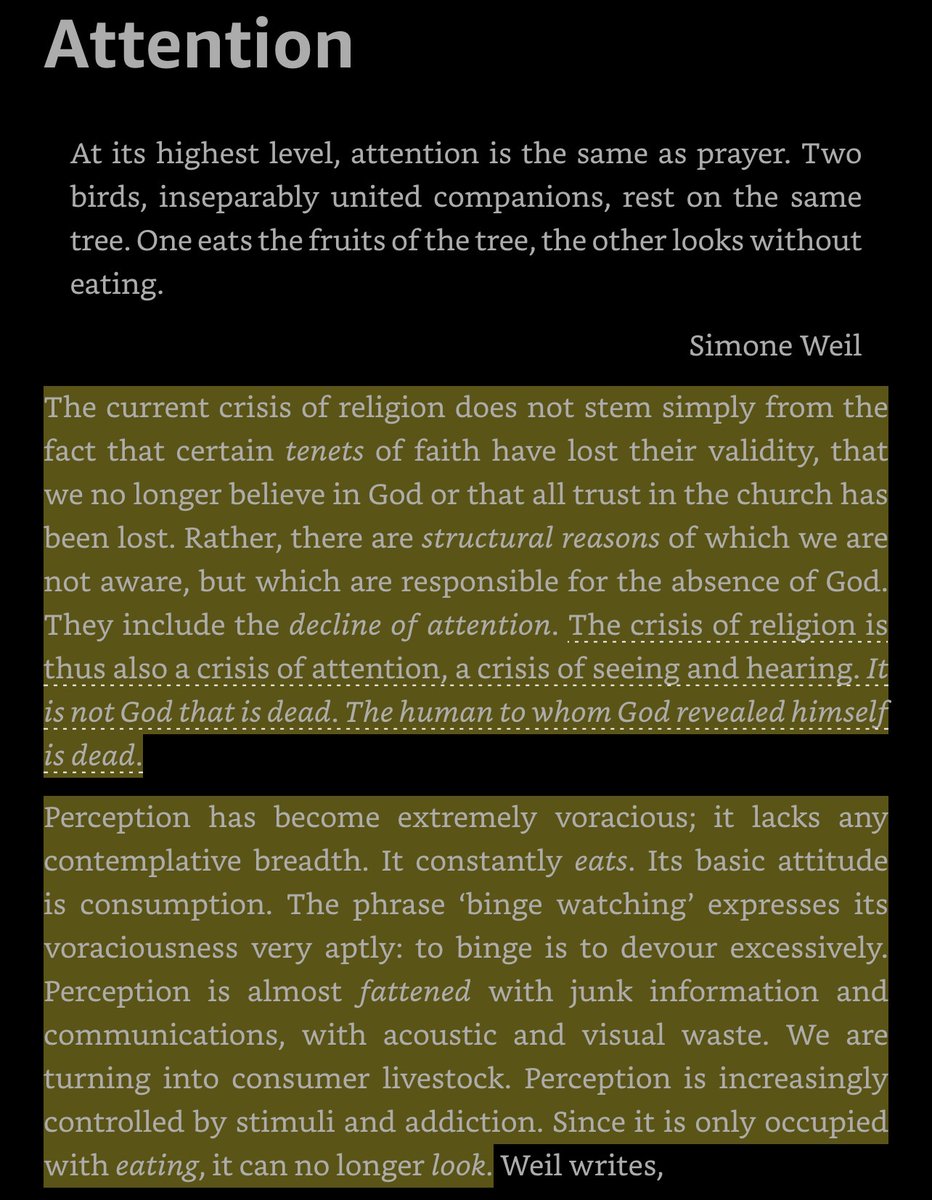
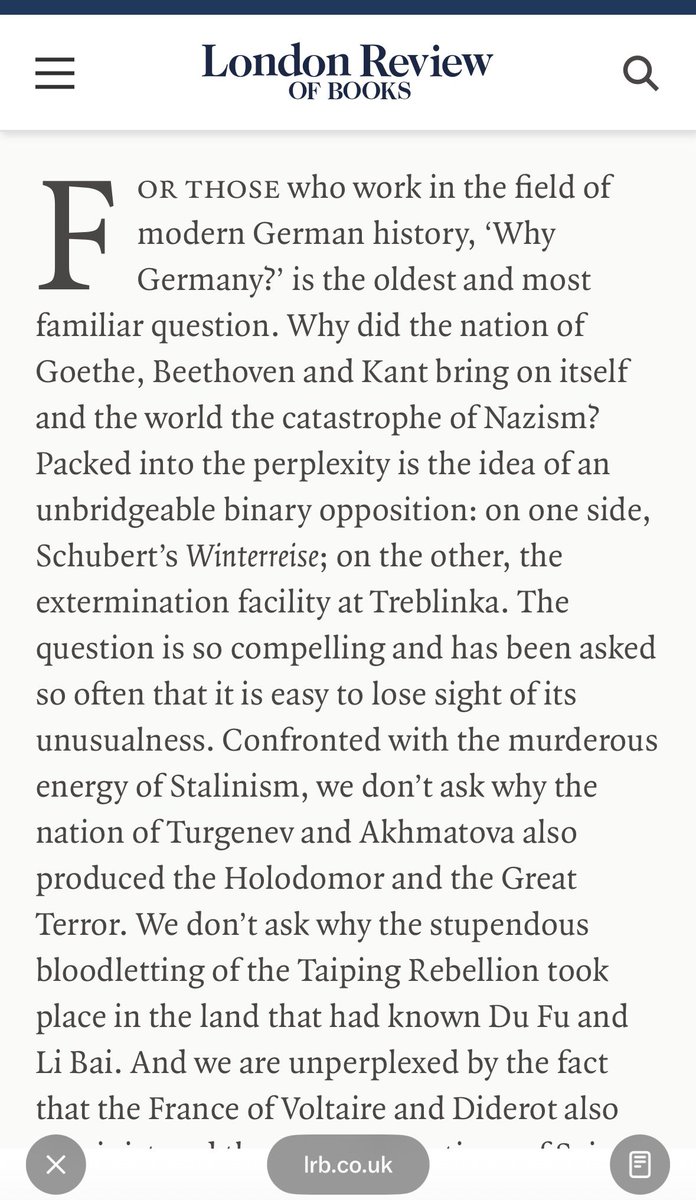
@cremieuxrecueil I see you've been Dark Ages-posting. I thought you might be interested in this gif I had the new Claude generate, suggesting that Western Christianity's downward course was reversed by an isolated Irish monastic tradition.
Jan Troell's sequel, The New Land (1972), strips away every trace of pioneer triumphalism. Building a Minnesota homestead means surviving blizzards, debt, the Civil War, and the 1862 Dakota War, where displaced Swedish settlers watch the US Army execute thirty-eight Dakota men.
If this rumors are true, it would explain why OpenAI and Anthropic are holding back their latest models:
Scott Aaronson says he's heard OpenAI or Anthropic may have found a way to factor large numbers in polynomial time.
Why this would be massive? RSA secures a huge chunk of the internet, and its whole security relies on factoring big numbers being impossible on normal computers. If an algorithm like this actually works on real key sizes, you wouldn't even need a quantum computer to break it. Fake software updates could pass signature checks, RSA-encrypted data could be read, and systems across the internet would have to migrate off RSA fast.
So yeah, something we expected might now actually happening.
@HistoryGPT I used LLMs to argue Kant had a serious romantic attachment earlier this year. It spontaneously inferred the context of letters, which gave me my best piece of evidence, that Kant was reading the textbooks she would have been using in the same years.
https://t.co/V4JIxgb2JJ
@ReganCoda There were British ships getting hit right off the coast of Long Island, this is a still from a video a German U-boat took in New York Harbor.
@AcerFur wouldn't the next major project be to let the LLMs teach us
"understanding" from the proofs? i thought things like galois/ramsey/scheme theory hardly came in the forms of major "results" but new abstractions
one of the most anthropologically fascinating things i've read was this biography of a greek orthodox priest who served as a missionary in the congo during the mobutu era. this is just one of the many wild anecdotes in the book
3,000-year-old job advice from an Egyptian scribe dunking on blue collar work:
Become a scribe!
It will save you from forced labor, shield you from every kind of toil.
It will get you out from under the hoe, so you need not carry the basket.
It will spare you from pulling an oar.
It will keep you clear of drudgery, so you do not end up under many masters
He then singles out the dangers and drudgery of being a soldier, fisher and particularly a baker:
The baker stands baking, tossing loaves onto the fire, his head inside the oven, his son holding him by both feet.
One slip from his son’s grasp and down he goes, onto the oven floor.
The scribe is the exception: it is he who directs all the work in this land.
https://t.co/7uLvluWuaE
Once you begin to grasp the unholy & feverish pace at which the anthropology of the human race has been forcibly reconfigured on a radical level, you cannot un-see it.
The way of life we now consider totally compulsory and inescapable was invented less than a century ago. It bears no resemblance whatsoever to 99% of historical human ways of life.
We are in completely uncharted territory and most of us simply do not appreciate the full weight of that fact. In fact, it appears we'd rather not think too much about all that.
My repeated experience working on tech policy is that people who work in tech have VERY bad mental models for the political system/government, and are often operating on a shallow libertarian stereotype of it being a sclerotic behemoth primed for disruption.
But it’s actually a high-signal, hyper-competitive (and thus high-efficiency) realm! If things seem slow or gridlocked, it’s because a complex network of sophisticated opponents are fighting each other to a draw, not because everybody is a stupid, ignorant and lazy bureaucrat.