Sometimes, it's super tempting for me to start working on something RIGHT NOW. But when I yield to this temptation, it usually results in me wasting my time in vain. So I now prioritize and plan everything first. 😅
I remember speaking to a tech lead from one company some time ago, and he told me his job was primarily solving problems that his less experienced colleagues couldn’t solve.
Interestingly, he didn’t know how to solve them either. He knew how to figure out the solutions.
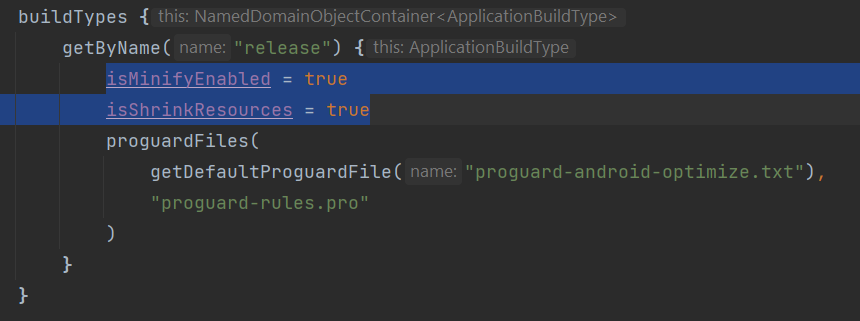
To all #AndroidDevs like me. Please make any optimizations only after testing the release build of your app with R8 enabled.
You'll be impressed by how much faster it runs in this mode. 🤯
@CharfaouiYounes@Nomns0 I think the matter is when you call the same use case in a different view model, you may forget to switch threads.
By injecting dispatchers to use cases you save the app from potential performance issues while still having the ability to override the dispatcher.
I recently messed up with my project, which made me learn two main lessons:
1. You should be confident about your code on every #git commit.
2. Each commit should have a single responsibility, which prevents you from adding another feature until the previous one is not finished.
@CharfaouiYounes Interesting, I didn't really think of it this way. But when it comes to junior devs I wonder if it's more beneficial for them to invest time in reading books and doing other activities that increase their horizon. And focus on improving in the area they specialize in.
But when it comes to CPU-intensive tasks, it's not clear on what level it should be done. In the end, I came to the conclusion that it's fine to switch threads in use case classes.
Promising something is great for accountability, but we risk sharing unrealistic plans. And it will not serve good. Since I feel like I'll manage without extra accountability, I'd better stay silent and let actions speak louder than words!