It's been fun today having random friends report hearing @IfBooksPod talk about my book on their most recent episode! Thanks to @RottenInDenmark and @The_Law_Boy for the shoutout! Or, um, to translate that into language more appropriate here: thanks for your words of affirmation!
Episode 12: The 5 Love Languages
If you want the key to love, it's simple: figure out what love language your partner speaks, and then rigidly adhere to traditional gender roles.
https://t.co/oXUd9GYfFm
I couldn't be more excited to be working with this remarkable advisory board--including @RMarieGriffith, @pharvey61, @fhinojosa956, @janehongphd, @atarango1, @DanielVacaIII, @AOghoghomeh, and more--on @eerdmansbooks's expanding history program. More here: https://t.co/wSqGwhHcG4
My latest piece for @Cosmopolitan was a fun one — I dove deep into the world of Amish romance novels and Christian publishing, where a chaste, gendered way of life reigns. https://t.co/shzpRGO1Pz
It was fun talking to @MollLongman about Amish romance fiction—a popular genre built fundamentally on non-Amish readers’ nostalgia for an imagined time and place where whiteness and traditional gender ideologies make life seem alluringly uncomplicated.
an absolute banger today from @MollLongman--a very fun dive into the weird allure of amish romance novels, which have been lurking on bestseller lists for the last 25 years https://t.co/uqZrZhJu5h
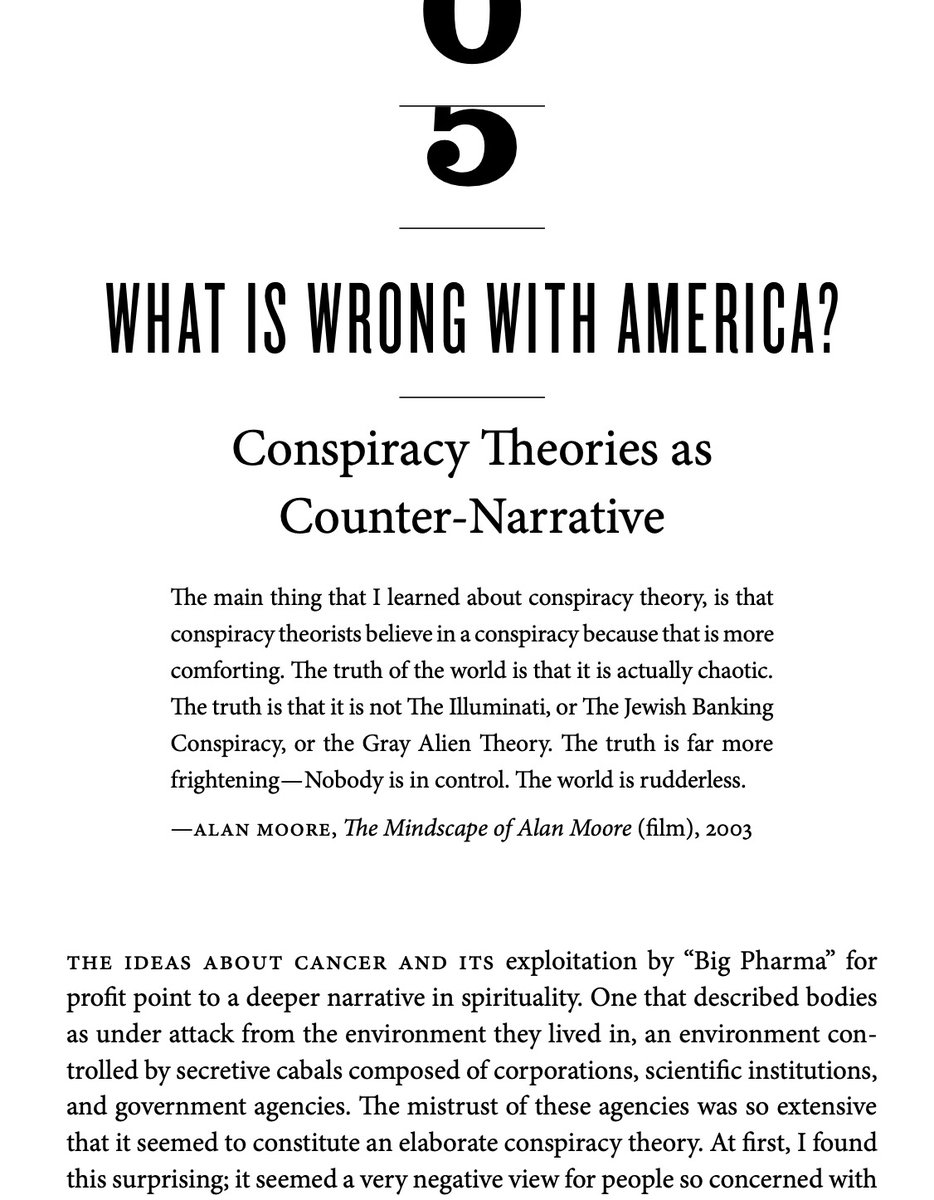
Dispatches from class prep: reading @SusCrockford's book and its chapter on conspirituality. It's such an insightful take on the compatibility between conspiracy theories + spiritualities—and also a really helpful approach to concepts/cultures of "spirituality" in general.
Reading @sarahedees's "Before and Beyond the New Age: Historical Appropriation of Native American Medicine and Spirituality" & teaching it in my spirituality class tomorrow. Such a good overview on appropriation + a helpful case study. Check it out! https://t.co/OBnmhQ1ItD
Here's me on why supply/demand/markets have been bad metaphors for religion, with shout outs to scholars who have modeled more generative approaches to the study of religion+economy—like @FinbarrCurtis, @CurtsKati, @lhulseth, @lauramctighe, and others! Check out the whole series!
@drleahpayne Honored by this too! Reading your book now, and thanks for engaging mine! It’s on the syllabus for my “Money, Media, and Religion” class this semester; maybe I will take inspiration here and humbly assign a chapter from Evangelicals Incorporated alongside it.
The essay developed as I tried to find a way to talk about this wild chart that Roger Babson made early in the 20th c. Thanks to American Religions folks at UChicago (@hannahozmun) and Princeton (@JLWeisenfeld) for feedback on early drafts of this! /4 https://t.co/iwjEljtOyS
I've been writing about the financial guru Roger Babson, and I'm obsessed with this zany chart he made in the 1930s, to show what he saw as the codependence of religious and economic depressions/expansions. As @MCHammer noted 60 years later, "We gotta pray just to make it today."
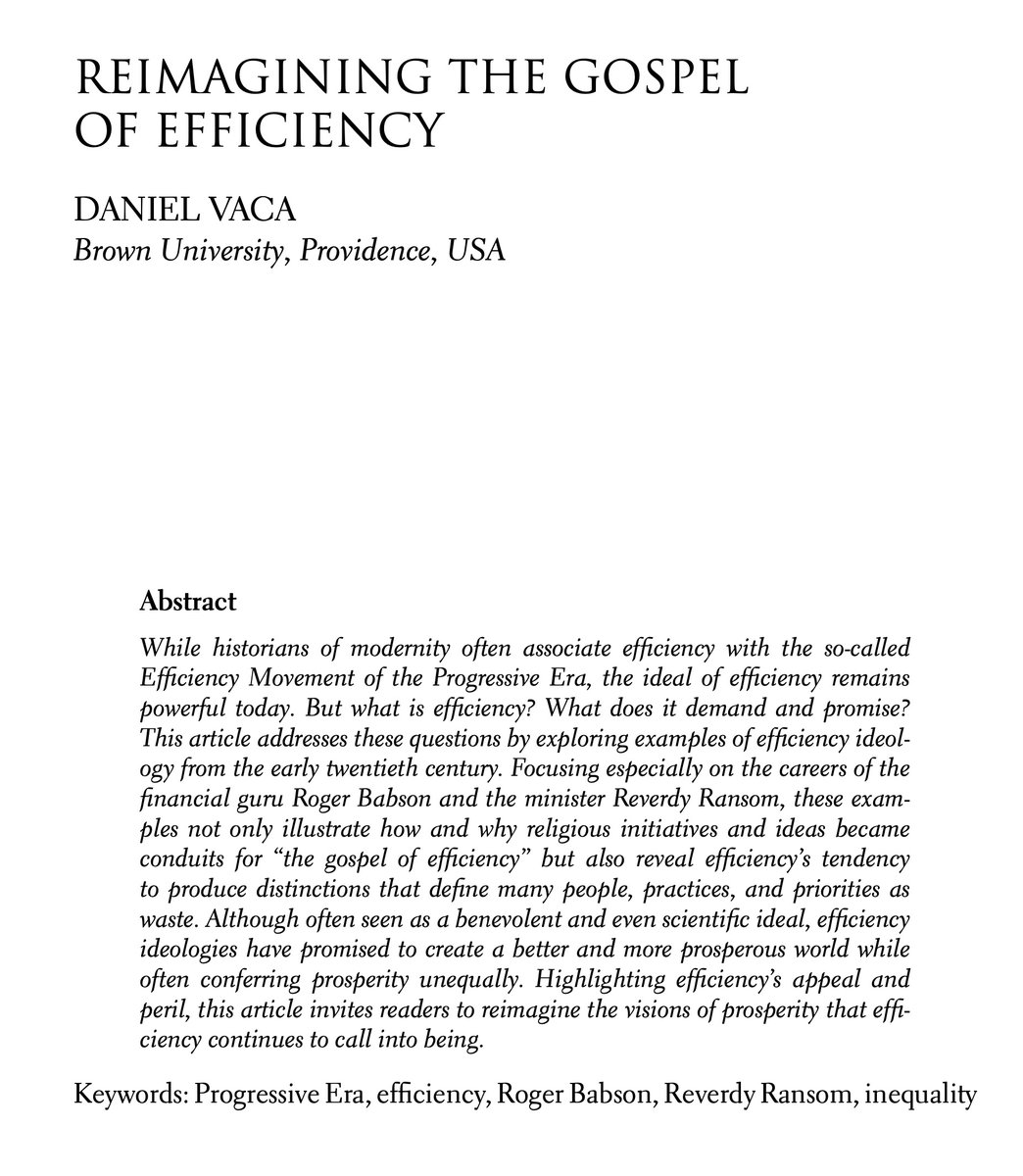
Do you ever feel inefficient? Do you hate that you feel bad about that? If you, like me, answer yes to both questions, I'd love for you to check out my new article in @AmRelJournal. Here’s the title page and abstract! (Link in the thread.)
Also ask your library to subscribe to @AmRelJournal! Such a great publication. There's a really fascinating forum in this issue about religion and AI. Thanks to its all-star editors, @Prof_girlfriend and @mcharriss, for their great work on this! /3
Kicking off the New Year with our "Retelling U.S. Religious History" series:
Melissa Borja's introduction on the history and future of scholarship aimed at telling (and retelling) American religious history.
https://t.co/BcyJe8E2pU