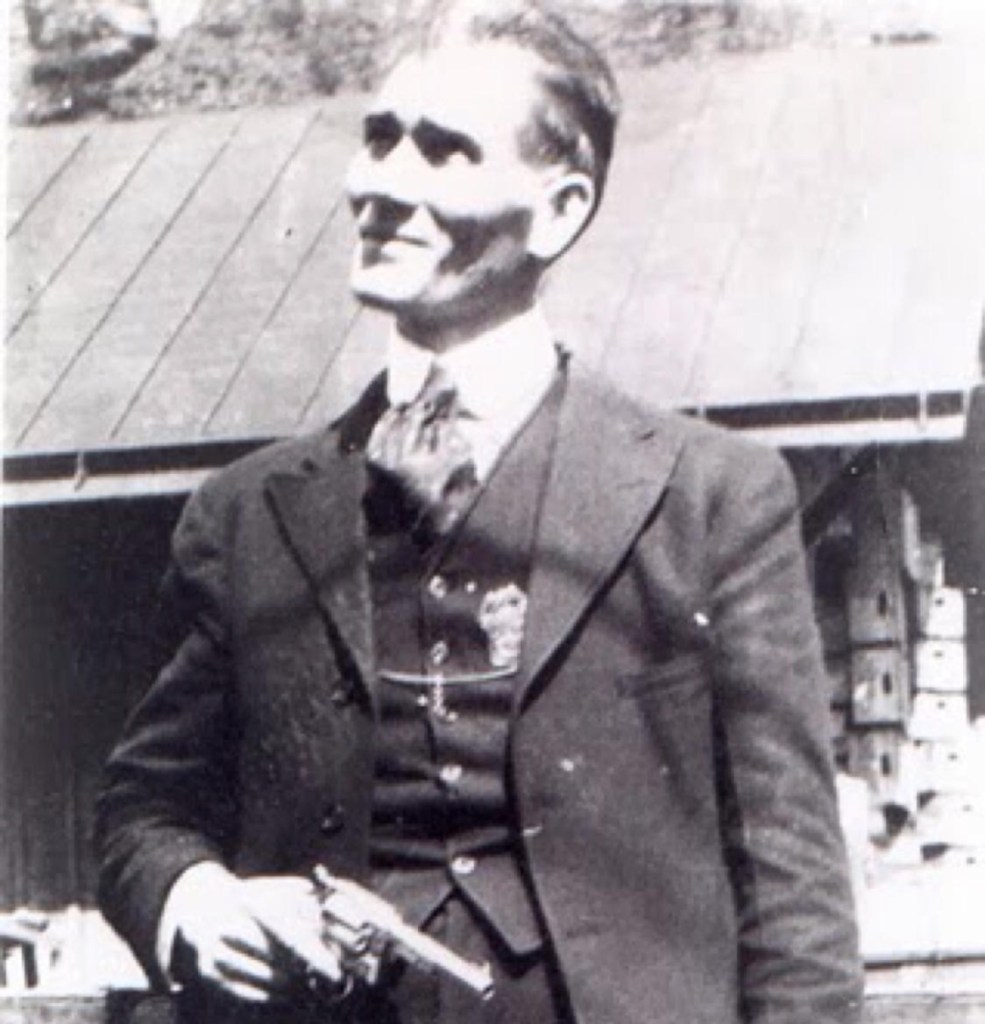
#OtD 19 May 1920 a shootout took place in the town of Matewan, WV between striking miners and private detectives, who had arrived in town to evict miners' families. Seven detectives, one bystander and two miners were killed. More info in our podcast: https://t.co/D2AcAan9KR
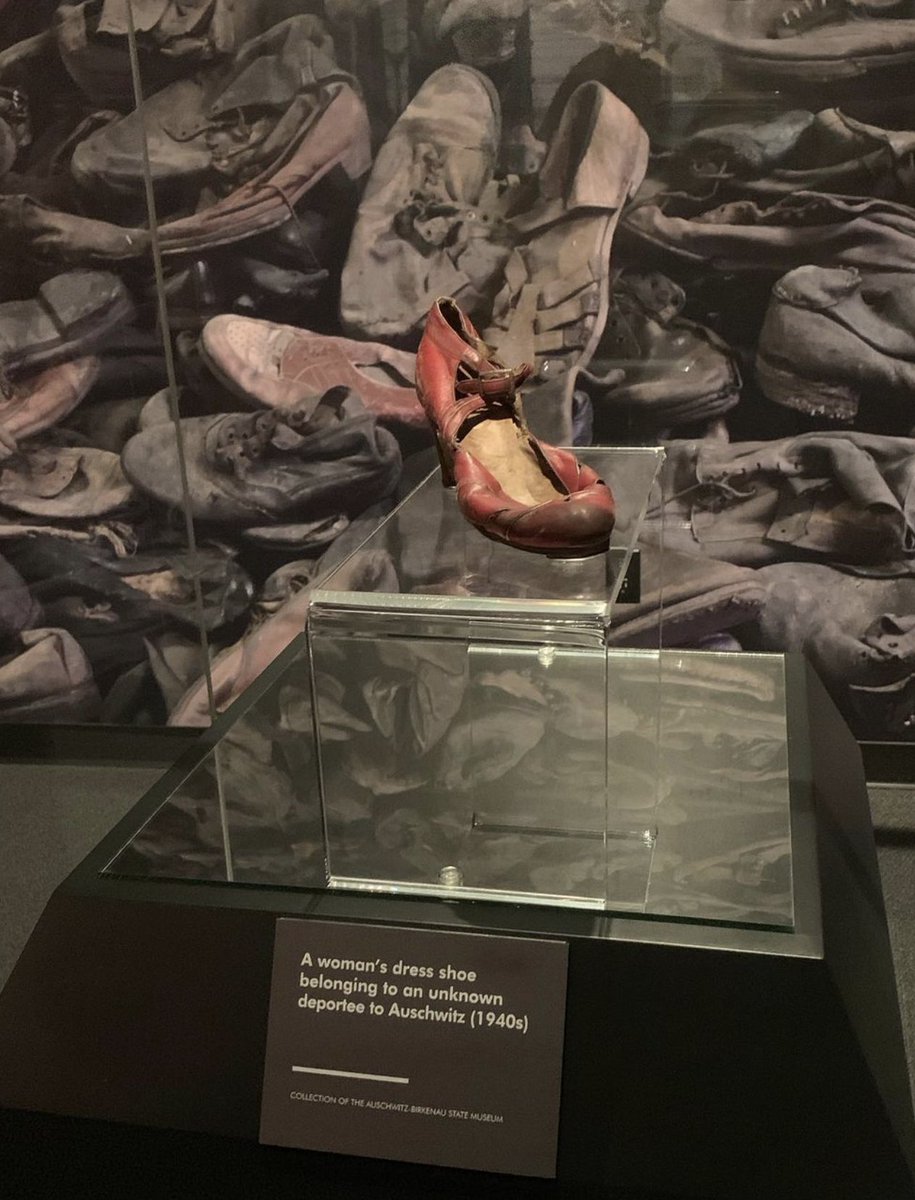
"Remember, it didn’t start with gas chambers. It started with politicians dividing the people with ‘us vs. them.’ It started with intolerance and hate speech, and when people stopped caring, became desensitized, and turned a blind eye, it became a slippery slope to genocide".
@DerekHolly7 Tá gné amháin den tuairisc sin a chuireann isteach orm agus sin an ceannlíne. Tá go leor pointí dearfacha san alt ach roghnaigh siad gné diúltach le ceannlíne a chruthú. Nós Gaelach bheith diúltach?
@BridMcGrath@rtenews Ach caithfidh siad "spin" diúltach a chur ar rud ar bith a bhaineann leis an Ghaeilge. Tá go leor fíricí dearfacha san alt féin ach roghnaigh siad gné amháin diúltach le ceannlíne a chruthú.
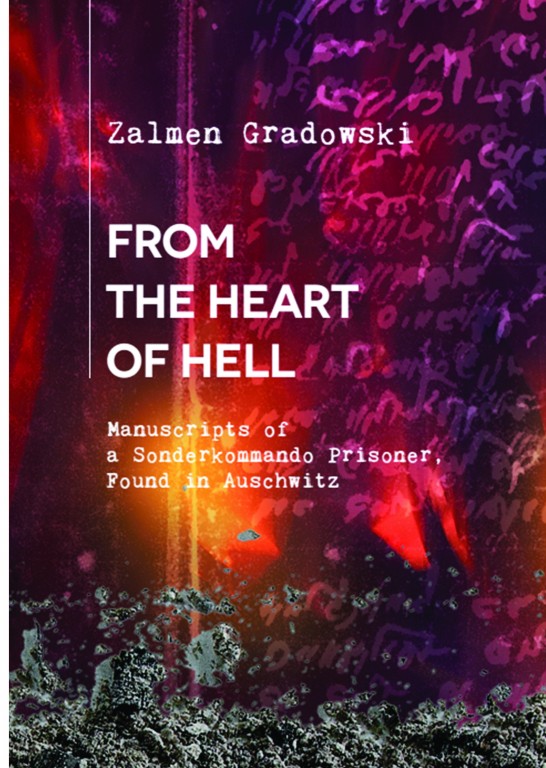
Book: "From the Heart of Hell. Manuscripts of a Sonderkommando Prisoner, Found in Auschwitz" by Zalmen Gradowski
This is the full, unabridged testimony of Auschwitz Sonderkommando prisoner Zalmen Gradowski, which was secretly written in the camp and buried in the ground. The publication contains all of Zalmen Gradowski’s known writings. It has been translated from Yiddish to English and includes annotations by historians from the Museum.
Buy the book: https://t.co/oZVDlL3zuk
In December 1942, Zalmen Gradowski, a young Jewish man with literary talent, was deported by the Germans from the Grodno ghetto to Auschwitz. He arrived there with his closest relatives, including his parents and wife. His family were all murdered in the gas chambers immediately after their arrival at the camp. Zalmen was sent to the very heart of hell – to the Sonderkommando.
Prisoners of the Sonderkommando, mainly Jews, were forced to work at the gas chamber and crematoria buildings, where they removed corpses, extracted gold teeth, cut the victims’ hair that was sold by the camp to German textile manufacturers, cleaned the gas chambers after the murders, and burned the corpses in crematoria ovens as well as outdoor burning pits.
Wanting to preserve the memory of his nearest relatives, and to inform the world about the extermination, Gradowski began to secretly write his testimony in Auschwitz. This manuscript is an extraordinarily comprehensive literary record of the tragedy that befell the Jewish people during Second World War. It is written in a passionate, at times poetic, language.
Gradowski was killed at Auschwitz II-Birkenau most probably during the revolt of the Sonderkommando on 7 October 1944. His manuscript survived hidden in the ground and was discovered soon after the war near the ruins of gas chambers at Auschwitz II-Birkenau. It is above all the priceless testimony of an eye witness to the genocide at Auschwitz.
Bhí mé ag amharc siar ar ghrianghraif a ghlac mé ar Lá Mór na Gaeilge i mBaile Átha Cliath 2014. Bhí an grianghraf seo ina measc. Sílim gur mar seo a ba mhaith le Rónán go mbeadh cuimhne ag daoine air.
#DornSanAerDoNaGaeil