The story of the Afari Military Hospital is one of grand vision meeting years of inexplicable abandonment. Conceived and launched in March 2014 by the administration of President John Dramani Mahama, this 500-bed facility was intended to be a state-of-the-art medical hub for both our military and the civilian population in the Ashanti Region. By the time the NDC handed over power in January 2017, the hospital’s structural and architectural works were already over 80-90% complete, placing the project well on track to revolutionize healthcare delivery in the region.
However, the eight years that followed under the NPP administration represent a tragic chapter of neglect. Despite inheriting a facility that was nearly finished, the previous government allowed it to sit idle, gathering dust and deteriorating while critical equipment was left to expire or was lost to theft and vandalism. Even more alarming was the "political theatre" and misinformation; the public was often misled with claims that the hospital was fully completed or ready for operations, while the site had been abandoned and project budgets were repeatedly stripped away. Valuable medical equipment was left to languish at the ports ; racking up massive demurrage charges until much of it was eventually auctioned off; a devastating waste of taxpayer resources.
Today, the narrative is finally changing. Since returning to office in 2025, the current administration has made it a top priority to rescue the project from this decade of mismanagement. By conducting a thorough technical audit to assess the damage caused by years of abandonment and re-engaging contractors to clear the arrears left behind, the government is moving with urgency to turn things around. While the facility currently stands at approximately 60% overall completion, with civil works advanced to 97%; the remaining 5% of technical installations are now the focus of intense work. By prioritizing transparency and fiscal responsibility over the empty promises of the past, this administration is ensuring that the Afari Military Hospital will finally transition from a stalled political relic into the life-saving reality our people have waited for far too long.
#AfariMilitaryHospital #MahamaWorks #GhanaHealth #InfrastructureDevelopment #Accountability
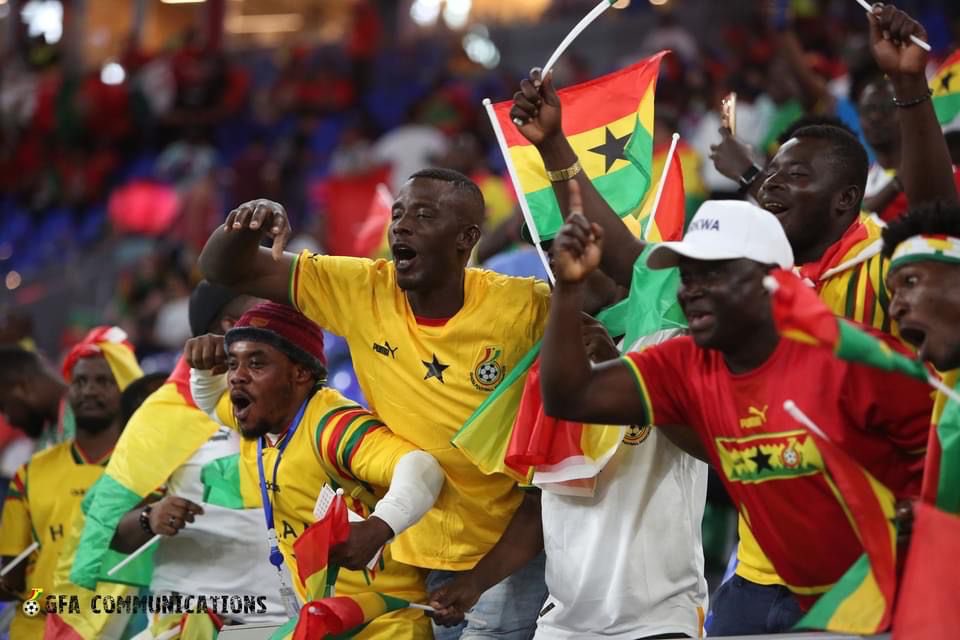
The energy here in Kumasi is unmatched today; you can feel it in every corner of the Garden City, from the busy streets of Bantama to the buzzing hubs around Kejetia. Everyone is counting down the minutes until 11:00 PM when our Black Stars take on Panama in Toronto. The feeling on the ground is pure confidence; we know exactly what our boys are capable of, and after watching their preparation, there’s a shared belief that we are going to dominate this match from the first whistle.
Panama might have their plans, but they’ve never faced the unique, gritty, and technically gifted brand of football that Ghana brings to the table. We’ve got a squad that is hungry to make a statement, and the way they’ve been training shows they are sharp, cohesive, and ready to remind the world why Ghana is a true footballing powerhouse. We aren't here to just take part; we are here to show everyone that the dream of bringing glory home is very much alive.
We’ve seen the hard work invested in this campaign, and tonight, that’s going to translate into pure dominance on that pitch. The tactical discipline our boys have shown means we aren’t just looking for a win, we’re looking to make a statement victory that sets the tone for the entire tournament. When that final whistle blows, Panama will know exactly what hit them.
Let’s turn up the noise, get the jerseys on, and cheer our boys to a resounding, hands-down victory! Kumasi is ready, the team is ready, and tonight, those three points are coming straight home.
Go, Black Stars! Let’s show them what we’re made of! 🇬🇭⚽🔥
#GhanaBlackStars #WorldCup2026 #Kumasi #GhanaVsPanama #BlackStarsToWin
Ghana’s journey toward food security just hit a major milestone. Launched by President @JDMahama on April 12, 2025, in Techiman, the Feed Ghana Programme (FGP) is our national blueprint to move from struggling with a $2 billion annual food import bill to becoming a self-sufficient agricultural powerhouse.
This isn't just about farming; it's about modernization. By prioritizing staple crops like maize, rice, and soya beans, the FGP is using science and data to change the game.
A standout achievement so far has been the upgrade of soil testing laboratories nationwide. We’ve moved past the days of "blanket" fertiliser use; where farmers wasted money on nutrients their soil didn't need, to a smarter, data-driven approach that cuts costs and boosts yields.
Today, June 16, 2026, the government is putting more tools directly into the hands of our farmers by commencing the distribution of 40,000 bags of fertiliser and deploying high-tech agricultural drones. These drones are a gamechanger, enabling precision spraying, field mapping, and early detection of pests and diseases; giving our smallholder farmers the same technological edge as large-scale commercial operations.
By collaborating with the Peasant Farmers Association of Ghana to ensure these resources reach the right people through a verified database, the administration is proving that transparency and efficiency are the new standard.
This is more than just an input supply project; it’s a strategic effort to lower food inflation, create jobs for our youth, and build an economy where Ghana finally feeds itself.
It’s exciting to see this vision coming to life.
#FeedGhana #MahamaWorks #GhanaAgriculture #SmartFarming #FoodSecurity
President John Dramani Mahama’s recent state visit to Belarus is a masterclass in strategic, results-driven governance. While some might see it as just another diplomatic trip, it is, in reality, a surgical move to secure the machinery and technical expertise Ghana needs to turn our Agri Connect Compact into a reality.
At the heart of this visit is a simple, bold ambition: to move Ghana from subsistence farming to high-tech, mechanized agribusiness. Belarus is a global powerhouse in agricultural machinery, and the agreements signed during this visit, including a pact for 1,840 pieces of state-of-the-art farming equipment; mean that our farmers will finally have the tools to scale up production, reduce post-harvest losses, and cement our food security.
Why Belarus? Because they aren't just selling us tractors; they are committing to a long-term partnership. We are talking about the establishment of local service centres, spare parts warehouses, and, most importantly, the training of Ghanaian specialists. This is about building a sustainable ecosystem, not just making a one-off purchase. By aligning with Belarus, the government is filling a critical gap in our industrialization roadmap, ensuring that our $3.5 billion Agricultural Transformation Plan has the physical infrastructure to succeed on the ground.
This visit reflects the deeper vision of the Mahama administration: finding reliable partners who can help us modernize our economy. From agriculture and education to energy and manufacturing, the three MoUs signed in Minsk are designed to move us away from raw material exports and toward a value-added, industrial economy. It is a proactive, forward-looking strategy that recognizes that for Ghana to thrive in 2026, we need to look beyond traditional borders and forge partnerships that bring real technology transfer and tangible jobs to our youth.
As we continue to roll out the 24-Hour Economy and modernize our production sectors, this trip stands as proof that this government is not just talking about development; we are going out and securing the partnerships to make it happen.
Picture credit: Office of the president @JDMahama@JoyNewsOnTV@tv3_ghana@NDC360official
#GhanaBelarus #MahamaWorks #AgriConnect #ModernGhana #EconomicTransformation
The Black Stars are set to embark on their fifth FIFA World Cup campaign, a testament to Ghana's enduring pedigree on the global stage. From our historic debut in 2006 to the legendary 2010 quarter-final run, where we stood as Africa’s sole representative among the final eight, Ghana has consistently demonstrated that we belong among football's elite. Legends such as Stephen Appiah, Asamoah Gyan, and Michael Essien wore the national jersey with pride, and today, a new generation of stars continues that proud legacy.
True leadership is about stewardship, and the NDC has always prioritized the welfare of Ghana’s football ecosystem. Even during challenging periods such as the COVID-19 pandemic, the NDC-led administration ensured that vital financial support reached clubs to help sustain the industry. This stands in sharp contrast to the opaque practices often associated with the NPP, including the 2014 period when conflicting and undisclosed budget figures for the Black Stars left both Parliament and the public in the dark.
President John Dramani Mahama’s recent position on the 2026 FIFA World Cup reflects this culture of accountability. By rejecting the fiscally irresponsible proposal to mass-transport supporters at an estimated cost of $11,000 per person, the President has chosen prudence over political optics. Instead, his government is focusing on practical support by securing tickets for Ghanaians in the diaspora to rally behind the team in Canada, the United States, and Mexico.
This is the kind of prudent, results-oriented governance that safeguards the public purse while continuing to support our national team. It reflects a commitment to ensuring that public resources serve the people rather than fund unnecessary extravagance. As we look ahead to the opening match against Panama on June 17, we can take pride in leadership that is transparent, disciplined, and focused on delivering genuine success.
@GhanaBlackstars
#GhanaBlackStars #WorldCup2026 #FiscalDiscipline #MahamaWorks #GhanaFootball
President @JDMahama ’s latest announcement underscores his administration’s commitment to accountability, performance, and good governance. The decision to undertake a comprehensive review of ministers and heads of state institutions reflects an understanding that regular performance assessments are essential to ensuring government officials deliver results that meet the expectations of the Ghanaian people.
The reshuffle is aimed at strengthening the effectiveness of government by retaining, reassigning, or replacing appointees based on their contributions and performance. Such measures can help inject renewed energy into public service and ensure that leadership remains aligned with the nation’s evolving priorities.
Equally significant is the directive barring ministers and political appointees from accepting awards from private organizations. This move seeks to safeguard the integrity of public office by addressing concerns about the credibility and transparency of some award schemes. By eliminating potential perceptions of bias or undue influence, the administration is reinforcing public confidence in the objectivity and professionalism of government officials.
Together, these decisions signal a focus on efficiency, transparency, and service delivery. A results-oriented government team, coupled with stronger ethical standards, has the potential to enhance public trust and accelerate national development initiatives. These actions demonstrate a willingness to make difficult decisions in pursuit of a more accountable and effective government for all Ghanaians.
#GhanaPolitics #Accountability #Leadership #GoodGovernance #GhanaWorks
With health security threats rising across the continent, Ghana is demonstrating the difference between reactive panic and proactive governance.
While other nations struggle to contain outbreaks, our current administration has moved with precision to ensure our borders remain a fortress against the spread of Ebola.
From the moment the warning signs appeared, the Ministry of Health, under clear presidential directive, tightened surveillance and screening protocols at every major entry point, including Aflao and Elubo.
Deputy Minister Dr. Grace Ayensu-Danquah has been on the frontlines conducting field assessments, ensuring that our isolation centers are not just operational, but ready for any scenario. This government is not waiting for a crisis to react; we are investing in the logistical infrastructure, PPE, and personnel training required to keep every Ghanaian family safe.
By treating public health as a cornerstone of national security rather than a seasonal concern, this administration is proving that experience and steady leadership are what keep our nation resilient in volatile times.
#GhanaHealth #EbolaPreparedness #PublicHealth
The recent industrial action at Komfo Anokye Teaching Hospital reminded us that true leadership is tested not by crisis, but by how quickly it is resolved through dialogue. When staff downed tools following the CEO's suspension, the government did not resort to threats or silence; instead, the Ashanti Regional Minister, @DrAmoakohene , immediately led high-level negotiations to restore calm and protect patient care.
This was a decisive move to address the root cause; the chronic congestion at KATH; by accelerating the operationalization of vital new facilities at Afari, Trede, Oforikrom, and Sewua. By prioritizing these satellite hospitals, the administration is decentralizing healthcare to ensure no single facility is overwhelmed and our health workers are supported.
Today, as clinical services resume, we see a government that chooses stability over discord. It is a clear commitment to a resilient, sustainable health sector.
#GhanaHealth #KATH #AshantiRegion
#komfoanokye
#kath
#health
While some prefer to focus on the noise of industrial disputes, this government is focused on results. From the successful de-escalation at KATH to the iron-clad health surveillance at our borders, we are proving that proactive leadership makes the difference in protecting Ghanaian lives.
#GhanaWorks #ProactiveLeadership
@ndccommbureau@NDC360official@tv3_ghana
The events of June 3, 2026, which saw Accra submerged under torrential rains and rattled by a series of fire outbreaks at the Accra Central Police Barracks and key markets, served as a painful reminder of how fragile our capital remains. As residents in areas like Adenta and Kaneshie struggled against the rising waters, many could not help but reflect on the eleven-year shadow cast by the June 3, 2015, tragedy. This anniversary has reignited the national conversation on urban planning and government accountability. For too long, the management of Accra’s floods was reduced to political theatrics, with the previous NPP administration often failing to move beyond reactive statements when disaster struck. During their tenure, there were instances where public officials offered disheartening rhetoric, seemingly downplaying the severity of the infrastructure decay or shifting blame onto the citizenry, while critical projects like the dredging of the Odaw River faced systemic delays and funding bottlenecks. This period was characterized by a lack of sustained attention to the long-term engineering solutions required to solve the structural causes of flooding, leaving the city’s drainage systems increasingly overwhelmed by rapid urban development.
In contrast, the current government has demonstrated a more methodical and proactive approach to urban disaster resilience. By moving away from the past era of political negligence, current interventions are prioritizing substantial infrastructure investments, such as the consistent dredging and desilting of major drainage arteries and the deployment of advanced early-warning systems designed to reach the most vulnerable communities before disaster occurs. The focus has shifted from the mere distribution of relief items to an integrated strategy that seeks to restore the capacity of our natural waterways. While the scale of Accra’s challenges is immense, these strategic efforts represent a genuine commitment to addressing the legacy of systemic neglect inherited from the past. By treating the protection of lives and property as a matter of national security rather than a seasonal public relations exercise, the government is building a framework for a more resilient capital, ensuring that the annual cycle of destruction is met with structural strength rather than hollow apologies.
@JoyNewsOnTV@ndccommbureau@NDC360official
The stability of our national power grid is not just a policy target; it is the lifeblood of our homes and the engine of our industrial growth. As we navigate the demands of a modernizing economy, the government’s strategic push to fast-track the new Conventional Buoy Mooring (CBM) system at the Tema Port stands out as a vital project for our collective future.
This infrastructure is the missing link in our petroleum supply chain. Currently, Ghana relies heavily on a single primary mooring system for the discharge of gasoline and diesel. This over-reliance creates a dangerous bottleneck, where any maintenance or technical delay forces vessels to remain offshore, piling up demurrage costs and threatening the consistency of fuel supply to our thermal power plants. By completing this second mooring facility, we are essentially building a strategic shield against energy disruptions.
The benefits of this project are clear and far-reaching. Beyond simply ensuring that our thermal plants which are critical to national power generation receive a steady stream of fuel, this facility will drastically reduce vessel waiting times and lower the operational costs of fuel imports. This is not just about logistics; it is about reducing the inefficiencies that have historically contributed to the instability in our power supply. When our supply chain is resilient, our businesses in Tema, Kumasi, and beyond can operate with the confidence that the lights will stay on.
President John Dramani Mahama has consistently emphasized that this administration is focused on sustainable development that builds on our strengths rather than patching over failures. This mooring project, alongside other major investments like the upcoming 1,200MW state-owned thermal power plant, demonstrates a commitment to long-term energy independence. By transitioning toward reliable, domestically supported infrastructure, we are ensuring that Ghana remains an attractive destination for private capital and industrial investment.
Ultimately, this is a matter of national interest. Whether you are an industrialist looking for stable power to run your factory or a household head managing the daily needs of your family, the completion of the Tema mooring system is a project we must all support. It is a bold, necessary step toward the energy-secure, industrialized Ghana we are all working to build together.
#ghana #southafrica
#energy
@tv3_ghana@NDC360official@ndccommbureau@JoyNewsOnTV@DrAmoakohene
Ghana’s history with South Africa is one of brotherhood. In our darkest days, we stood with them, offering safe haven to freedom fighters, training their youth, and spearheading the global fight against apartheid. We opened our homes and shared our bread when the world turned its back on them.
Yet today, that solidarity has been met with shocking xenophobic violence.
Watching our brothers and sisters subjected to intimidation, assault, and forced displacement in South Africa is heartbreaking and unacceptable. It is a betrayal of the Ubuntu philosophy they claim to hold dear. When nations prioritize scapegoating over Pan-African unity, it is not only their humanity that suffers, but also their economy.
The Ghanaian government has acted decisively by initiating the repatriation of our citizens and demanding accountability at the AU level. We will not sit idly by while our people are treated as outsiders on a continent we helped liberate.
Economic growth is not built on hatred or the exclusion of partners; it is built on collaboration. South Africa must do better. We demand justice for every Ghanaian affected and an end to this cycle of shame. Our dignity is not negotiable.
#GhanaSouthAfrica #StopXenophobia #PanAfricanism #ProtectOurOwn
@ghonetv@ndccommbureau@S_OkudzetoAblak@tv3_ghana