#Urgente PNP del régimen de Keiko-Boluarte se lleva a chico de la #GeneracionZ llamado Nicolás, y se encuentra desaparecido. Varios compañeros están buscándolo en diferentes comisarías sin encontrarlo
La dictadura está desatada
#PerúEnDictadura#DinaAsesina
🇵🇸 ”Estamos asistiendo a un genocidio en vivo y en directo”
El entrenador Pep Guardiola convocó a los habitantes de Cataluña a manifestarse hoy contra el genocidio en Gaza.
Más de un centenar de jóvenes de la Generación Z marchan hacia el Congreso. En plena cobertura, un policía mostró hostilidad contra la prensa: nos gritó “fuera” y nos mentó la madre. Así se trata a quienes informamos.
The so called "Tomb of Hector", reputed to belong to Hector, a Trojan hero from the Iliad; located in Cadianda, Üzümlü, Türkiye 🇹🇷. It is beginning to slide down hillside due to earthquakes....
Ophryneion or Ophrynium was an ancient Greek city in northern Troad region of Anatolia, Türkiye. The city was situated on the steep brow of a hill overlooking the Dardanelles, hence the origin of its Ancient Greek name ὀφρῦς (ophrus), meaning 'brow of a hill', 'crag'.
Ophryneion was supposedly one of a series of cities founded by Akamas, son of Theseus which he subsequently passed off as being founded by Ascanius and Skamandrios, sons of Aeneas and of Hector respectively. This story was taken from 2nd Century BC, scholar Lysimachus of Alexandria, who related it in Book 2 of his Nostoi, who in turn derived it from a late 4th Century BC, historian known as Dionysios of Chalkis. It has been argued that this tradition reflects a pro-Athenian bias, as it makes the founder of many places in Troad the son of Athens' most important hero, Theseus, while at the same time explaining away the fact that contemporary traditions made no mention of such a connection. By contrast with story of Ophryneion being founded by Akamas, which puts the city's origins in the period immediately following destruction of Troy, surface surveys conducted on the site suggest that it was occupied no earlier than 6th Century BC.
In antiquity, Ophryneion was considered to be site of tomb of Hector, famous Trojan hero killed by Achilles in Homer's Iliad. It is possible that a lost play of 5th Century BC tragedian Sophocles referred to this tradition, and it likewise appears to be referred to on a vase from 500–490 BC depicting sack of Troy. However, first secure reference to this tradition appears on the coinage of Ophryneion, 350–300 BC, which depicted Hector. After city of Thebes was rebuilt in 316 BC (it had been destroyed by Alexander the Great in 335 BC), bones of Hector were moved from Ophryneion to Thebes in accordance with an oracle which promised Thebes prosperity should this happen. In early 1st Century AD, geographer Strabo described there being a sacred precinct of Hector near Oryphneion in a conspicuous spot, but scholars have been unable to identify it.
Ophryneion is rarely mentioned in extant sources from Antiquity. Herodotus mentions that in 480 BC, Xerxes passed by his way up coast before crossing to Europe at nearby Abydos. Later that century, it was one of Actaean cities which Mytilene lost control of following the end of the Mytilenean revolt in 427 BC. An inscription from Athens dating to 414/413 BC which records property confiscated from Athenian nobleman implicated in mutilation of Herms, indicates that a relative of Alcibiades, Axiochus, earned revenues from land in the territory of Ophryneion. In summer of 399 BC, Xenophon stopped here to offer sacrifice while marching home with 10,000. Later in 4th Century BC, a speech of orator Demosthenes relates how a man who had been exiled from Byzantium, Parmeno, had decided to settle at Ophryneion, but was forced to move when an earthquake struck Chersonese and brought down his house, presumably causing similar damage in rest of town. Some time shortly after 316 BC, bones of Hector were moved from Ophryneion to Thebes, although Strabo's description of Hector's precinct at Ophryneion in 1st Century AD suggests that he was still worshipped there after his bones had moved. Strabo indicates that before Treaty of Apamea in 188 BC, Ophryneion had been under sway of Dardanus to north-east, whereas after this point it instead belonged to Ilium. Pot sherds and coins found at Ophryneion indicate that the site was continuously occupied until at least Byzantine period, but with exception of its fame as one-time location of the bones of Hector, we hear no more about it.
🎥 : Credit to the Owner
#archaeohistories
🚨🇮🇹 El periodista italiano Lorenzo Agostino confirma la T0RTURA a Greta:
—La humillaron, la envolvieron en una bandera israelí y la exhibieron como un trofeo.
—Tuve la sensación de estar en un lugar realmente bárbaro.
9 Policías detienen a conductor porque le cobró pasaje a una policía. Indican que no se identificó y vinieron siguiendo al transporte hasta Caquetá donde lo intervinieron
La PNP del régimen de Keiko-Boluarte además de sicarios, resentidos y miserables por 2 soles
#PerúEnDictadura
🚨La PNP ha quitado paquetes de agua, vinagre, cascos que era para la movilización de hoy, sin ninguna razón alguna en Plaza San Martín. Literalmente, se están ROBANDO las cosas.
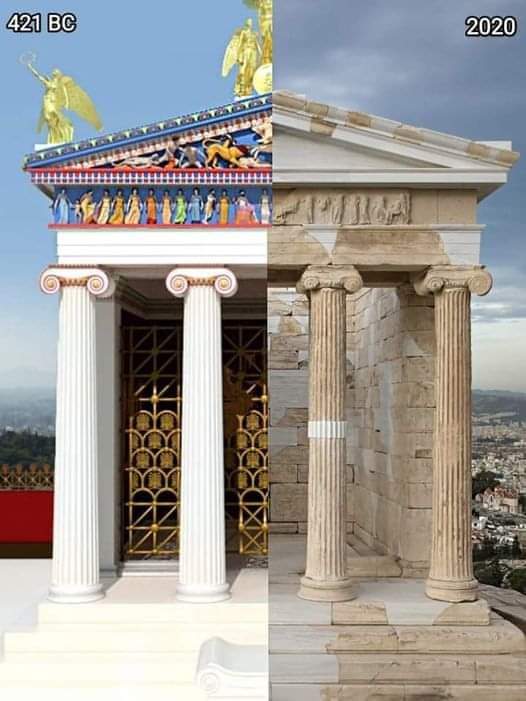
DOS DE LAS FOTOS QUE MÁS ME HAN IMPACTADO EN LA VIDA:
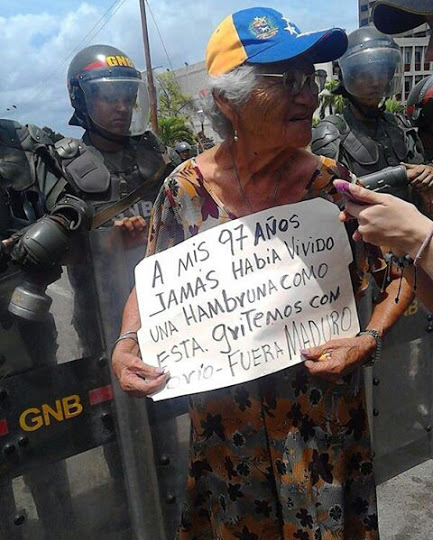
2.- UNA ANCIANA DE 97 AÑOS PROTESTANDO EN VENEZUELA POR EL HAMBRE Y LAS NECESIDADES QUE PADECE. DETRÁS, EL PODER REPRESIVO DEL RÉGIMEN DICTATORIAL
Archaeologists uncovered 10 remarkably preserved crocodile mummies, likely over 2,500 years old, inside an untouched Egyptian tomb at Qubbat al-Hawa on the Nile’s west bank. The find, made in 2019 by a University of Jaén team, offers rare insight into rituals honoring Sobek, the fertility god.
Unlike earlier finds, these mummies were not embalmed with bitumen, allowing scientists to study their bones—and in one case, preserved skin—in detail. The tomb’s intact state makes this discovery exceptional, revealing crocodiles once sacrificed, used as food, and valued for their fat in medicine.
#archaeohistories
𝗗𝗲𝗹 𝗴𝗼𝗹𝗮𝘇𝗼 de Ronaldo Rodríguez 🫂 hacia la gloria 🏆
Así fue el día soñado de la selección de Táchira (@asofuttachira) para quedarse con el trofeo de los 𝗝𝘂𝗲𝗴𝗼𝘀 𝗡𝗮𝗰𝗶𝗼𝗻𝗮𝗹𝗲𝘀 𝟮𝟬𝟮𝟱 🇻🇪
#SiempreVinotinto
Me agrada la gente que piensa que conspiro contra ellos o que hablo de ellos o que tengo algún plan en su contra. La gente que piensa que no le quise responder un mensaje o que no quiero hablarle. Me hacen sentir súper inteligente y malvado, en lugar de un despistado ingenuo.
⸻
🚨 La cruda realidad de los jóvenes trabajadores: esto es lo que ganan en una quincena… y esto es lo que les queda después de pagar unas pocas necesidades básicas.
⚠️ Ni comida, ni servicios, ni transporte… porque si los sumara, quedaría debiendo.
💔 Trabajar duro ya no alcanza. La precariedad se ha vuelto parte de la vida cotidiana mientras unos pocos disfrutan lujos impensables.
📢 Basta de normalizar esta injusticia: el esfuerzo de la gente trabajadora no puede seguir valiendo tan poco. ¡Exijamos condiciones dignas y salarios justos!