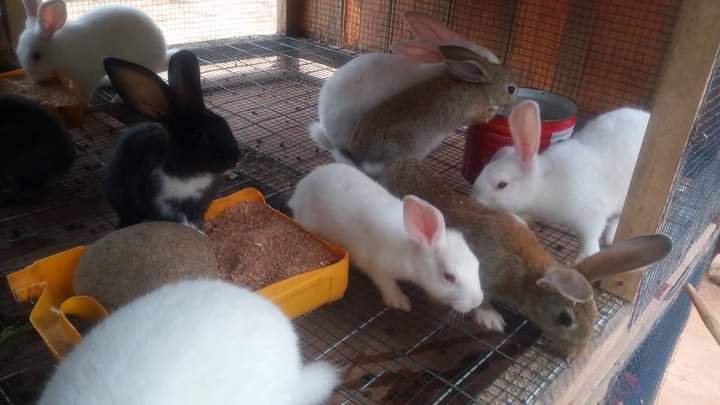
An Organic Rabbit rearing Farm stocked with healthy breeds of Rabbits for your consumption. Keep trusting us for your supply and we will deliver on time.
So upon all the various Rabbit farmers and Farms in almost every locality in Ghana, region or District, *why is Rabbit Meat not still popular on the market?*
What are we doing wrong or right?
Can we find time to discuss or reflect on this?
@KinaataGh@Nwanwanii@GhanamanTips
@kofigabs But what is wrong with what he is saying?
Loads of PhDs in Ghana. Even our Universities can't even develop Agric machines for local usage unless we import.
However, cassava peels are very high in cyanide, which can be toxic to rabbits in large amounts. Therefore, it's important to feed cassava peels in small amounts and make sure it's well dried to reduce the cyanide before giving it to them.
Cassava peels is healthy supplement for rabbits in moderation. Cassava peels are high in fiber, which is essential for a rabbit's digestive system. They also contain vitamins and minerals like vitamin A, vitamin B, and potassium.
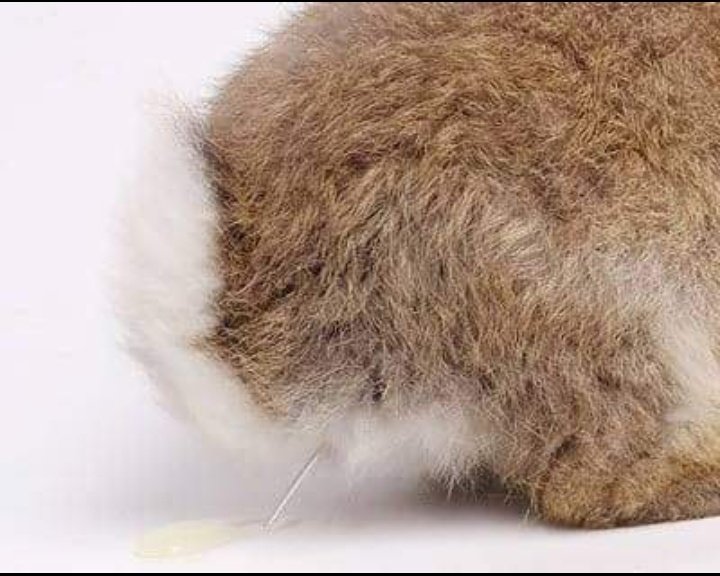
- Orange urine:If your rabbit’s pee looks orange, it may be dehydrated. Check that your pet is drinking enough water. If your rabbit is dehydrated, its urine becomes much more concentrated. Pigments staining your pet’s urine may also cause this shade.
RABBIT URINE COLOUR CHART
-Bright Yellow urine: means that your Rabbit is healthy. It is eating and drinking well, and seemingly has no health concerns.
- Milky Yellow urine: Rabbit urine that’s a milky yellow shade is the first warning of calciuria.
@kwame_abide#rabbitmeat
In our own country and cuz of greener pastures our youth stand in the rain just for visa? How?
Isn't there any shed made for applicants to sit under and wait for their turn?
Why do foreign Embassies treat us this badly ...
This is the American Embassy... how long will this continue???
Actually, it was drizzling when this pick was taken ....
#EmbassiesInGhana#Visas
.@metrotvgh
"Rabbits have the potential of being the most profitable livestock to raise in modern-day farming. They grow fast, gain maturity in about 5 months and give birth after every 2 months giving birth to 2-8 kittens."