@NatureUnedited Foxes and badgers frequently share the same underground burrow systems (setts) and will even tolerate eating near one another. However this cohabitation isn’t always peaceful, they are deeply competitive and are known to occasionally prey on each other's young
This fully black tortoise is an example of Melanism, where a genetic mutation causes an animals cells to overproduce melanin the pigment responsible for dark hair/skin. This is in contrast to conditions like Leucism or Albinism which result in a reduction in melanin or its complete absence!
The unusually dark coloration seen in some Galápagos tortoises is caused by genetics and pigmentation, giving them a striking black appearance compared to more common brown or gray individuals
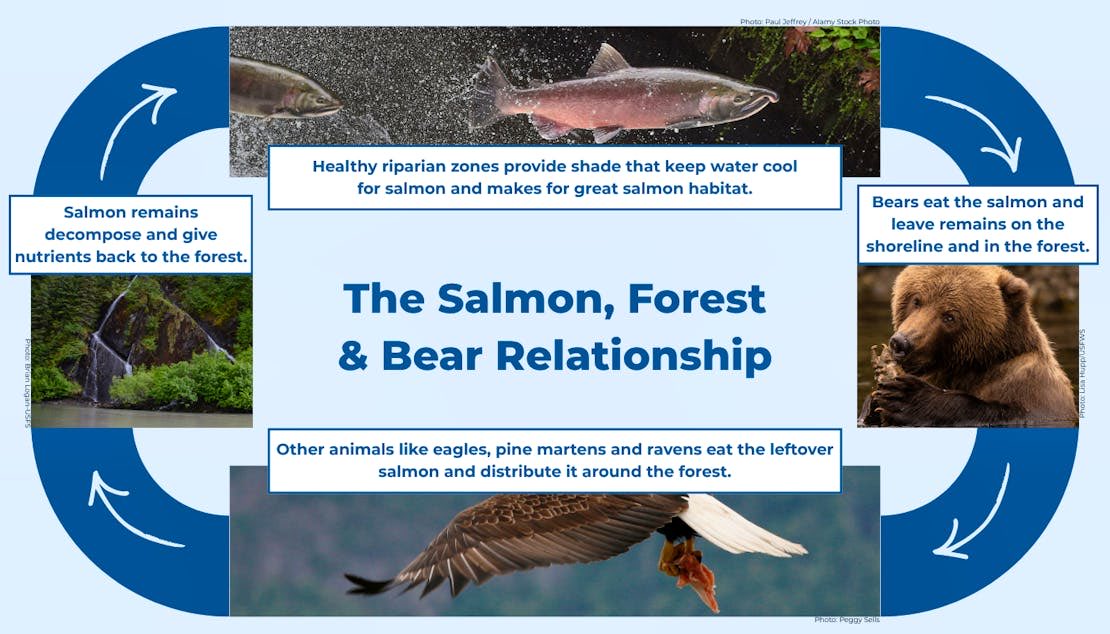
A little know fact, salmon runs provide much needed nitrogen to the forests surrounding rivers. Bears and other animals catch and eat the salmon, resulting in the leftover carcass being distributed across the forest floor. These remains decay and provide fertilizer to trees and other plant life.
@NatureUnedited These are American Woodcocks, also known as Timber-doodles. They “Dance” to create vibrations in the ground and attract worms to the surface to eat.
@earthcurated Prehistoric Bison were even larger than the ones we see today. This include the Steppe Bison that lived across Europe, Northern Asia, and migrated into North America evolving into the modern day American Bison
Happy National Hamburger Day! While many people associate it with the USA or even Germany, this classic sandwich actual originates from Russia. It probably had very different toppings back then such as beets or cabbage. How are you celebrating?
Snakes are cool. If you see one in your yard or in the wild, watch from a distance. Most snakes only bite when disturbed or cornered, and they would much rather save that venom for their prey. They also help keep the pest population down by eating rodents, insects, and even other snakes!
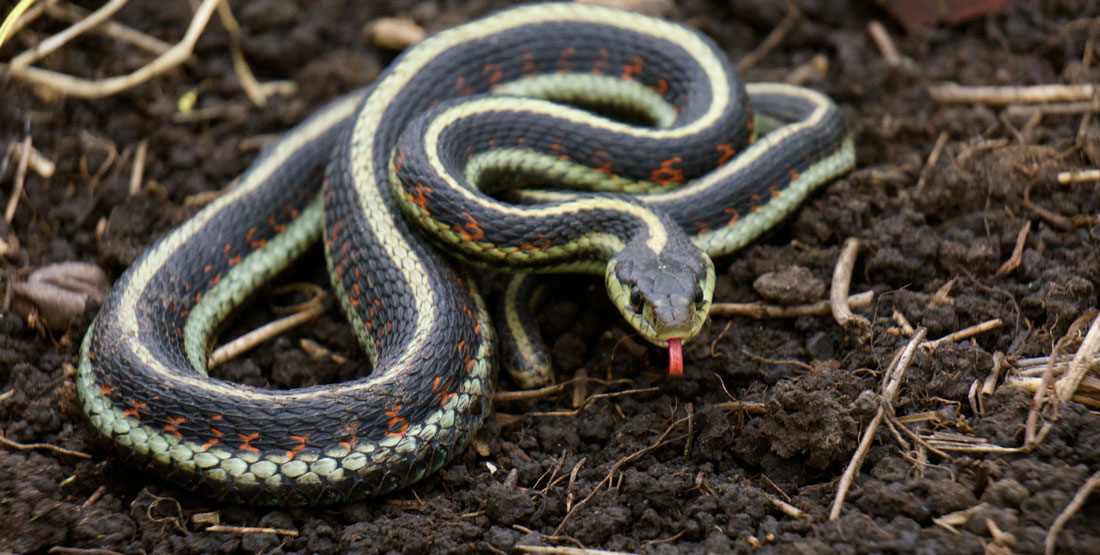
This snake just ate the mouse that was chewing a hole in your wall.
Garter snakes eat slugs, snails, grubs, grasshoppers, earthworms, and mice. A single adult can take dozens of slugs and mice over a summer. The rodents they eat are the same ones that carry ticks into your yard.
They also can't really hurt you. Garter snakes have mild saliva-based venom that helps them subdue small prey but is harmless to humans. The worst-case scenario is a defensive bite that feels like a tiny scratch.
If you spray for pests, you poison the snake too, either directly or by eliminating its food. A yard with garter snakes is a yard where the food web is still doing its job.
Don't kill the garter snake, let it cook.
@MisyDP A lot of people think Sobert and Sherbet are the same but they are very different. While both are fruit forward Sobert contains no dairy at all
Summer is here and is the best time to see Hummingbirds in the US. Set out your feeders or better yet add some native flowering plants to your garden/yard!