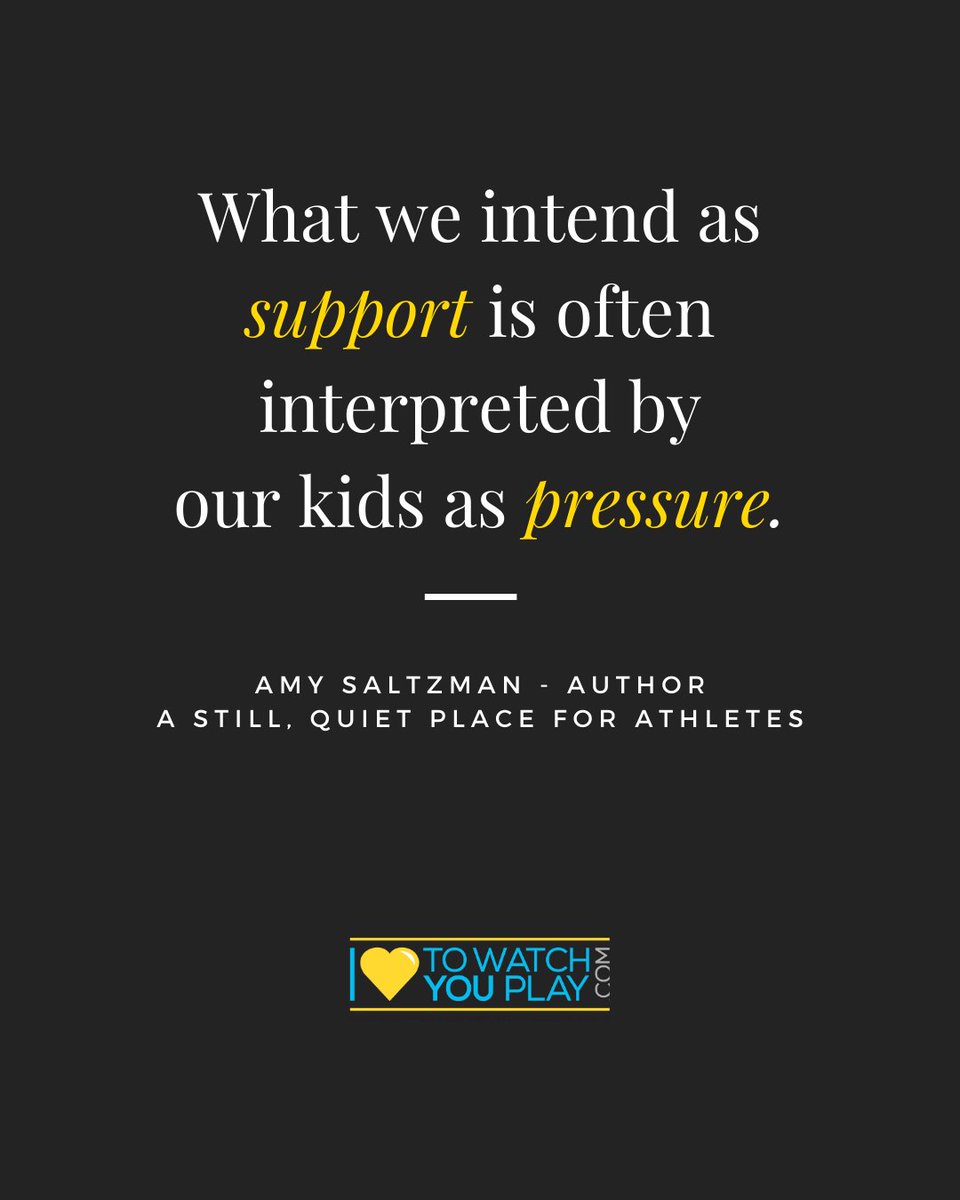
Most sports parents have the best intentions. We just lose our way.
The Support vs. Pressure line can be so faint—or maybe we're so focused on a different line, the finish line— that we hardly know we cross it, but once we cross it, it can be extremely hard to regain our children's trust.
It can be a little or a lot. Direct or indirect. It doesn't matter. Because any action that says," My interest and influence goes beyond your happiness and well-being," and we've already probably lost them. It may not show itself at 7, 10, 16, or even 20, but it does catch up to you. Typically it's a slow and steady loss of joy and ownership that eventually leads to quitting, resentment, and even a complete breakdown in the parent/child relationship.
►Examples of subtle ways we pressure our kids: We watch every practice? We videotape them incessantly while they are playing sports? We deliver epic car ride-home speeches. We know everything about the opposing teams and their strengths and weaknesses? We constantly talk about their sports in the car and at the dinner table. We prioritize sports over family functions and family trips.
►Examples of overt ways we pressure: We yell at them about their performance on the field. We manipulate them by using bribes and promises in exchange for them to perform well. We push them to play or practice when they are hurt or sick. We hide their injuries, even concussions, from the coach and team.
If you are at risk of crossing this line or want more information, I've put a few articles in the comments that can be helpful.
Thank you, Amy Saltzman @spotaspider, for your incredible book, A Still Quiet Place For Athletes.
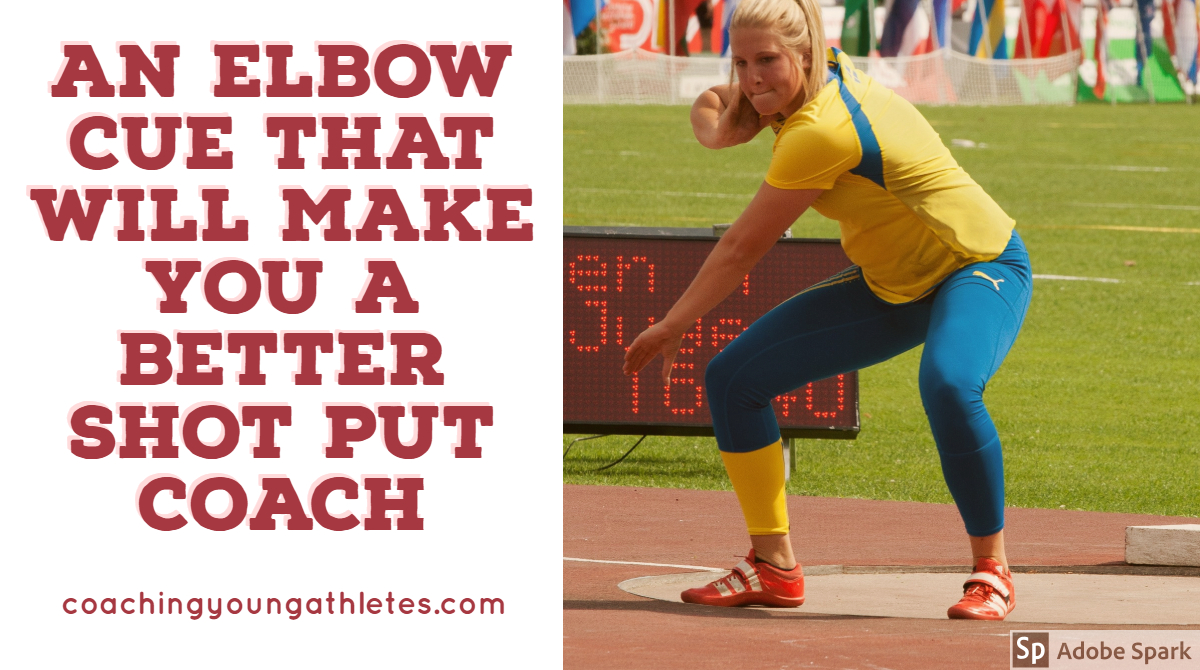
Some of our movement descriptions could be sabotaging a young athlete’s performance. Words work better if they capture the speed or shape or force/strength demands of a movement. Be wise with your words. 2/2
When coaching kids, carefully consider your words. What we name a movement is more important than we realise. Inaccurate terminology or poorly considered coaching cues can be barriers to learning. 1/2
Coaches ask me about the balance between teaching skills and allowing kids to have fun. I tell them not to see these two things as mutually exclusive. They should seamlessly blend, becoming indistinguishable.
**NEW HURDLES ARTICLE**
Check out these tips and tricks for introducing hurdling to beginners. The article includes a new video!
Go to: https://t.co/PW3sZ6c0u3
#athletics#trackandfield#youthsports
7/ Prioritising safety allows athletes & coaches to enjoy javelin training while minimising the risk of injuries. Follow these safety considerations to create a secure and rewarding javelin experience for everyone involved. https://t.co/yfbAzoFibV
Javelin throwing with young athletes needs meticulous attention to safety. Mishandling the javelin can lead to dangerous situations. In this thread, we will explore 6 crucial safety considerations for athletes & coaches to ensure a secure javelin experience. Let's dive in!
6/ Proper Storage
When the javelin is not in use during a training session, store it safely. The recommended method is to stick the javelin vertically in the ground. This prevents accidental contact with the tail and reduces trip hazards if left lying around.