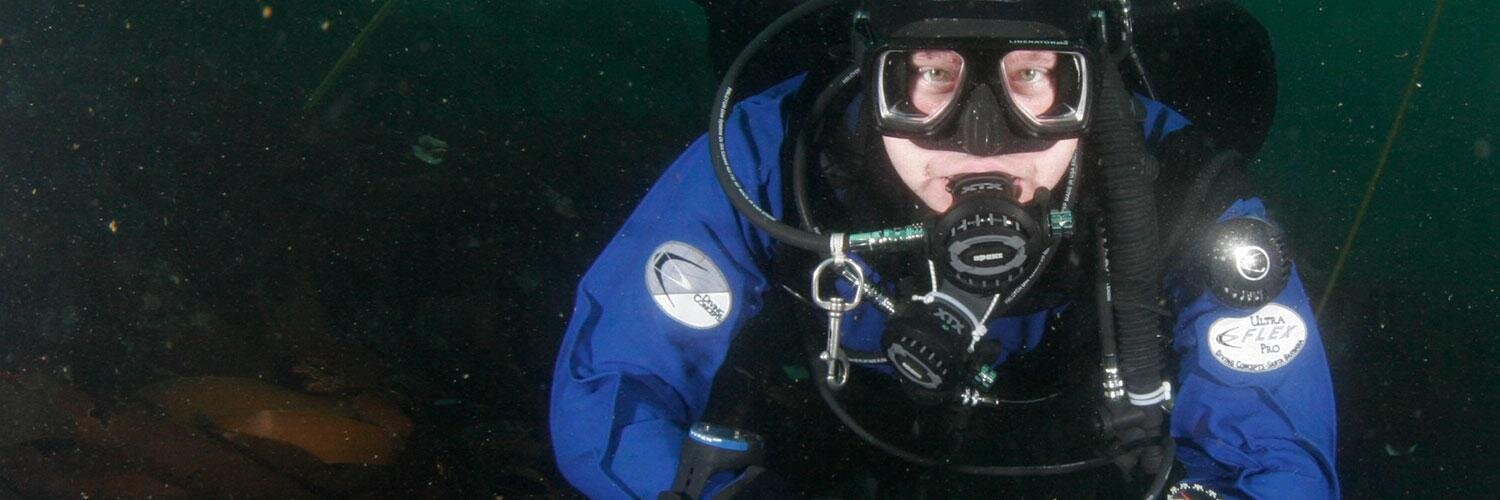
Albertan by choice. Staff SRE @ Interval. Previously @chainlink @dapperlabs @salesforce @datadoghq. Hacks with Golang, loves scuba and 3 gun. Tweets are my own.
Dear @JustinTrudeau
In 2020 you prohibited my big game rifle, some small game rifles and my competition rifles.
I replaced them, but today you prohibited every last replacement.
I no longer have any legal hunting or competition rifles.
I have no firearms that are useful as predator protection in the wilderness.
I will take solace in the fact that I will keep them until you're all removed from office.
And then I'll get them back and will continue the fight to enshrine property rights for all 🇨🇦.
I will never forget that you have repeatedly used the threat of jail and death to steal my property, in order to prop up your failing @liberal_party.
You've been playing politics with public safety for far too long - the game is up.
Nobody believes anything you say, you're going to get crushed with a historic wipeout.
#cdnpoli #ccfr
Melissa Mbaraki is basically right on the core point: Canada’s economic problems did not begin with Donald Trump.
Our productivity problem, weak business investment, housing shortage, regulatory delays, rising debt and declining competitiveness were years in the making. Trump’s tariffs and threats have made things worse, and Canada should push back hard when American policy harms us. But blaming Washington for problems Ottawa helped create is political convenience, not serious diagnosis.
You can oppose Trump’s treatment of Canada and still demand accountability from our own government. In fact, that is exactly what a serious Canadian should do.
We spent too many years assuming geography, U.S. goodwill and natural resources would carry us. Meanwhile, investment went elsewhere, major projects stalled, defence was neglected and our economic room to manoeuvre narrowed.
Trump did not create those weaknesses. He exposed how costly they had become.
Canada needs less excuse-making and more rebuilding: productivity, investment, energy infrastructure, housing supply, defence capacity and stronger trade relationships.
You cannot control Washington. You can control whether Canada is strong enough to deal with it.
Canadians must face an uncomfortable truth. Our teetering economy, lagging productivity and housing crises were entirely made in Canada.
They predated the first and second terms of US President Donald Trump. Yet, the governing Liberal Party has found it politically expedient to gaslight the public, blaming our current woes on the US and the current occupant of the White House.
While Ottawa was busy moralizing at Washington, it was asleep at the wheel on actual national security.
While other nations have risen, our relative clout, military resources, and diplomatic credibility have severely declined.
Am I the only one that thinks it would have been funnier if @POTUS changed Lake Ontario to Lake Alberta?
The Lake America thing doesn't really make a lick of difference to anyone, but calling it Lake Alberta might blow the top off Ford's head.
This is exactly how it works in Canada. Regular Joe, unauthorized possession of a .22 on a farm; hard time. Foreign criminal attempting murder, unlicensed, prohibited firearms; probation & protection from being deported. Don't ever tell me that all this stuff isn't intentional.
Yeah this is totally unacceptable behavior from a police department. The Dominion Society isn't a proscribed group, it has not broken laws, it has followed the law in organizing this gathering of theirs, and not liking what they stand for is not justification to use police resources to undermine them.
Again, I cannot emphasize enough how much this undermines the rule of law
I couldn't disagree with this more. Alberta produces natural gas as a by product of oil and NGLs. We have a surplus of natural gas. Data centres offer an incredible opportunity to gain value from this extra gas, as royalties for Albertans and profits for our producers.
It is not a Wild West. All the normal standards and permits for water and noise and setbacks and zoning apply. This is manufacturing opposition to a sector that makes incredible economic sense for our province and supports Canada's AI strategy.
This is actually insane.
The Dominion Society has disagreeable views, but to treat them like a terror group when we have people regularly march in support of actual terrorists (with police protection!) is a disgusting double standard and undermines faith in the rule of law
@308ftr@MartyKerluck You say how easy it is and then actually don’t get it correct.
They leave it deliberately vague with terribly confusing wording so they can charge whoever they want.
It’s a feature for the regime - it’s not a bug. It’s by design.
In 2000, Canada generated 606,377 gigawatt-hours of electricity. We had 30 million people, basically no EVs, and no mandates restricting gas stove or oil heating.
In 2024, Canada had 40 million people, nearly a million EVs, and thousands of regulations mandating electrical furnaces, dryers, ovens and stoves. In that year we generated ... 619,762 gigawatt hours of electricity.
Trump has done the service of making other Canadians see our energy and resources in the same light that I do: magnificent tools for revenues, jobs, investment, soft power and alliances.
It is therefore a cruel twist of fate that my fellow Canadians’ inclination for exercising this leverage is to 𝘵𝘢𝘹 𝘢𝘯𝘥 𝘳𝘦𝘴𝘵𝘳𝘪𝘤𝘵 𝘵𝘩𝘦 𝘴𝘢𝘭𝘦𝘴 𝘰𝘧 𝘵𝘩𝘦𝘴𝘦 𝘳𝘦𝘴𝘰𝘶𝘳𝘤𝘦𝘴 𝘵𝘰 𝘰𝘶𝘳 𝘣𝘪𝘨𝘨𝘦𝘴𝘵 𝘤𝘶𝘴𝘵𝘰𝘮𝘦𝘳.
Some people want to take this moment to fantasize about potash export taxes and oil production curtailment. They are willing to inflict pain on Canada’s producers, reduce our exports revenues, and jeopardize our reputation as a reliable trading partner in order to experience some short lived schadenfreude.
The stakes and the prize are so much bigger. Canada has an opportunity to shine in this commodity cycle if we choose ambition over pettiness. Let’s focus on the good we can do for ourselves, not the harm we can inflict on others.
https://t.co/ZC3sFCrmiA
A B.C. winery says it can still sell its wine cheaper in the U.S. - ever after 50 percent tariffs - than it can in Ontario and Quebec, thanks to massive provincial markups.