Chile será el primer país con certificación fitosanitaria 100% digital con China ✔
A partir del 20 de abril, seremos el primer país en implementar la certificación fitosanitaria 100% electrónica en modalidad paperless, para exportaciones agrícolas y forestales con destino a China, uno de sus principales socios comerciales.
Este avance es fruto de un trabajo técnico riguroso liderado por el @sagchile junto a la Administración General de Aduanas de China, que fortalece la sanidad vegetal y abre nuevas oportunidades para el desarrollo del país.
¿Quieres mejorar en SQL? ¡Necesitas esta herramienta!
Crea diagramas interactivos y diseña tus bases de datos
✓ Gratis y de código abierto
✓ Importa y exporta código SQL
✓ Sin instalaciones ni registros
→ drawdb․app
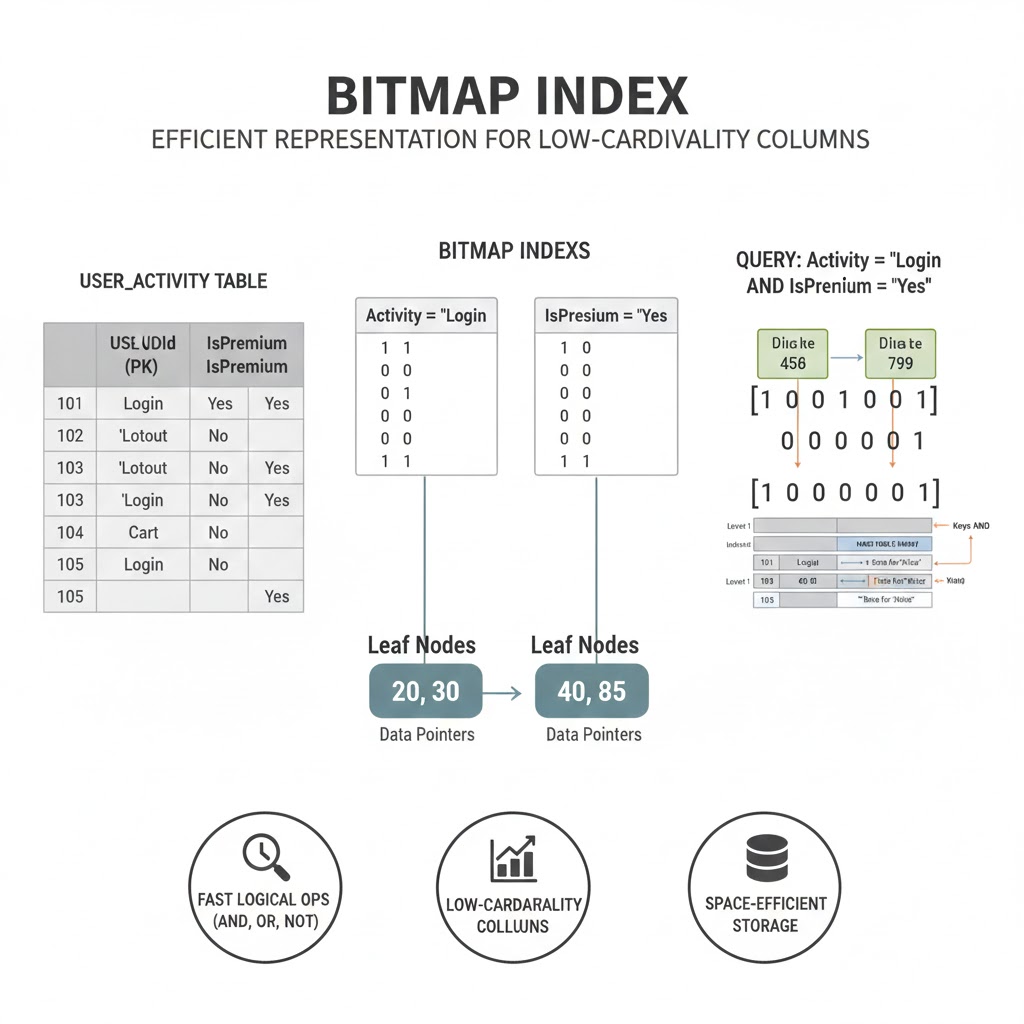
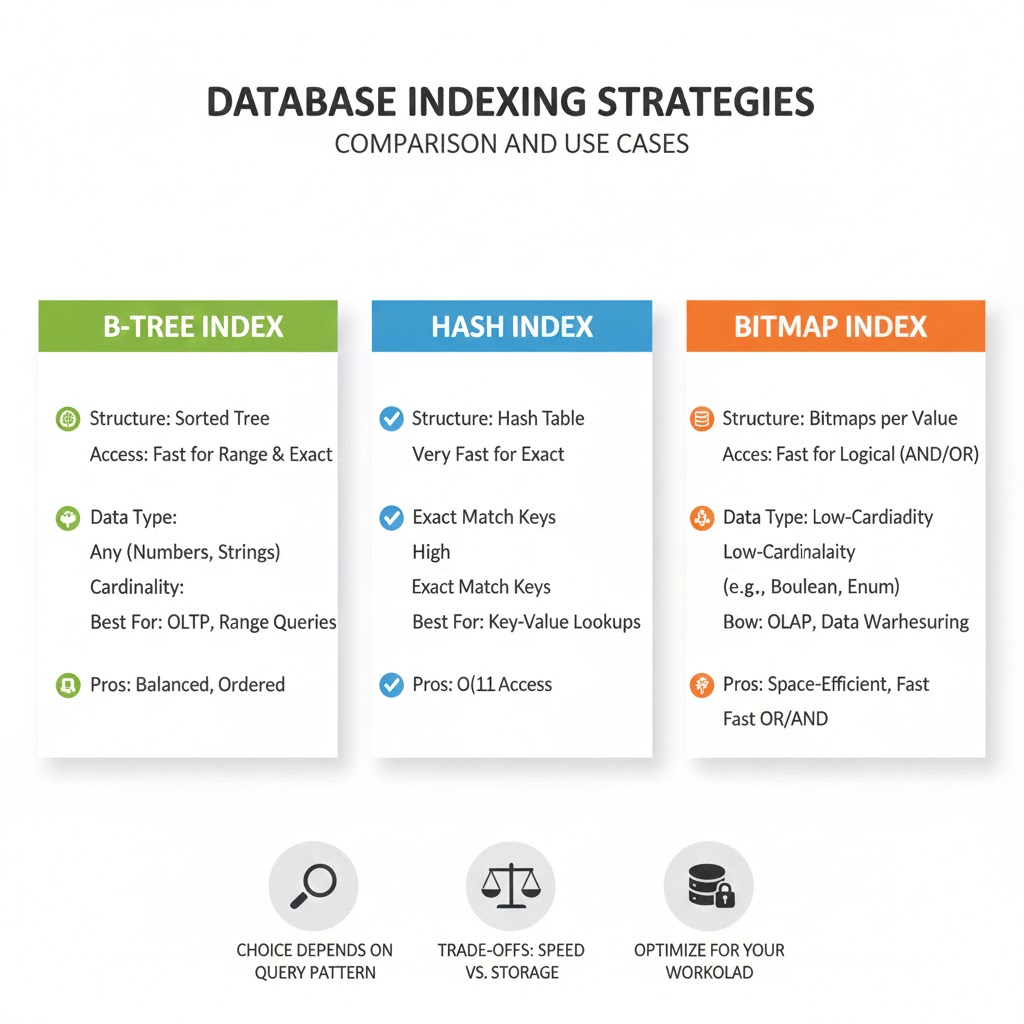
Database Indexing Strategies in Backend
→ Indexing is one of the most powerful ways to speed up database queries in backend systems.
→ Good indexing reduces lookup time, improves joins, and enhances overall performance—without changing application logic.
✓ 1. Primary Indexes
→ Automatically created on primary keys.
→ Ensures fast lookups for unique identifiers.
→ Always index your primary key fields for efficient record retrieval.
✓ 2. Secondary Indexes
→ Created on non-primary columns frequently used in searches.
→ Ideal for fields like email, username, or status.
→ Helps filter queries quickly without scanning the whole table.
✓ 3. Composite Indexes
→ Indexes that involve multiple columns.
→ Best when queries filter or sort by multiple fields.
→ Order matters: an index on (country, city) helps a query filtering by both but not by city alone.
✓ 4. Unique Indexes
→ Ensures no duplicate values exist.
→ Useful for emails, usernames, or any field requiring uniqueness.
→ Also improves performance because the database optimizes for unique checks.
✓ 5. Full-Text Indexes
→ Optimized for searching phrases and keywords.
→ Useful for blogs, product search, messaging apps.
→ Supports natural language queries like “find posts about backend design.”
✓ 6. Partial / Filtered Indexes
→ Index only part of a table (e.g., active users).
→ Reduces index size and boosts speed when data has predictable patterns.
✓ 7. Covering Indexes
→ Contains all required columns for a query.
→ Allows the database to answer the query using only the index—no table scan.
→ Ideal for SELECT-heavy workloads.
✓ 8. Indexing for Joins
→ Always index foreign keys.
→ Ensure both sides of join conditions are indexed.
→ Improves multi-table queries significantly.
✓ 9. Avoid Over-Indexing
→ Each index increases storage size.
→ Slows down write operations (insert/update/delete).
→ Only create indexes for real, repeated query patterns.
✓ 10. Monitoring Index Performance
→ Use EXPLAIN or ANALYZE to check index usage.
→ Remove unused indexes to reduce overhead.
→ Continuously adjust indexing as your data and queries evolve.
→ Grab the Backend Development with Projects Ebook: https://t.co/QdeNEmpNfI
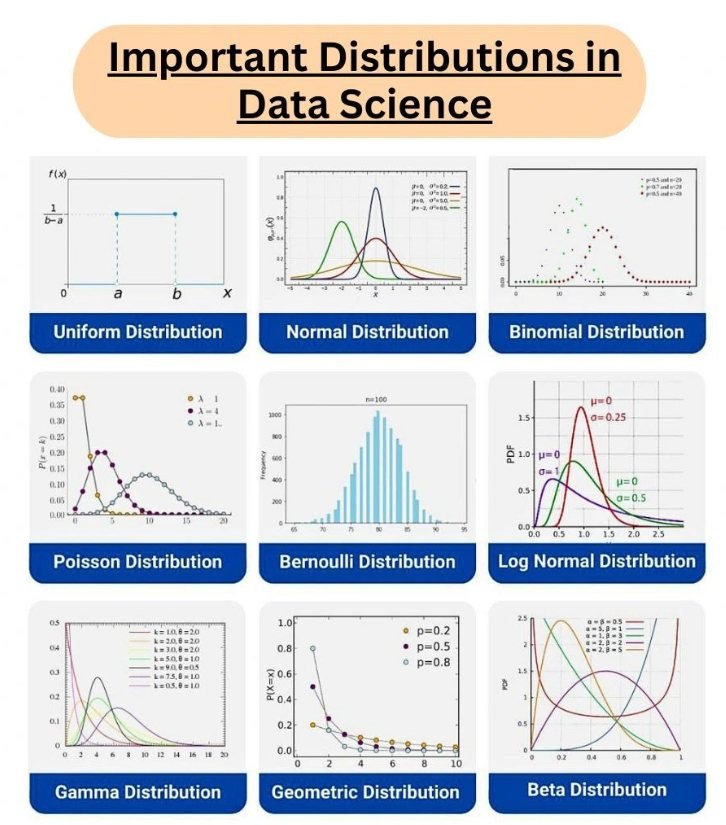
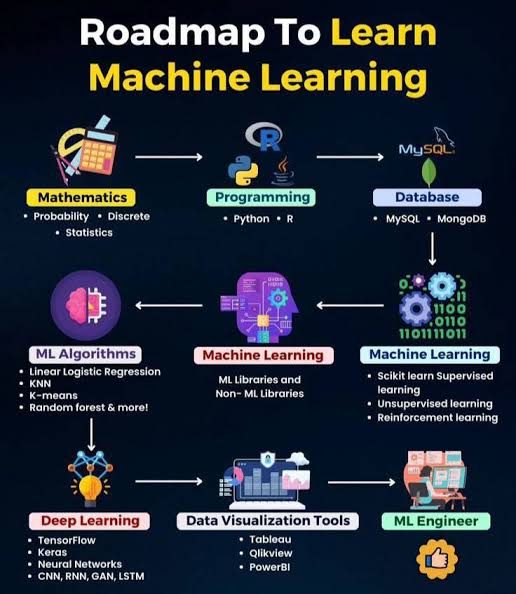
A Neural Processing Unit (NPU) is a specialized chip optimized for fast parallel computation, especially matrix and vector operations. In probability and statistics, NPUs accelerate tasks like Monte Carlo simulations and Bayesian inference. In machine learning, they speed up neural network training and inference with low power use. In real life, NPUs power features such as face unlock, speech recognition, smart cameras, autonomous driving, and on-device predictive AI across phones, cars, and IoT devices.
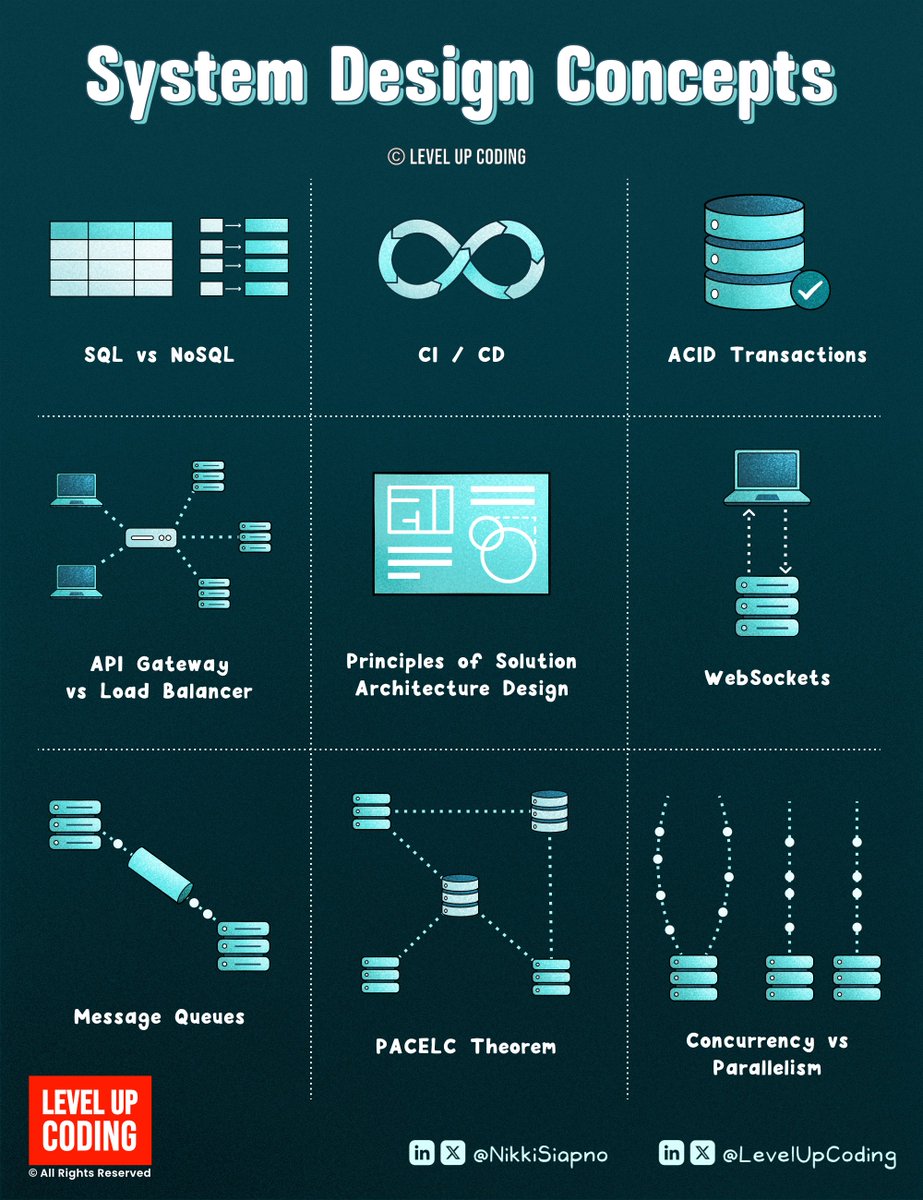
If you want to get started with system design,
learn these 15 concepts:
1) How JWT Works:
↳ https://t.co/iXJoLBJqx0
2) Idempotency in API Design:
↳ https://t.co/ncSrSUYkTr
3) SQL vs NoSQL:
↳ https://t.co/oDTRpsnQUn
4) Service Discovery in Distributed Systems:
↳ https://t.co/YUFibIbL2I
5) Message Queues Explained:
↳ https://t.co/aHE1kLb3z5
6) How Observability Turns Alerts Into Insight:
↳ https://t.co/7GoxFLZcmV
7) WebSockets Explained:
↳ https://t.co/PRYzHrx7f0
8) Principles of Solution Architecture Design:
↳ https://t.co/GHZqbBSh01
9) Change Data Capture (CDC):
↳ https://t.co/AcSkhG8MyJ
10) PACELC Theorem:
↳ https://t.co/4kqCvuA5xx
11) ACID transactions:
↳ https://t.co/m2zXoha8ij
12) Forward vs Reverse Proxy:
↳https://t.co/mHD1to0xOn
13) Strong vs Eventual Consistency:
↳ https://t.co/EUCwpl0DCD
14) How HTTPS Works:
↳ https://t.co/wc3CQOsmPS
15) API Gateway vs Load Balancer:
↳ https://t.co/siVpmqY5cz
What else would you add?
--
🔖 Save for later.
♻️ Repost to help others learn system design.
🙋🏻♀️ Follow Nikki Siapno + turn on notifications.