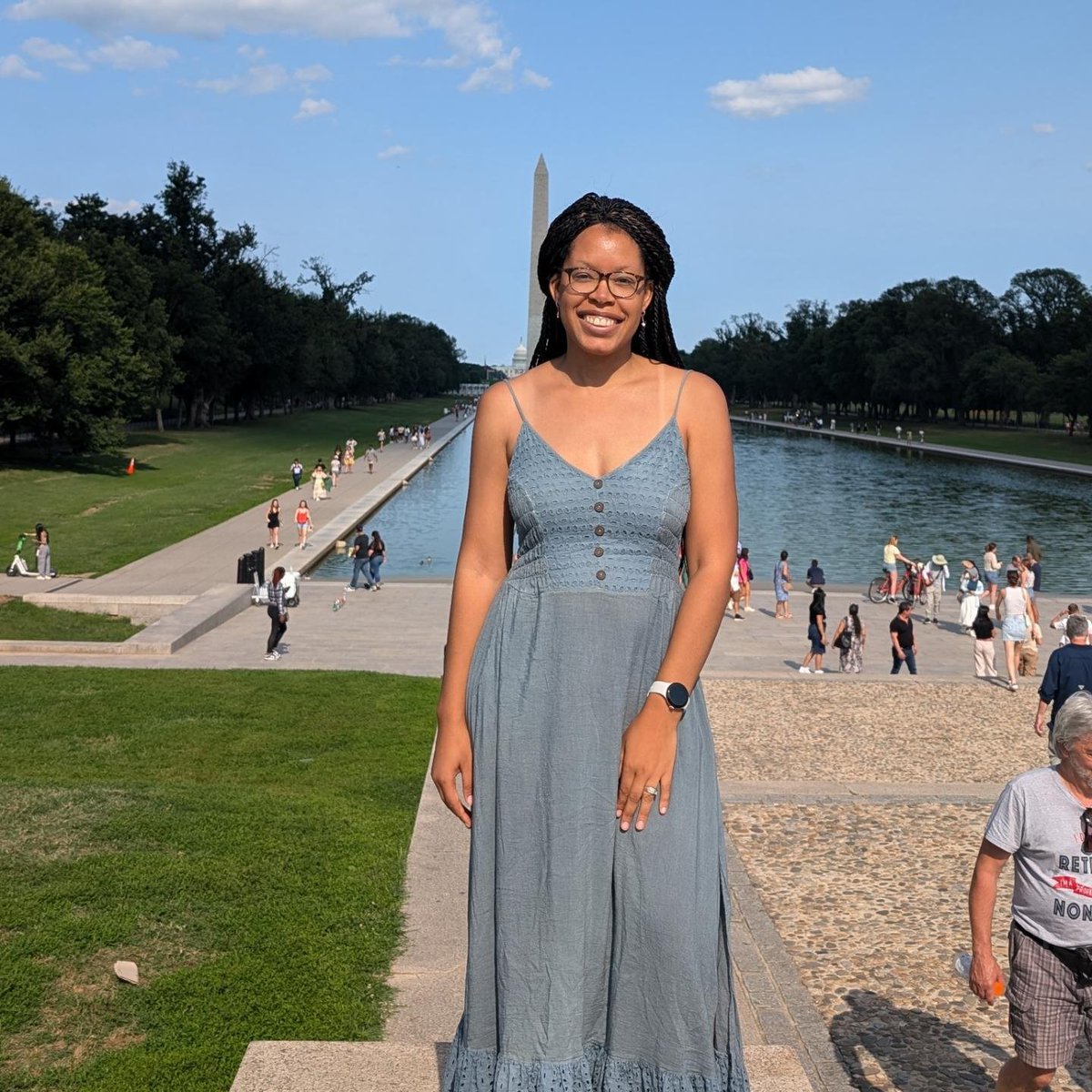
Senior Data Analyst ➡️ Cybersecurity. Atmospheric Sciences background. ISC2 CC certified. Documenting the pivot @ DataSec Chronicles. New blog posts Mon & Fri📊🌐
👋🏽 Hi, I'm Tasha.
As an atmospheric scientist, I spent years reading storm data for anomalies. Now I hunt them in network traffic.
Same instinct, different domain. 📊
By day, I'm a Senior Data Analyst living in SQL, Python, and dashboards. I founded DataSec Chronicles to document my pivot into cybersecurity — the real learning journey. The wins, technical hurdles, and study strategies, from earning my ISC2 CC ✅ to working toward SC-900 and Security+.
DataSec Chronicles is the story. DataSec Labs is where I put it into practice — interactive challenges and hands-on projects you can actually try.
I've been online since dial-up screamed at you before letting you in and Y2K was going to end the world. 😂 The interwebs raised me; now I'm learning to defend them.
Whether you're a data nerd, a cyber practitioner, a fellow career-changer, or just someone who appreciates good data hygiene and a warm cup of chai, welcome to my corner of the interwebs.
What to expect:
🔍 Data & cyber insights — complex concepts made simple
📚 The pivot journey — study tips, resource reviews, and what I'm learning
🌱 Community — a space to learn out loud and grow together
Drop a comment introducing yourself, what you're working on, or what brought you into tech 👇🏽
💜 https://t.co/jlp1YMuFrC
I'm at 1,969 followers, and my follower count is creeping toward the year I was born. 😂
Now I kind of want to catch that exact number for a screenshot. 😅
@EchoToolsPro I can definitely see that. I think the challenge will be making sure automated triage actually reduces the workload without introducing new problems. That was one of the points from today's webinar that stuck with me. Automation still needs oversight and validation.
Just attended the SANS webinar, “The SOC Analyst in the Age of AI,” with John Hubbard.
This was one of those sessions where I kept connecting what I was hearing to my own experience as a Senior Data Analyst.
A few takeaways that really stuck with me. 🧵💜
@EchoToolsPro Very true! That's where I imagine prioritization and knowing what deserves a deeper investigation become especially important. It's one thing to recognize patterns, but another to sort through the noise when there are so many alerts competing for attention.
@EchoToolsPro Exactly! That's something I'm keeping in mind as I transition. I know the pace and priorities will be different, but I think the more familiar I become with security events and what to look for, the more efficiently I'll be able to investigate.
It really does! Sometimes I wonder if I spend too much time validating things, but digging deeper has also helped me identify ways to improve processes and outcomes. That's more from my data analytics experience, though. I realize in a SOC environment, especially during an active incident, I might not have that same luxury of time.
Honestly, the discussion about introducing new tools without involving the people who actually use them. I've experienced that in data analytics. Sometimes it feels like trying to fit a big square into a small circle while still being expected to produce accurate results. The time spent on workarounds, reworking processes, and validating outputs can outweigh the efficiency the tool was supposed to bring.
For me, it starts with checking the source data. I look at things like record counts, missing values, unexpected changes, and whether the results make sense compared to what I'd expect. I also check when the data was last updated. If something looks off, I trace it back before trusting the final output. Not everything gets caught, but those checks help.
Yes! Two things that stood out were validating AI-generated conclusions against the underlying data and making sure tools actually support the workflows they're introduced into. Both are things I've encountered in data analytics. I'm putting together a thread with more takeaways from the session!
7/
My biggest takeaway:
Core SOC analyst skills still matter.
As someone transitioning from data analytics into cybersecurity, it was encouraging to hear that analytical thinking, understanding data sources, event correlation, and validating evidence remain valuable.
AI is changing how the work gets done, but understanding the work is still essential.
Really appreciated this session. 💜
#Cybersecurity #SOCAnalyst #AI
6/
Go Deep. Go Wide. Develop Taste. Maintain a Bias for Action.
Build expertise, learn across disciplines, recognize what good work looks like, and keep experimenting.
That advice applies well beyond cybersecurity.