Five years ago, Scotland’s beautiful “Highland Tiger” was declared functionally extinct in the wild. Today, wild-born kittens are roaming the Highlands again. 🐾
Through dedication, science, and patience, conservationists released specially bred European Wildcats back into their ancestral home and it worked. Recent trail cameras have confirmed new generations being born in the wild.
Stories like this remind us that nature can recover when people choose to protect it instead of give up on it.
In a world full of bad news, conservation success stories like the Scottish Wildcat, California Condor, and Iberian Lynx prove that extinction doesn’t always have to be the ending.
Nature is resilient. Hope matters.
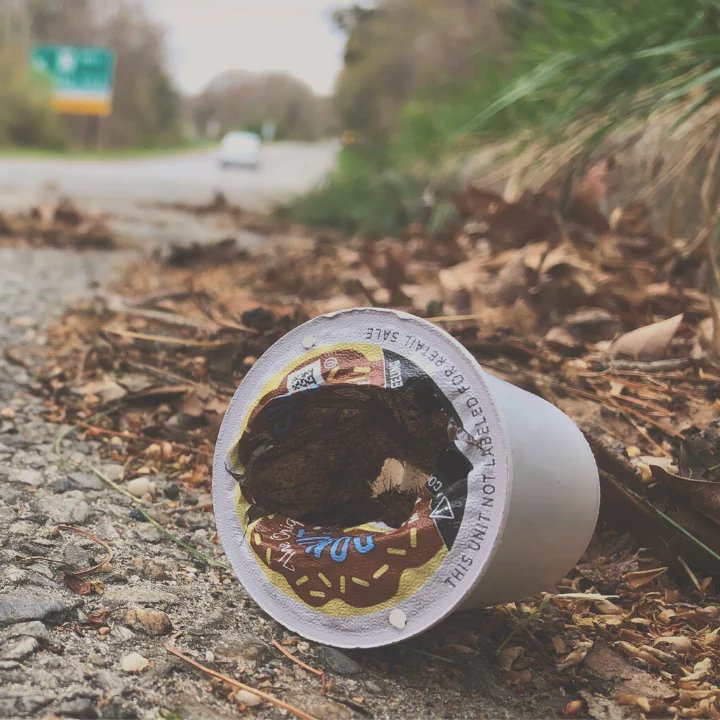
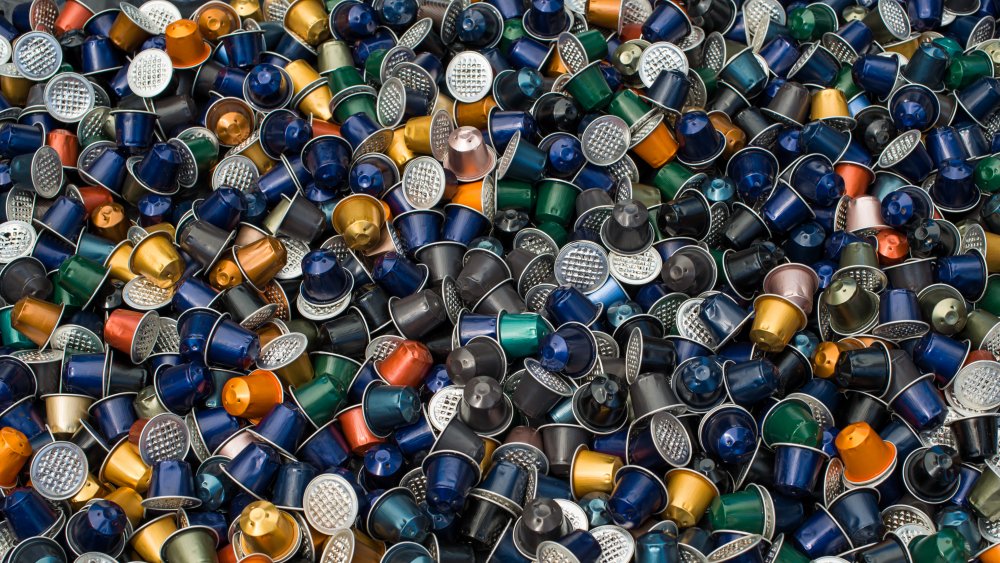
Coffee pods generate 56 billion units of single-use plastic waste globally every year.
Stacked end-to-end, that's enough to wrap the planet about 50 times. The aluminum and plastic pods take roughly 500 years to break down. Less than 10% are actually recycled despite manufacturer claims.
A French press, an Aeropress, or a basic drip maker produces zero pod waste. The machines cost less than a year of pods. The coffee is better anyway.
I DON'T want a digital ID.
I DON'T want a social credit score.
I DON'T want an electric car.
I DON'T want a 'great reset'.
I DON'T want to eat bugs.
I DON'T want to be locked down.
I DON'T want to rent my home.
For those who haven't realized it yet:
Oil isn't scarce
Water isn't scarce
Land isn't scarce
Food isn't scarce
Artificial scarcity is being engineered by the psychopaths running this planet.
▪️AI data centres guzzle 5 million gallons of water per day. The equivalent of daily water use for 50,000 people.
▪️A single large AI data centre can consume as much electricity as 400,000 households.
But let’s blame cow burps for destroying the environment. 🤷♂️
What have all these great poets got in common? Mick Evans, @Kathym974 Sally Spedding, Rae Howells, David J Costello, Sheila Aldous, Mark Lewis, Gill Learner, John Gallas, Josie Turner, @damen_o Estelle Price, Jenny McRobert
Answer: They've all won https://t.co/4MEIeSWeon Open Now
🐋 Ocean Conservation Win: Humpback Whales Rebound
Heavy commercial whaling in the 1900s pushed Humpback Whale populations to dangerously low levels. International bans and marine protection zones allowed many populations to recover over time.
Their return has reshaped ocean ecosystems in some regions and become a major success story for global wildlife conservation.
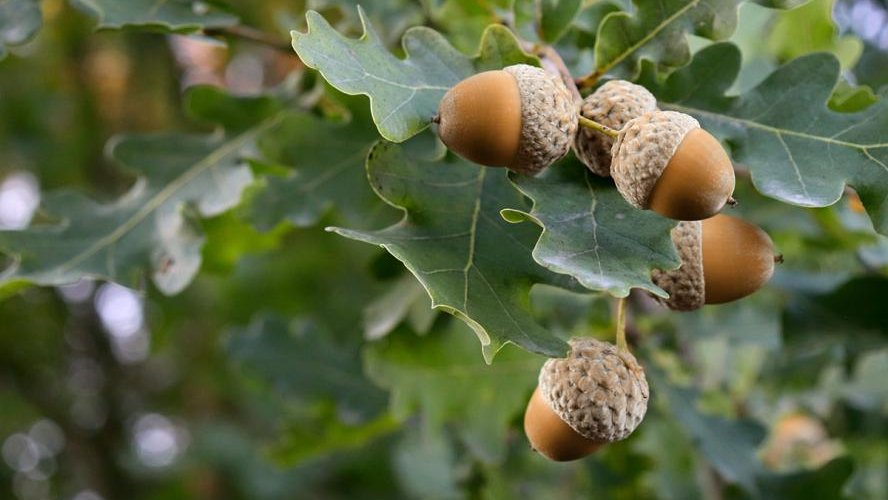
Inside one acorn is a tree that will host more than 500 species of caterpillars, feed and shelter hundreds of birds, mammals, and insects, store carbon by the ton, and live for centuries. No other tree in North America does it quite like an oak. Plant the acorn.