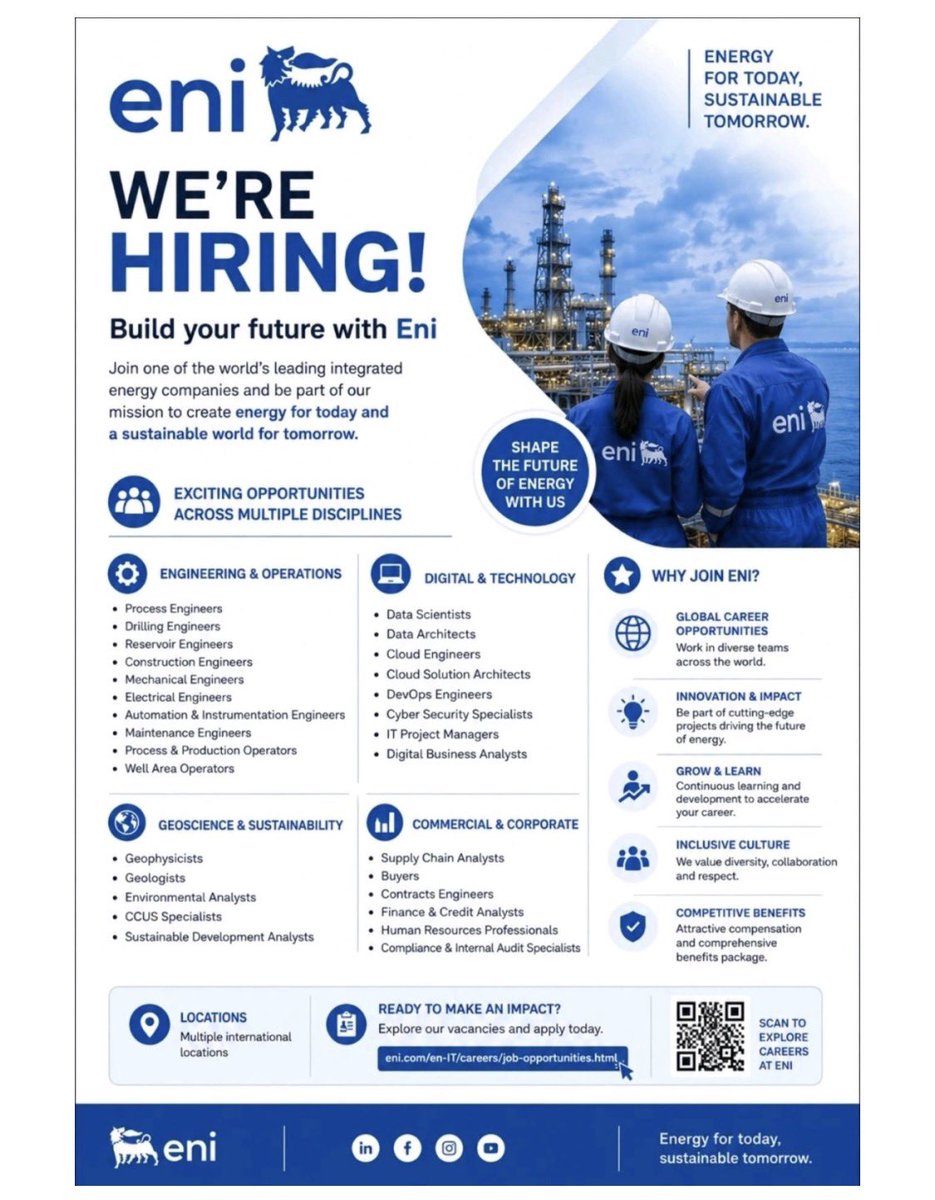
Here is a long list of Nigerian indigenous upstream exploration and production companies based on NUPRC and NEITI records.
- Seplat Energy Plc
- Oando Energy Resources / Oando E&P
- Aiteo Eastern E&P Company Limited
- Heirs Energies Limited
- Aradel Holdings Plc
- First Exploration & Production (First E&P)
- ND Western Limited
- Neconde Energy Limited
- Amni International Petroleum Development Company
- Famfa Oil Limited
- Oriental Energy Resources Limited
- Midwestern Oil & Gas Company Limited
- Newcross Exploration & Production Limited
- Eroton Exploration & Production Company Limited
- Niger Delta Petroleum Resources (NDPR)
- Conoil Producing Limited
- Energia Limited
- Platform Petroleum Limited
- Pillar Oil Limited
- Moni Pulo Limited
- Green Energy International Limited
- Frontier Oil Limited
- First Hydrocarbon Nigeria (FHN)
- Network Exploration & Production Limited
- Shoreline Natural Resources Limited
- Belema Oil Producing Limited
- Yinka Folawiyo Petroleum Company Limited
- Continental Oil & Gas Company
- Dubri Oil Company Limited
- Enageed Resources Limited
- Excel Exploration & Production Limited
- Millennium Oil & Gas Company Limited
- Brittania-U Nigeria Limited
- Chorus Energy Limited
- Antan Producing Limited
- All Grace Energy Limited
- Sterling Oil Exploration & Energy Production Company Limited (SEEPCO)
- Amalgamated Oil Company Nigeria Limited (AMNI/Amalgamated-related interests)
You know what to do already. Prepare your credentials, check their websites, leverage LinkedIn to connect with staff, and shoot your shots.
Find attached cover letter samples in the comment section.
Thinking about starting the CFA but have no idea where to begin?
Here’s a breakdown of the CFA journey, from eligibility and registration to costs, exams and preparation.
I’ve pulled this together from CFA Institute’s current requirements, fees and exam structure.
This is a BIG DEAL ‼️‼️‼️
Imagine the Nigerian economy is a car.
For a while, the CBN had its foot firmly on the brake.
High interest rates discourage borrowing. Less borrowing can reduce demand, which can help bring inflation down.
Now, the CBN is releasing the brake somewhat.
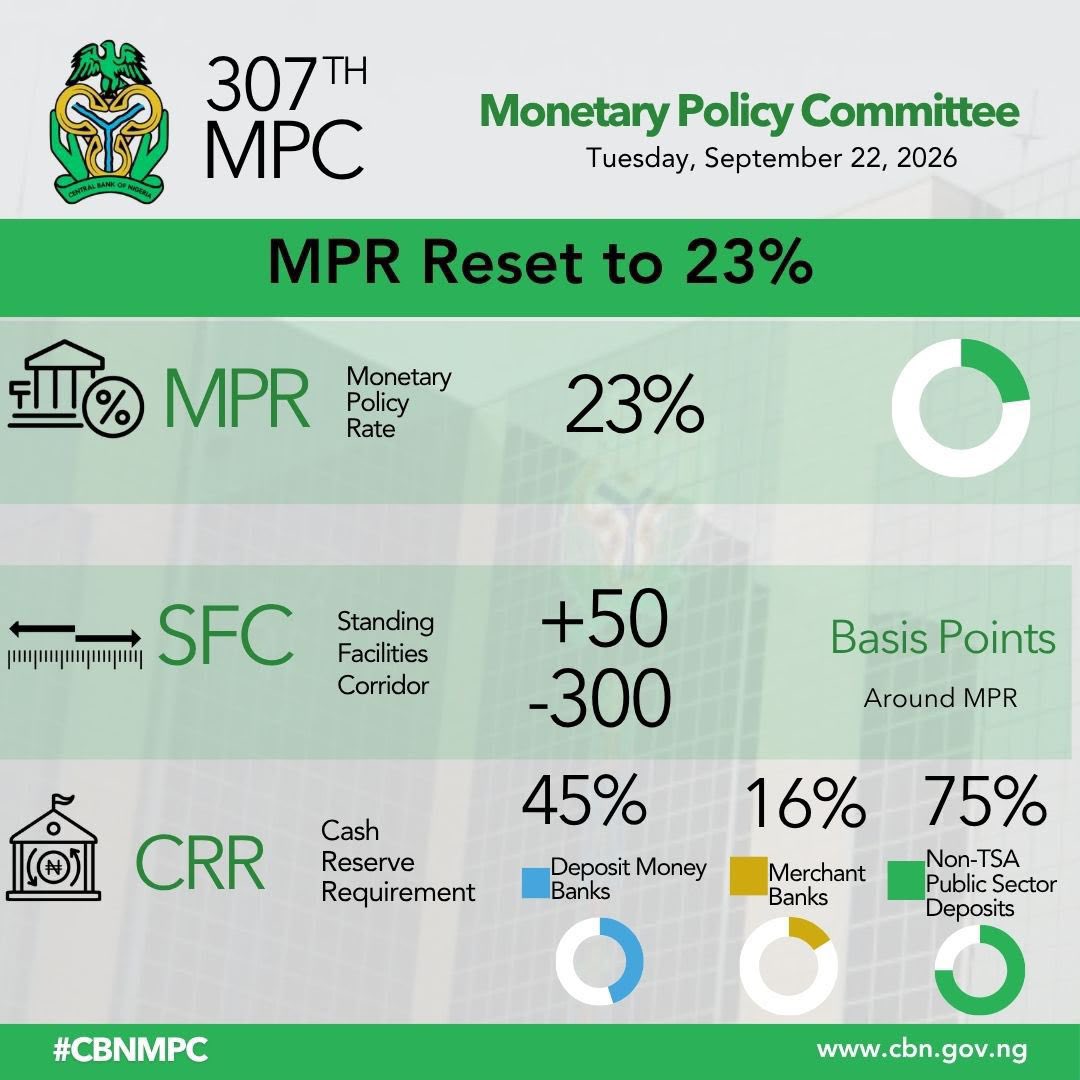
MPR has gone from 26.5% to 23% that is a 350 basis-point cut.
What could this mean?
1. Credit could become cheaper.
Lower rates can make it more attractive for businesses and individuals to borrow, invest and expand by supporting economic activity.
2. Savings returns could come down.
If you’ve been getting returns of 20% or more on some fixed-income products, don’t be surprised if those yields eventually fall.
And when risk-free/low-risk returns fall, investors may start looking more closely at equities, businesses and other productive assets.
3. Capital could start flowing differently.
People have been asking for lower interest rates for a LONG time.
For context, 23% is roughly back to where Nigeria’s MPR was in February 2024.
But the CBN hasn’t completely taken its foot off the brake.
The CRR is still 45% for deposit money banks.
Very simply, if a bank has ₦100 of qualifying deposits, ₦45 has to be kept as reserves, before considering other liquidity and regulatory requirements.
So this isn’t just about interest rates.
It is about the flow of capital through the Nigerian economy.
The price of capital is changing.
And that could have implications for businesses, banks, investors, consumers and the broader economy.
What do you think?
CHEVRON, SNEPCO, ESSO, TOTAL, SEPLAT, HERITAGE, NLNG, RENAISSANCE, etc. are all Oil & Gas Production and Exploration Company with big packages.
But besides them are Engineering Companies who help them, known General Maintenance Contractors (GMCs)
And they pay really good too.