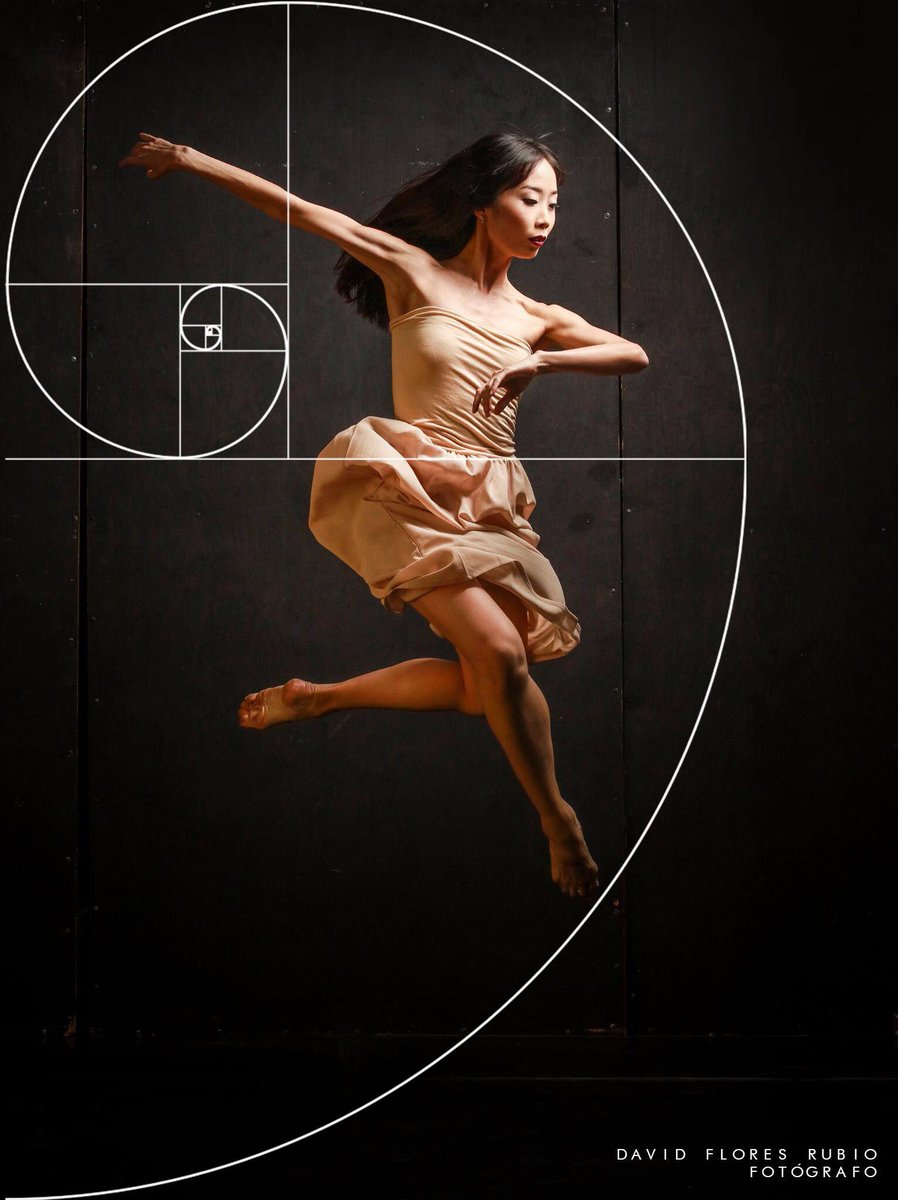
Comunicador especializado en diseño de mensajes—Sé que una imagen puede decir más que mil palabras y una palabra más que mil imágenes. I (heart) @Fotomex
La CDMX desquiciada, la CNTE ejerciendo “su derecho a la violencia” y la población cercada por bloqueos y plantones.
¿De qué patente goza la CNTE para delinquir?
Hace falta mano firme para que impere el derecho.
No más anarquía ni impunidad.
No más derechos humanos vulnerados.
Mañana mi artículo en El Universal sobre la CNTE, sus fechorías y tus impuestos, con los que se pagan sus salarios.
El absurdo de los absurdos. Una policía cerrando un carril en viaducto, generando tráfico de manera innecesaria.
Porqué está práctica es tan común?
@SSPCMexico@SSC_CDMX@OVIALCDMX
Además del buen resultado de la llamada entre la presidenta Sheinbaum y el presidente Trump, la reducción de 21 por ciento de las muertes por sobredosis en Estados Unidos debilita las presiones declarativas acerca de eventuales ataques estadounidenses a carteles en territorio mexicano.
Bien por lo que corresponde al gobierno de México.
https://t.co/G2tsGDND0j
La violencia suele ser expansiva, contagiosa, corrosiva. Hasta las nimiedades escalan.
Justamente en tiempo de violencia, hay que atemperar los ánimos, no exacerbarlos.
El Premio Nobel de la Paz a Corina Machado es un valioso reconocimiento a la lucha democrática de los venezolanos y un gran impulso a su empeño por la libertad.
A lo largo de más de 26 años, el régimen ha empobrecído a los venezolanos y expulsado a millones de ellos en busca de una vida más digna y con oportunidades de trabajo.
Frente a unas elecciones cuestionadas incluso internacionalmente, Corina ha sido determinante para mantener viva la esperanza en pos de la reconquista de los derechos democráticos de los venezolanos.
El reconocimiento del Premio Nobel puede traducirse en un gran aliento para la causa de restablecer las libertades y derechos que les han sido negados a los venezolanos por más de dos décadas.
A message from a Kindergarten teacher:
After forty years in the classroom, my career ended with one small sentence from a six-year-old:
“My dad says people like you don’t matter anymore.”
No sneer. No malice. Just quiet honesty — the kind that cuts deeper because it’s innocent. He blinked, then added, “You don’t even have a TikTok.”
My name is Mrs. Clara Holt, and for four decades, I taught kindergarten in a small Denver suburb. Today, I stacked the last box on my desk and locked the door behind me.
When I started teaching in the early 1980s, it felt like a promise — a shared belief that what we did mattered. We weren’t rich, but we were valued. Parents brought warm cookies to parent nights. Kids gave you handmade cards with hearts that didn’t quite line up. Watching a child sound out their first sentence felt like magic.
But that world slowly slipped away. The job I once knew has been replaced by exhaustion, red tape, and a kind of loneliness I can’t quite describe.
My evenings used to be filled with construction paper, glitter, and glue sticks. Now they’re spent filling out digital reports to protect myself from angry emails or lawsuits. I’ve been yelled at by parents in front of twenty-five children — one filming me with his phone while I tried to calm another child mid-meltdown.
And the kids… they’ve changed too. Not by choice.
They arrive tired, anxious, overstimulated. Their tiny fingers know how to swipe a screen before they can hold a crayon. Some can’t make eye contact or wait in line. We’re expected to fix all of it — to patch the gaps, heal the trauma, teach the curriculum, and document every move — in six hours a day, with resources that barely fill a drawer.
The little reading corner I once built, full of soft beanbags and paper stars, was replaced by data charts and “learning metrics.” A young principal once told me, “Clara, maybe you’re too nurturing. The district wants measurable results.”
As if kindness were a weakness.
Still, I stayed. Because of the small, holy moments that no spreadsheet could measure —
a whisper of, “You remind me of my grandma.”
a shaky note that read, “I feel safe here.”
a quiet boy finally meeting my eyes and saying, “I read the whole page.”
Those tiny sparks were my reason to keep showing up.
But this last year broke something in me.
The aggression grew sharper. The laughter in the staff room turned to silence. The light went out of so many eyes. I watched brilliant teachers — my friends — vanish under the weight of burnout, their joy replaced by survival.
I felt myself fading too, like chalk on a board that’s been wiped one too many times.
So today, I began my goodbye. I pulled faded art off the walls and tucked thirty years of handmade cards into a single box. In the back of a drawer, I found a letter from a student from 1998:
“Thank you for loving me when I was hard to love.”
I sat on the floor and cried.
No party. No applause. Just a handshake from a young principal who called me “Ma’am” while checking his notifications.
I left my rocking chair behind, and my sticker box too. What I carried with me were the memories — the faces of hundreds of children who once trusted me enough to reach out their hands and learn. That can’t be uploaded. It can’t be measured. It can’t be replaced.
I miss when teachers were partners, not targets. When parents and educators worked side by side, not in opposition. When schools cared more about wonder than numbers.
So if you know a teacher — any teacher — thank them. Not with a mug or a gift card, but with your words. With your respect. With your understanding that behind every test score is a heart that cared enough to try.
Because in a world that often overlooks them, teachers are the ones who never forget our children.
La presidenta Sheinbaum ya ha puesto las coordenadas de las acciones contra el huachicol fiscal: habrá más detenciones y cero impunidad.
Del resultado puede derivarse un mensaje que fortalezca el ánimo social interno y comunique certeza al exterior.
Mi artículo de hoy en @El_Universal_Mx
👇🏼
https://t.co/IXcAwjtAZm