🟢 23 Octubre 🗓️ Próxima sesión de PensamENTs con David Font: “El Rol de la Circularidad en las Declaraciones Ambientales de Producto” 👉🏽 https://t.co/LjGiItIUc9 @DavidFontV es Director de Sostenibilidad del Ciclo de Vida en Eco Intelligent Growth @eig_c2c
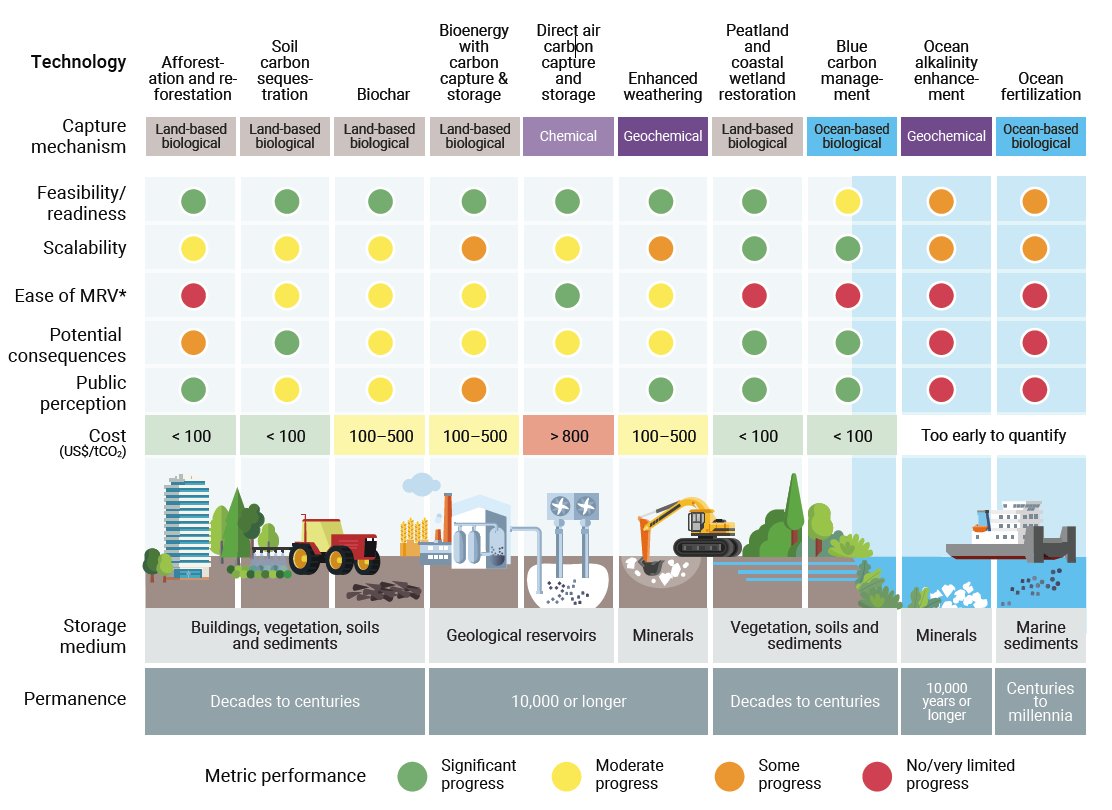
The Carbon Dioxide Removal (CDR) method that gets everyone excited, is by far the most expensive.
The cheapest options all suffer MRV challenges.
But how much does MRV cost & can we actually do it?
https://t.co/x7WOMsfs1N
🆕La avalancha de artículos podría socavar la confianza en la ciencia, ✍️según un estudio en el que participa el @ICTA_UAB@danbrockington
https://t.co/PBJ2O3Gjtf a través de @UABBarcelona
New paper out: how rebound effects can help to coherently implement the SDG framework via STI using stakeholder's views.
#PLOSSustainabilityTransformation: Global UN 2030 agenda: How can Science, Technology and Innovation accelera ... https://t.co/8pxnrMCQqw
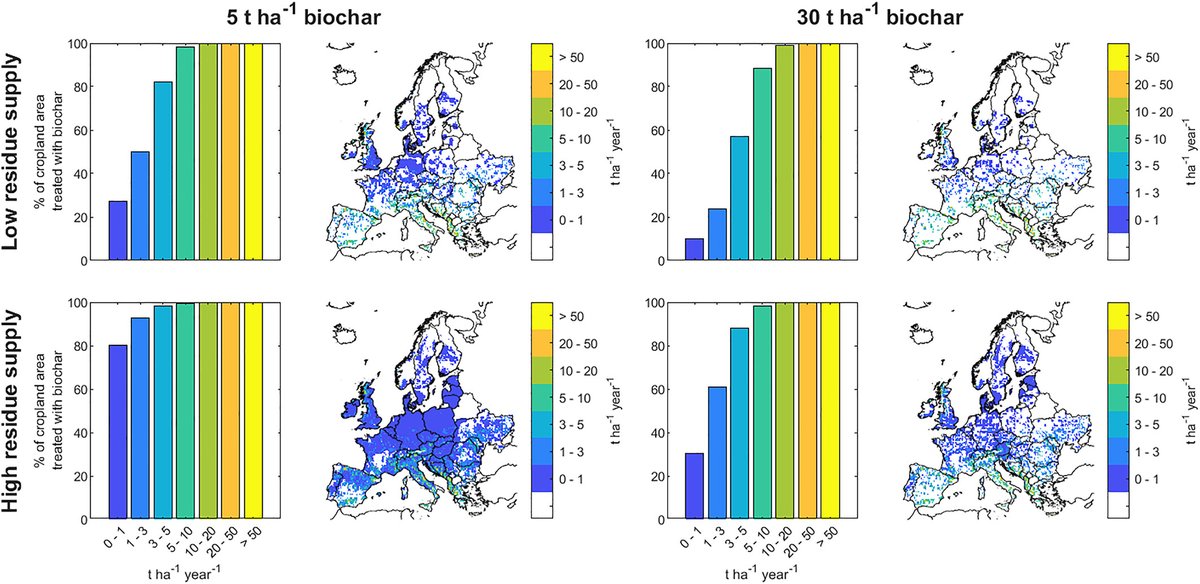
#Biochar from #biomass residues to degraded cropland in Europe co-delivers #negativeEmissions and #soil quality: - 40% #GHG agr. sector emissions + higher crop yields and soil retention of water & nutrients. Up to 14 Mha can be treated
https://t.co/8vs9NYzziS
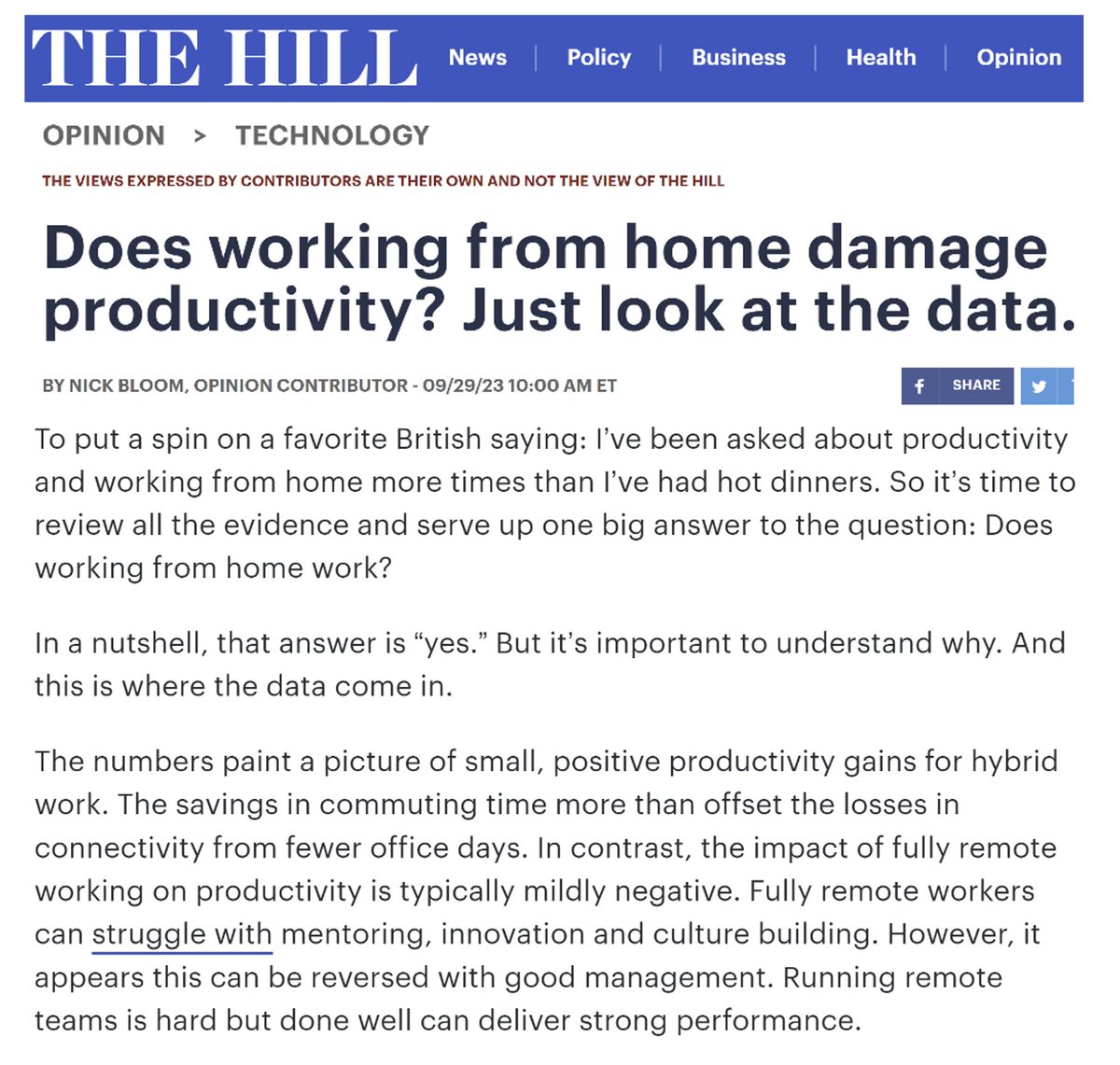
It is frustrating reading articles on the productivity impact of WFH based on anecdotes from CEOs and politicians. These policies impact millions of employees, so should be grounded in data and research.
I summarized for The Hill what we know, covering the three main sources. These show mostly positive productivity impacts of WFH:
1) Micro-economic studies: these find small positive impacts of hybrid WFH on productivity, and mixed impacts of fully-remote WFH (negative when it's badly managed, positive when its well-managed).
2) Macro data: this shows US productivity growth accelerated as levels of WFH have jumped, suggesting a positive impact
3) Market data: this reveals massive adoption of WFH by firms globally and mostly favorable feedback from managers, suggesting a positive impact.
https://t.co/nqYDhvZhLa
Today marks the conclusion of Carbon Brief's special week on carbon offsets 🌳📊💰
We've published a series of articles, beginning with a 12,000+ word explainer exploring what offsets are, who is using them and whether they can help tackle climate change
https://t.co/uiRj0kwNrH
NEW: Carbon Brief has analysed offset use among the world's largest fossil-fuel, car and tech firms 🏭🚗🖥️
It reveals how two-thirds of the top 50 companies with net-zero targets have used offsets since 2020 - plus where they have bought them from
https://t.co/z0QgpYG3Jc
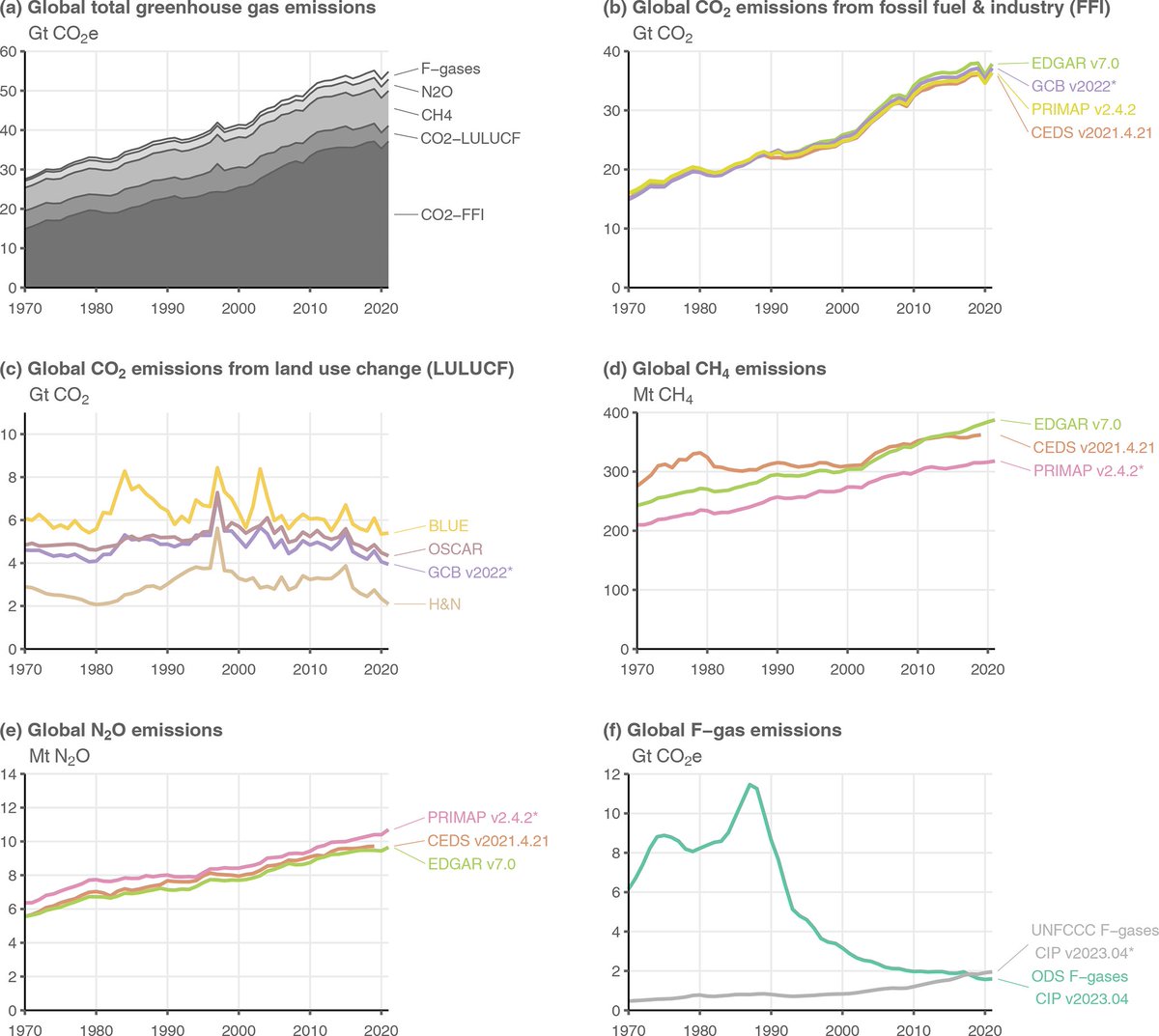
Despite policies & pledges, all GHG emissions are growing: CO₂, CH₄, N₂O, F-gas
CO₂ from net Land-Use Change has a very slight decline, but highly uncertain.
Ozone-Depleting Substances (ODS) have declined, but they fall under the Montreal Protocol.
https://t.co/laKPjNkeSp
📣 Join us tomorrow, June 6th, for the final event of the LCA4Regions project's final conference in Brussels and 💻online! Discover the journey, results, and good practices from the project. ℹ️ Check the agenda and ✍️register now at https://t.co/AWQf5g9cUz
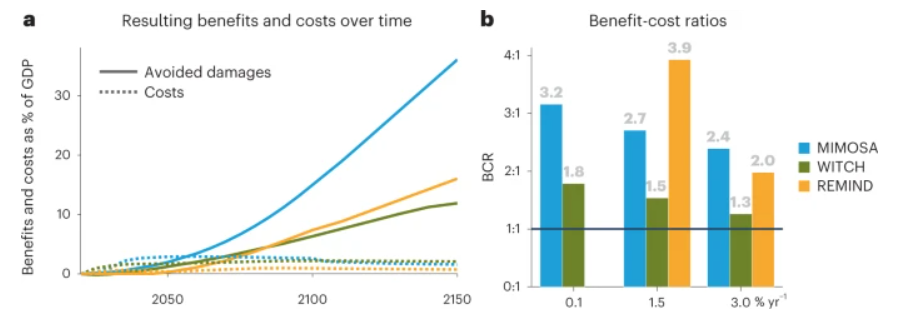
Our new @NatureClimate paper just out! State-of-the-art estimates of economic impacts of climate change show that benefits of #ClimateAction outweigh the mitigation costs by a factor of 1.5 to 3.9 ➡️strong economic validation of #ParisAgreement 🔗 https://t.co/q7x9qtLr5J 1/7