Many higher ed tech projects don't fail at go-live. They fail at intake.
Before anything starts: What outcome does it change? Who owns it after launch? What are we stopping to make room? How will we know it worked?
Saying yes to everything is still a decision.
As AI models get good enough and cheaper, the advantage moves from the model to the work around it: clean data, integrated systems, and clear decisions about where AI belongs. That's a leadership job, not a procurement one.
One recent analysis finds AI spending hasn't yet shown up in revenue or margins for most companies outside big tech. A useful reminder for campuses too: the first question isn't which AI tool, but whether to adopt it at all, and at what cost and risk.
My AI agent work is now two teams: one for personal automation, one for exploring business ideas on my own time.
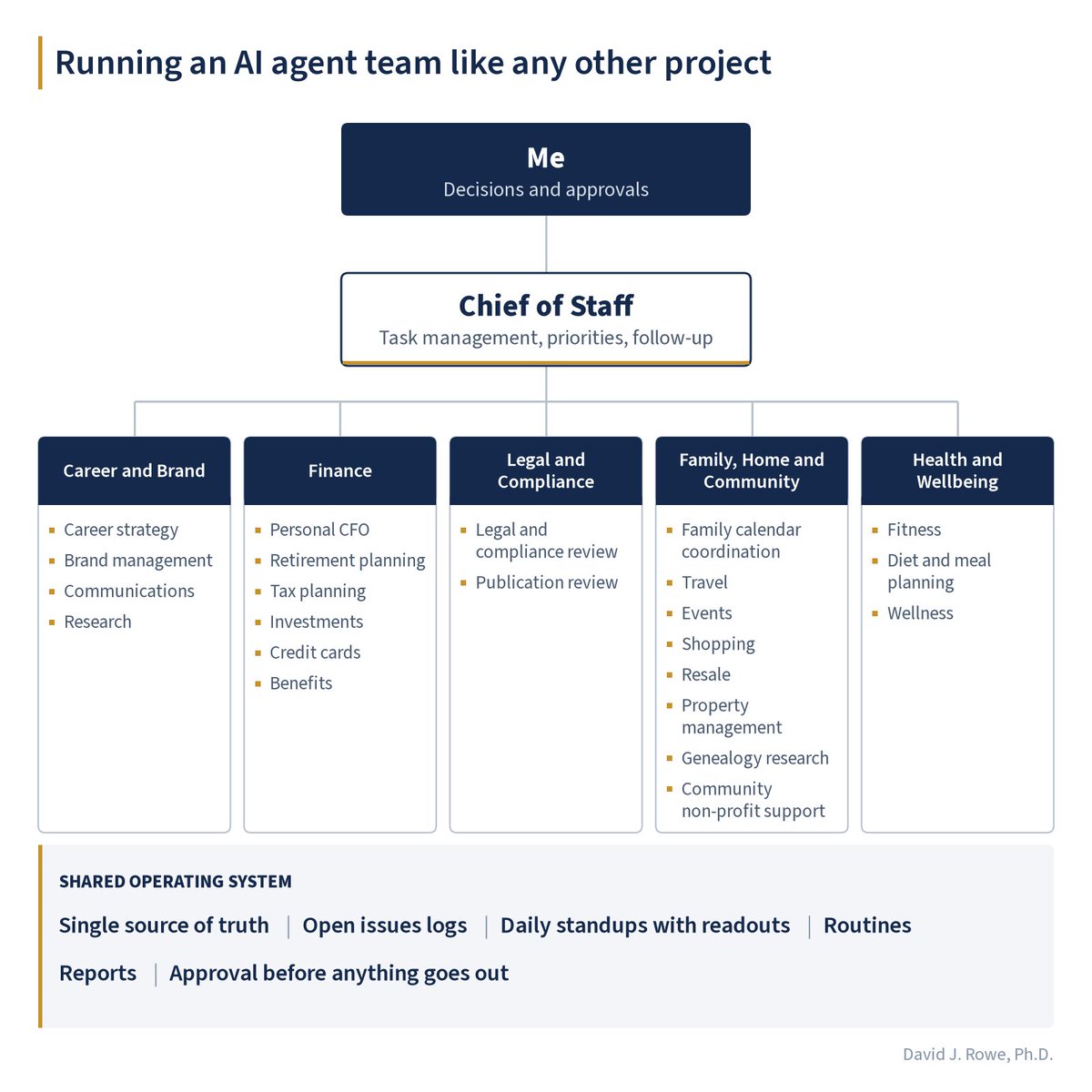
The lesson: run it like any project. An org chart, a single source of truth, issue logs, daily standups, routines, and reports. The technology was the easy part.
Teaching keeps me honest. My academic site brings together my research on why tech implementations succeed or stall, my teaching, and the Chico Digital Transformation Lab, where my students take on real projects for regional organizations. https://t.co/dnej5LzajR
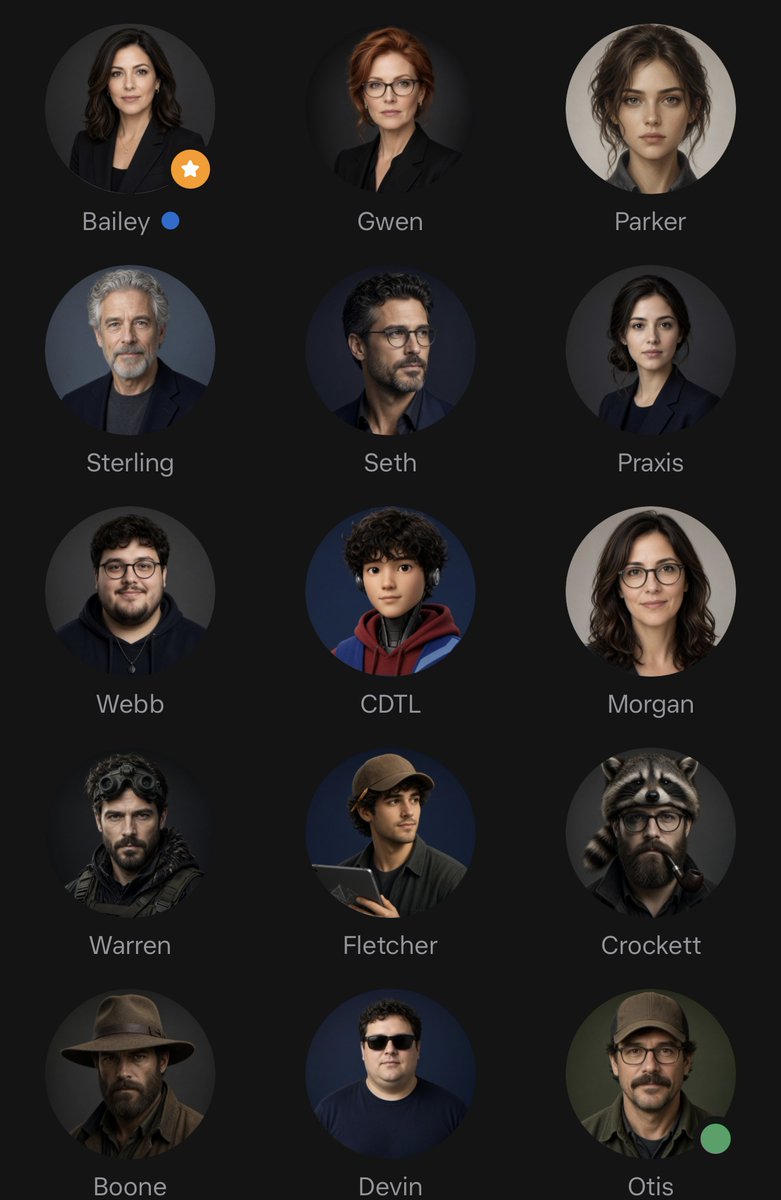
Over the past few weeks I've built a team of AI agents to help run my personal projects: travel, fitness, finances, research, and my professional brand. Each one has a single job, clear limits, and checks with me before anything goes out.
The lesson so far: leading AI agents is still leadership.
Spent the past few weeks vibe coding a team of AI agents for my personal projects. Each has one job, one boss, and a short list of things it can't do without my OK.
Biggest lesson: the hard part isn't the code. It's governance and alignment: roles and responsibilities.