Smart monitoring allows us to understand more about our seas, how they are changing and the impacts caused by human activities. Explore our WaveNet smartbuoy network! https://t.co/BYFTZnpw1i https://t.co/uYOurRnA5I
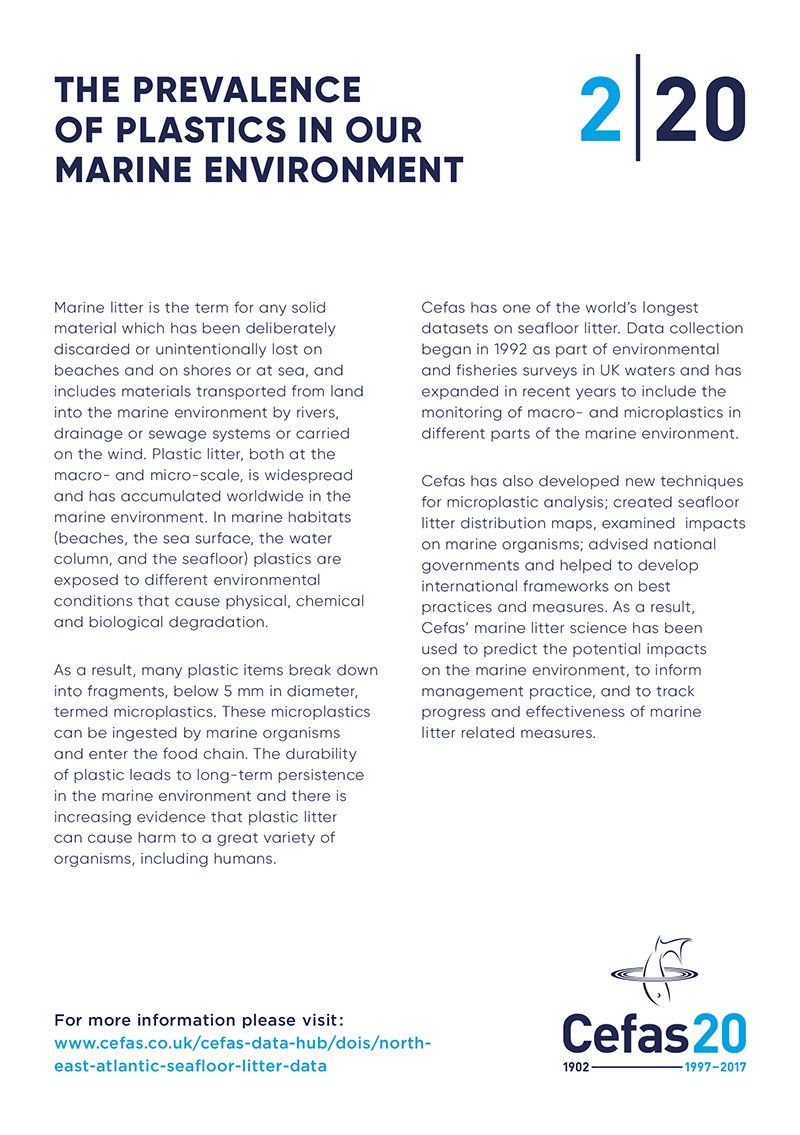
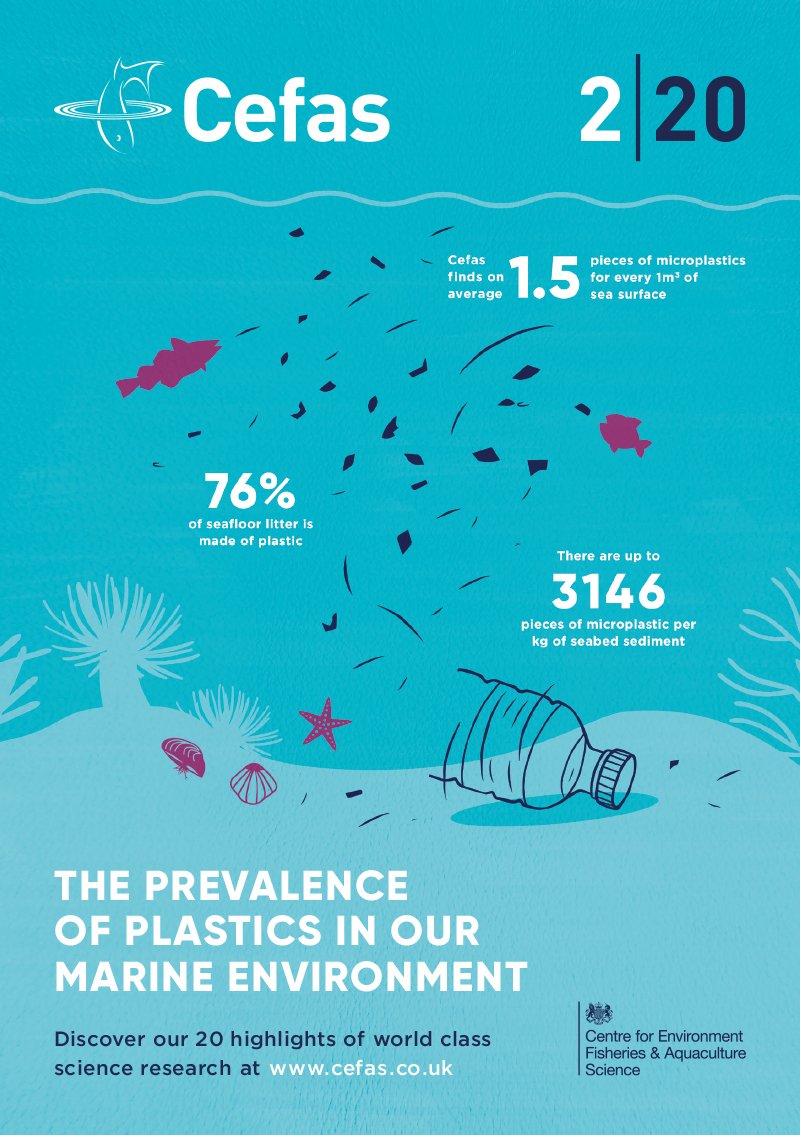
We find on average 1.5 pieces of plastic for every 1m^3 of sea surface. @Seamoht and colleagues both in Cefas and UK/International collaborators are assessing the pervasiveness, analysis and impacts to inform action. https://t.co/UObIgrHljO
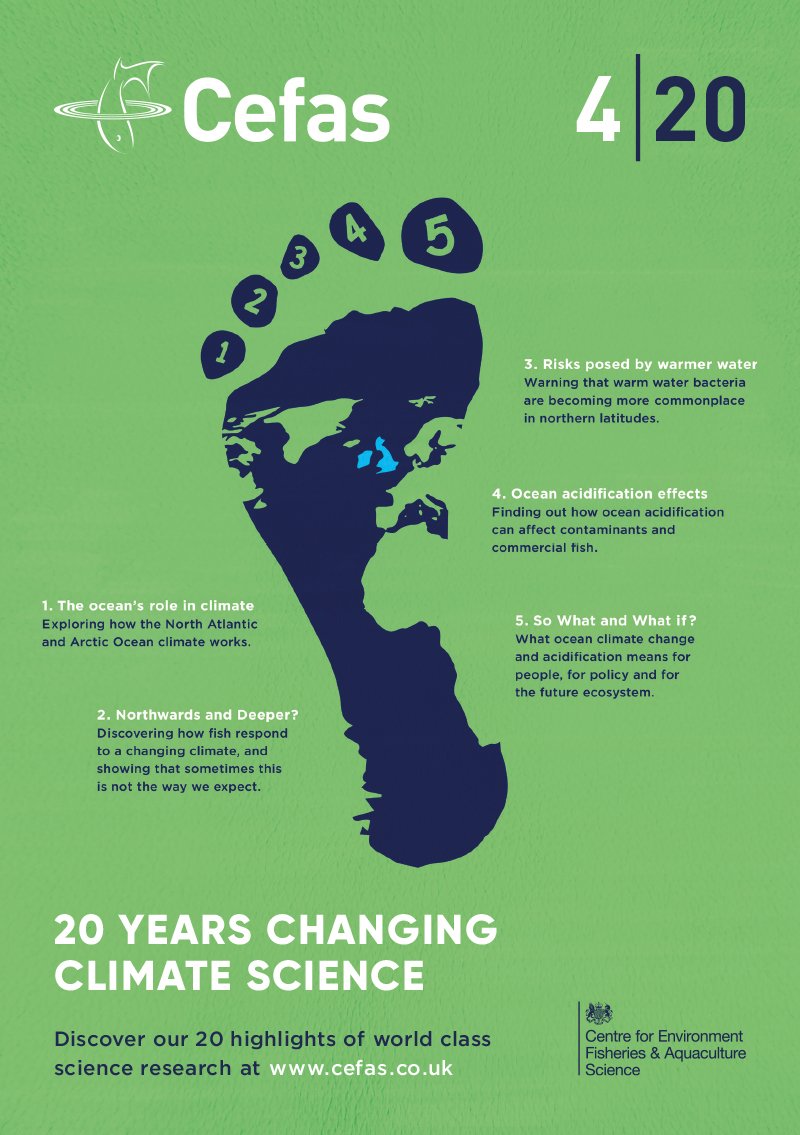
Climate change is impacting marine environments already... & there will be further impacts! Cefas & partners across the @MccipOrgUK network produce report cards on marine climate change impacts. 10 years in UK and now being produced internationally! #BluePlanet2#Cefas20 4of20
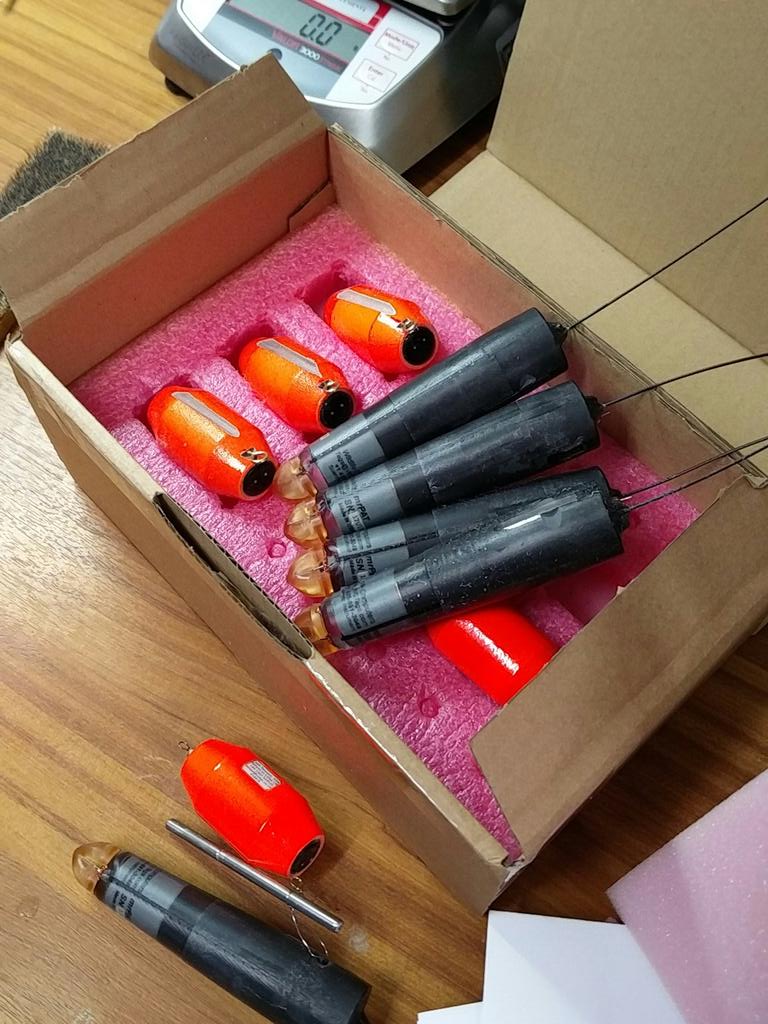
The technology is ready! Five pDST tags from CTL are finished and on their way for deployment on European eels. @CefasTechnology @AarestrupKaa @ElsaAmilhat
Plastics are prevalent in our marine environment. #BluePlanet2 viewers will have been shocked at the impacts they and other marine litter have on our marine environment.
Our new #Cefas20 infographic summarises what we have found and what we are doing to help.
Disturbed by reports of litter on our beaches https://t.co/s9UGBtn3NW?
76% of the seafloor’s litter is made of #plastic, posing dangers to our oceans and the life it supports.
Learn about prevalence, impact and what we are doing in our second #Cefas20 infographic! @Seamoht
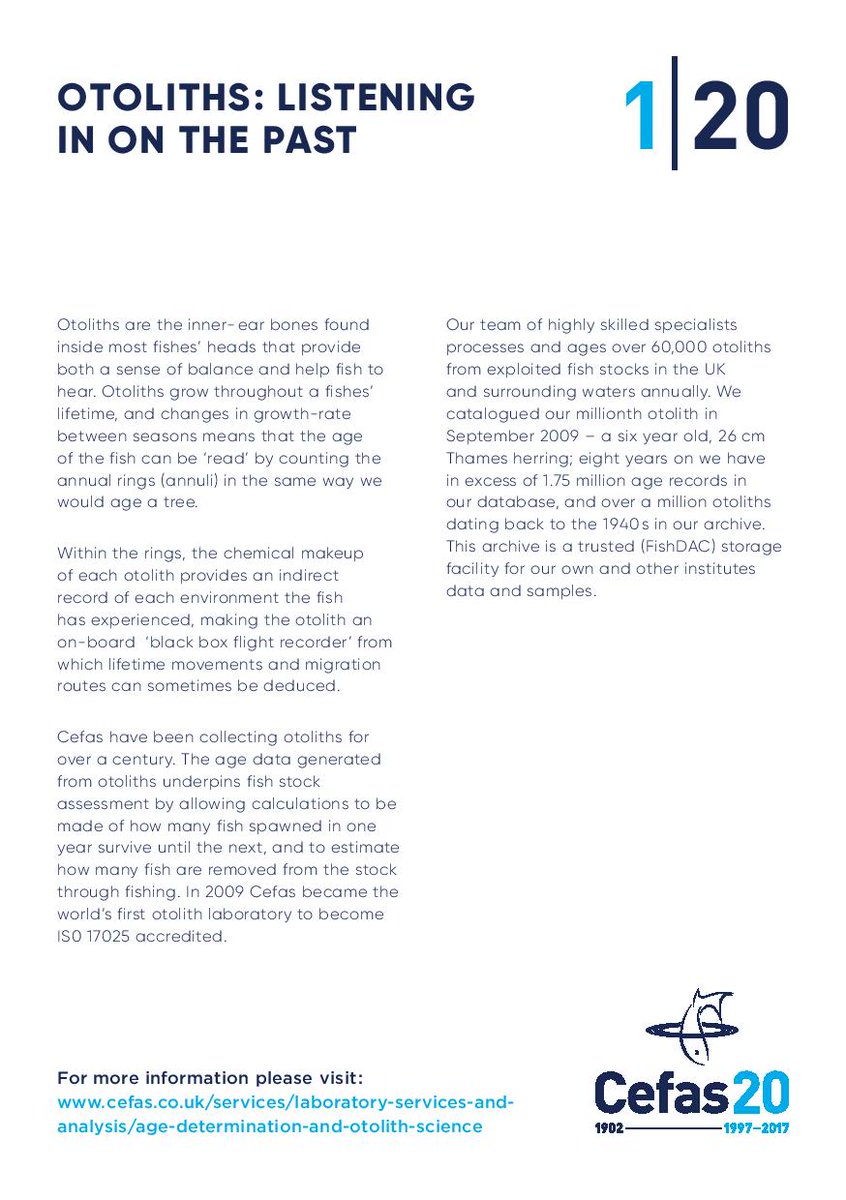
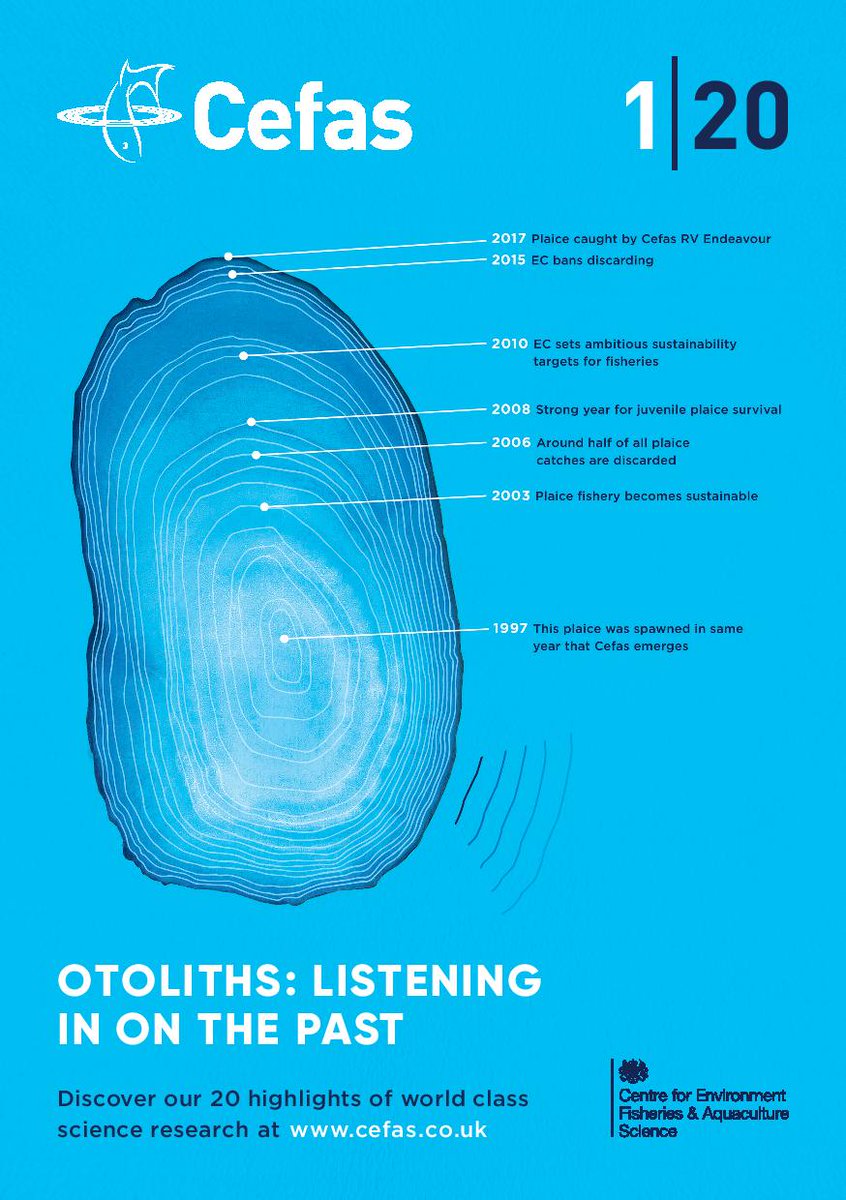
To celebrate #WorldFisheriesDay , we are releasing the first of our #Cefas20 infographics. The series reflects on the past 20 years of #CefasScience and how it has shaped the work that we do now.
Here is infographic number 1 - Otoliths: Listening in on the past
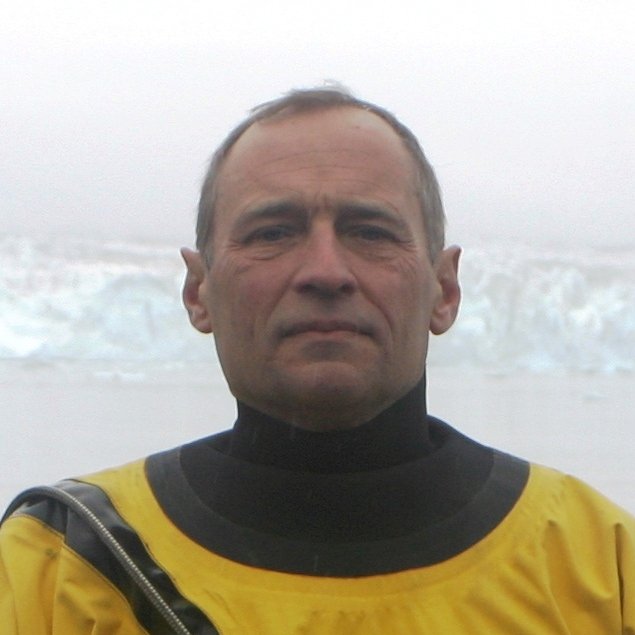
Our #UKBluebelt colleague Vladimir Laptikhovsky is undertaking a data collection survey around Tristan da Cunha. Vladimir is based on board the MV Edinburgh and his research will help determine the sustainability of blue-nose fishery around Tristan da Cunha.