China's public messaging should therefore be evaluated alongside its military developments—not accepted or rejected at face value. Strategic intent is best understood through sustained patterns of capability, deployment, and behavior over time.
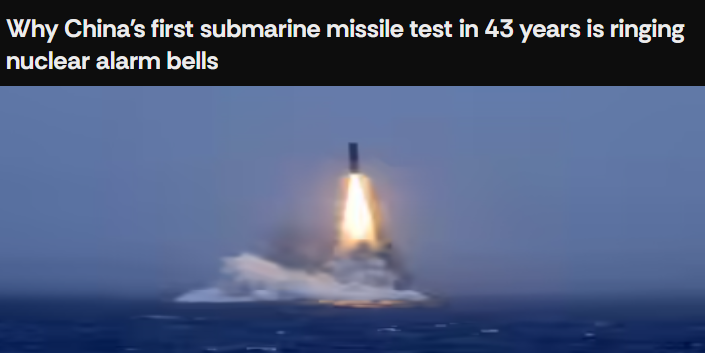
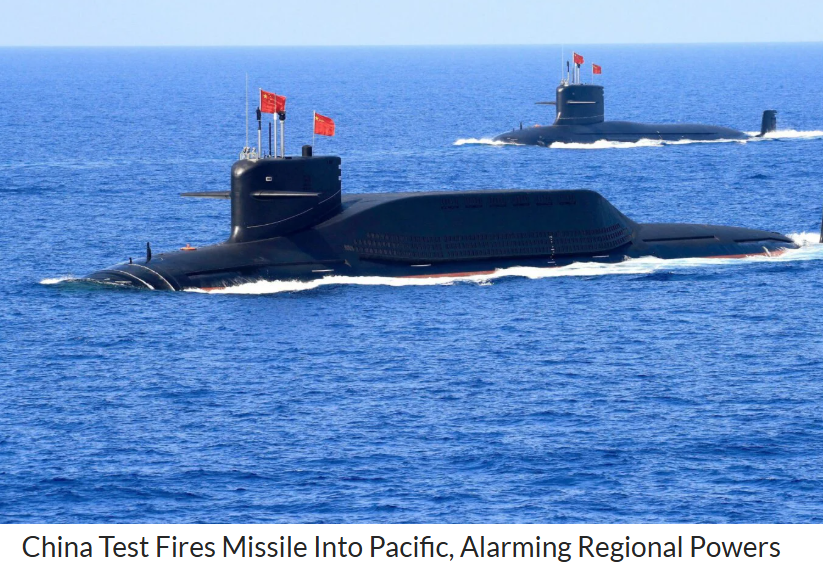
China has described its recent submarine-launched ballistic missile (SLBM) test as "routine" exercise. But strategic signaling is embedded in what governments call routine. This launch deserves to be viewed in context of Beijing's broader military trajectory, not in isolation.
For countries across the Indo-Pacific, the key issue is not whether Beijing labels an exercise as routine. It is whether the cumulative pace of military modernization is altering the regional balance of power and raising the risks of coercion or miscalculation.
China's expanding strategic capabilities are reshaping the Indo-Pacific security landscape. They also ensure that debates over military modernization, deterrence, and regional stability will remain central to Asian geopolitics for years to come.
There is a contradiction between opposing other nations' defense buildups while simultaneously accelerating one's own. Supporters of Beijing, however, contend that China's military modernization is defensive and intended to safeguard its national security.
The situation remains fluid, and developments should be closely monitored as more official information becomes available. Stability in the Indo-Pacific depends on managing disputes peacefully and in accordance with international law.
Beijing has launched a new Coast Guard patrol east of Taiwan, extending its maritime presence into waters where it has no internationally recognized sovereignty. Taiwan says it tracked two CCG vessels just 54 nautical miles off Hualien and has pledged to expel them.
These actions raise broader questions for regional security. How should neighboring countries respond? What role should international law and freedom of navigation play in managing competing maritime claims?