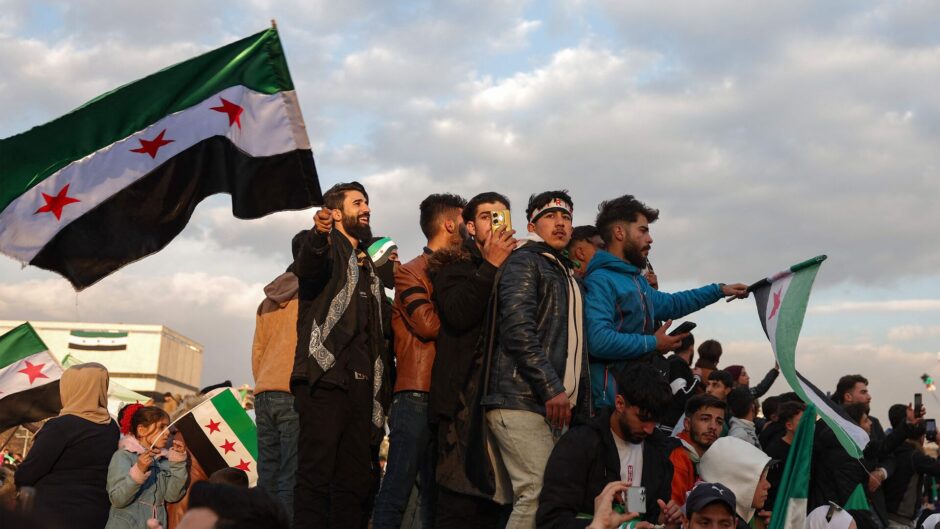
"Syrien er en farlig cocktail af ringe levevilkår, begrænset arbejdsudbud og masser af våben blandt en krigserfaren befolkning. Det er med andre ord opskriften på borgerkrig"
Vestenskov & Streubel-Kristensen i RÆSON SØNDAG (for abonnenter): https://t.co/G2LF4G7OZ7 #dkpol
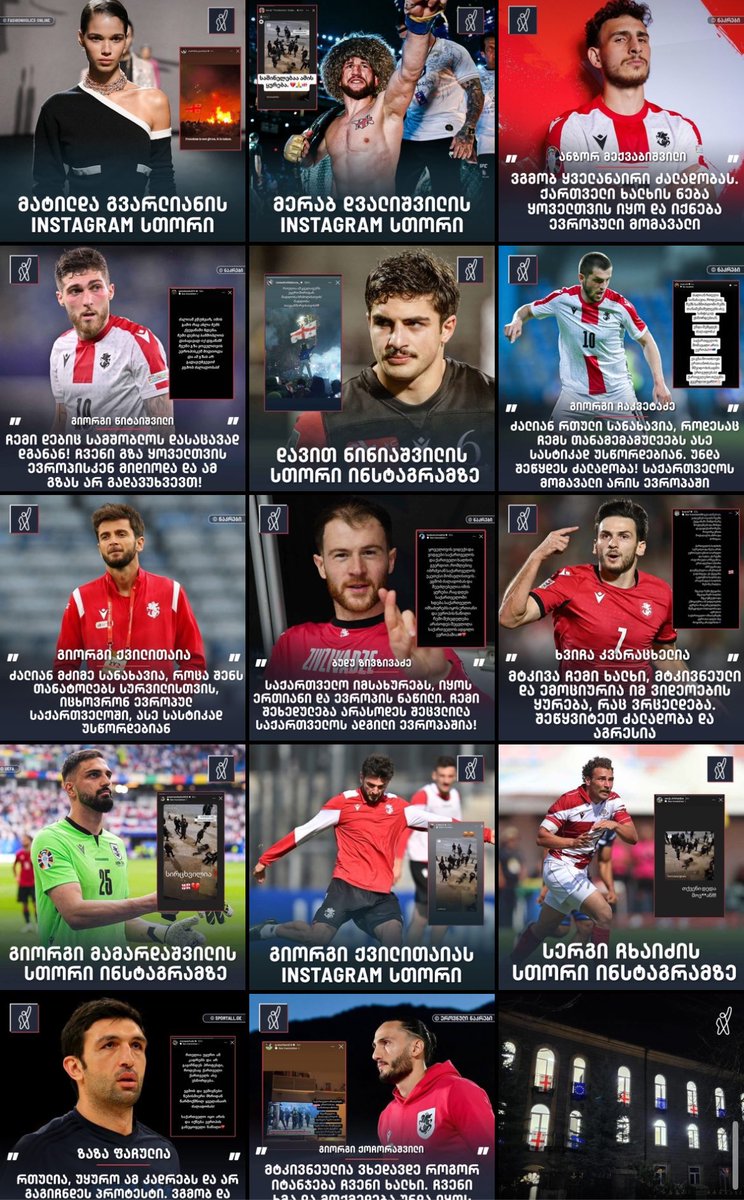
Vi skal heller ikke undervurdere det faktum, at store sportslige personligheder fra Georgien 🇬🇪 har ytret sig i sympati med demonstranterne. Mange af dem har været ganske tavse indtil nu.
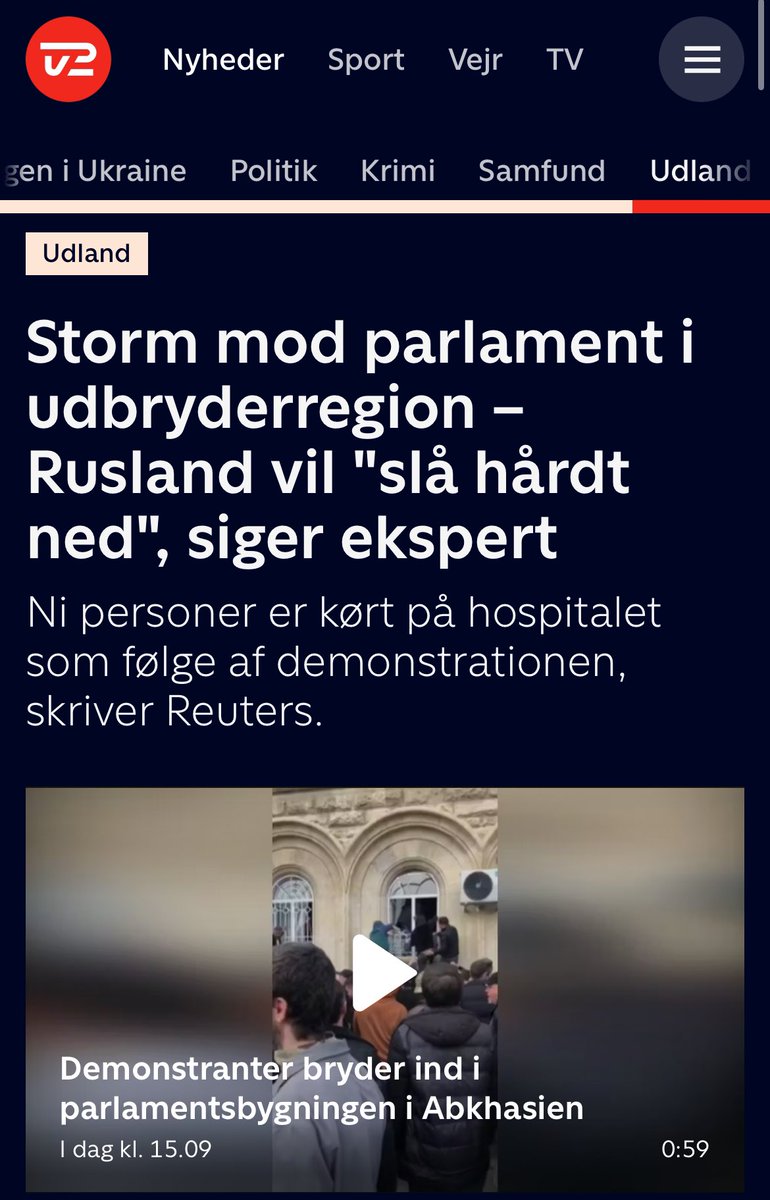
Jeg har udtalt mig til @tv2nyhederne om demonstrationerne i Abkhasien, den russisk-kontrollerede region i Georgien 🇬🇪, hvor parlamentet er blevet stormet og demonstranter kræver præsident Aslan Bzhanias afgang pga. en kontroversiel investeringslov.
Link 🔗 i tråd 🧵.
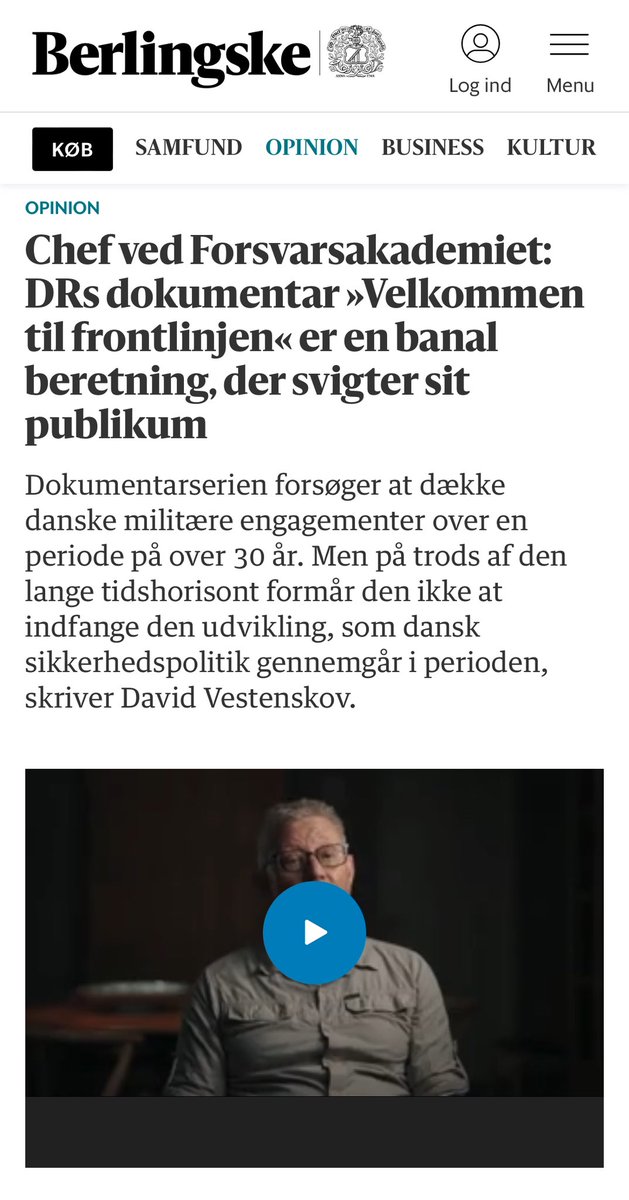
Min chef @DavidVestenskov retter i @berlingske en retmæssig og præcis kritik af DRs nye dokumentarsserie “Velkommen til Frontlinjen”.
Læs med her: https://t.co/RiSzGKk5jF
Den nye CMS-rapport ”Små stater og store våben - Materielanskaffelse i europæiske småstater” har undersøgt, hvilke faktorer der spiller ind, når småstater køber store våben og andet forsvarsmateriel. Læs analysen og anbefalingerne her: https://t.co/gGZAF1rEJm
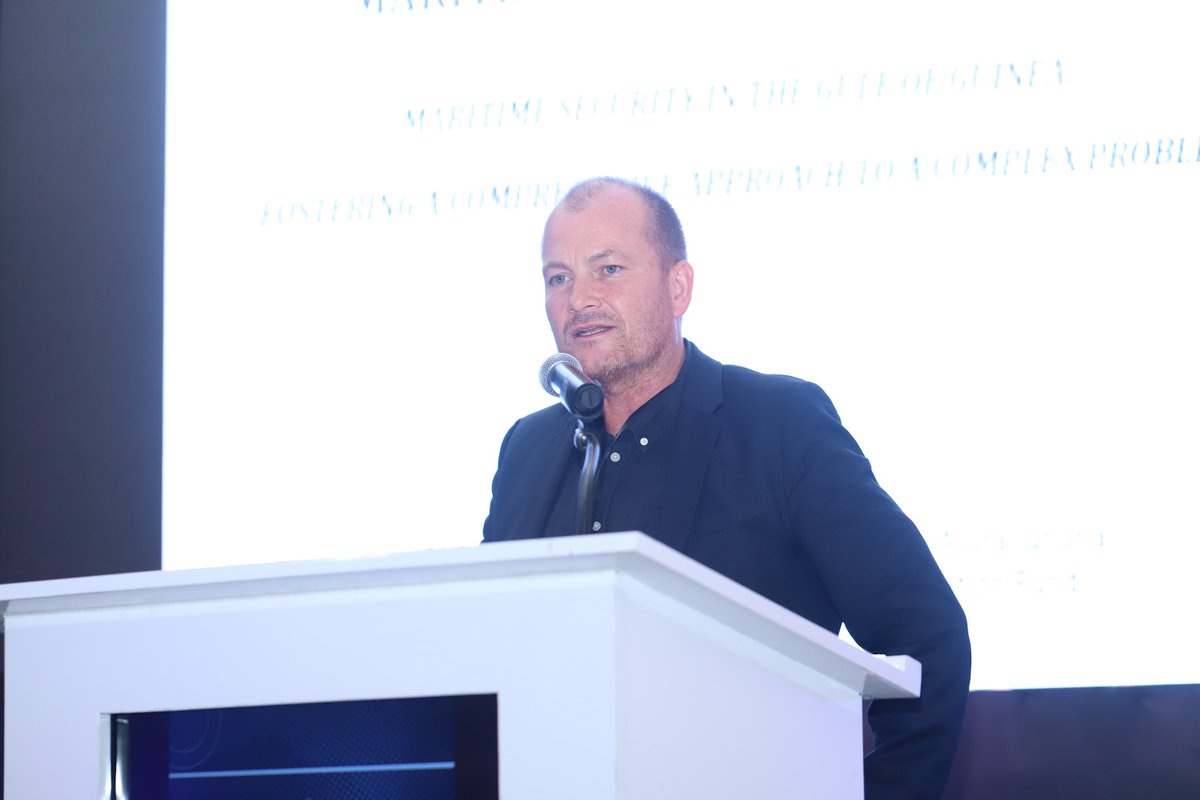
"Addressing complex maritime challenges requires deep understanding and genuine cooperation. We need to move beyond sovereignty and national interests to find transnational solutions," ~ Prof. Thomas Mandrup, Institute of Strategy and War Studies, Danish Defence College.
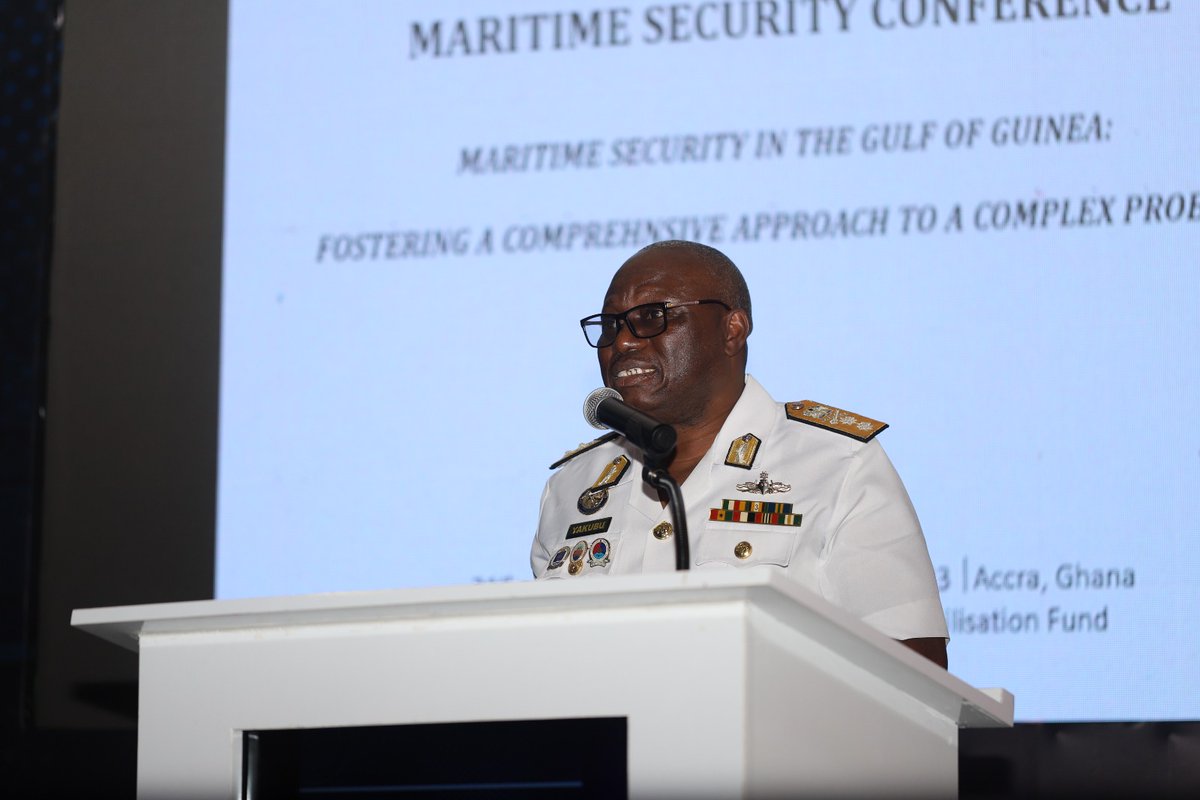
"The interconnectedness of global trade underscores the need for comprehensive solutions. Let's collaborate to ensure a secure maritime domain for all," said Rear Admiral Yakubu, Chief Naval Staff, while highlighting the complex nature of maritime security in the Gulf of Guinea
“In a pre-recorded statement […], he told his supporters: "I have only one appeal, don't sit at home silently."”
It is going to be interesting to see the public reaction to this.
Violence could be the outcome. Let’s hope not.
https://t.co/ZKVbpeulhf
🧵END Lastly, only the moderates care substantially about formal recognition - instead, mirror the regional approaches of de-facto recognition through e.g., multilateral presence (UN).
Hope you enjoyed the thread. Once again a big thanks to the contributors and my supervisors.
10/? Based on my work, I essentially claim three things. First, the Taliban's self-perception is defined by three interrelated narratives: 1) being pristine and rightful interpreters of Islam highlighting piousness, obedience and eternal jihad.
9/? My empirical data encompassed a number of semi-structured interviews with subject matter experts and the reading of numerous primary Taliban sources and secondary reports, open news etc. I owe a big thanks to all those experts who contributed with insightful knowledge!
8/? To counter ont. insecurity, states resort to so-called adaptive mechanisms both internally (within group or state) or externally (vis-a-vis other states). These mechanisms can materialize either as discourses/rhetoric or routines/practices (both policies and ext. relations).
7/? Reflexively, ont. insecurity can occur in cases of critical situations or internal disagreements that conflict with the Taliban's self-perception. Intersubjectively, it would theoretically take place during non-recognition of statehood or misrecognition of self-perception.
6/? Ontological insecurity can arise due to many different circumstances - some claim in a reflexive process, others say it is through interaction with Others (intersubjective). In my thesis, I said it was both.
5/? What is ontological (in)security? Well, the shortest explanation would be that ontological (in)security refers to the security in one's self-perception. In other words, it is in opposition to material security perceptions by focusing on non-material/metaphysical security.
4/? Ontological security theory (OST) is particularly well suited to understand what state actors deem as appropriate behavior while also being attentive to situations where states become attached to seemingly irrational behavior - i.e., the case of the Taliban post AUG 2021.