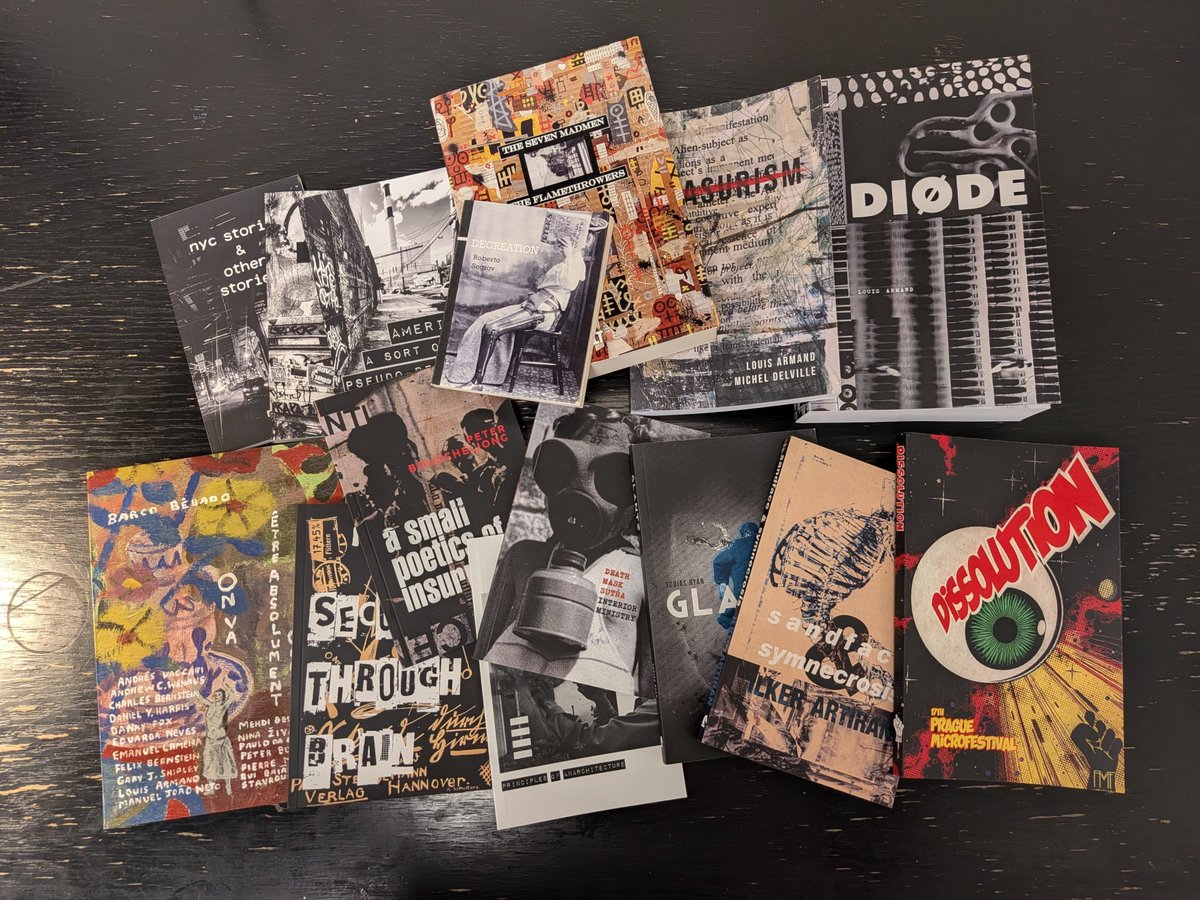
"A spectre is haunting contemporary literary writing, the spectre of necromodernism… a type of modernism in its posthumous state, a necromodernist condition in which writing persists in the ruins of literature’s once-modern ambitions.
Necromodernism neither celebrates the new nor nostalgically mourns the old, inhabiting instead a space where cultural memory, media saturation, and infrastructural collapse converge into textual practice. It is neither an elegy for modernism nor a prophecy of what comes next, but rather a practice of endurance." From my notes towards "Necromodernist Architectures in Contemporary Writing", a propos of some of the most exciting 21st-century fiction to date...
@LouisArmxnd, @1111Press, @incastellated, @CoronaSamizdat, @rickharsch1
I sat down with Draxtor, the worthy successor of the late Rick Harsch at the helm of @CoronaSamizdat Press, at this year's @praguemicrofest to talk about the prehistory & present of Prague Microfestival itself, of the mission(s) of @EquusPress, of Draxtor's own role at Corona, and why it sometimes might be a good thing for a publisher not to know what exactly they are doing...
https://t.co/zba0SbxFcB
Converting the unsuspecting public to the one true faith of contemporary necromodernism at a former chapel lecture hall, Babeș-Bolyai University in Cluj-Napoca, Romania… photo @LouisArmxnd, photo doctoring Tatjana Savchenko.
Two weeks before its official launch at Prague Microfestival, Equus are very proud to announce the arrival of proof copies of Phillip O'Neil's PAINTING EYES ON CHAOS, his final and most ambitious opus magnum.
Set in the interzones of war & peace, O’Neil’s hauntological prose/poem of psychic doom & resurrection casts an eye beyond the mortality of authorship & its discontents, towards the unsaid & the unsayable. Painting Eyes on Chaos is a counterpart to Mental Shrapnel.
Painting Eyes on Chaos is a sprawling, hallucinatory investigation into grief, memory, madness and the treacherous workings of language. Beginning with the mysterious death of Jazz, whose spectral presence haunts a fractured constellation of siblings, lovers, detectives and psychiatric patients, the novel spirals through the streets of Prague, the Arctic wilderness, war zones and the labyrinths of the unconscious.
At its centre lies an encrypted microdrive, a missing truth and an investigation whose boundaries between witness and accomplice, victim and perpetrator, dream and reality become increasingly unstable. Combining detective fiction, epistolary confession, philosophical speculation, grotesque comedy and lyrical experimentation, O’Neil constructs a polyphonic narrative in which identities multiply, memories mutate and the dead refuse to stay buried.
By turns savage, tender, hilarious and harrowing, Painting Eyes on Chaos brings the linguistic inventiveness and uncompromising psychological intensity of Mental Shrapnel to their fullest expression: a posthumous masterpiece of contemporary experimental fiction that asks what it means to bear witness when even the self has become a mystery.
“To ‘paint eyes upon chaos’ is not to domesticate it but to allow it to return our gaze. It is to acknowledge that chaos already observes us: that memory, grief and language possess a life independent of our attempts to master them.”—@DavidVichnar
“There is a melancholy aura of solitude inside each chapter’s core, punctuated by puns, pranks and irreverent O’Neilian pisstakes. Curious, colourful characters vie for pole position in a glorious, ghastly circus of frank, bucolic storytelling. Short stories, poetry, monologues, letters and dream sequences combine to produce a beautiful kaleidoscope of a tale – a ripping yarn.”—Michael Rowland
For ordering details and more information, please visit https://t.co/hpcFfT0X4C
Come watch Marc Cram cook your grampas!
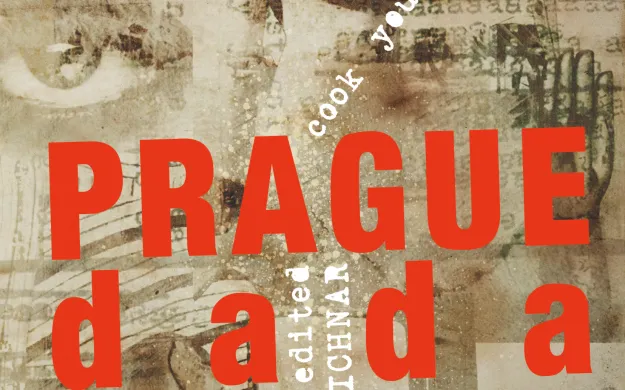
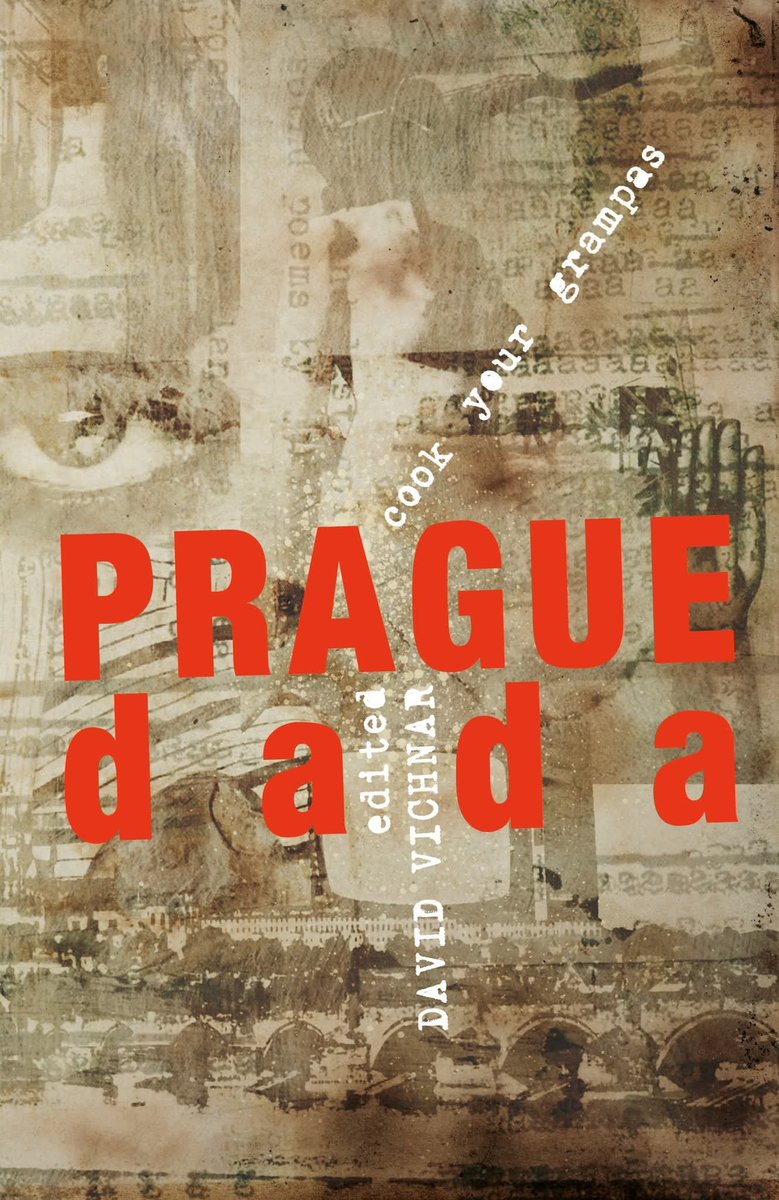
This Sunday evening, 1 Nov at 7 pm, as part of this year's PMF Prague Microfestival, we will be launching COOK YOUR GRAMPAS: PRAGUE DADA ANTHOLOGY.
At once archive, counter-history and incendiary entertainment, restoring dozens of neglected texts to circulation, many appearing in English for the first time. This volume fills a substantial gap in cultural history, in general, and of the avant-garde, in particular.
COOK YOUR GRAMPAS: PRAGUE DADA repairs a distorted view of Prague as having stood outside the most decisive cultural revolution of the 20th century – DADA! – whereas it served as one of the “movement’s” major nexuses, alongside Zürich, Paris, Cologne, Hanover & Berlin.
What emerges in this retelling is a city speaking in many & fractured tongues, laughing at the tax collectors & bureaucrats of Empire & nationalism alike, at generals, bankers, Führers and the grotesque solemnity of power in all its forms.
Presentation and slideshow followed by a Q&A and Marc Cram's performance of Kurt Schwitters' URSONATE.
All welcome!
https://t.co/xNLzXQ2ePM
DESET OTÁZEK K REORGANIZACI FF UK /
10 QUESTIONS ABOUT THE RESTRUCTURING OF FFUK
(For ENG see below)
Současná reorganizace je představována jako nutná, udržitelná a dlouhodobě připravovaná. Znamená slučování pracovišť, personální redukce, pozastavování přijímacího řízení a možný zánik samostatných kateder a ústavů. Deset otázek přitom zůstává pozoruhodně obtížné zodpovědět.
1. Pokud se reorganizace připravuje od roku 2023, proč se dotčená pracoviště o jejích důsledcích dozvěděla v létě 2026?
Zásadní rozhodnutí přišla těsně před prázdninami, někdy s několika dny na reakci. Tři roky na přípravu, pár dní na odpověď. Zvláštní představa o transparentnosti.
2. Kde je odborná koncepce?
„Stabilita“, „udržitelnost“, „synergie“, „potenciál“, „excelence“: slov je dost. Mnohem obtížnější je zjistit, jak menší počet zaměstnanců, rozptýlení odborných týmů a rušení institucionálních struktur zlepší výuku či výzkum. Ekonomický argument je celkem zřejmý. Akademický stále chybí.
3. Kolik lidí má přijít o práci?
Vedení připouští až 57 zasažených zaměstnanců a očekává úsporu až 37 milionů korun ročně na mzdách. Ať se zvolí jakýkoli termín, značná část plánované úspory vznikne tím, že fakulta bude zaměstnávat méně lidí.
4. Jak se z vyšších mezd stal důvod k propouštění?
FF UK léta zajišťovala mezinárodně respektovanou výuku a výzkum za pověstně nízké mzdy. Ty se konečně začaly zvyšovat. Růst mzdových nákladů nyní zaujímá významné místo mezi argumenty pro reorganizaci. Někteří z těch, kteří fakultu celé roky drželi v chodu za nedůstojné mzdy, tak mohou jejich zvýšení pocítit ztrátou zaměstnání.
5. Odkdy znamená malý totéž co postradatelný?
Muzikologie, sinologie, divadelní věda či translatologie nikdy nebudou masovými disciplínami. Velikost vypovídá o hodnotě specializovaného vědění pozoruhodně málo. Univerzita řízená především úsporami z rozsahu nakonec nevyhnutelně zjistí, že značná část humanitních věd je ekonomicky nepraktická.
6. Co zbude z oboru, když ztratí vlastní institucionální zázemí?
Zrušení či sloučení pracoviště formálně neznamená zánik oboru. Jeho název může dál bez problémů přežívat v akreditačním dokumentu. Lidé odejdou, týmy se rozpadnou, institucionální paměť zmizí. Výzkumné prostředí budované desítky let se vytrácí poněkud tišeji.
7. Proč právě v létě?
Zásadní návrhy přišly těsně před prázdninami. Dotčená pracoviště popsala proces jako překotný a netransparentní; zazněla závažná svědectví o nátlaku a zastrašování. Tříletá strategie tedy dospěla do své nejzásadnější fáze právě v době, kdy byla možnost kontroly nejslabší.
8. Co se stane při příštím rozpočtovém problému?
Reorganizace nijak neřeší strukturální podfinancování humanitních věd. Další výpadek proto dříve či později přijde. S ním patrně další „neudržitelné“ pracoviště, další slibná „synergie“ a další politováníhodně nutná redukce. „Udržitelnost“ tak začíná připomínat program permanentního zmenšování.
9. Kde tento proces vlastně začíná a končí?
Nejdřív přišlo omezení doktorských programů a změny oborových rad. Poté návrh na zrušení Ústavu translatologie. Nyní slučování a personální redukce napříč fakultou. Dohromady tyto zásahy popisují instituci, která se postupně zmenšuje tak, aby se vešla do objemu prostředků, jež má k dispozici. To může být finanční management. Jako představa o budoucnosti fakulty je to poněkud chmurné.
10. Jaký problém se tedy vlastně řeší?
Základním problémem je dlouhodobé podfinancování. Reorganizace nepřinese humanitním vědám více peněz, nezmění systém jejich rozdělování ani nezlevní provoz specializovaných disciplín. Sníží výdaje tím, že zmenší instituci. Jakmile se nedostatečné financování přijme jako přirozené měřítko velikosti fakulty, každý další nedostatek už v sobě obsahuje své řešení: méně lidí, méně pracovišť, méně oborů.
Účetnictví se možná nakonec podaří vyrovnat.
Otázkou je, co v něm ještě zbude.
=============
The present restructuring is being described as necessary, sustainable and long planned. It involves mergers, staffing reductions, suspended admissions and the possible disappearance of independent departments. Ten questions remain remarkably difficult to answer.
1. If this has been planned since 2023, why did affected departments learn the consequences in the summer of 2026?
Fundamental decisions arrived shortly before the holidays, sometimes with only days allowed for a response. Three years to prepare; a few days to react. A curious model of transparency.
2. Where is the academic strategy?
“Stability”, “sustainability”, “synergies”, “potential”, “excellence”: the vocabulary is plentiful. Much harder to find is an explanation of how fewer staff, dispersed specialist teams and abolished institutional structures improve teaching or research. The economic argument is clear enough. The academic one remains elusive.
3. How many people are actually going to lose their jobs?
Management acknowledges that up to 57 employees may be affected and anticipates payroll savings of up to CZK 37 million annually. Whatever terminology is preferred, a substantial part of the projected saving comes from employing fewer people.
4. How did higher salaries become a reason for redundancies?
For years, FF UK maintained internationally respected teaching and research on notoriously poor salaries. Those salaries finally began to rise. Increased payroll costs now feature prominently in the argument for restructuring. Some of the people who kept the Faculty functioning while chronically underpaid may thus experience the improvement in university salaries by losing theirs altogether.
5. Since when did small mean dispensable?
Musicology, Sinology, Theatre Studies or Translation Studies will never be mass disciplines. Size tells remarkably little about the value of specialised knowledge. A university organised primarily around economies of scale will eventually discover that much of the humanities is economically inconvenient.
6. What remains of a discipline once its institutional home has gone?
Abolishing or merging a department does not formally abolish a discipline. The name can survive perfectly well in an accreditation document. People leave, teams disperse, institutional memory disappears. Research cultures built over decades unravel rather more quietly.
7. Why the summer?
Major proposals arrived just before the holidays. Affected departments have described the process as opaque and rushed; serious allegations of pressure and intimidation have been made. A three-year strategy apparently required its most consequential stage to begin precisely when scrutiny was at its weakest.
8. What happens at the next budget crisis?
Nothing in the restructuring solves the structural underfunding of the humanities. Another shortfall will therefore arrive sooner or later. At that point there will presumably be another “unsustainable” unit, another promising “synergy”, another regrettably necessary reduction. “Sustainability” begins to look remarkably like a permanent programme of contraction.
9. Where does the process actually begin and end?
First came the reductions in doctoral provision and the reshaping of study boards. Then the proposal to abolish the Institute of Translation Studies. Now mergers and staffing reductions extend across the Faculty. Each intervention has its separate justification. Together they describe an institution steadily being resized to fit the resources made available to it. That may be financial management. It is a bleak substitute for a vision of what the Faculty should be.
10. What problem is actually being solved?
The underlying problem is chronic underfunding. The restructuring does not provide more money for the humanities, alter the system that distributes it, or make specialised disciplines inherently cheaper to maintain. It reduces expenditure by reducing the institution. Once inadequate funding is accepted as the natural size of the Faculty rather than a condition to be challenged, every subsequent shortage contains its own solution: fewer people, fewer structures, fewer disciplines.
Eventually the books may balance.
The question is what will be left on them.
Cunningly disguised by one @DavidVichnar as a critical anthology of PRAGUE DADA, this incendiary device was left at my door last night & is presently blowing my mind. It'll blow yrs, too. Summon the Real Presence of PRAGUE DADA via @Litteraria Pragensia Books
After ten years in the making, the first copy of COOK YOUR GRAMPAS: PRAGUE DADA has arrived.
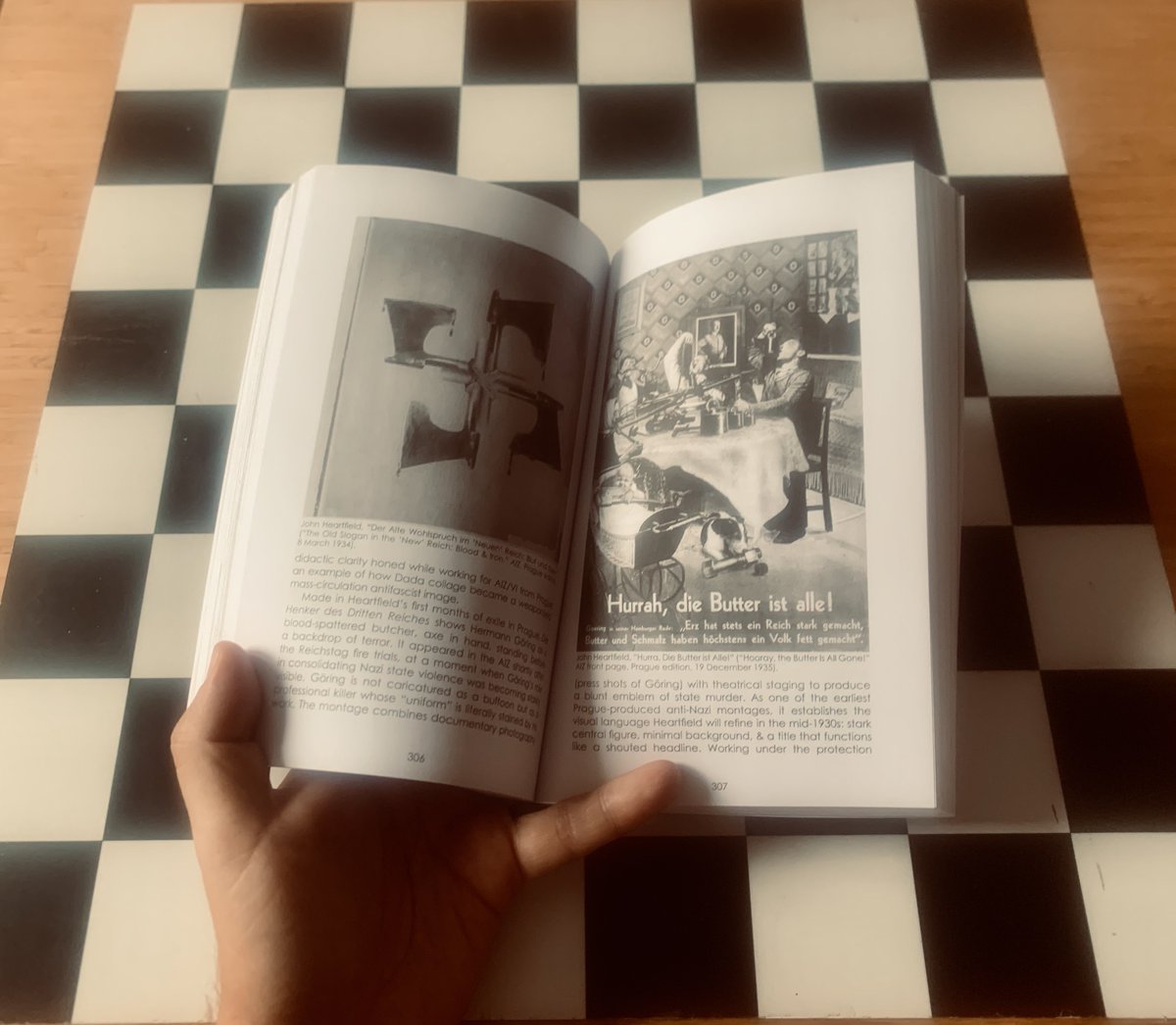
Here it is photographed in four different positions, partly to prove that it is a real, 3D object and not some elaborate avantgarde rumour. 466 pages of a century of Prague Dada. Several kilos of manifestos, photomontage, cabaret, sabotage, pataphysics & weaponised nonsense loaded onto this nifty vessel.
It exists, with corners, and it can even stand up unaided. Even if I tried I could hardly be prouder.
"Here WAS Prague Dada, here IS Prague Dada. Avant-incubator>>intnl breeder reactor. Displode us some more of yr fissile material, a 21st century gobstopper."—Ansgar Allen
"If there isn't the saying "scratch a Czech and you'll find a Dadaist" there ought to be. As twentieth century Europe wove a rope out of bourgeois platitudes, nationalist marching songs and political rants to hang itself with, this wonderful anthology shows that the Czech Dadaists continued to intervene in the ceremony with heroic insouciance."—Zeese Papanikolas
"A very valuable anthology. […] Overall, this book should force some serious rethinking not only of the alleged absence of Dada in Prague, but of the wider historiography of Devětsil, Poetism, & the Czech avantgarde. It is an important contribution to art-historical scholarship."—Derek Sayer
Free pdf downloadable & print version available from: https://t.co/xNLzXQ2ePM
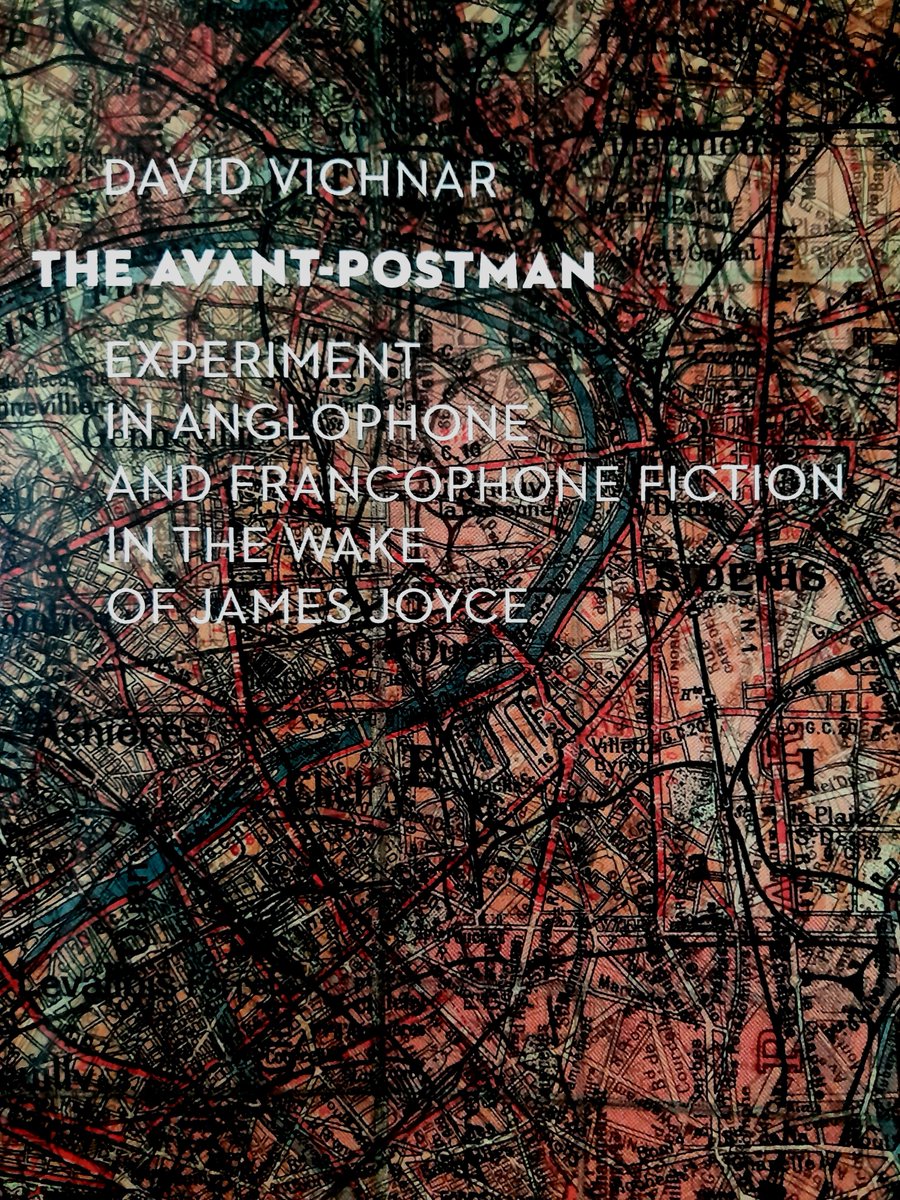
A superb examination of 20th-century experimental writing in the vein of Joyce. We need something like this, beyond the ethno/Joycean constraint, for the 21st century...
K současnému dění na FFUK, které můžu jako drtivá většina z vás jen z povzdálí sledovat:
Nejdřív translatologie. Teď divadelní věda, estetika, filmová a hudební věda, pedagogika, andragogika, asijská studia, sinologie, a spolu s tím desítky pracovních míst. „Optimalizace“ FF UK začíná nabývat poněkud obludných rozměrů.
Chronické podfinancování humanitních věd je písničkou až příliš obehranou. Méně pochopitelné je, proč na ně fakulta odpovídá tím, že během léta, navíc bez skutečné akademické diskuse a bez srozumitelné představy o budoucnosti, začne likvidovat či slučovat obory, jejichž odborná tradice vznikala desítky let.
Malý obor není obor zbytečný. Univerzita není podnik a její smysl nespočívá v co nejefektivnější správě úvazků. Jestli má být odpovědí na dlouhodobé politické podfinancování humanitních věd jejich postupná samolikvidace zevnitř, pak za jejich odpůrce odvádíme práci sami.
A po tom, čím FF UK před dvěma a půl lety prošla, je mimořádně tristní sledovat, jak rychle se ze slov o péči, solidaritě, akademickém společenství a o tom, jak "to spolu zvládneme", stala řeč o „optimalizaci“, rušení a propouštění.
Solidarita už nestačí, tyto plány je třeba odmítnout. Veřejně, společně a dřív, než se z „optimalizace“ stane hotová věc. Tohle bude naše fakulta ještě dlouho.
=======================
À propos of the current goings-on at the Faculty of Arts, which, like the overwhelming majority of you, I can only watch from the sidelines:
First Translation Studies. Now Theatre Studies, Aesthetics, Film and Music Studies, Education, Adult Education, Asian Studies, Sinology, and together with these, dozens of jobs. The “optimisation” of the Faculty of Arts is beginning to assume rather monstrous proportions.
The chronic underfunding of the humanities is a tune all-too-often sung. Less comprehensible is why the Faculty should respond by spending the summer, without genuine academic debate or any intelligible vision of its future, dismantling or merging disciplines whose expertise has taken decades to build.
A small discipline is not a redundant one. Nor is a university a business whose purpose is the efficient management of FTEs.
If the answer to the chronic political underfunding of the humanities is their gradual self-liquidation from within, we are doing their opponents’ work for them.
And after everything the Faculty went through two and a half years ago, there is something particularly grim about watching the language of "care, solidarity, academic community," and of how "together we'll make it," give way so quickly to “optimisation”, closures and redundancies.
Solidarity is no longer enough, these plans need to be opposed. Publicly, collectively, and before “optimisation” becomes a fait accompli. We’ll be living with the Faculty this creates for a long time.
After ten years, numerous detours, several arguments, a few denunciations & more than one attempt to declare its subject nonexistent, the thing is finally real.
“Cook Your Grampas”: PRAGUE DADA overturns a century of received wisdom that Dada passed the Czech lands by.
Across 466 lavishly illustrated pages, this critical anthology reconstructs an international, multilingual scene in which Czech, German, Romanian, Serbian and other avantgardes collided—and where poetry, theatre, typography, photomontage, cabaret, political sabotage and weapons-grade nonsense became difficult to tell apart.
The cast is formidable and frequently unhinged:
Jaroslav Hašek founds a political party devoted to moderate progress within the bounds of the law;
Walter Serner loosens the last remaining screws of European civilisation;
Melchior Vischer fires the novel through the brain;
Raoul Hausmann races a typewriter against a sewing machine;
František Halas orders us to cook our grampas;
Voskovec and Werich turn theatrical idiocy into an exact science;
John Heartfield weaponises the photographic image against fascism;
Tristan Tzara, Václav Havel, (the late) Milan Knížák, Josef Hiršal, Bohumila Grögerová and the Teplice pataphysicians carry the assault forward.
Proving, though it seems to have been in doubt for so long, that in Prague, Dada remained what its founders wanted but never quite managed to make of it: an unfinished project.
COOK YOUR GRAMPAS: PRAGUE DADA may bear my name as editor & translator, but from the beginning it has also been a shared wager. @LouisArmxnd had faith in the project long before its eventual dimensions (or its decade-long gestation) could have been foreseen.
Our jointly written introduction gave the book not only its critical framework but much of its polemical impetus: the conviction that Prague was no provincial echo of Zürich or Berlin, but one of Dada’s most volatile laboratories.
Louis' contribution was no less material. He designed & typeset the entire 466-page object, sourced, restored & arranged its extraordinary visual archive, and gave the book the form in which it could finally exist.
What might have remained an unruly mountain of translations, documents, manifestos, poems, plays, essays & obscure historical debris became, through his work, an even more unruly, but genuinely beautiful, book.
To the friends, writers, editors & reviewers reading this: should any of you wish to take a closer look, a review PDF will be dispatched with great pleasure, just say the word.
For more information, the freely available pdf, and ordering details, please visit https://t.co/xNLzXQ2ePM
What began in 2015 with the first English translation of the long-neglected FIRST DADA NOVEL (Melchior Vischer's SECOND THROUGH BRAIN, written in Prague, 1920) has culminated, after a decade's further research & translation work, in @DavidVichnar's COOK YOUR GRAMPAS: PRAGUE DADA.
@KVIFF 2026 DENÍK, DRUHÁ PŮLE, aneb druhá pětka nej z mých letos promítaných filmů...
1. Znenadání (Francie, Japonsko, Německo, Belgie 2026)
Rjúsuke Hamaguči navazuje na svůj oscarový snímek Drajv maj kár novým opusem, který si získal publikum hlavní soutěže na festivalu v Cannes a oběma protagonistkám vynesl Cenu za nejlepší ženský herecký výkon.
Marie-Lou vede pečovatelský dům, v němž se snaží prosadit nové, humánněji orientované způsoby péče o klienty, které však narážejí na zažité postupy zkušeného personálu. Mari, divadelní režisérka, uvádí svou novou hru a zároveň bojuje s pokročilým stadiem rakoviny. Když se tyto dvě ženy náhodně setkají, vznikne mezi nimi silné pouto založené na hlubokých filozofických debatách o životě, vesmíru a vůbec, ale i pozdním kapitalismu a společenských strukturách.
2. Nácvik revoluce (Česká republika, Španělsko 2026)
Dokumentaristka a herečka Pegah Ahangarani sleduje dějiny své země skrze historii soukromou. V pěti portrétech svých blízkých, tedy příbuzných či osob, které ji nějak ovlivnily, nachází okamžiky, které jsou společné její vlastní minulosti i přelomovým epochám Íránu, ať už jde o íránsko-iráckou válku, revoluci či aktuální hnutí Ženy, život, svoboda. Pegah Ahangarani s neobyčejným citem skládá archivní materiály, aby co možná nejlépe pochopila Írán, zemi v mnoha aspektech tajemnou, přesto poslední dobou denně skloňovanou v médiích...
3. Moment (USA, 2026)
Celovečerní debut mladého skotského fotografa a filmaře Aidana Zamiriho s notnou dávkou ironie i sebereflexe odhaluje, co všechno s sebou přináší nečekaná mainstreamová sláva. Stylové, pulzující mockumentary o hvězdě, která připravuje své první arénové turné, představuje Charli XCX v nadsazené, ale překvapivě upřímné roli, pro niž byla (jejími vlastními slovy) stvořena.
4. Jak se naučit dýchat pod vodou (Irsko, Velká Británie, Nizozemsko 2026)
Osmiletý Leo žije sám s tátou a obřím žralokem, který narazil do střechy jejich domu a který je zároveň Leovým nejlepším kamarádem, kterému se může svěřit se vším. S tátou se totiž mluví špatně. Asi se mu stýská po mámě, která s nimi již pět let není. Když do jejich domácnosti jednoho dne vtrhne chůva Anya, svět se najednou mění. Okouzlující film pro rodiče i děti o tom, jak spolu mluvit a jak spolu truchlit. A hlavně o tom, jak se znovu pořádně nadechnout.
5. Zavraždění čínského bookmakera (USA 1978)
„Před lety jsme spolu s Martinem Scorsesem během jednoho večera vymysleli gangsterský příběh o majiteli nočního klubu, který dluží spoustu peněz a nechá se přemluvit k vraždě někoho, kdo ale ve skutečnosti vůbec není tím, za koho jej považuje,“ popisuje John Cassavetes genezi filmu, pochmurné charakterové studii tvářící se jako neo-noirová krimi, v hlavní roli s proslulým Benem Gazzarou. Melancholický vhled do mužské duše je zároveň metaforou připodobňující Cassavetesem nenáviděné kapitány hollywoodského průmyslu ke gangsterům.
--------------------------
@KVIFF 2026 DIARY, HALF TWO, or, another five best movies I screened this year.
1. All of a Sudden (France, Japan, Germany, Belgium 2026)
Ryûsuke Hamaguchi follows up on his Oscar-winning Drive My Car with a new film whose meditative and deeply emotional tone won over audiences at the main competition in Cannes, where its two leads shared the award for Best Actress.
Marie-Lou is the director of a nursing home, where she is trying to implement a new, more humane approach to caring for her clients, which runs into resistance from the staff, who are used to the old way of doing things. Meanwhile, theatre director Mari is presenting a new play while struggling with advanced cancer. When these two women meet by chance, a powerful bond forms between them, founded on deep philosophical discussions on life, the universe, and all, but also on late-capitalism and social structures.
2. Rehearsals for a Revolution (Czech Republic, Spain, 2026)
Actress and documentary filmmaker Pegah Ahangarani looks at her country’s history through personal stories. In five portraits of people in her life, be they family or others who have in some way influenced her, she finds commonalities with her own past and with important moments in Iranian history, including the Iran-Iraq war, the revolution, and the recent Women, Life, Freedom movement. Working with extraordinary sensitivity, Ahangarani weaves together archival materials in order to try to understand Iran, a country that, though it has recently been in the news on a daily basis, in many ways remains a mystery...
3. The Moment (USA 2026)
Imbued with a healthy dose of irony and self-reflection, Scottish photographer and filmmaker Aidan Zamiri’s feature film debut looks at all the things that come with unexpected mainstream success. This stylish, pulsating mockumentary about a star getting ready for her first arena tour presents Charli XCX in an exaggerated yet surprisingly honest role, a role that she says she was born to play.
4. Learning To Breathe Under Water (Ireland, United Kingdom, Netherlands 2026)
Eight-year-old Leo lives with his dad and a giant shark, which crashed through the roof of their home and is now Leo’s best friend, to whom he can confide all his secrets. He can’t really talk to his dad; he must be missing mum, who’s been gone five years now. Then Anya the au pair bursts into their lives, and their world suddenly changes... An enchanting film for parents and children about how to talk together and how to grieve together, and, above all, about learning how to breathe again.
5. The Killing of a Chinese Bookie (USA 1978)
“Years ago, Martin Scorsese and I were talking and in one night made up this gangster story about this nightclub owner who owes a lot of money and is talked into killing someone who isn’t really the person he thinks he’s going to be killing.”
Thus describes John Cassavetes the origins of this film, a dark character study passing itself off as a neo-noir crime drama starring Ben Gazzara as the charismatic owner of a strip club. With his melancholic glimpse into the male psyche, Cassavetes created a metaphor likening the captains of Hollywood (whom he detested) to gangsters.
@KVIFF 2026 DENÍK, PRVNÍ PŮLE, aneb pět nej z mnou promítaných filmů...
1. Zemřít za život (Ukrajina, Lotyšsko, Slovensko, 2026)
Dokumentární opus snímaný v průběhu dvanácti let prostřednictvím fragmentárního filmového jazyka evokujícího traumatizovanou mysl protagonistů přibližuje nepředstavitelné – jak přijmout to, že někteří přežijí, zatímco jiní umírají, a že tváří v tvář vlastní smrti zůstává především touha žít.
Šachta, Tanečník a Potter jsou tři ukrajinští muži, kteří v roce 2014 dobrovolně narukují do armády, aby bojovali v rusko-ukrajinském konfliktu na východě své země. Přestože je po dvou letech na frontě strašlivé zážitky provázejí každou vteřinu jejich existence, snaží se navrátit do civilního života. S ruskou invazí v únoru 2022 jsou však opět nuceni čelit válce.
2. Dvojník (Velká Británie 2013)
Režisér Richard Ayoade ve své adaptaci Dostojevského novely vytváří podmanivý svět na pomezí černé komedie, psychologického thrilleru a až kafkovské noční můry. A právě pro jeho odkaz k evropské kulturní tradici si představitel dvojrole Jesse Eisenberg vybral Dvojníka k osobnímu uvedení na letošním festivalu.
3. Milost (Itálie, 2025)
Komu patří naše dny? Sorrentinovo mistrovské dílo, které pojednává o smrti, odpovědnosti, etice v politice, ale také o mezilidských vztazích. Režijní styl založený na výrazné hudbě a okázalých kamerových jízdách ustoupil do pozadí melancholickému rozjímání o neodvratnosti stáří, pomíjivosti krásy a neodčinitelnosti minulých rozhodnutí.
4. Něžné monstrum (Rakousko, Německo, Francie, Švédsko, 2026)
Nejnovější film rakouské režisérky Marie Kreutzer je emocemi nabitou studií ženy, která se ocitá na pokraji zničeného života, mezi důvěrou a klamem, rolí oddané matky a citově zraněné ženy, a sestupuje na samé dno vlastních emocí. V hlavní roli exceluje francouzská herečka Léa Seydoux.
5. Krásný smutný svět ( Libanon, USA, Německo, 2025)
Hraný debut libanonského režiséra Cyrila Arise je love story, která v průběhu několika dekád sleduje pár, Nina a Yasminu, tedy v životních úsecích zamilovanosti, již ustálené partnerské lásky a rodičovství, přičemž jejich vztahy vždy nějak poznamenává politická realita Libanonu.
===================
Karlovy Vary International Film Festival 2026 DIARY, HALF ONE,
or, the five best movies I've screened so far.
1. To Die to Live (Ukraine, Latvia, Slovakia, 2026)
Filmed over the course of twelve years, this documentary uses a fragmentary cinematic language to evoke the trauma experienced by its protagonists, and thus to help us imagine the unimaginable: how to accept that some live while others die, and that – faced with one’s own death – what remains above all is the desire to live.
In 2014, Shakhta, Dancer, and Potter volunteered for the army in order to fight in the Russo-Ukrainian conflict in eastern Ukraine. Although the horrible things they experienced during two years on the front accompany them for every second of their existence, they try to return to civilian life. But the Russian invasion in 2022 forces them to again confront the war.
2. The Double (United Kingdom 2013)
In his adaptation of the novella by Fyodor Dostoevsky, director Richard Ayoade creates a captivating world that blends dark humor, psychological thriller, and an almost Kafkaesque nightmare. Precisely because of this connection to European cultural tradition, Jesse Eisenberg, who plays a dual role in the film, has chosen to personally present The Double at this year’s festival.
3. Grace (Italy, 2025)
Who do our days truly belong to? Sorrentino's masterful film is a meditation on death, responsibility, political ethics, and the complexities of human relationships. The director's signature style—defined by soaring musical set pieces and flamboyant tracking shots—gives way to a quiet, melancholy reflection on the inevitability of old age, the transience of beauty, and the irreversibility of the choices we make.
4. Gentle Monster (Austria, Germany, France, Sweden, 2026)
The latest film by Austrian director Marie Kreutzer presents a truly gripping, emotionally charged study of a woman on the brink of a destroyed life, caught between trust and deception, finding herself descending to the very depths of her emotions. French actress Léa Seydoux excels in the main role.
5. A Sad and Beautiful World (Lebanon, USA, Germany, 2025)
The fiction debut of Lebanese director Cyril Aris is a love story that, over the course of several decades, follows a couple, Nino and Yasmina, at various stages in life: when they fall in love, as an established couple, and as parents. All along, their relationship is somehow affected by the political reality of Lebanon.