Our #biology book, The Amoeba Sisters’ Cartoon Guide to Biology AND our Biology Vocab Cards are available for PREORDER now! 🎉🎉
Preorders are 25% off for Barnes and Noble Rewards and Premium members with code PREORDER25!
Top of linktree: https://t.co/MBnpaG7i4p
#BNPreorder
@dwarkesh_sp regarding you being criticized of anthropomorphism, I came upon an interesting fact while preparing to interview @romanyam.
I always thought anthropomorphism meant assigning human traits to an animal or an inanimate object.
I was incorrect.
The OED first definition is: Attributing human shape, physical features, or human characteristics...
... to a GOD!
As CASIS marks 15 years as manager of the ISS National Laboratory®, we're celebrating a major milestone: more than 1,000 ISS National Lab-sponsored payloads launched to the orbiting laboratory: https://t.co/X4LyUyLkOS
Schools Are Pushing Back on AI.
Los Angeles has tightened screen-time rules. Portland paused expansion of generative AI programs. Katy ISF bars generative AI chat tools for K-6. Chicago put a contemplated Gemini rollout on hold. And NYC is reportedly preparing to prohibit student-facing generative AI through 8th grade.
Schools are still using AI for teachers, administration, translation, and planning. The pushback is increasingly about putting open-ended AI directly in front of younger students.
And the evidence is supporting a broad rollout is still thin: Stanford reviewed 800+ papers on AI in K-12 education and found only 20 high-quality casual studies, none examining student AI use in US K-12 classrooms.
My view: AI is a tool like a calculator that students eventually need to use. But first they need reading, writing, math, reasoning, and the ability to think without AI.
Remarkable data here. In reality, even flat student enrollment strains budgets as costs increase. But for most of the cities at the bottom of the list they have little choice other than to close school buildings.
New York science scores are improving. But 47% proficiency is still 47%.
There is genuinely good news in New York's latest science results:
Grade 5: 35% → 45% → 46%
Grade 8: 34% → 44% → 49%
Overall: 35% → 44% → 47%
That's meaningful progress in just two years.
But fewer than half of students reaching proficiency should also make us uncomfortable.
Here's the part I keep coming back to:
Science education doesn't have an ideas problem. It has an implementation problem.
Pull a handful of experienced science teachers out of random classrooms and ask them what would improve student outcomes.
I suspect you'd hear remarkably similar answers:
More hands-on investigation
More inquiry and experimentation
More learning around real phenomena
More measuring, collecting data, analyzing and explaining
Less passive instruction and test preparation
We largely know what better science instruction looks like.
The harder question is:
How do we make that experience the normal science classroom — rather than the exception?
Progress matters. But we shouldn't normalize 47%.
Source: New York State Education Department, 2026 preliminary assessment results.
JUST IN: NASA confirms Earth will not “lose gravity” for 7 seconds, after a viral conspiracy theory claimed it would happen during today’s solar eclipse.
The International Space Station National Laboratory is a permanently crewed research facility, observatory, and engineering test bed that can provide powerful insights into fundamental and applied scientific investigations.
10s of thousands of teacher clicks in our AI newsletter. Here's what they're actually interested in.
A year ago we started a weekly AI-in-education newsletter. No big strategy, just the most interesting AI news for teachers, every week.
52 issues later, 8,000+ teachers open it, and I can see exactly what they click. Not what they say they care about. What they actually click.
Something changed this spring.
For most of the first year, the clicks followed the hype. New tutor, new model, new tool. Everyone was figuring out what this stuff could do.
Then around May, the top stories flipped. A professor who thinks his whole class cheated with AI. The "dopamine dilemma" of instant answers and what it does to real thinking. And right beside those, hands-on science, kids doing the experiment instead of watching a screen do it.
Those two themes went from a fifth of the clicks to about half.
Teachers aren't anti-AI. They still click the tool stories. But the question is shifting from "what can this do?" to "what is this costing my students?"
AI regulation in education is moving quickly at the state level. There are now 134 AI-in-education bills are being tracked across 31 states. Major themes are becoming clear: student data privacy, classroom-use boundaries, and AI literacy.
Source: MultiState, AI in Education Legislation: 2026 State Policy Trends.
Mahalo @BigIslandNow for the shout out. More than 12,000 teachers from around the world registered and eager to learn about the world class science happening on your beautiful islands! 🏝️
Thank you to @BigIslandNow for featuring #ScIC16 Unconference and our partnership with the @UHawaiiNews STEM Pre-Academy.
Connecting educators with real-world science is what it's all about.
https://t.co/wKO9N7GpH5
Excited to have Hawaiian-born @GuyKawasaki keynote our live stream from Hilo. Join the more than 11,000 teachers already signed up (it's free!) to learn about the amazing science happening in Hawaii, all the way from volcanos, wave energy, astronomy, marine debris, and even a session on Wayfinding using just a star compass!
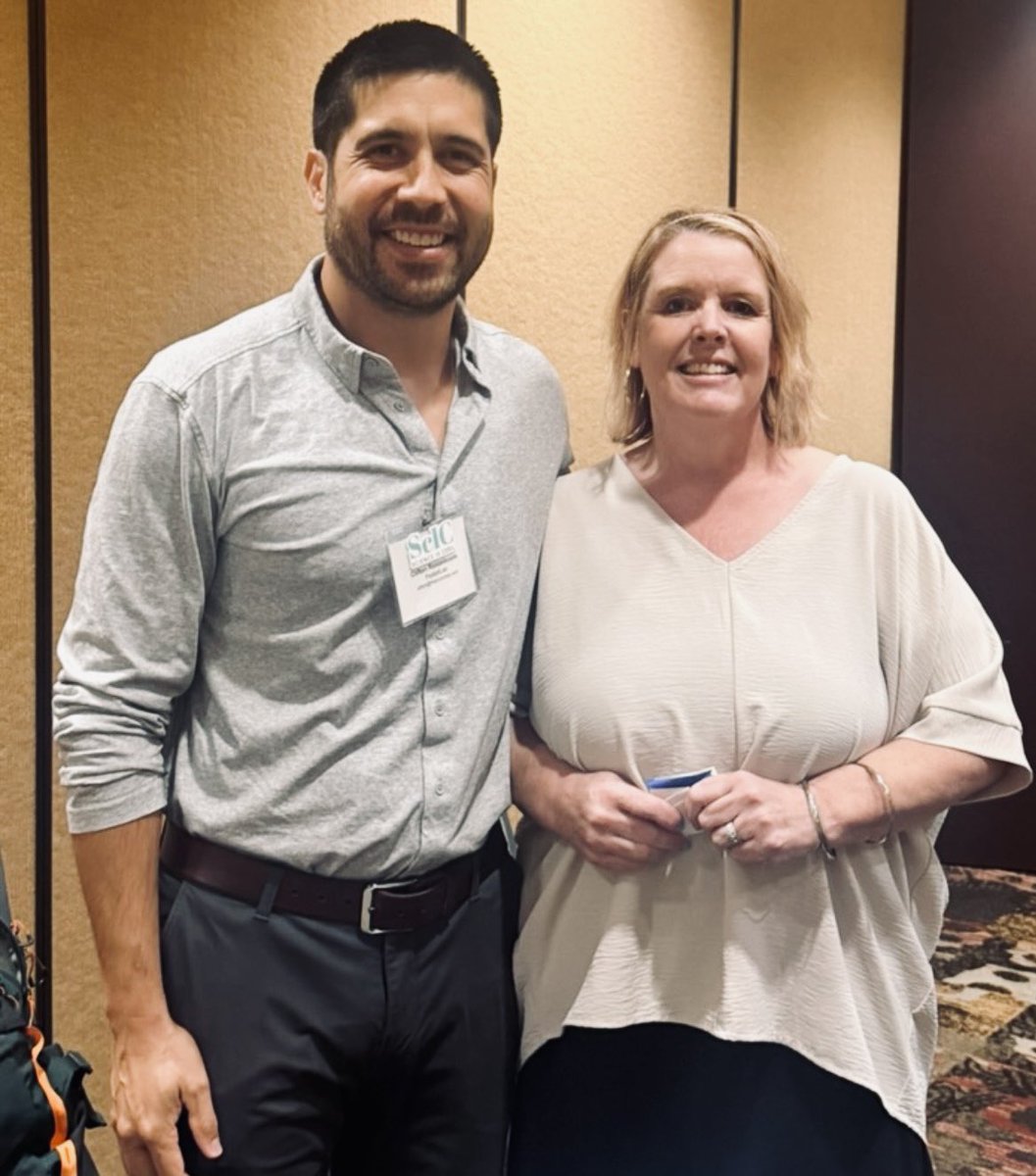
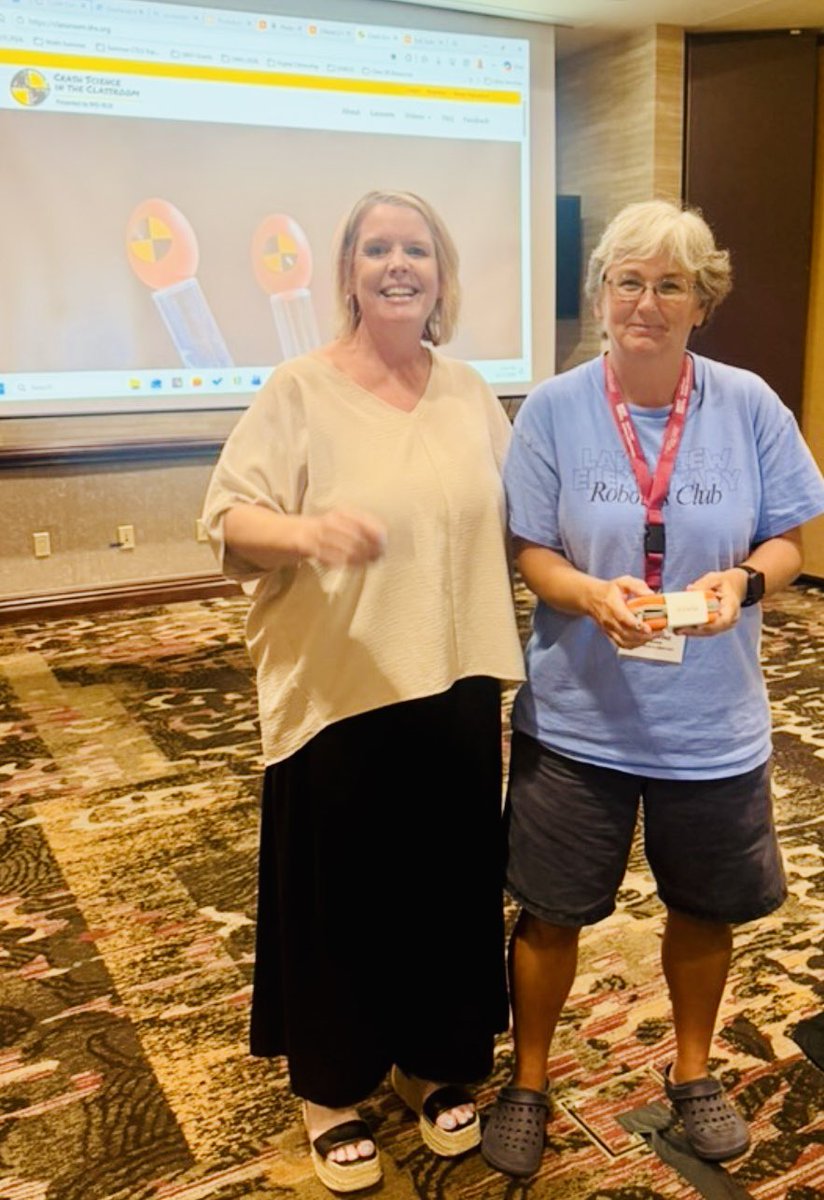
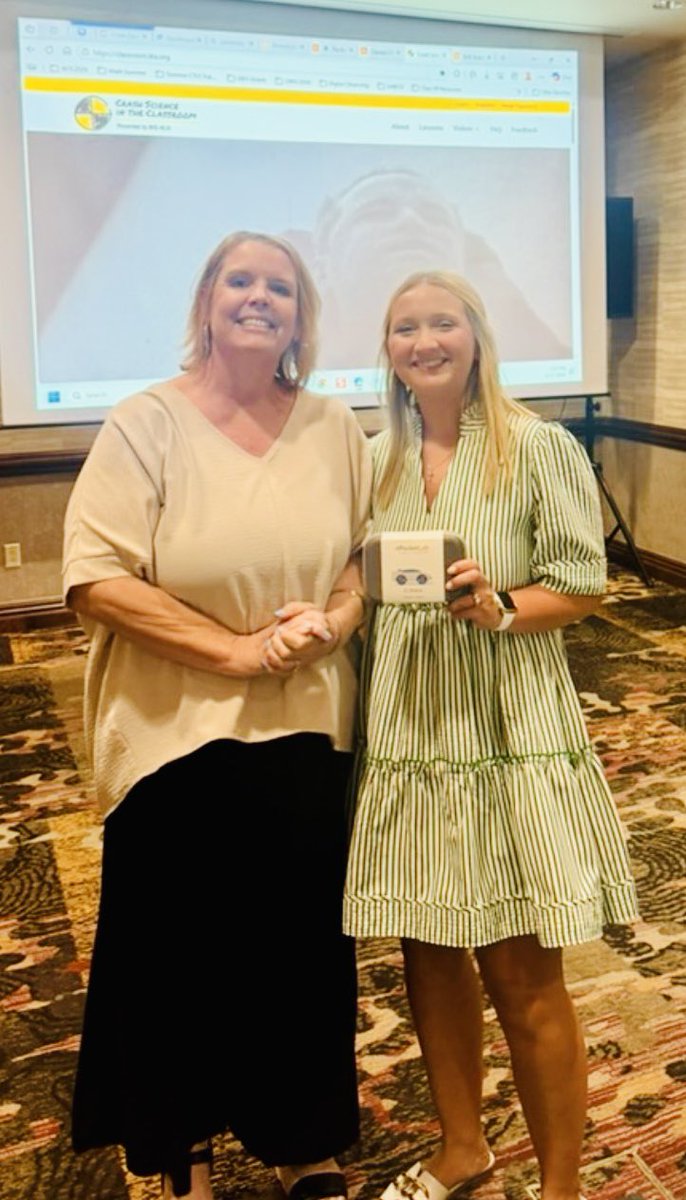
I had a great 🚘💥Crash Science @IIHS_autosafety session at @AETC_Alabama. @ThePocketLab is such a fabulous edtech partner & gave away a 🏎️ G-Force & Voyager 2 to 2️⃣ lucky 🏆winners. Thank you @cliftonrozeboom for teaming up with me to help make learning “sticky” 🎉for Ss!