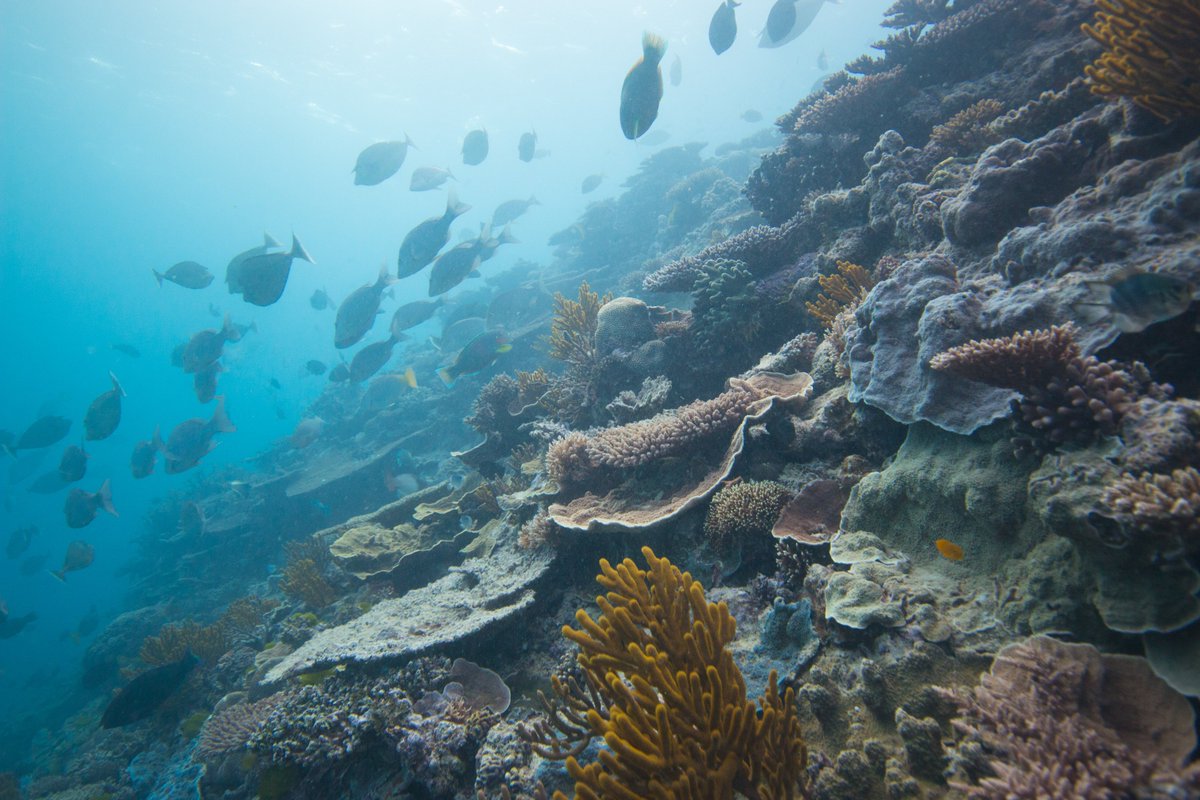
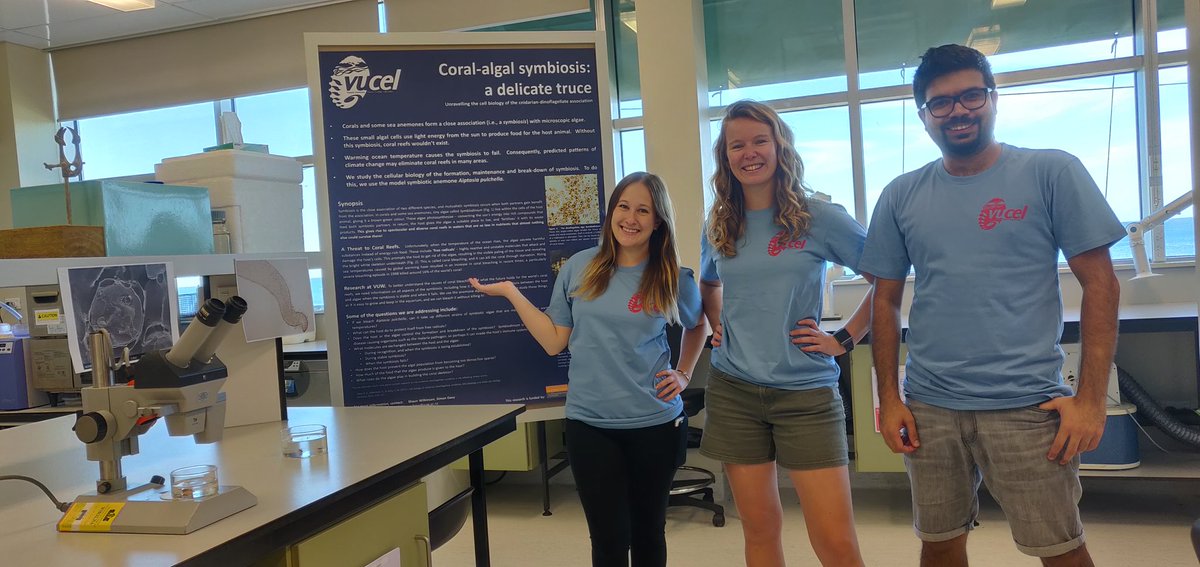
Join the Davy Lab to study corals in New Zealand! Two PhD scholarships are available to research potential mechanisms of symbiont loss in the coral bleaching process. Collaborators include @DavidJSuggett and @VirginiaMWeis. https://t.co/RlmhrL6lV0
Our recent paper by characterizes the importance of different regulatory mechanisms cnidarian hosts use to control their symbiont population: https://t.co/vfep04u3NU
Handactis nutrix is a species of intertidal sea anemone that lives on brown algae. We are growing the anemones with and without their seaweed host to observe the effects of this symbiosis. Preliminary results demonstrated nutrient transport from the anemone to the host.
We have a new paper out comparing the metabolome profiles of a Hawaiian coral hosting different symbiont species!
@tinyscientist
https://t.co/HHFVnuc4uX
Cool new publication from the Davy Lab! Ashley Sproles' work using #nanoSIMS studied the difference in carbon and nitrogen assimilation between a homologous and a heterologous symbiont in #Aiptasia.
@WeisLab@EPFL_en
https://t.co/AOsYJ0FaBq
https://t.co/y2tBPSecDm Hello World! Please check out the new website for the Aiptasia Symbiosis Resource. This portal has information for researchers, educators, and anyone else interested in the model sea anemone Aiptasia. (1/2)
@VirginiaMWeis@DavyLabNZ@CawaTran@parkinsonje
Join the Davy lab! 🥼🧪🔬🌊 Two PhD scholarships are available at @VicUniWgtn to study the cellular basis of inter-partner communication in the coral-algal symbiosis. https://t.co/nZaZRjPmYJ Please share! #Aiptasia#PhD
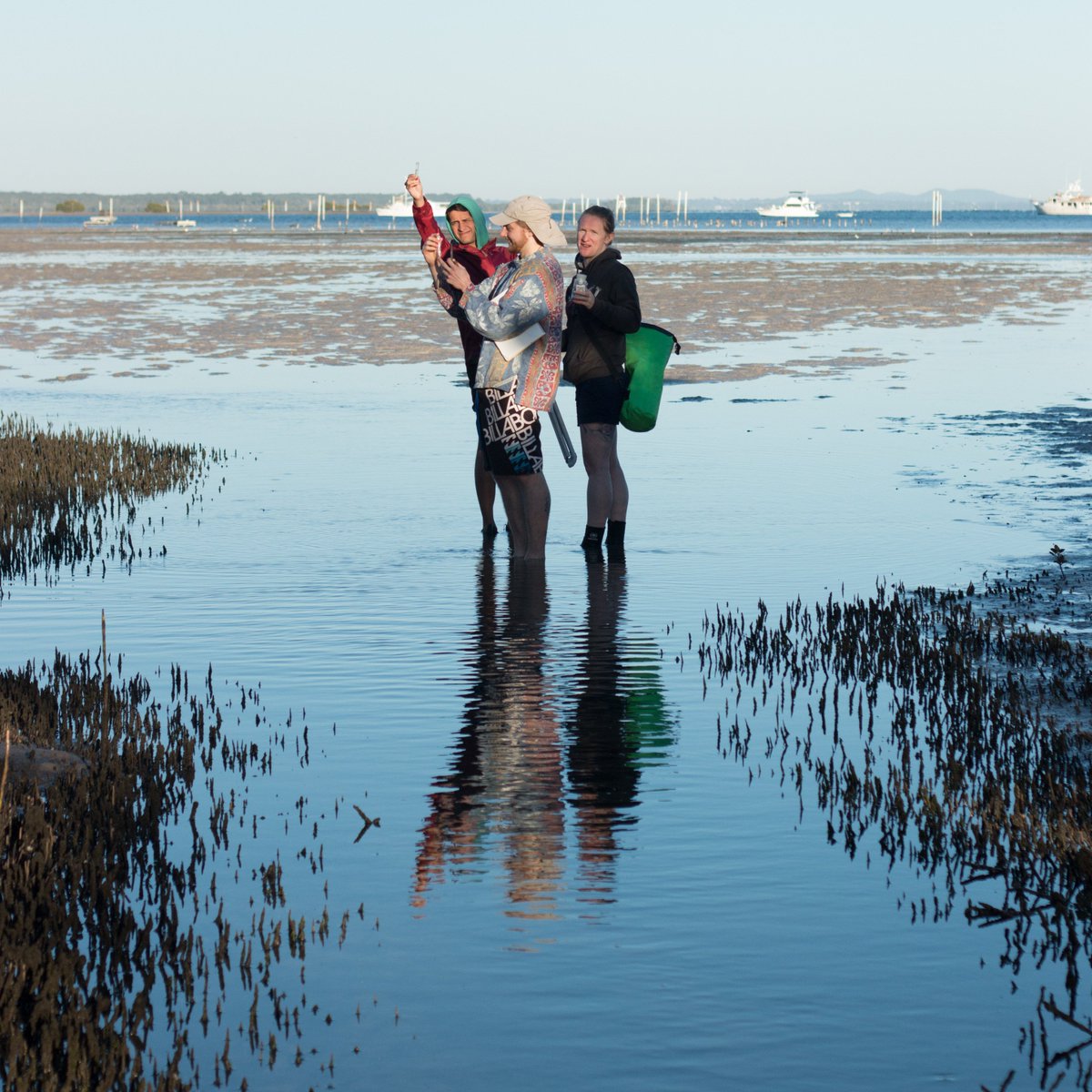
Successful two weeks teaching the Tropical Marine Conservation course as part of the Masters program at @VicUniWgtn. Nth Stradbroke Island and Heron Island covering seagrass, mangrove, and coral reef ecosystems.
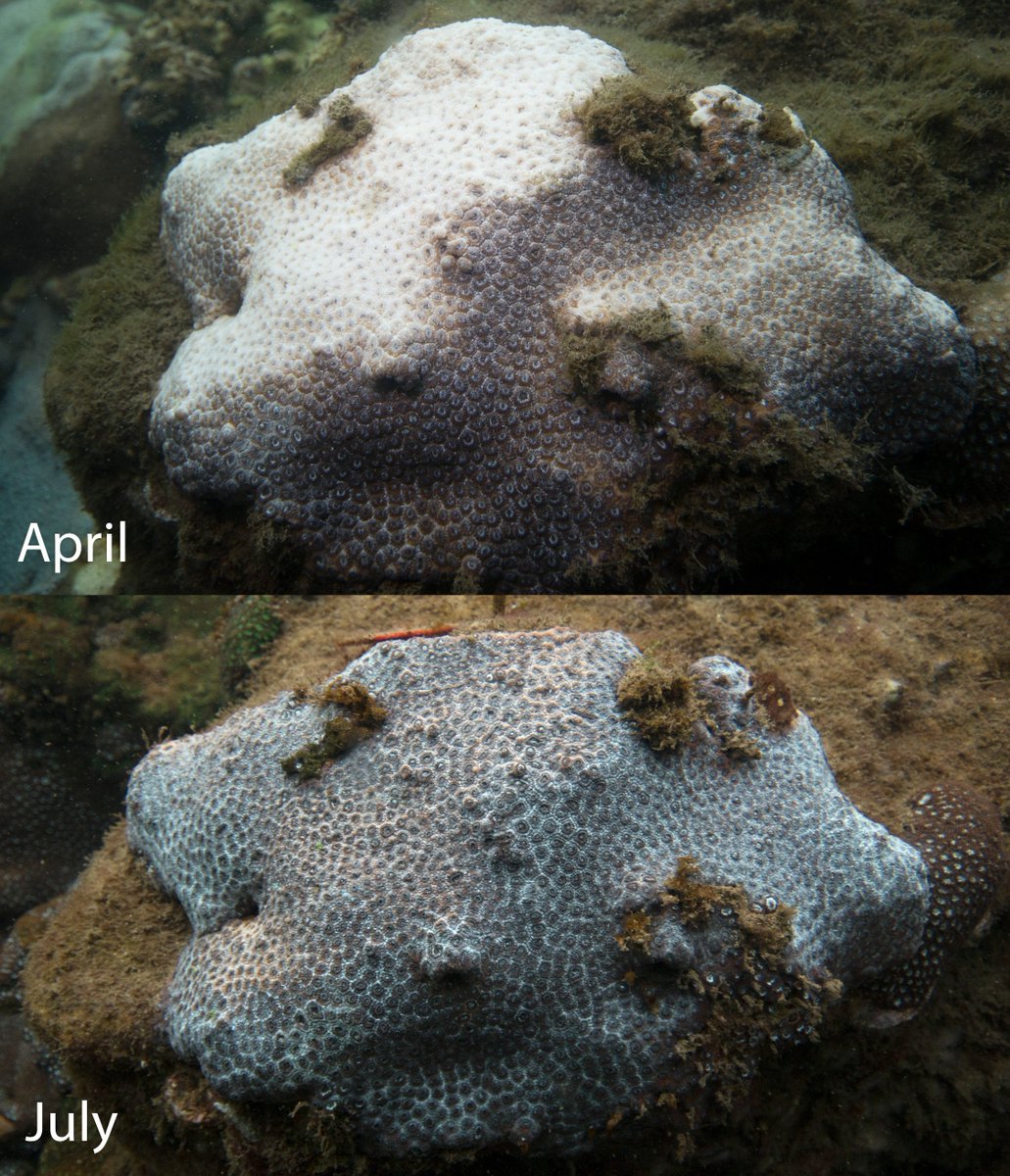
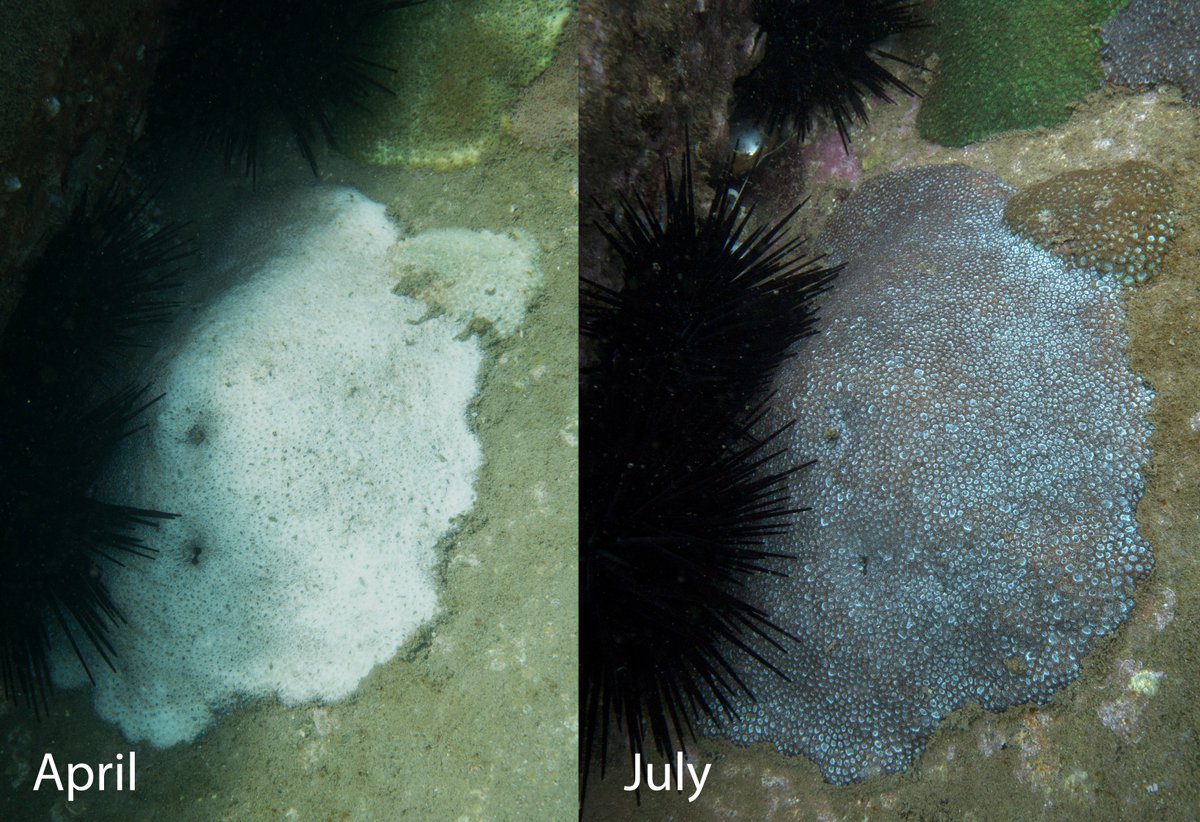
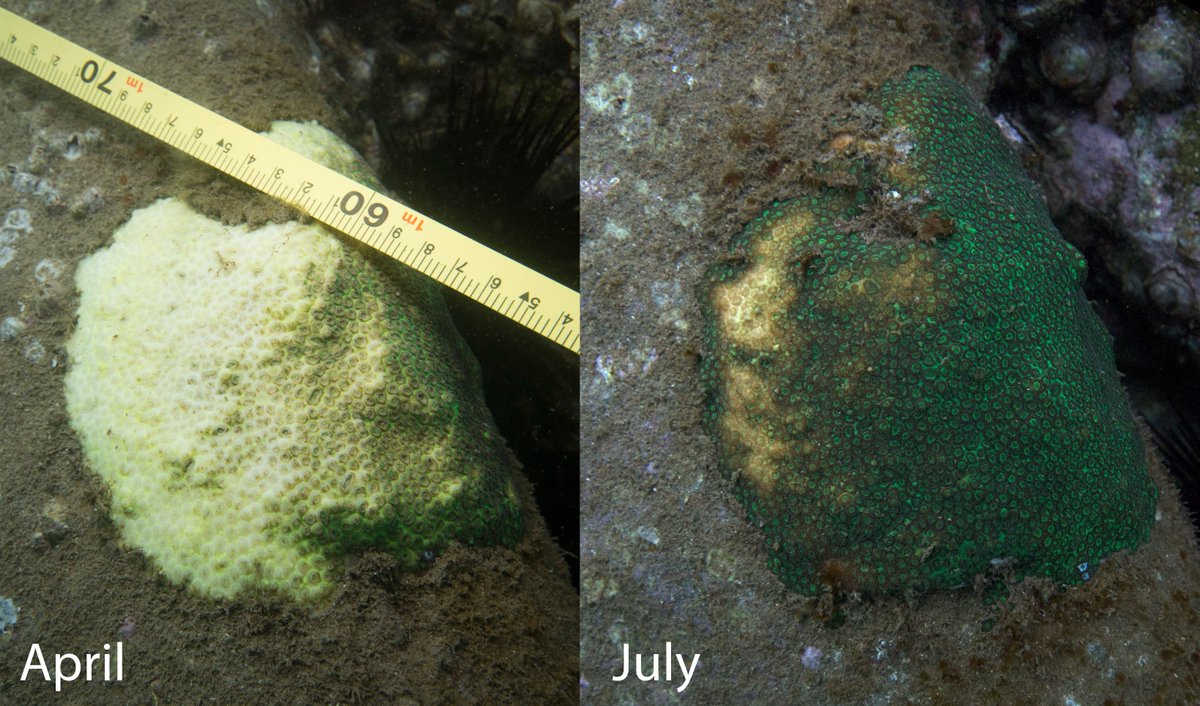
Check out our publication on the mass bleaching and recovery of a Sydney Harbour coral! Bit of everything in here - benthic surveys, photophys, calcification, Symbiodiniaeceae, & microbiome! https://t.co/leXqQKEqgC @SamanthaGoyen@DavidJSuggett@emmafcamp@UTS_Science@uts_c3
Probably the best data visualization of atmospheric CO2 level rise I have seen. Clearly demonstrates how monitoring changed from a few isolated sites in the 80's to capturing global patterns https://t.co/tvSalLSi7L