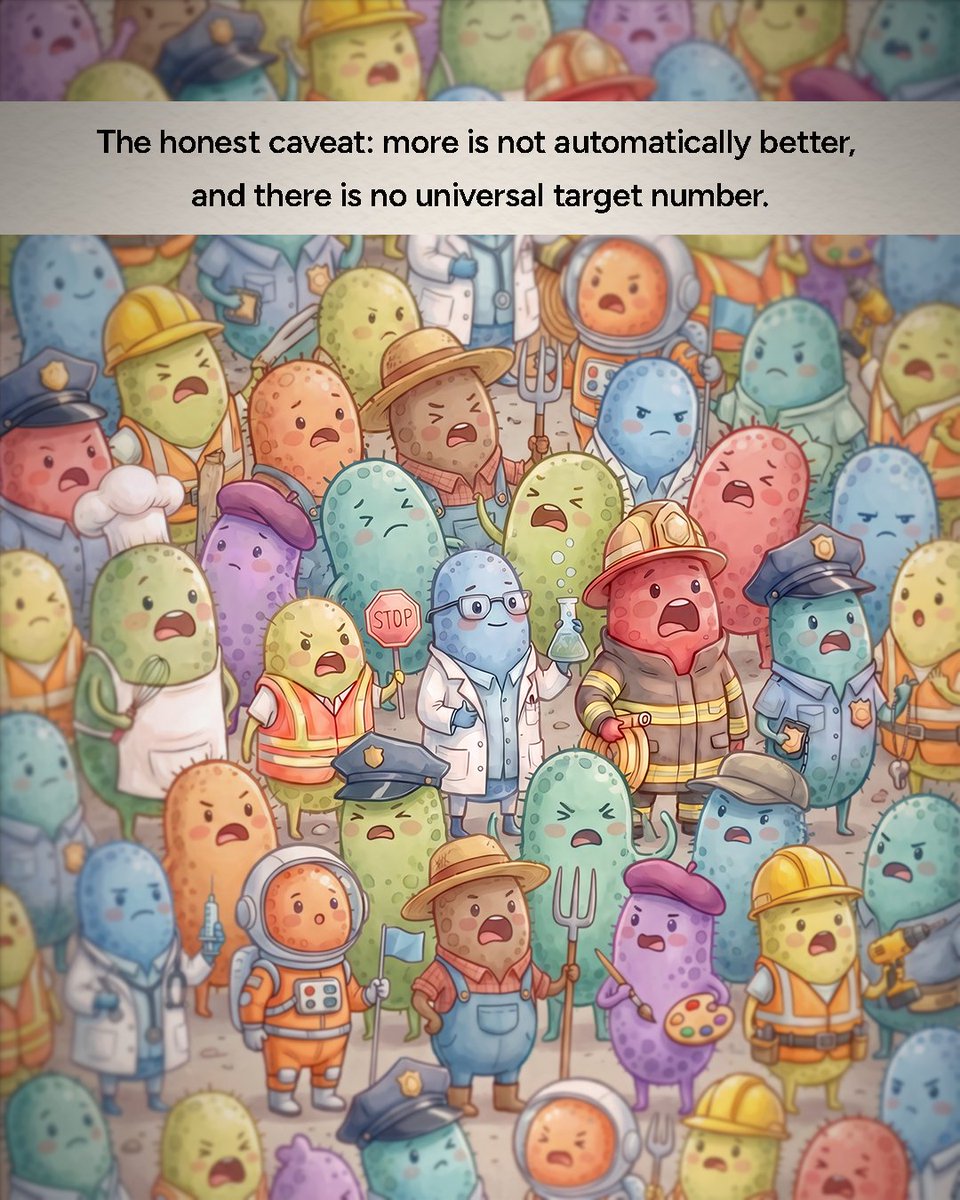
Gut diversity measures how many microbial species you have and how evenly they're represented.
More isn't always better.
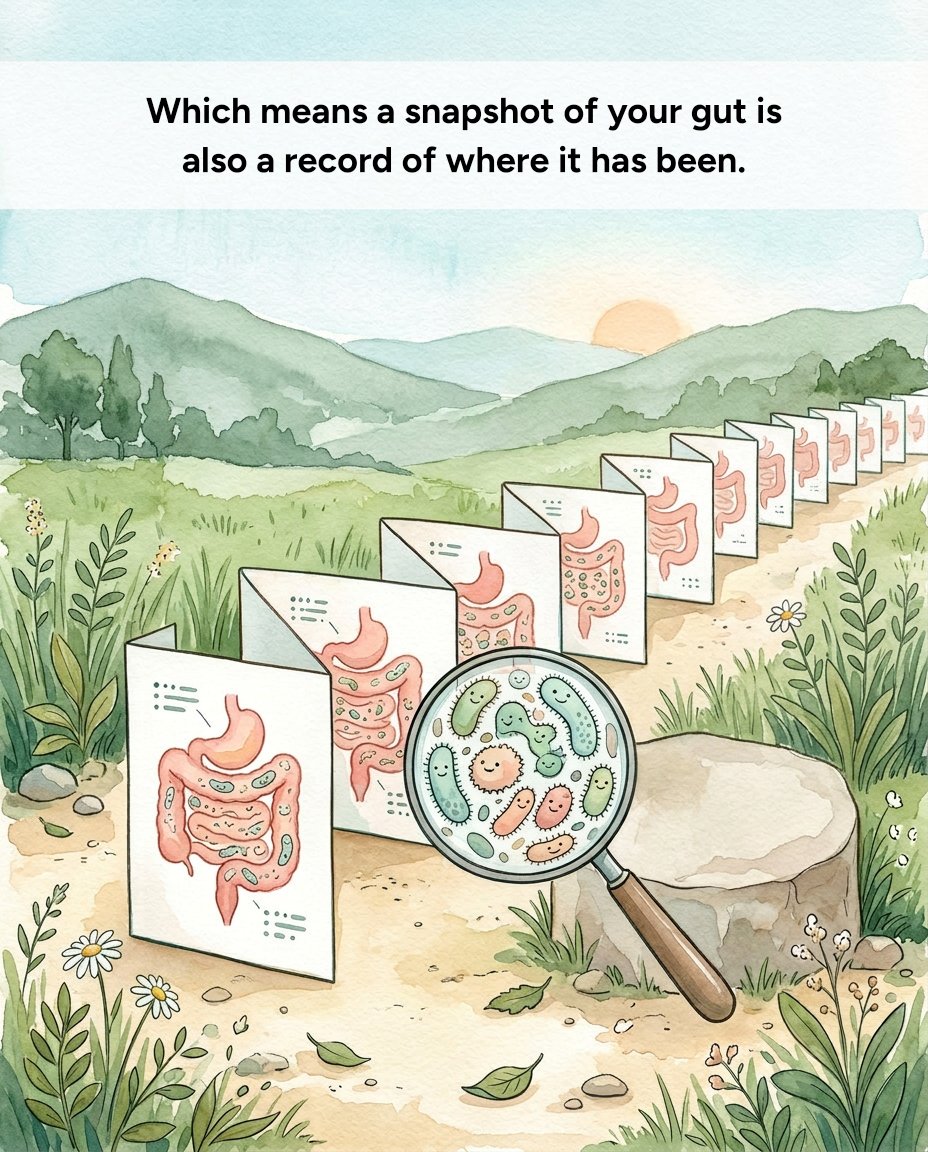
What matters is how your gut changes over time :)
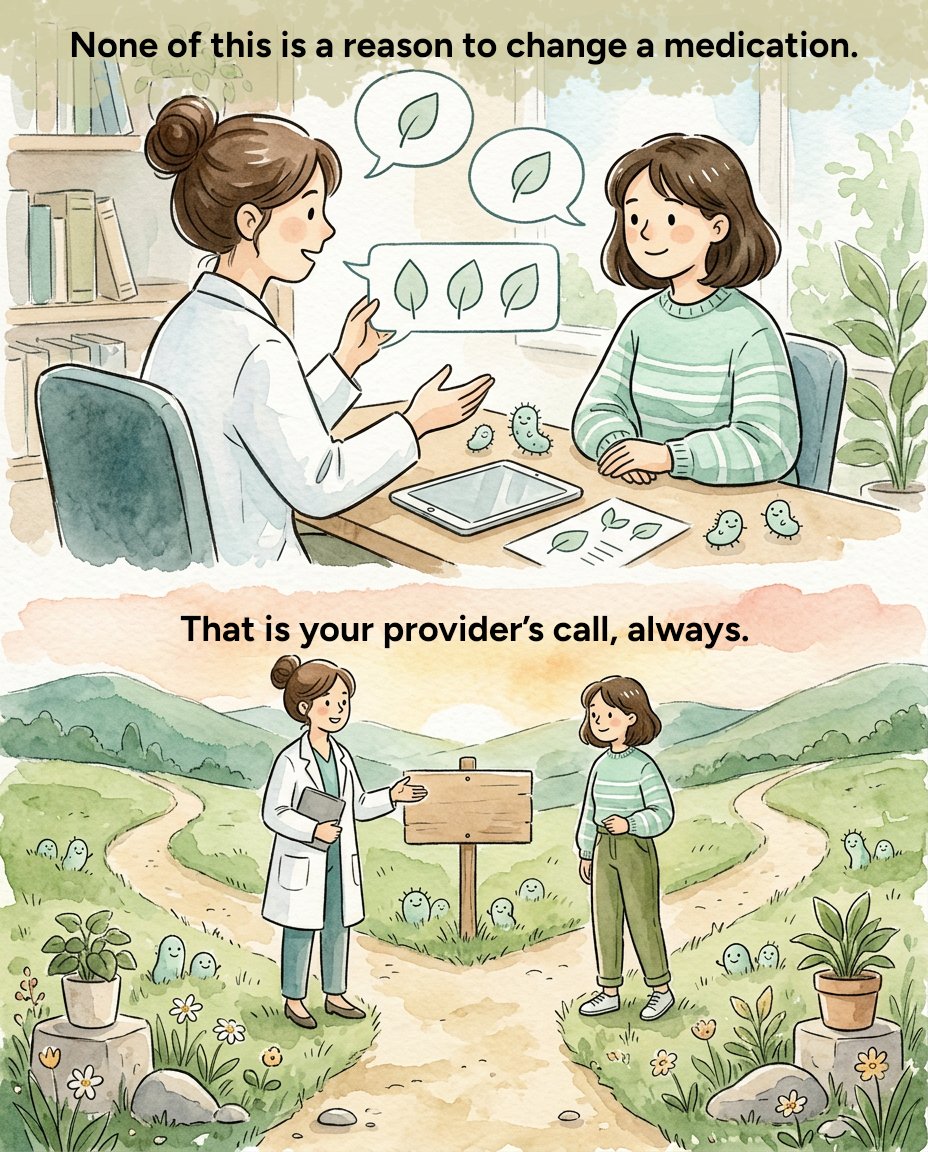
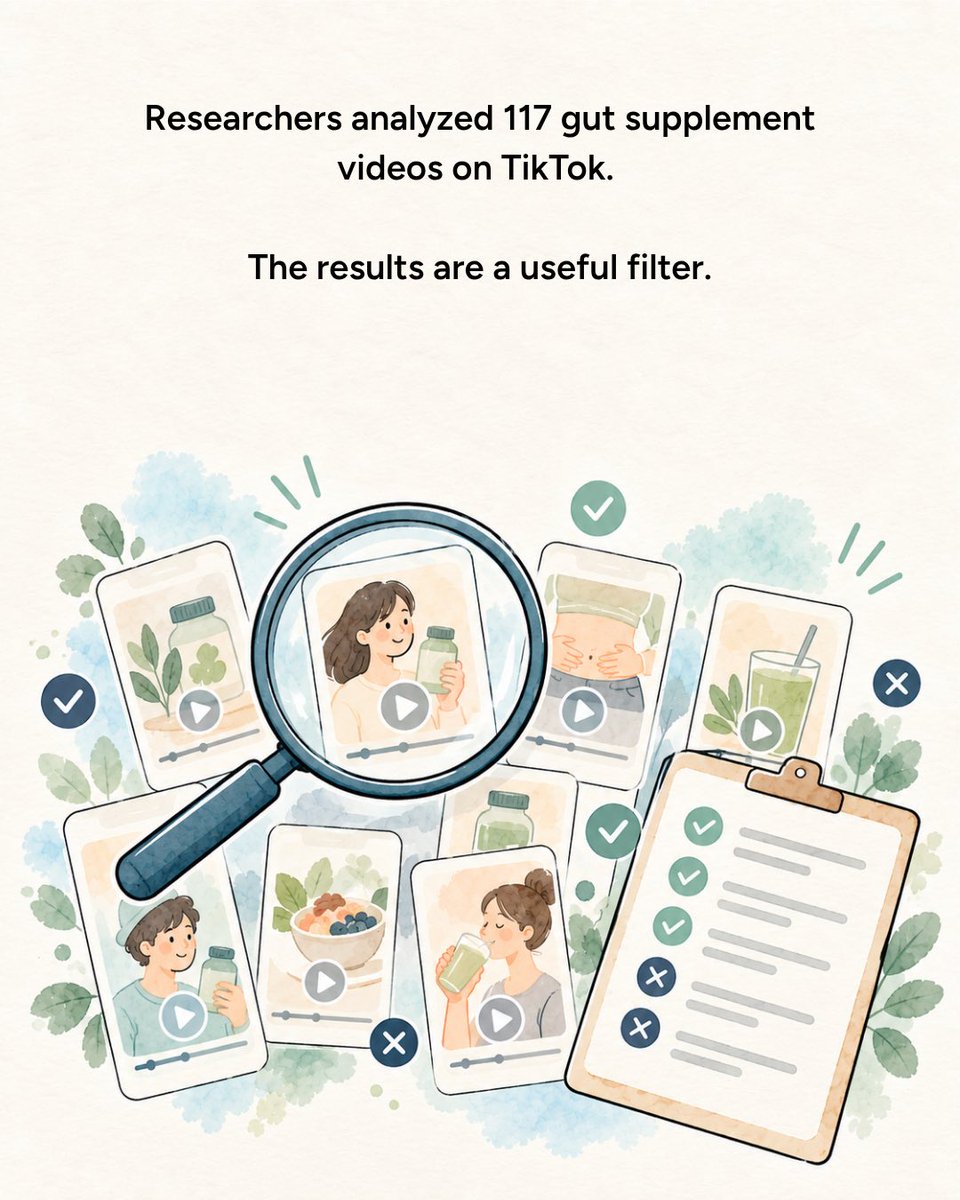
Gut health advice is everywhere. Before trusting it, ask: Is there a source? Do they admit limits? Point you to a provider? Are they selling the fix? Good info survives scrutiny.
Post continued in the comments! ⬇️
New benchmarks from @DayhoffHealth and AMD: up to 6.59x faster single-cell tumor classification with AMD ROCm, from 76.1 to 11.6 min with byte-identical results. Tested on AMD Radeon AI PRO R9700S GPUs hosted by Rackspace Technology.
Learn more: https://t.co/juVsOSMKYB
Most GLP-1 content is about starting. Almost none covers what happens later. If you pause, switch, or stop, bring your baseline and trends to your provider. Better data, better conversation.
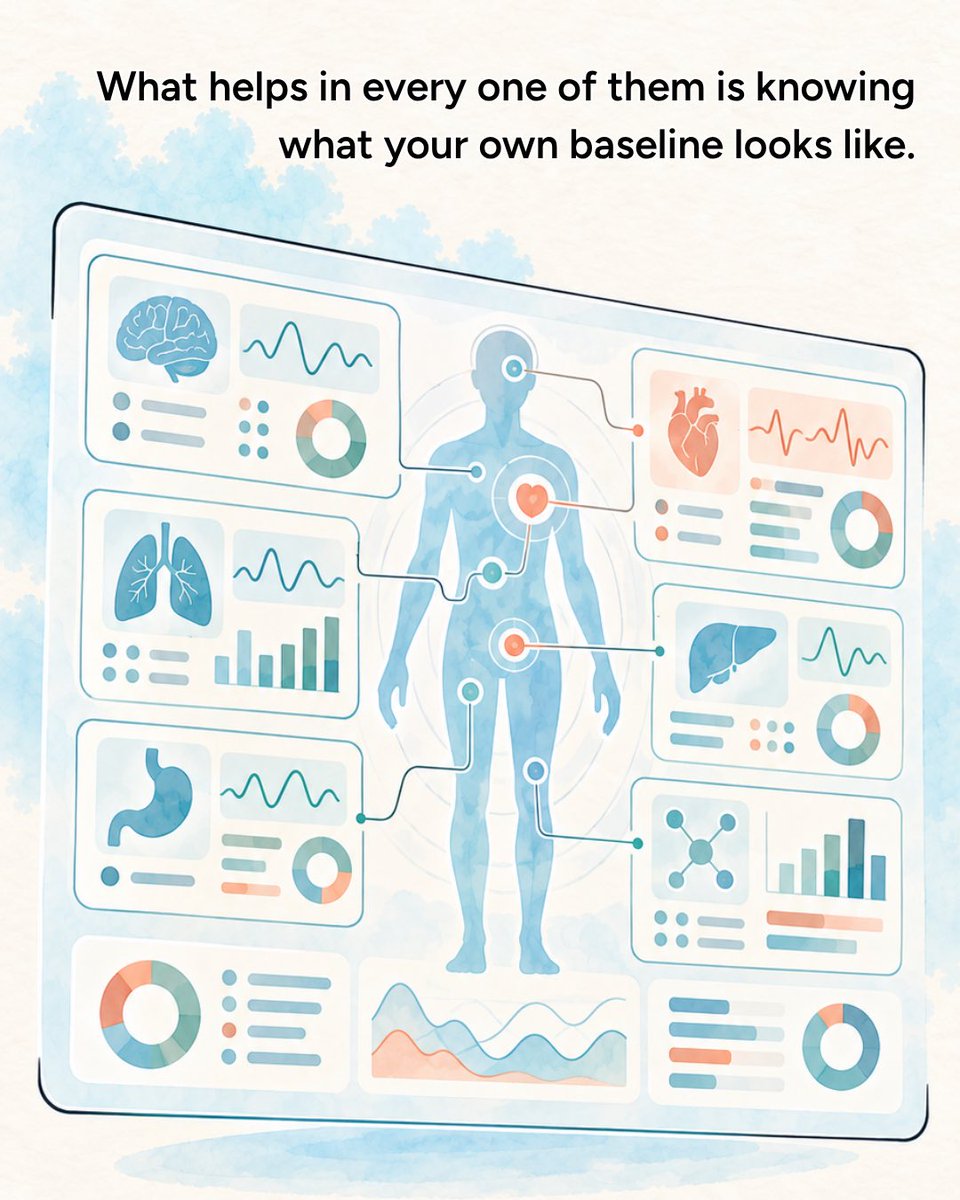
Know Your Baseline Before Everything Changes.
The Dayhoff Health GLP-1 Map brings DNA, methylation, blood proteins, and gut microbiome data into one at-home test.
Launching soon.
Join the waitlist to be first in line. https://t.co/aG2Kmhae3o
Your labs can look “normal” and still miss part of the picture. Dayhoff looks at broader markers tied to metabolism, inflammation, and muscle biology, adding context for your next visit.
Your gut microbiome was a black box for most of medical history.
Newer tools like shotgun metagenomic sequencing can now reveal far more, not just which microbes are present, but what functions they may contribute across the ecosystem.
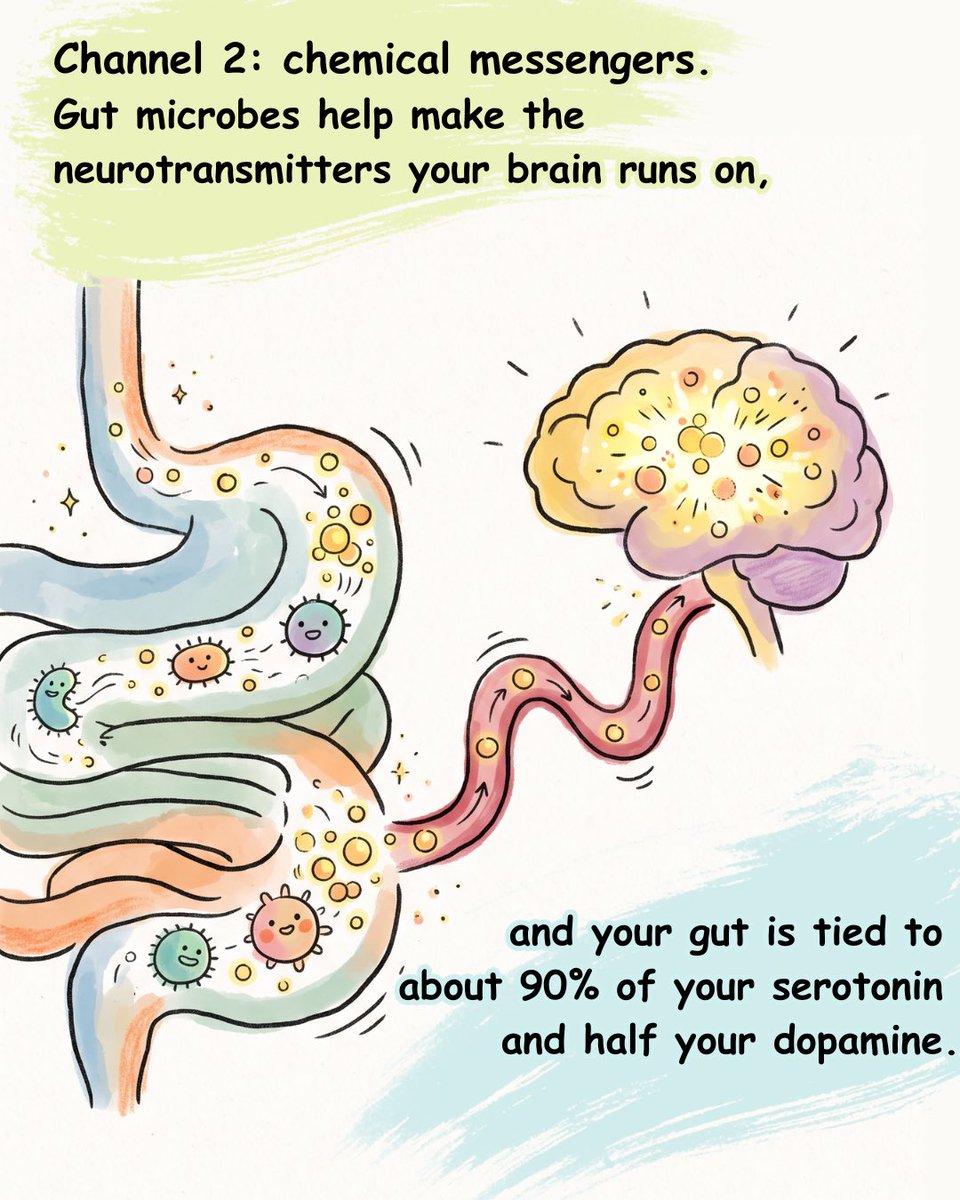
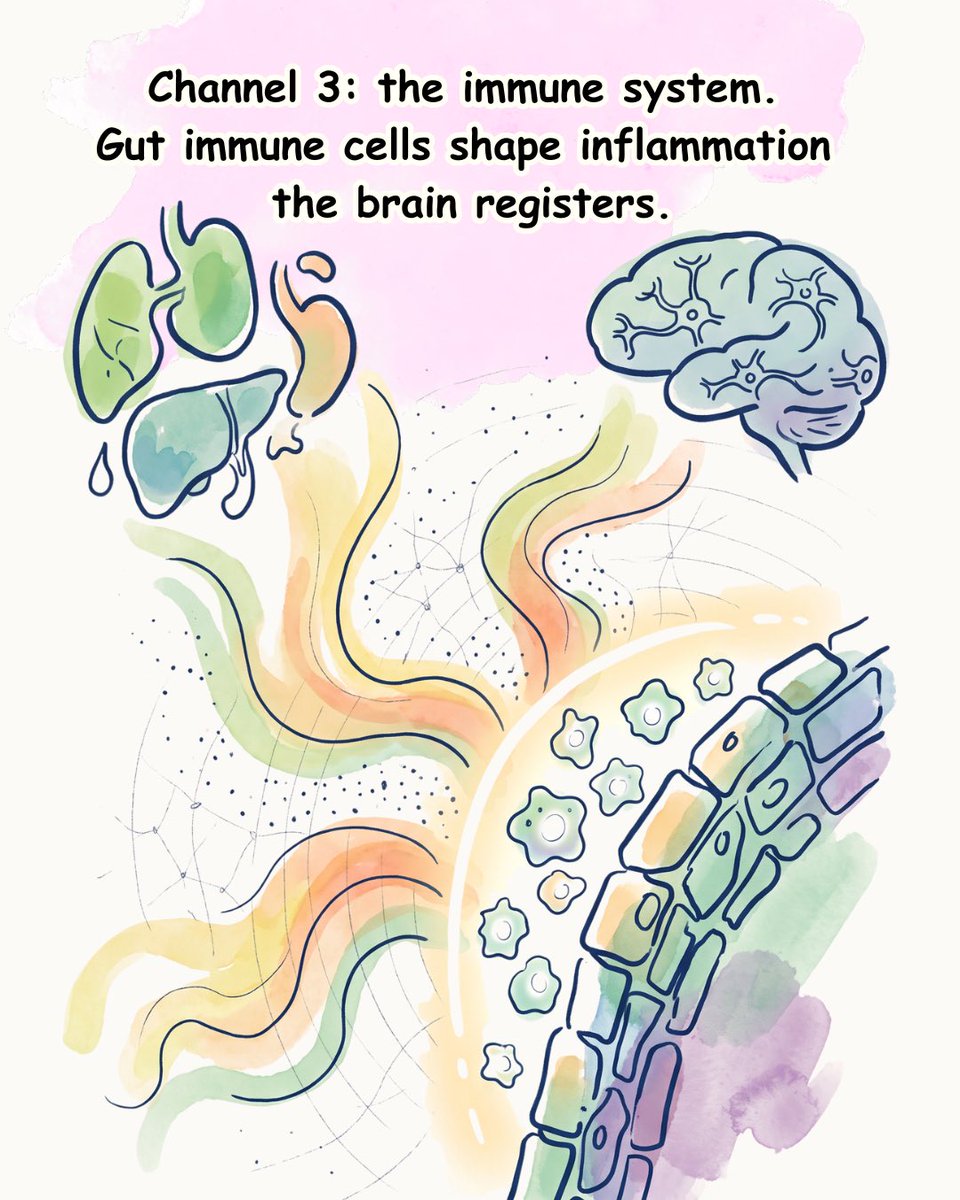
The gut-brain axis is real communication between your gut and brain through the vagus nerve, microbial chemical messengers, and immune signaling.
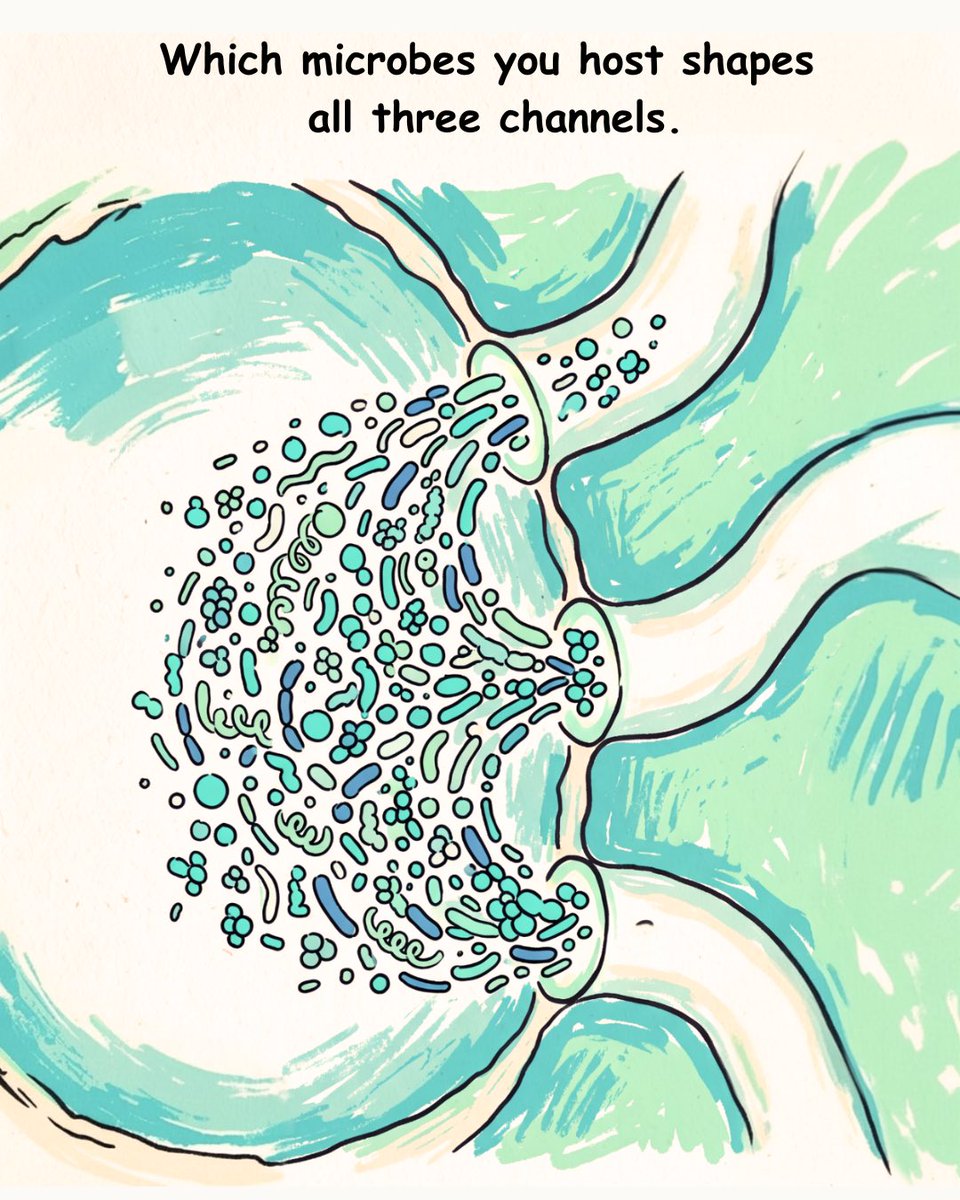
Your microbiome helps shape those signals, which may influence mood, focus, and energy.
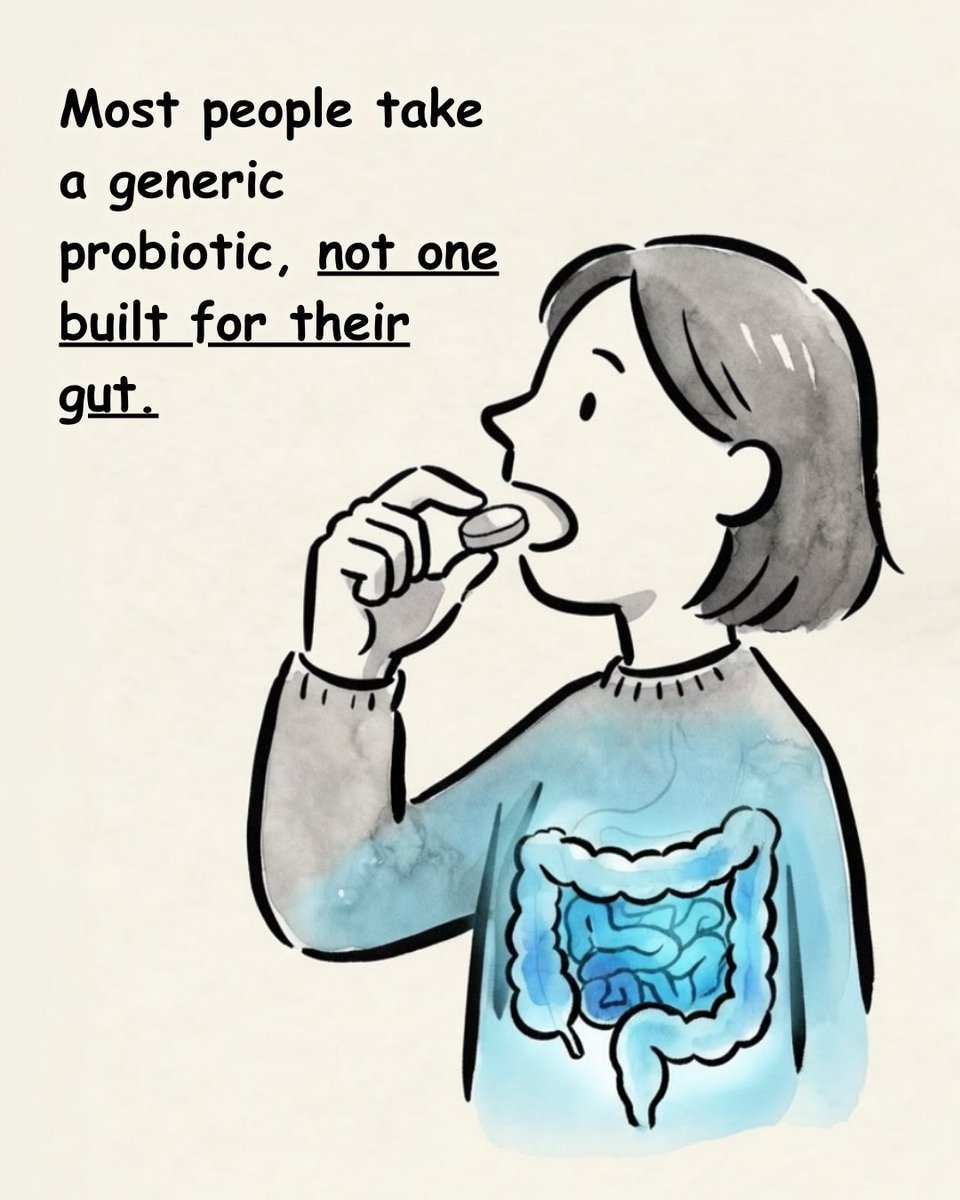
The probiotic aisle may be stuck in an older era.
Many products still rely on bacteria studied decades ago, while newer research has uncovered much more of the gut microbiome.
A generic probiotic can’t account for what it never measured.