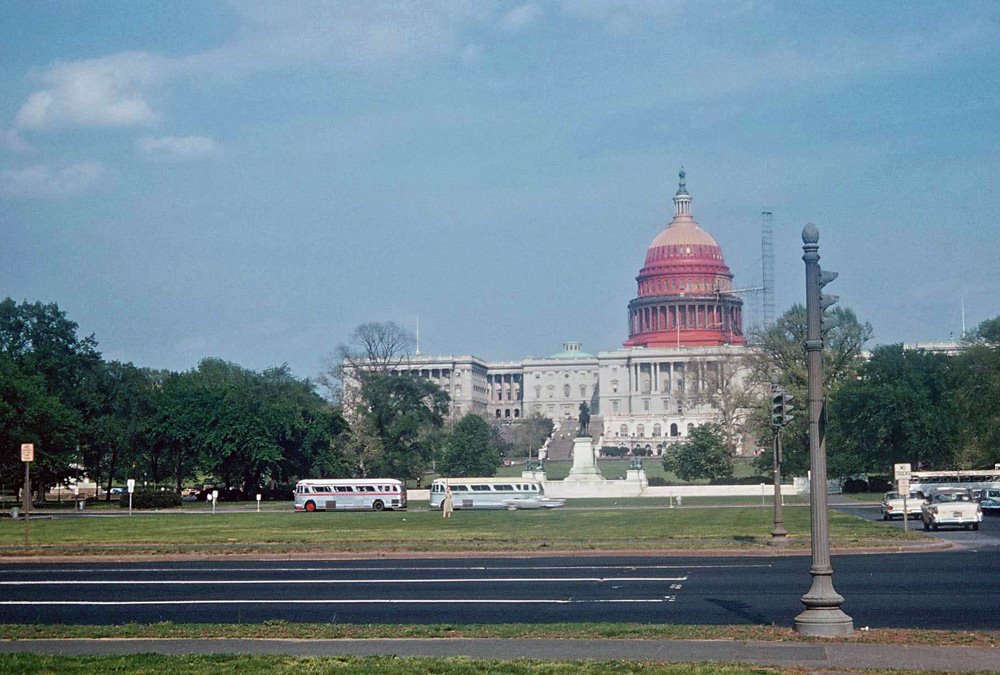
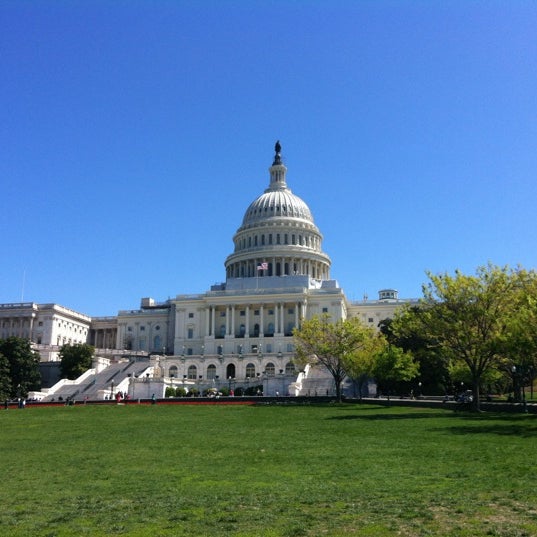
A red Capitol Dome! In late 1959 through 1960, the Capitol Dome underwent a significant repair and restoration effort (requiring a temporary red protective rust coating). #Capitol#CapitolDome#DC#WashingtonDC#Restoration
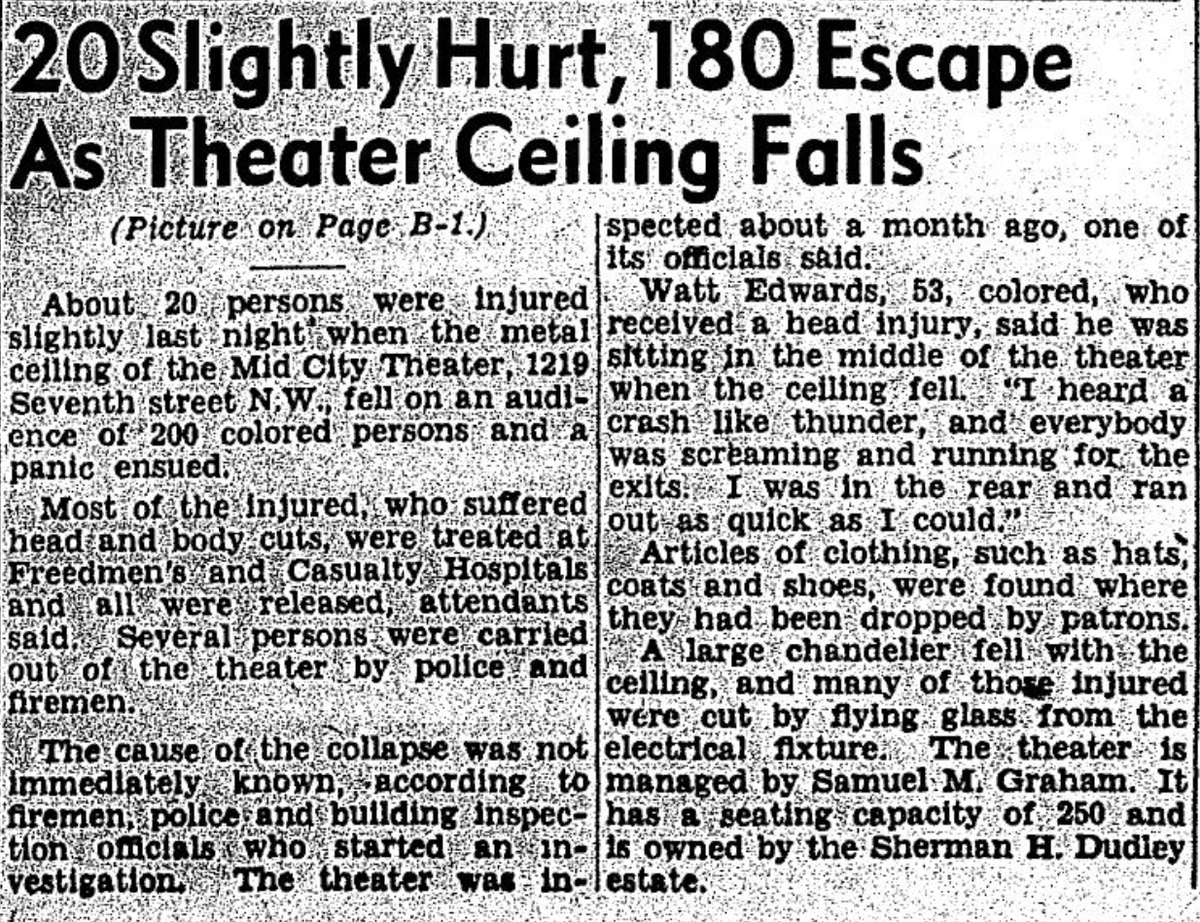
Dudley’s Mid City was a vaudeville and single screen theater owned and operated by African Americans for African Americans at a time when DC’s theaters were still officially segregated.
The owner, Sherman H. Dudley, spent the early 1900s buying and leasing theaters to develop the first black vaudeville circuit, initially around Washington, Virginia, and Maryland. The theater eventually closed in 1952.
Founded for wives and widows of Civil War soldiers, for nearly 150 years the Columbia Hospital for Women was the most popular place to have a baby in DC. It closed in 2002 and has since converted to The Columbia Residences. #columbia#dc#columbiahospital
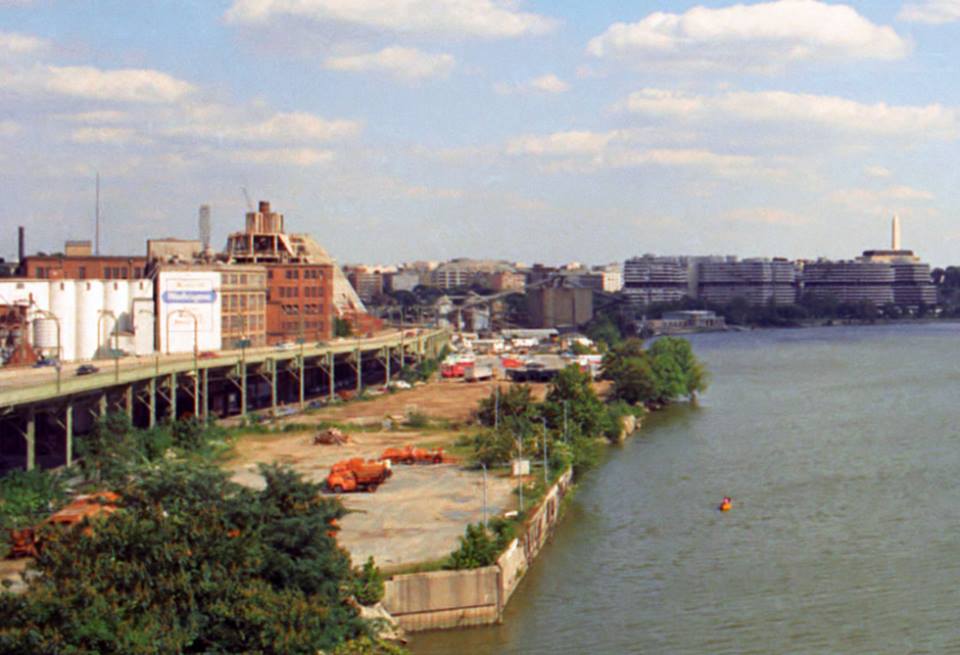
Crazy to see the development of the Georgetown Waterfront from an obsolete industrial site (pictured 1975) into a scenic overlook plush with waterfront dining, river cruises, and DC’s largest outdoor ice skating rink in the winter. #Georgetown#washingtondc#georgetownwaterfront
Marshall Murray, owner and operator of the Dunbar Theatre, in 1940. It was one of the few black-owned theaters in the country at the time and operated from 1920-1960. The live entertainment and movie house was a staple of the African-American community in D.C. for 40 years.
Built in 1795, in the then “center city” of Washington, the area encompassed the private residences of prominent citizens as well as hotels, theaters, and city markets. Today the area is known as Gallery Place/Chinatown.
Reopened in ’02 as the Hotel Monaco, the site has held many titles over the years. Blodgett’s Hotel (1795-1836), General Post Office (1837-1866), and various gov agencies (1897-1997).
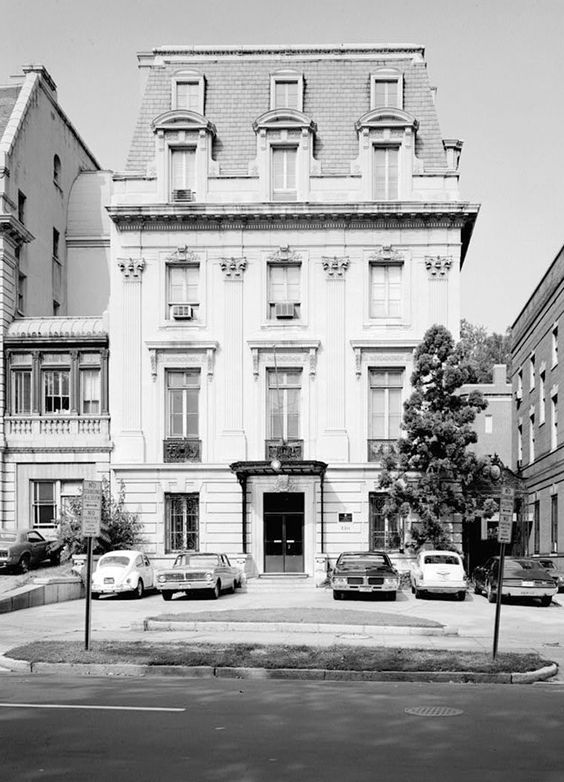
Happy Haitian Independence Day! Haiti won independence from France on Jan 1, 1804, making it the 1st black republic and the 1st country in the West to abolish slavery. Pictured are its embassy in 1970/2021. Designed in 1910 by the same man who designed the West Wing. Bòn Ane!🇭🇹
Once the homes were improved, the former tenants theoretically could move back in, but they often encountered much higher rents to do so. It was, in effect, one of the first manifestations of gentrification in DC. And it had predictable impacts on the resident population.
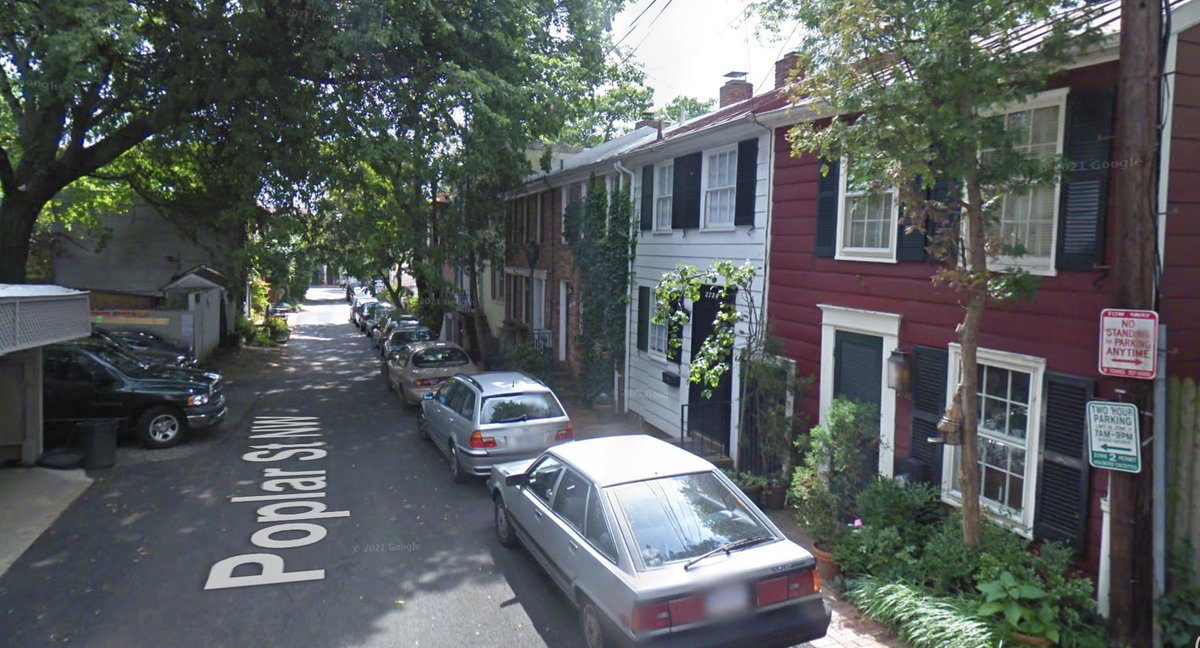
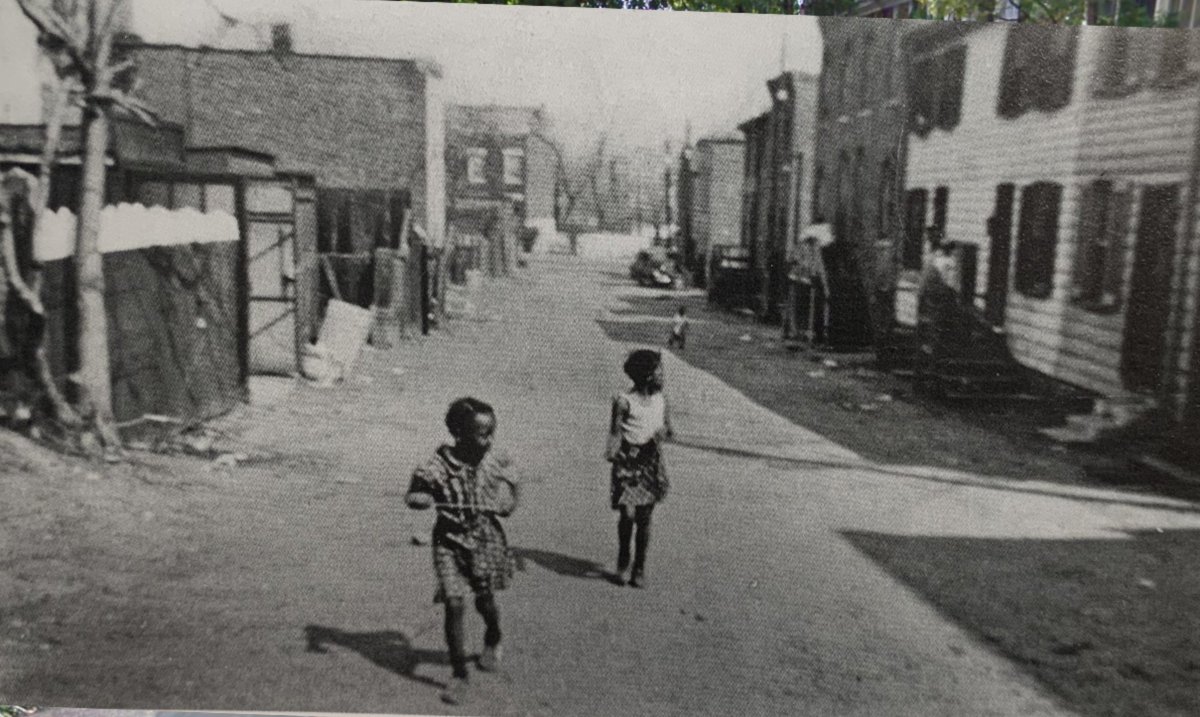
Early Georgetown alley dwellings were for the poor and enslaved, built by affluent residents to house their household staff/servants. By the late 1910s, mostly African Americans lived in these homes. Poplar Alley served 32 African Americans living in 11 small wood frame houses.
The New Deal brought an influx of government workers, artists, and intellectuals to Georgetown looking for housing. In response, the Alley Dwelling Act of 1934 established an agency to acquire these small dwellings for “improvement.” Residents of Poplar Alley were displaced.
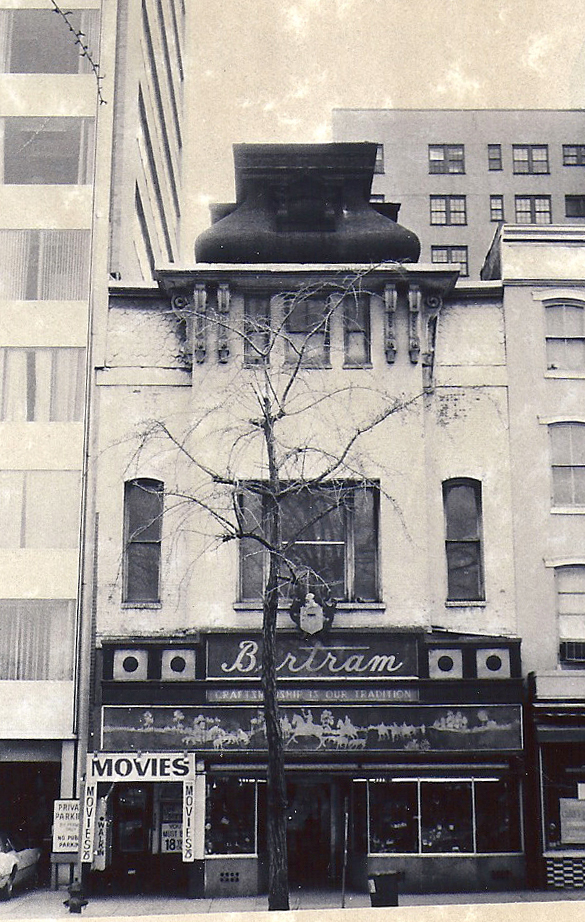
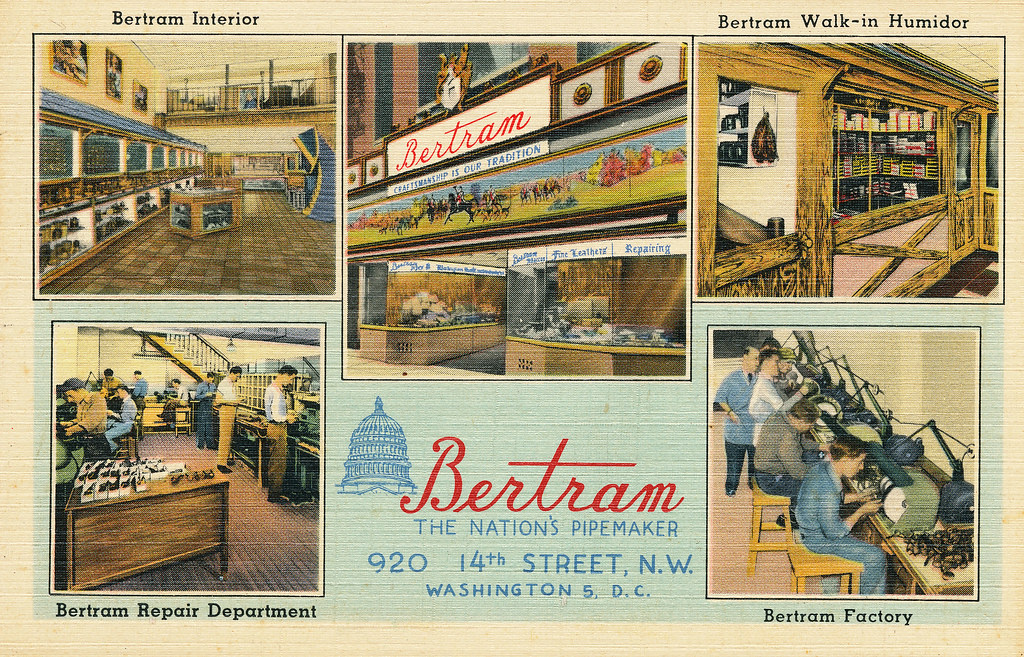
Before it was The Park on 14th, it was home to Bertram's Pipe Shop from 1947 to 1977 (pictured in '74 and '68 after the riots). It became a discount liquor store before becoming the venue we know it as today.
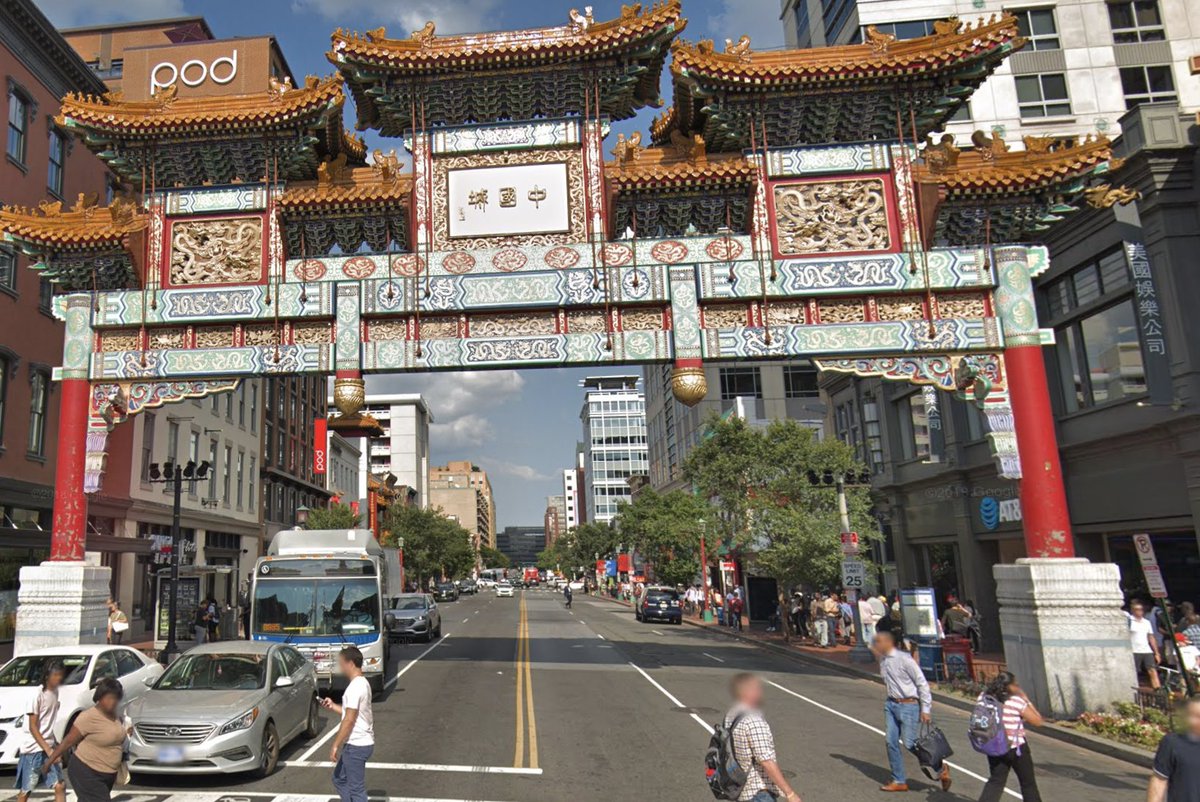
1970, 1986, 2021. Chinatown's Friendship Archway. It was erected with the hopes of reinforcing the neighborhood's Chinese character. Historically, the area was once home to thousands of Chinese immigrants - a number down to 300 as of 2017. Cred: LOC & Penny Lee #dc#chinatown