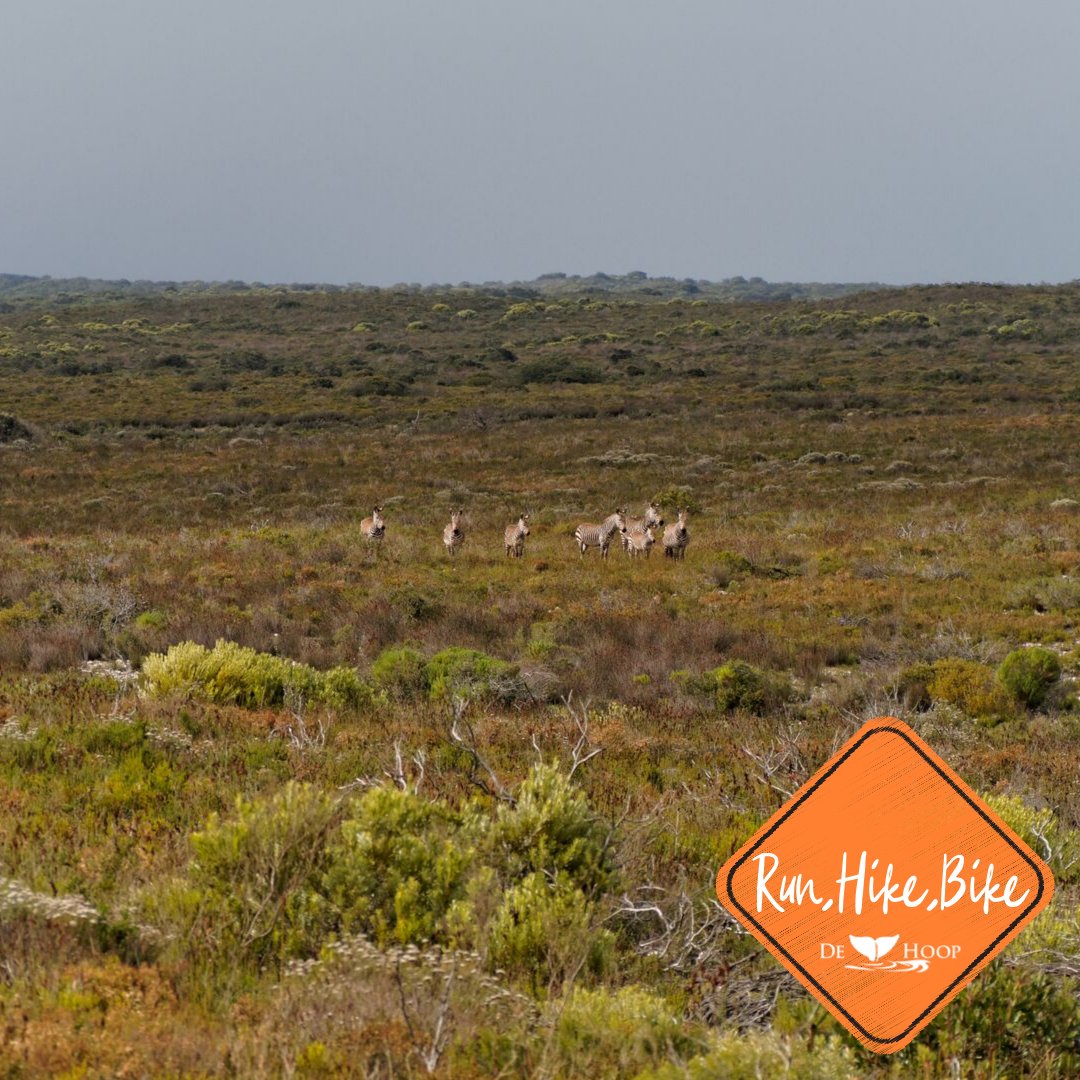
De Hoop Nature Reserve forms part of the world’s smallest & most threatened plant kingdom - the Cape Floral Kingdom. Fynbos is the dominant vegetation within this- largely confined to nutrient-poor soils in the winter rainfall areas of the W.Cape.
📸@Peter Chadwick photography
WHERE ZEBRA FEEL AT HOME // De Hoop’s Cape mountain zebra population is also important. Together with a neighbouring conservancy, the reserve is home to the most genetically diverse sub-population of the zebra,
Read more here from @SA-Venues.com 👉https://t.co/qpspc5ma1e
Another great stay at De Hoop
Third visit and self catering again, this time in 2 bed Baboon Cottage.
Staff is brilliant, reception, restaurant, guides, cleaners all first rate-even did the washing up! Thank you. Read More 👉 https://t.co/BUc68vTgyW
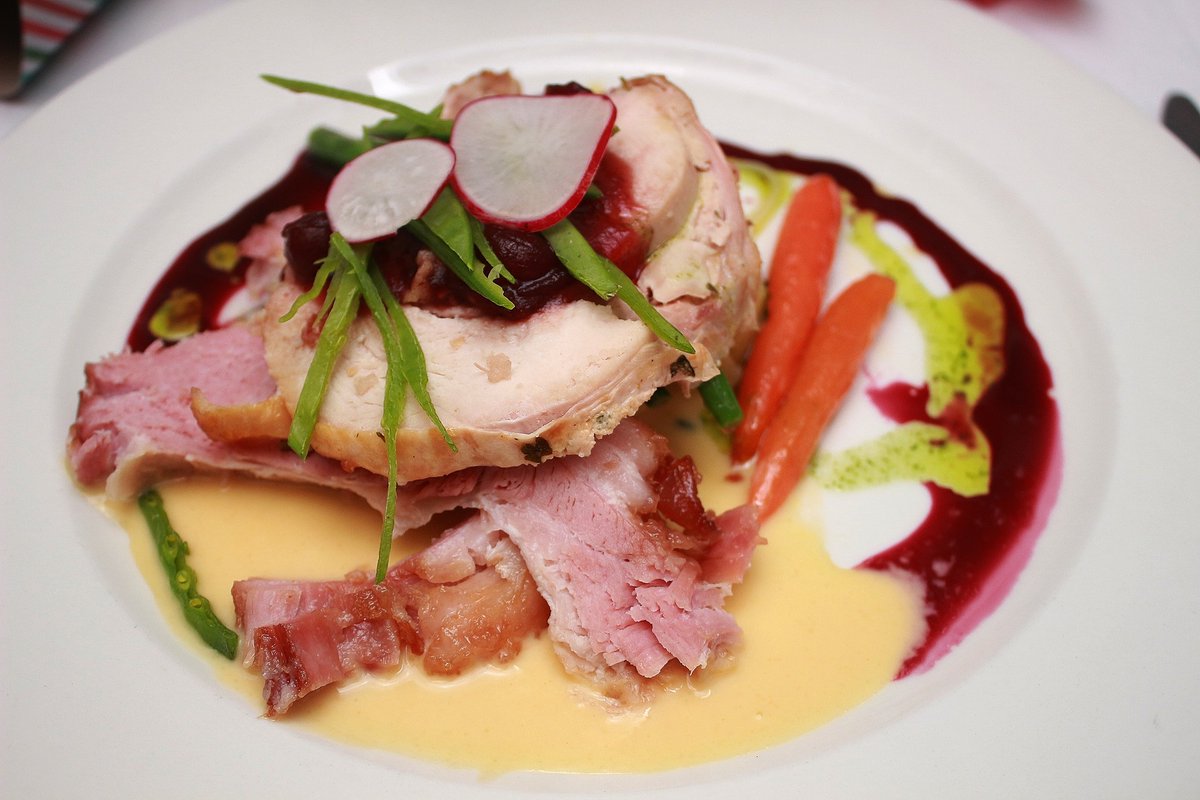
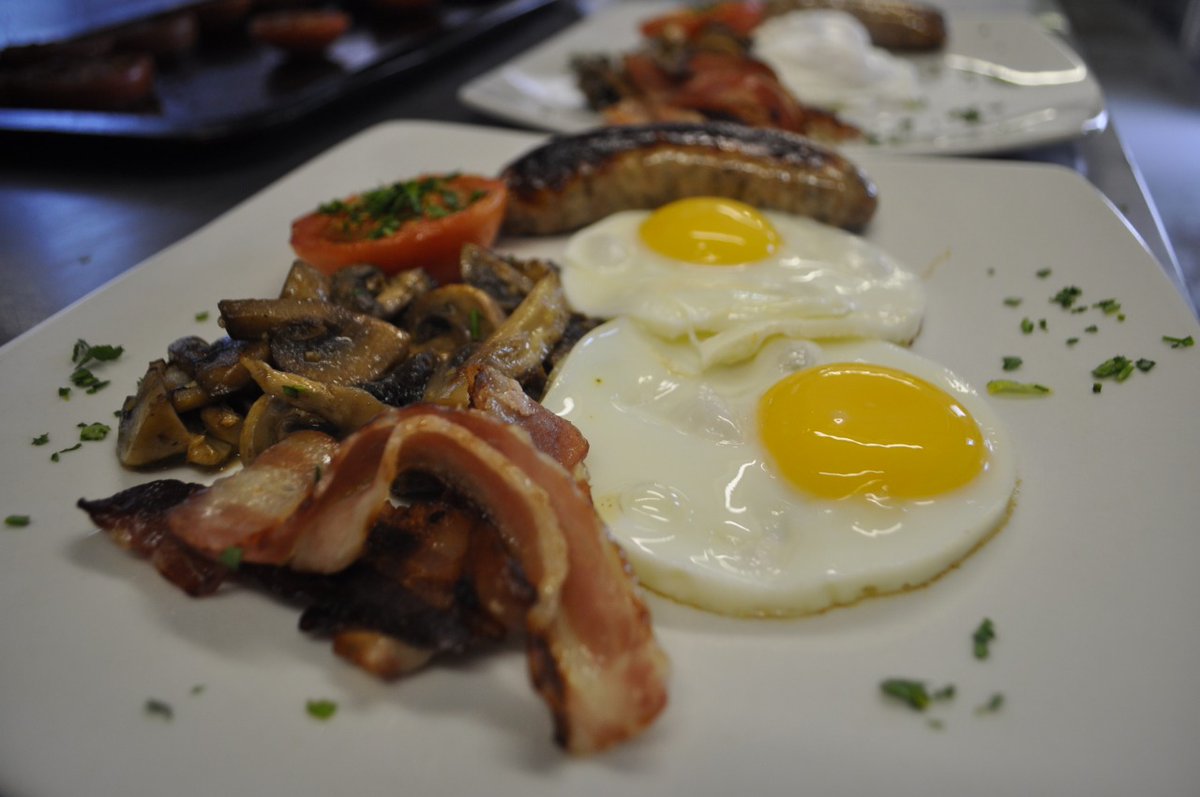
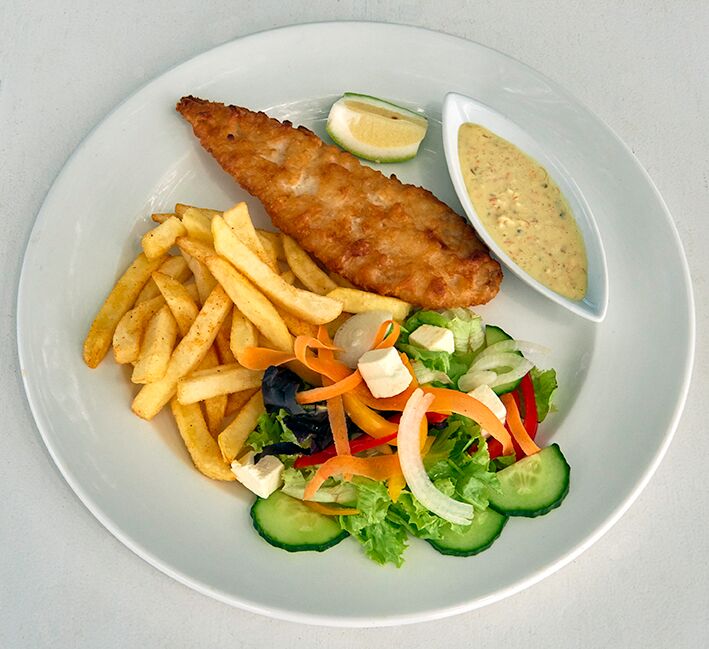
Be sure to come and enjoy a scrumptious meal at our Fig Tree Restaurant and do ask about our local wine selection, craft beers and ciders during your next stay at De Hoop!
More info>> https://t.co/CgiiKU7ZYB #naturereserve#naturelovers#capenature#discoverdehoop#dehoopgetaway
"As much as I am loving the ladies’ weekend away, I can’t help notice the features that would make this an fine family break: plenty of space to run around, a kids’ playground, excellent rock-pooling on the coast......' https://t.co/tzuZZI70GB
Land divers at De Hoop?
The Duiker is a small antelope with horns native to sub Saharan Africa. The name comes from the Dutch word for diver, which refers to their practice of diving into tangles of shrubbery.