Մայիս 28 Շնորհաւոր
May 28, 1918 was not just the birth of the First Republic of Armenia — it was the rebirth of Armenian statehood after centuries of foreign rule, genocide, and near annihilation.
Support our patreon - https://t.co/zAGuIA0N0X
This time, we will work to highlight important language-related initiatives and projects that you can also support.
#depodcast#westernarmenian
Եթէ կ՚ուզենք, որ լեզուն ծաղկի, զարգանայ ու գործածուի, պէտք է նիւթերուն վրայ կեդրոնանանք եւ վախով չմօտենանք։
Ամբողջութեամբ դրուագը՝ https://t.co/TW7V6YbFUR
Full episode available on Youtube, Spotify, and Apple podcasts.
De/Դէ Podcast-ի 9-րդ դրուագը այժմ հասանելի է։
Յակոբն ու Տիգրանը Ռուբէն Ճանպազեանի հետ կը քննարկեն արեւմտահայերէնի դժուարութիւնները, սփիւռքեան ինքնութիւնը եւ հայերէնով ստեղծագործելու կարեւորութիւնը։
Դրուագը ամբողջութեամբ հայերէն է։
Episode 9 of De/դէ Podcast is now live. Hagop and Dickran are joined by Rupen Janbazian for a conversation on Western Armenian, diaspora identity, and creating in Armenian.
#DePodcast#Armenianlanguage
Watch https://t.co/VCYmRwRXXv
A special Armenian-language episode of De/դէ podcast featuring @janbazian premieres May 14.
Rupen Janbazian is an editor and translator who currently serves as the editor of the bilingual @torontohye.
Subcribe - https://t.co/Oo0u1zv6rs
#depodcast
Conversations that go deeper than the headlines.
De/դէ brings together voices from across Armenia and the diaspora — from Artsakh and repatriation to tech, culture, and the people shaping what comes next. Real stories. Real perspectives. No noise.
Watch, follow, and stay part of the conversation.
Subscribe - https://t.co/jwTNjrXkMC
For as long as I can remember, April has never just been another month.
It was a time of reflection, restraint, and collective memory. A time when you felt that something heavier lived in the air. In the diaspora especially, there was an unspoken understanding that this month belonged to our martyrs. Celebrations were put aside not out of obligation, but out of respect.
At the center of it all is April 24, the day that marks the beginning of the Armenian Genocide, a date that shaped everything that came after it, including who we are today.
Now, the strangest part is that being in Armenia, I find myself feeling a disconnect, even though this is a place where so many are descendants of genocide survivors.
Life goes on, as it should, but at times it feels like April is being treated like any other month. The weight of it, the meaning behind it, the sense of collective pause does not always feel present, and that is difficult to reconcile when you come from a tradition where this month carried so much significance.
It is not about expecting everything to stop. It is about a shared understanding, a sense of respect for what this month represents, and an awareness of the history that defines us.
When that starts to fade, it raises questions about memory, identity, and where our priorities are shifting.
Because remembrance is not just about one day. It is about what we choose to carry with us, and how we choose to honor it. It is also about justice, about acknowledging that the story did not end in 1915, and that the struggle for recognition, accountability, and dignity continues to this day.
From the co hosts of the De Podcast, proud descendants of Yozgat, Anteb, Urfa, Kilis, and Marash, this is not just remembrance.
111 years on, remembrance is resistance, and justice remains our mission. #ArmenianGenocide
April 24 marks Remembrance Day for the Armenian Genocide.
It traces back to 1915, to what became known as Red Sunday, when Armenian intellectuals were rounded up, deported, and killed, the deliberate silencing of a people’s voice before the destruction of its body.
The pan Turkist vision set in motion over a century ago persists today, visible in the occupation of Artsakh, and in the destruction of Armenian churches, monuments, and cultural heritage.
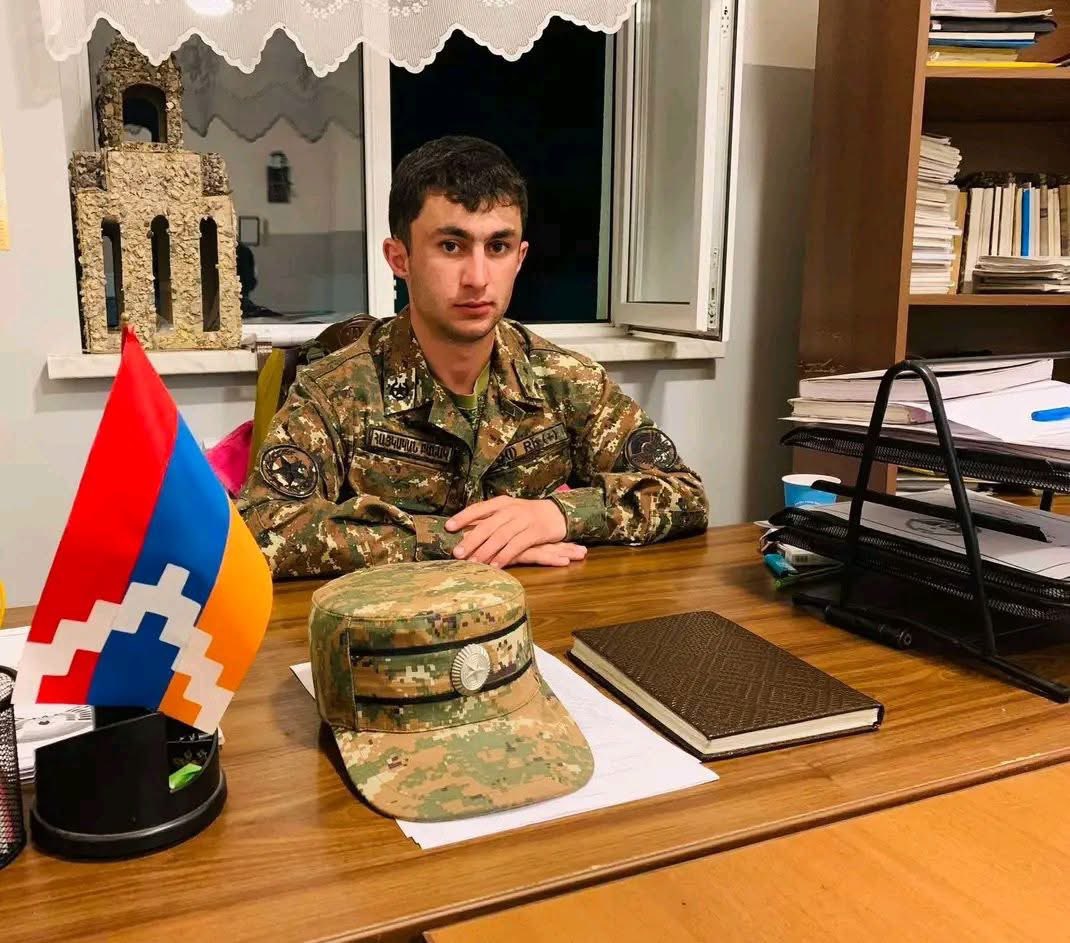
Today, April 7, we remember the birth of Hero of Artsakh, Captain Arthur Aghasyan.
Arthur was born on April 7, 1997, in Martuni, Artsakh.
At just 19 years old, during the April 2016 War, he led the defense of his position and successfully repelled an Azerbaijani special forces assault, crushing the advance of the “Yashma” unit and forcing them back. Thanks to his leadership, his unit suffered only one wounded soldier. For his bravery, he was awarded the “Combat Cross” 2nd Class.
During the 44-day war in 2020, already a captain, Arthur was entrusted with one of the most difficult defensive positions in the 6th Defense Region. He held the line for six days without losses, leading his soldiers out of a mined area and carrying out his mission with honor.
On October 5, 2020, in Mataghis, 23-year-old Captain Arthur Aghasyan fell in battle. On that same day, just hours apart, his brother Arsen Aghasyan was also killed in Talish.
On July 17, 2021, Arthur Aghasyan was posthumously awarded the highest title — Hero of Artsakh.
I was fortunate enough to meet Arthur in the summer of 2014. We quickly grew close and continued to stay in touch over the years.
His legacy lives on. His name lives on
Armenia’s 6,000 year wine heritage faces modern challenges, from cultural claims to disinformation. Yet indigenous grapes like Areni continue to define a growing global industry.
With its rich ruby color and bold notes of dark cherry, blackberry, and spice, Khndoghni reflects the unique terroir of Artsakh’s high altitude volcanic soils, delivering structure, depth, and a long, elegant finish.
Watch 🎥 https://t.co/XxsDAZ8o2I