South Africa Joins Afreximbank, announces US$8bn Country Programme
The Republic of South Africa has officially acceded to the Establishment Agreement of the African Export-Import Bank, becoming the Bank’s 54th member state and unlocking a new era of deeper financial sovereignty, industrial growth, and intra-African trade integration.
To operationalise this historic partnership, Afreximbank is launching a US$8 billion Country Programme aligned with South Africa’s National Development Plan 2030 and industrial priorities. The programme will support manufacturing, energy, mining, healthcare, financial services, industrial parks, special economic zones, and regional value chains - significantly expanding trade and investment flows across Africa.
Dr. @GeorgeElombi, President and Chairman of Afreximbank, described South Africa’s accession as a decisive step toward reshaping the structure of Africa’s trade and achieving full continental integration. He confirmed that Afreximbank’s current project pipeline in South Africa already exceeds US$6 billion.
Welcoming the accession, H.E. @CyrilRamaphosa, President of the Republic of South Africa, said the partnership reinforces South Africa’s commitment to African industrialisation and will immediately support strategic projects, including initiatives to strengthen black-owned businesses through the country’s Transformation Fund.
Africa’s most industrialised economy is now fully anchored in Africa’s trade finance architecture, powering export-led growth, regional integration, and Africa’s economic future.
Read more: https://t.co/OIP8MqmSfu
@PresidencyZA@GovernmentZA
#Afreximbank #GlobalAfrica #AfCFTA #IntraAfricanTrade #AfricaFinancingAfrica
The Importers Association of Nigeria (IMAN) recently partnered with Remita to launch a groundbreaking digitalization project, transforming the payment landscape for Nigerian importers.👏👏
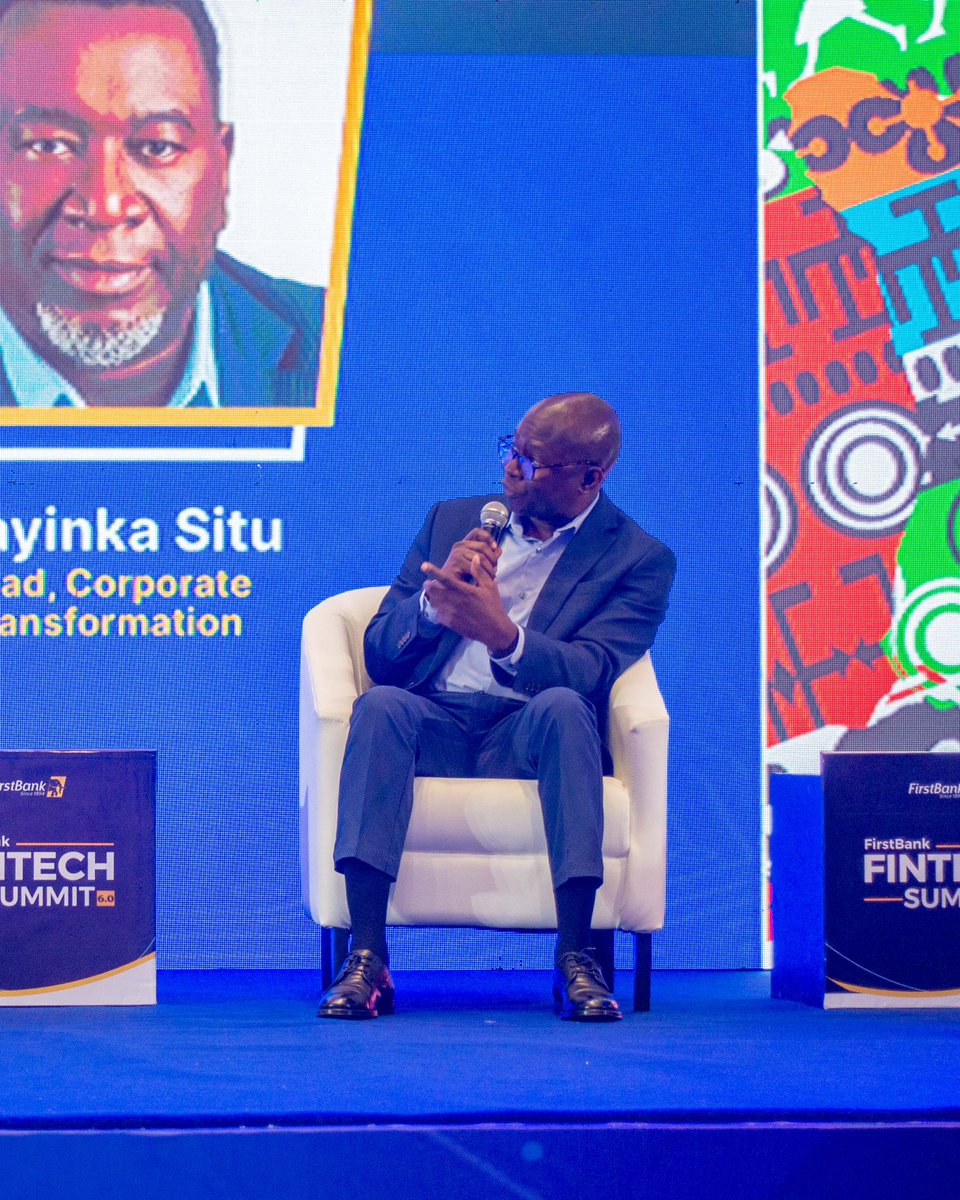
Collaboration succeeds when value is clear and aligned on all sides. Partnerships may seem ideal from the customer’s view but can fall short from the partner’s perspective,” said our MD, Mr. ‘DeRemi Atanda, at the FirstBank Fintech Summit 6.0.👏👏
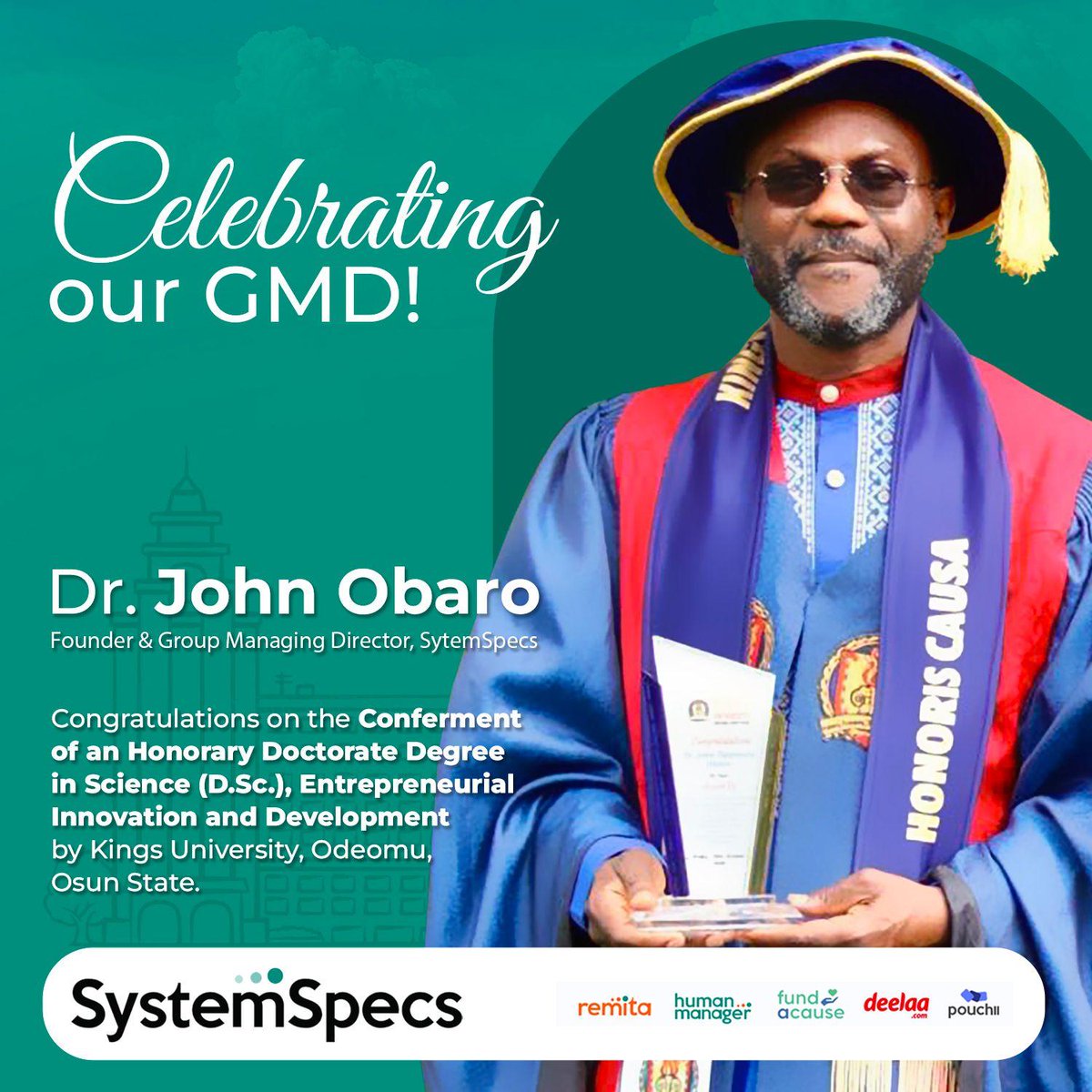
As further testament to the depth of his impact as a pioneer of software technology in Nigeria, our GMD, John Obaro has been awarded an Honorary Doctorate in Science (https://t.co/Mz7iv59Jpe.) in Entrepreneurial Innovation and Development by Kings University, Odeomu, Osun State.
Come discover the best of everything FINTECH on the Nigerian and African over 3 days, next week, Oct 8-10 at Landmark, Lagos.
Masterclasses, Exhibitions, Product Launches, Investor Pitches, Startup Clinics, Keynotes, Networking, Recruitment Fair, Big Brands, and lots more!
Celebrate Naija’s 64th Independence with Remita and Win Big in our 640gb data-splash!🎉
How to participate:
🧩 Solve the word puzzle
⏳ Screen-Grab or Type your answers in the Comments Section, between now & 4 pm, October 4th.
🎉 Winners will be announced at 6:40 PM on Friday.
Happy Easter from all of us at Remita! Today, we rejoice in the glorious resurrection of Jesus Christ and the hope it brings to our hearts through His sacrifice. May your day be overflowing with love, joy, and abundant blessings. #Remita#Easter#RessurectionSunday
If you read AO Lawal’s Economics textbook for secondary school students, you would not have seen “Knowledge” as a factor of production. It was not that Mr Lawal did not get the memo, what happened was that when he wrote his books, knowledge had not assumed a huge positioning in the market system.
Fast-forward to this era, we are not just discussing knowledge within the context of factors of production, but as an economic anchor of itself; yes, knowledge-based economies where knowledge is supreme among all the other factors of production like land, capital, entrepreneur and workers. Fascinatingly, knowledge drives national competitiveness at scale.
So, when Nigeria wanted to monetize “Knowledge” via the Expatriate Employment Levy, not via its application, but its transaction, I noted that it was a bad policy. Good enough, the government has flipped and muted that policy:
“The Federal Government of Nigeria has opted to suspend the implementation of the Expatriate Employment Levy (EEL) following intense deliberations with key stakeholders…EEL is a mandatory annual levy targeting organizations employing expatriate workers. Under this new regulation, companies are required to pay $15,000 for directors and $10,000 for other expatriate employees.”
Sure, I get it: you want to protect local jobs and also make money from these expatriates. But what happens if the companies cannot even afford them, considering that you are already taxing whatever they’re coming to do in Nigeria? I have argued here that Nigeria needs more knowledge and technology transfer, and we must invest efforts to make that happen.
How would that happen? More Google Design Centers and Microsoft Labs instead of sales offices in Nigeria. If we decide to tax those knowledge workers, and not just their outputs, many of these firms will not make Nigeria a destination for its best. So, we must NOT just suspend EEL, we need to discard it.
https://t.co/Mat9r8aSVr