Des nouvelles du photographe de la délégation irakienne Talal Salah 🇮🇶 et ce qui s'est passé hier :
- Fouille corporelle ainsi que de son téléphone portable
- Interrogatoire interminable
- La fédération irakienne a demandé à la FIFA de faire quelque chose sachant qu'il avait été dûment accrédité et bénéficiait du visa pour rentrer sur le sol américain
- Refus des autorités américaines
L'Irak n'a donc plus son photographe qui, doit-on le rappeler, a l'habitude depuis des années et des années de couvrir des compétitions nationales et continentales en Asie (pour les clubs ou sélection irakienne)
I go back and forth wondering whether my recent apathy for politics is accentuated more by the curated and stultifying nature of social platforms, or the extremely low calibre of competing personalities and ideas that dominate public debate on them.
In the 1620s, Jesuit missionaries in China discovered an ancient stone stele buried beneath vines
It described a “Luminous Religion” [Christianity] brought to the Tang Dynasty in the 7th century by monks of the Assyrian Church of the East, before later suppression
Every year, on April 24th - Armenian Genocide Remembrance Day, increasingly incorporated into the national memory of Assyrians and Greeks - I'm reminded of two things:
1. The sheer, ever-expanding number of sources available in numerous languages that attest to some of the worst horrors that humans can inflict on each other, and how almost none of it can penetrate traditional political discourse in a meaningful way beyond empty recognitions regardless of its normalization within academia.
2. How this disconnection still doesn't really inform the actions of people who have been deeply and personally affected by the genocide, who internalize learned Western behaviours and social contracts in diaspora that simply don't apply to this specific context geographically or politically: lobbying for justice (begging), petitioning and appeals, 'raising awareness', etc.. All play a role in the recovery process, but as it stands, currently occupy a stupendously disproportionate one.
And so, every year, I'm more convinced that energies must be recalibrated and spent overwhemingly on building power and capacities within your own community: plan, fund and execute projects in your local community and in the homeland, support businesses, create sustainable channels of professional and authoritative media, support academic work, don't neglect contemporary artists who dare try new things, hold existing community organisations accountable or create new ones.
Recognitions can come from every single state in the world except the one that matters, and it will change nothing. Do you want to momentarily soothe unresolved trauma by being superficially 'seen' during this annual ritual, or do you want to get your hands actually dirty with real repair and development work? Use today to pause and ponder that choice and what it demands of you, and be honest about what you are prepared to offer.
I guess one key difference between the KRG and Baghdad is that the kidnappings and assassinations there need to be sanctioned and arranged by government parties, not rogue militias.
No one should be promoted in this case. The fact that militias in the capital can kidnap or assassinate anyone they want in broad daylight, without any fear that the government will act, is a failure of the entire system, particularly the presidencies.
Horrifying scenes from Beirut #Lebanon today. Nearly 100 Israeli airstrikes in less than 10 minutes, in broad daylight, with rush hour traffic heard in background. At least 89 killed…
It would be great if Western Christians with an appetite for reportage would pause for a moment during their KDP-chauffeured tour of Arbil and ask simple questions like why are Assyrians *also* leaving KRG-governed provinces, not just Iraq proper?
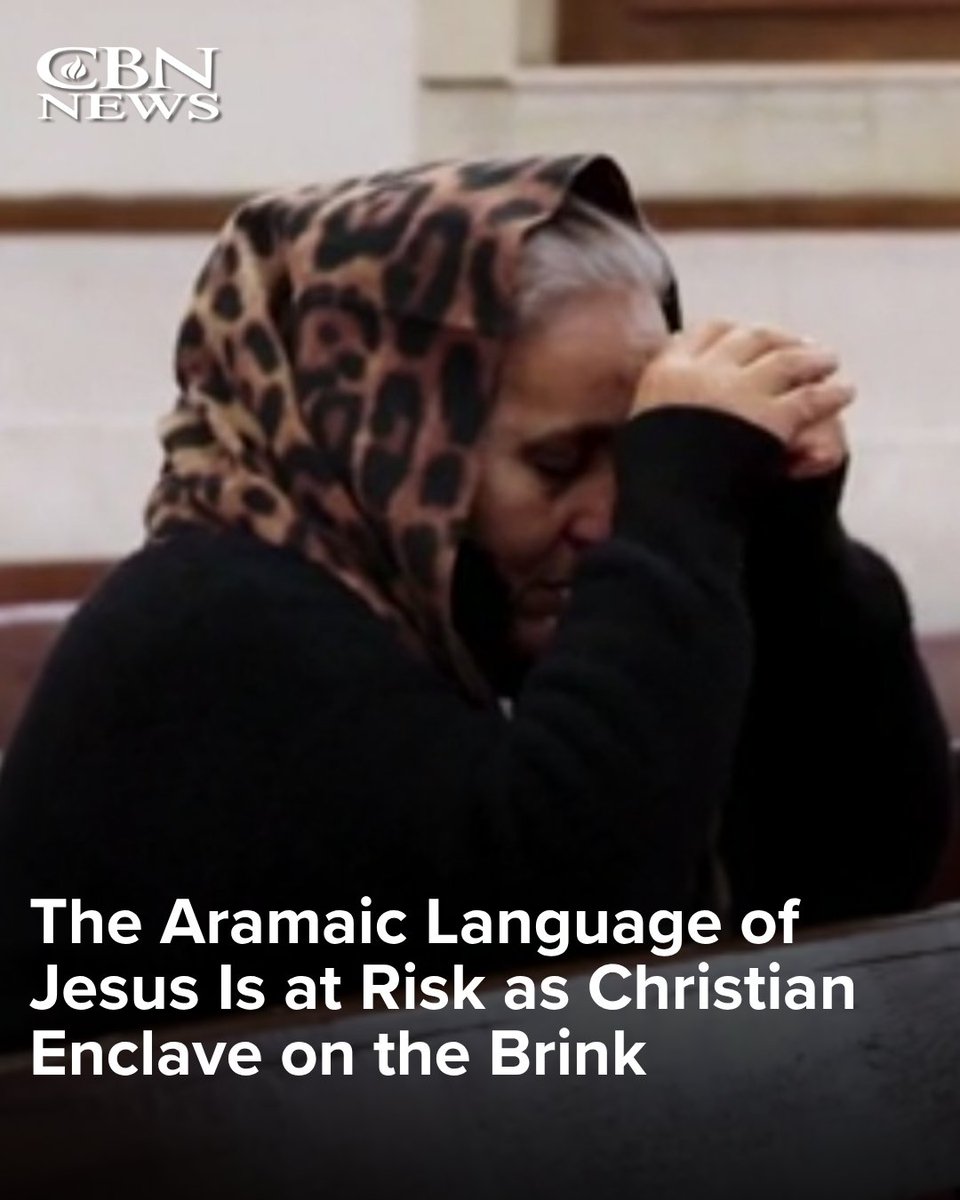
One of the world's oldest Christian communities is on the brink of disappearing. Decades of war and persecution in Iraq have driven most believers out of the country.
In Erbil lies a neighborhood unlike any other. This Christian enclave has endured for nearly 2,000 years. Here, people still speak Aramaic, the language of Jesus.
Archbishop of Erbil Bashar Matti Warda said, "This is a place of evangelization; this is a place where Christianity came right in the First Century."
CBN NEWS REPORTS from ANKAWA, Northern Iraq: https://t.co/R2OXbtgt4a


![chunguskitten's tweet photo. In the 1620s, Jesuit missionaries in China discovered an ancient stone stele buried beneath vines
It described a “Luminous Religion” [Christianity] brought to the Tang Dynasty in the 7th century by monks of the Assyrian Church of the East, before later suppression https://t.co/tmVT6yjKHr](https://pbs.twimg.com/media/HHad8kaX0AEmSoo.jpg)




![chunguskitten's tweet photo. In the 1620s, Jesuit missionaries in China discovered an ancient stone stele buried beneath vines
It described a “Luminous Religion” [Christianity] brought to the Tang Dynasty in the 7th century by monks of the Assyrian Church of the East, before later suppression https://t.co/tmVT6yjKHr](https://pbs.twimg.com/media/HHad8kgXkAE0XG4.jpg)