@ShenBass93@AntiFeminismAU I thought as much, regardless of how much you hate the male gender, if you don't do anything to make it better, it's just noise
And also because they're bad males in the world that doesn't mean they're no good ones,actions like this tends to undermine the actions of the good ones
@ShenBass93@AntiFeminismAU Sounds more like hatred
You emphasize more on violence of males on women, society and their own families, like males hasn't done anything good in their whole existence, like all males are bad. Wow okay
Male loneliness my foot 😂😂
So all female are angels, perfect right ?
DID YOU KNOW??
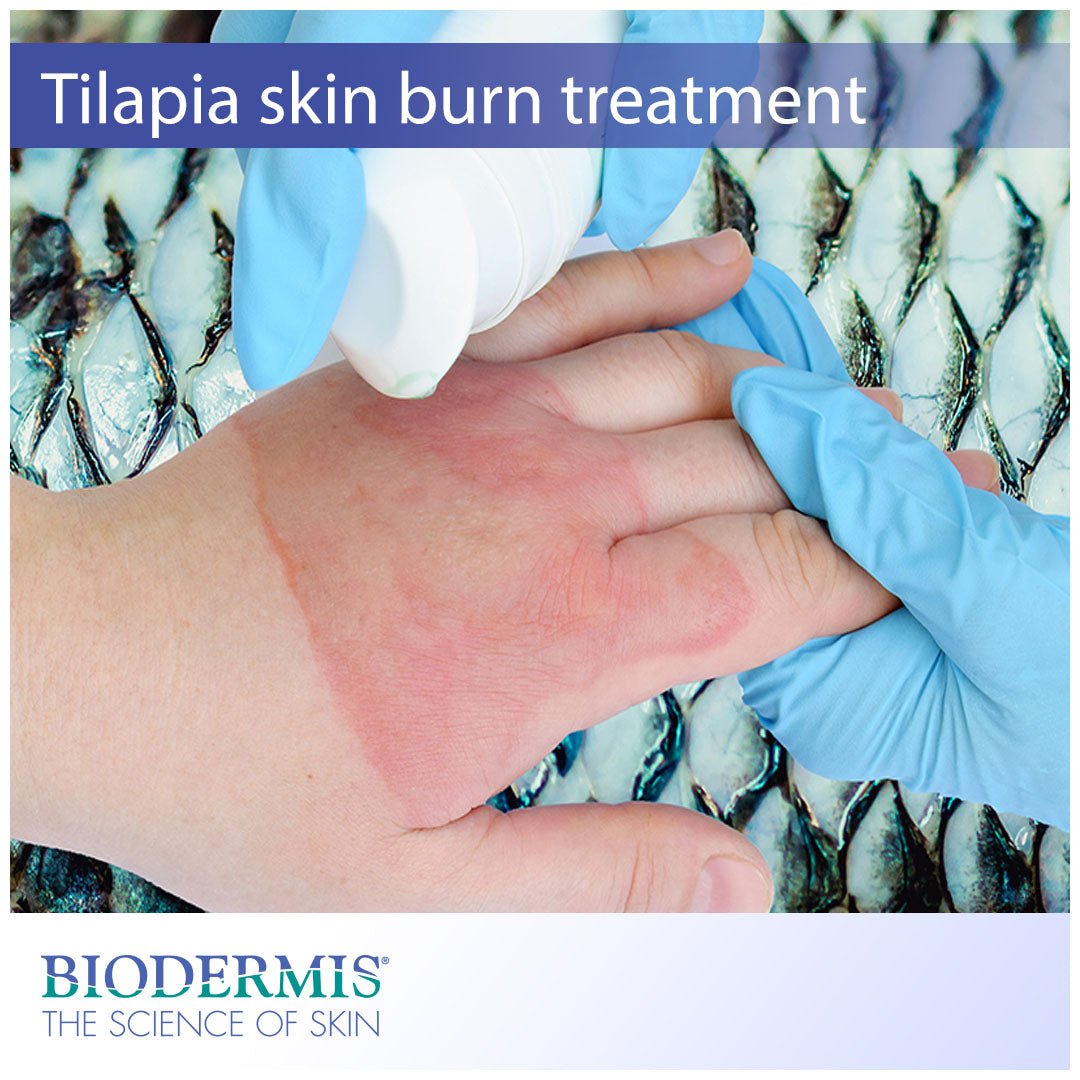
Doctors can treat severe human burns and diabetic ulcers by grafting sterilized fish skin, most notably from Atlantic cod or Tilapia, directly onto human wounds, where it acts as a living biological scaffold that converts into real human tissue!
Fish skin is rich in Omega-3 fatty acids, Type-I collagen, and natural moisture, closely matching the microscopic structure of human skin. Because fish cold-water diseases cannot cross over to infect humans, fish skin does not require harsh chemical processing or high-heat sterilization. This leaves its porous biological framework and beneficial anti-inflammatory fats completely intact.
When placed over a deep wound, human skin cells use the fish matrix like a temporary scaffold, migrating into the pores, growing new blood vessels, and eventually absorbing the fish tissue as the body regenerates its own skin. Let me explain 👇🏾👇🏾
How Fish Skin Grafting Works Step-by-Step:
The application and healing process follows a clear biological sequence.
1. Gentle Cleaning & Descaling:
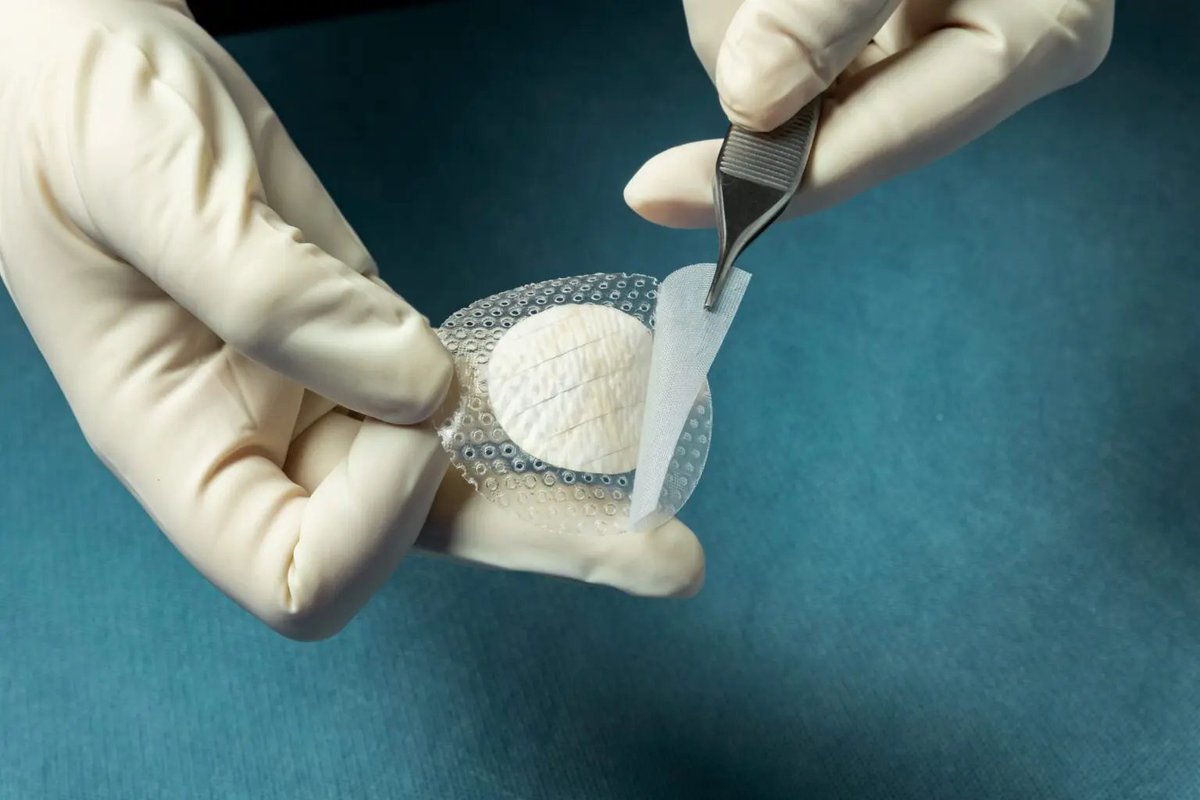
Sustainably harvested fish skin (such as wild Icelandic cod or farmed Tilapia) is stripped of scales, sanitized using mild chemical baths to kill bacteria while preserving cellular structure, and freeze-dried for storage.
2. Placing the Graft:
Surgeons cut the dry fish skin to fit the wound's exact shape and place it directly onto the damaged human tissue, securing it with bandages or light sutures.
3. Human Cell Migration:
Human blood vessels and skin cells recognize the collagen matrix, crawling into the fish skin's microscopic pores and using its rich Omega-3 fats to reduce local inflammation and fight off infection.
4. Natural Tissue Conversion:
Over several weeks, as human skin regenerates, the body fully absorbs the fish skin, eliminating the painful need to manually tear off or swap traditional gauze dressings.
Pros and Cons of Fish Skin Grafts:
1. The Pros:
A. Faster Healing & Reduced Pain: High concentrations of natural Omega-3 fatty acids reduce inflammation and speed up cell regeneration, leading to faster closure of chronic wounds.
B. No Disease Transmission Risk: Unlike pig or cow tissues, fish carry no risk of transmitting viral diseases (like swine flu or BSE) to humans, meaning the tissue requires minimal processing.
C. Fewer Painful Dressing Changes: Because the fish skin naturally integrates and dissolves into the healing wound, patients don't have to endure frequent, painful bandage pulls.
D. Cost-Effective Alternative: In regions where synthetic or human donor skin is expensive or unavailable, fish skin provides an abundant, low-cost solution.
2. The Cons:
A. Availability & Cost Barriers: Processed medical-grade fish grafts (like FDA-cleared acellular cod skin) can still be expensive and aren't universally available in every hospital.
B. Fish Allergies: Patients with severe fish allergies cannot receive these grafts due to the risk of an allergic reaction.
C. Cultural & Visual Hesitancy: Some patients feel hesitant or uncomfortable with the idea of having aquatic animal skin applied directly onto their body.
More Surprising Facts About Fish Skin Grafts:
A. Pioneered in Brazil: The widespread use of fish skin for burn care was pioneered by researchers in Fortaleza, Brazil, who began using sterilized Tilapia skin as a low-cost, effective treatment for severe burn victims.
B. Used on Wild Animals: Veterinarians have successfully used Tilapia skin grafts to treat wild animals suffering from severe wildfire burns, including bears, mountain lions, and sea otters.
SUMMARILY!
Fish skin grafting uses sterilized, collagen-rich fish skin as a natural biological scaffold that helps human cells regrow tissue, offering faster healing and reduced pain with minimal risk of disease transmission.
Hopefully you've learnt something new today?
The Medic Who Writes™🌚
Cheers 🥂 🙂