Yesterday was my last day as Poverty and Inequality Lead at DI, best of luck to the team as they employ data and evidence for good. I've got a few weeks before starting my next career adventure, so let me know if there are any projects I can help out with!
What does poverty and inequality look like from a gender perspective? We need more and better gender data to answer this, building on progress and the work of partners...
READ our new gender data briefing outlining challenges and solutions to improve the data and evidence needed to tackle gender inequality: https://t.co/PxNGuxgOQz
I've been privileged to work with great people on an issue I feel passionate about, but now it's time to handover the reigns...If you're interested in using data and evidence to tackle poverty and inequality around the world, apply to @devinitorg today! https://t.co/3eQqpOyv2Y
While the principle of 'leave no one behind' is recognised around the world, a review of VNRs finds there's a glaring gap when it comes to embedding this within development policy. https://t.co/qpbXqrFmmG. We've got some ideas on how data can help...https://t.co/3r67QzdSO3
My colleague Zach gives a great write up of 'a complicated update to a simplistic measure', re the extreme poverty line now at $2.15/day. https://t.co/GKEQH8ocZh
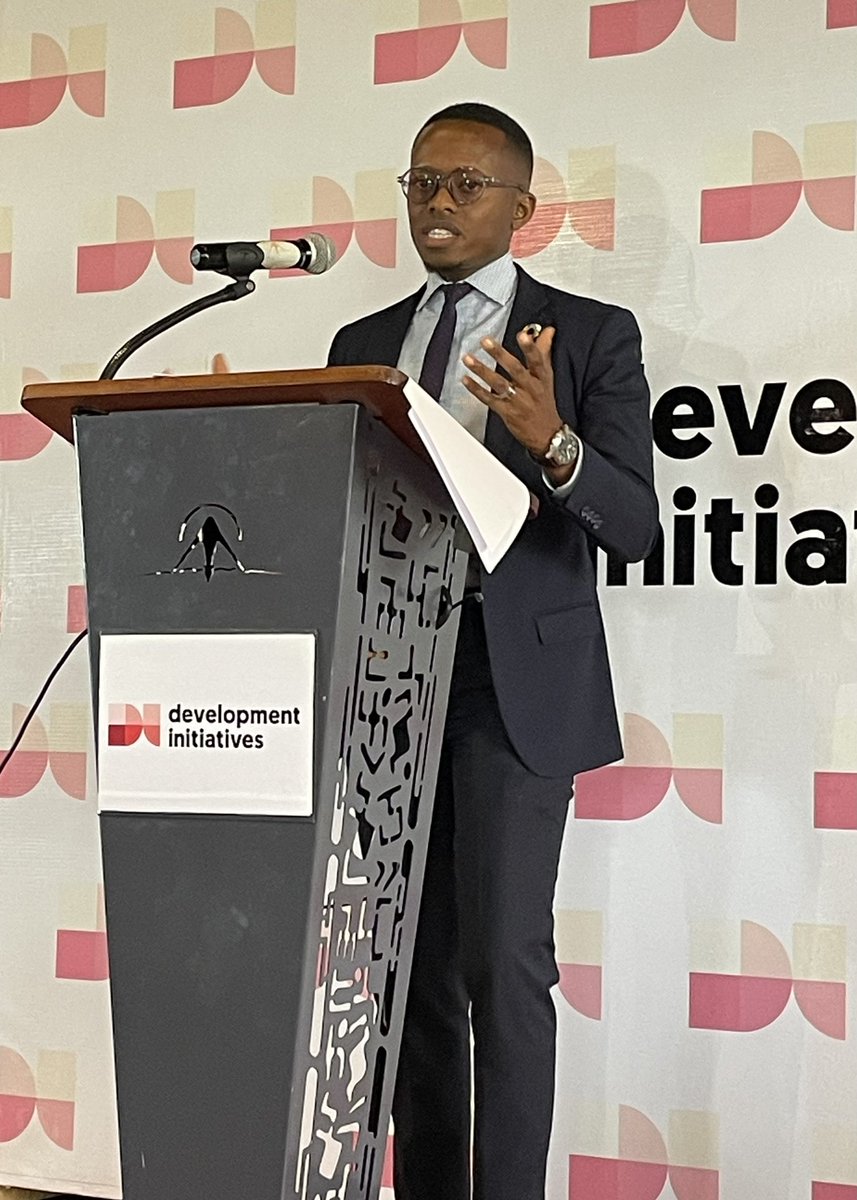
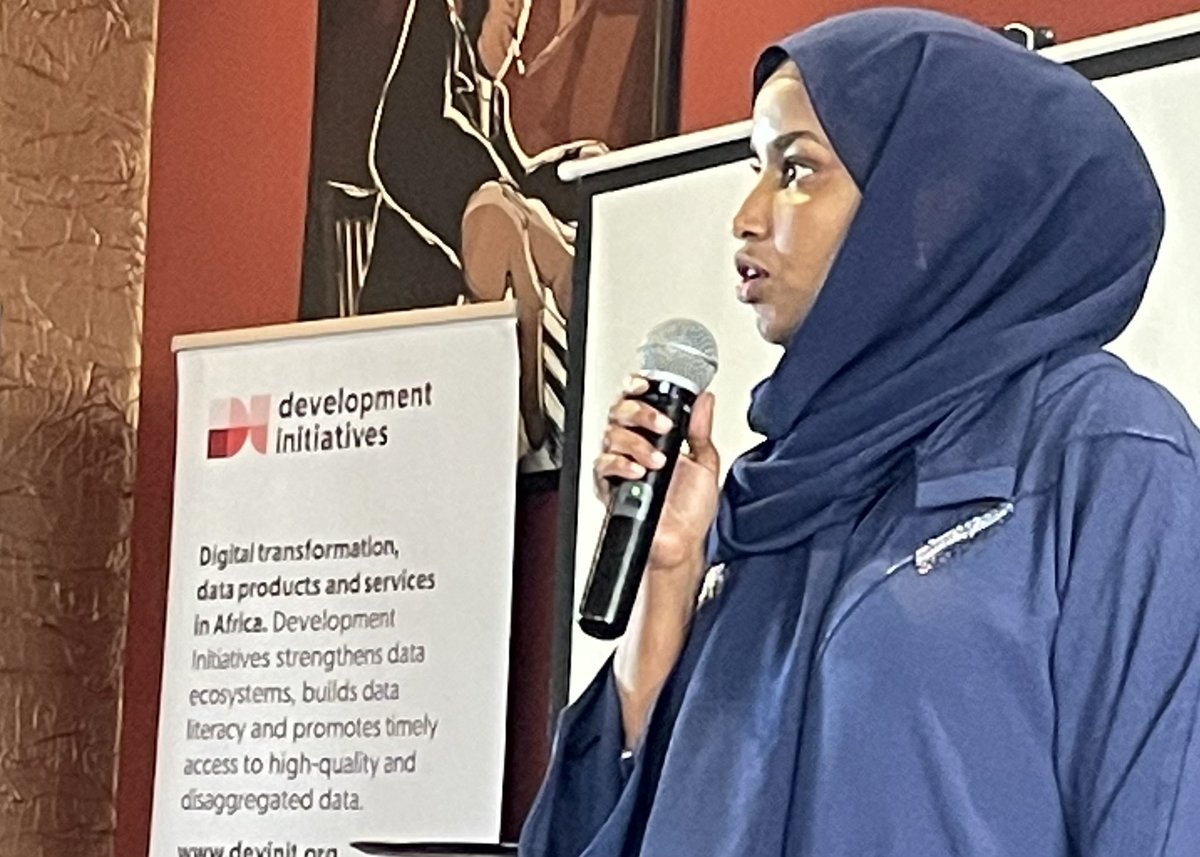
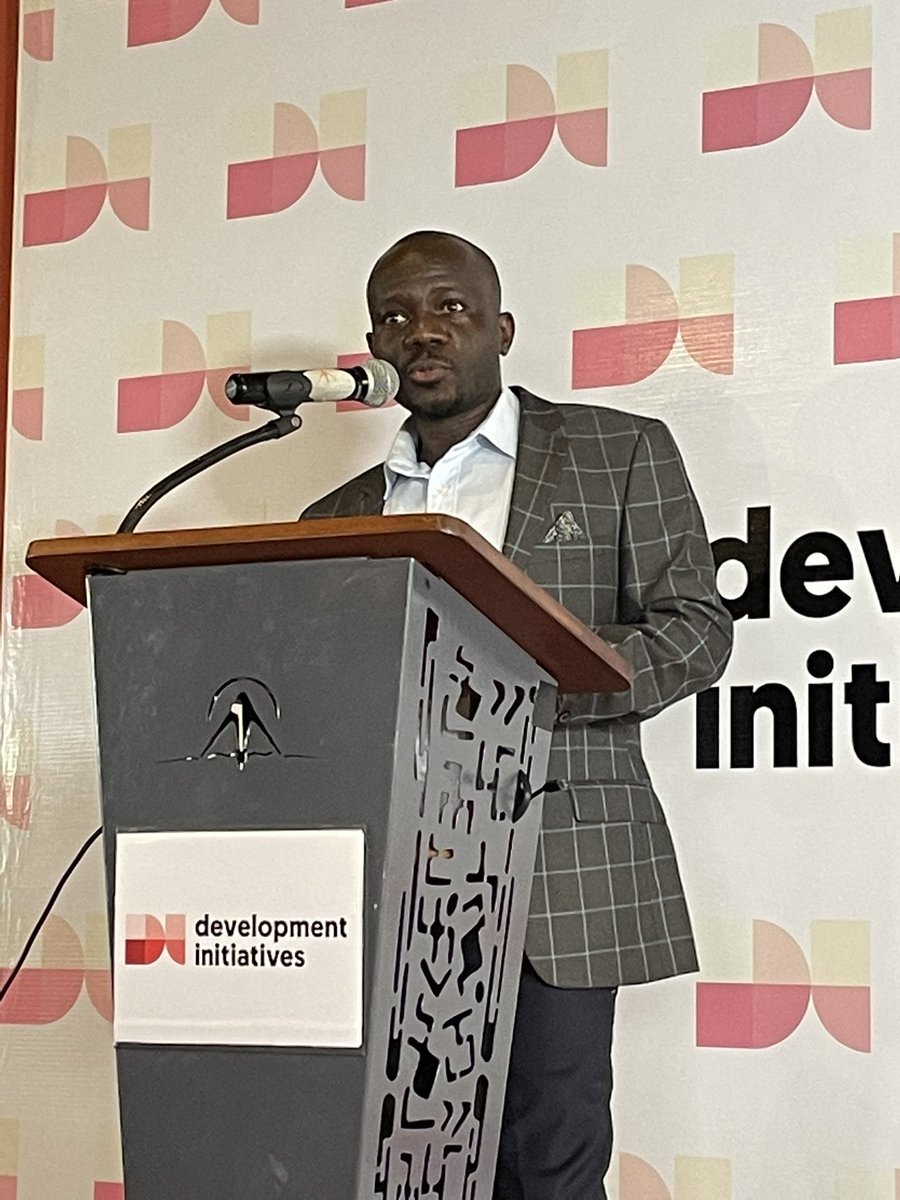
Exciting morning for us all at the DI East Africa Hub as we launch our strategic priorities for the next three years (2023-2025).
We will focus on:
Financing for development;
Poverty, inequality & resilience; and
Digital transformation, data products & services in Africa.
What a privilege to work with these great colleagues - and all those who were not on stage today - at the launch of our @devinitorg East Africa Hub strategy here in #Nairobi#DIHubStrategy
Two important takeaways for me on tax and inequality: 1- Recognising tax as a social contract, having a stake and voice, for all 2 - Enormous potential for unearned income to be redistributed to improve individual and collective outcomes
https://t.co/srMmAPu95L
President Museveni of #Uganda says that the country had achieved lower-middle-income status, a claim that the World Bank disputes. @zchriste and Dean Breed examine the contested #data and explain why settling such debates can be far from straightforward: https://t.co/654b5CMveM
This picture might not look like much, but it represents a new answer to the question, ‘how can I do the most good?’
It's taken over 3 years and 10,000 hours of research to get here.
What am I talking about?🧵to explain.
Please read, then AMA about this research!
1/ Just travelled to Ethiopia, a country dear to my heart and my home for 8 years. I’m inspired by @OxfaminEthiopia for its crucial work confronting such a difficult combination of humanitarian, governance, and gender justice challenges. Some reflections:
Really important analysis by my brilliant friend and colleague Fran, showing the need to get more humanitarian funding into the hands of local actors doing the essential work.
Great to have worked on this report with @MulteciKonseyi on tracking funding to local actors in Türkiye. NB: following the money shouldn't be this hard! https://t.co/rbkqG8J9mY @devinitorg
In the bleak context of rising poverty and inequality, we look at the role #data can play and how OECD donors in particular can support efforts to strengthen national data ecosystems https://t.co/43J4yfQEFf
@WendyEdelberg on the role of fiscal policy to smooth and redistribute costs of crises and policy makers are more comfortable borrowing to smooth over time - obfuscating costs, rather than between people through redistribution (despite obvious benefits for inequality). #CGDtalks
New @UNRISD report on the need for a new eco-social contract, feels extremely pertinent for the UK right now, where the chaos of government is so completely detached from what people need this winter. https://t.co/hYvmYrTBc6