A proper geotechnical investigation answers critical questions:
• Can the soil safely support the proposed structure?
• How deep should foundations extend?
• Is groundwater likely to affect construction?
• Are there hidden conditions that could cause settlement or failure?
In Kampala alone, ground conditions can change dramatically within short distances.
The firm soils of one location can quickly give way to compressible clays, high water tables, filled ground, or swamp deposits in another.
The surface may look identical.
The subsurface rarely is
This is why geotechnical investigations exist.
Not to produce reports.
Not to satisfy approvals.
Not to create paperwork.
But to expose the risks hiding beneath your investment before they become structural problems.
A few meters below the surface, the assumptions began to fall apart.
Soft soils.
Unexpected groundwater.
Weak layers exactly where the foundations were supposed to sit.
Suddenly, the most expensive part of the project wasn't the concrete.
It was what nobody knew.
A geotechnical investigation is not paperwork.
It is confrontation with the ground.
And the ground always wins.
The only variable is how prepared you were when it spoke back.
He thought it was just a report.
A simple document. A quick price. A box to tick before construction.
Then we went to site.
1st hole: soft ground.
2nd hole: deeper weakness.
3rd hole: refusal layer not where it was expected.
Silence.
Since you People love simple numbers, here is a breakdown:
• Small sites: UGX 1.5M – 5M
• Buildings: UGX 4M – 15M
• Infrastructure: UGX 15M – 100M+
But those numbers are not the story.
The story is what we find after we start digging.
That’s the moment reality shows up—without warning and without apology.
Now the question changes.
It’s no longer: “How much does a geotechnical report cost?”
It becomes: “How much would it cost if we guessed wrong?”
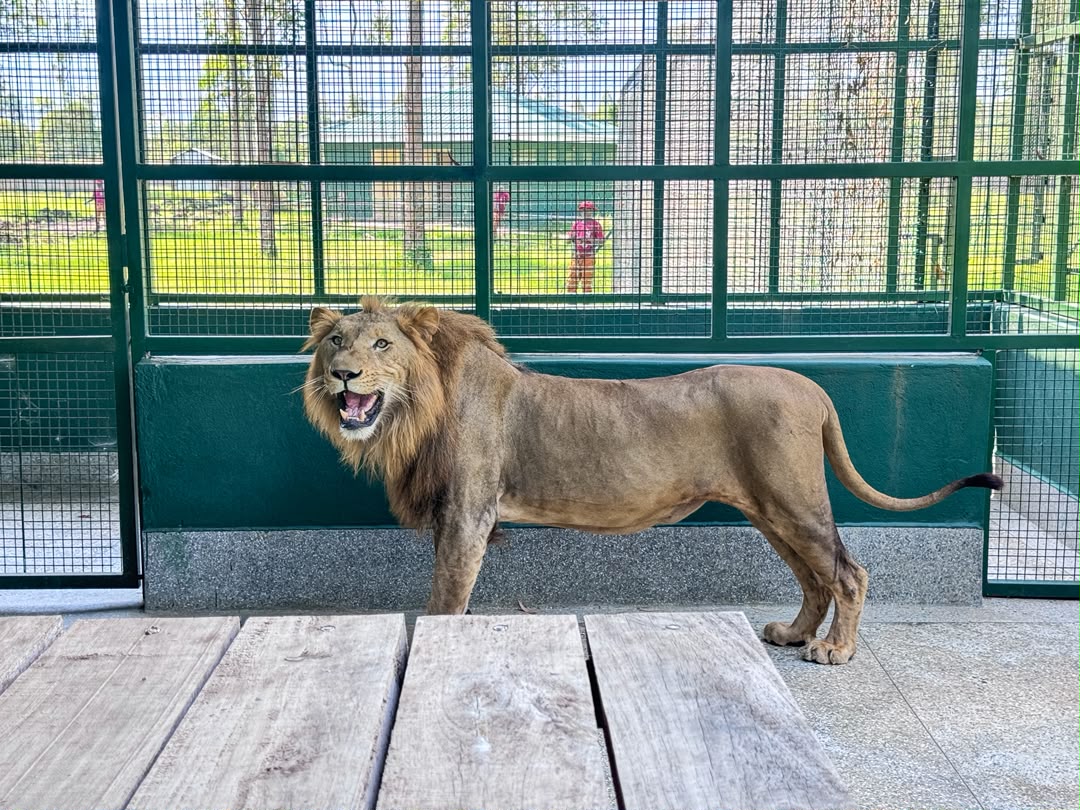
UWA to open a regional zoo in Eastern Uganda (UWEC–Mbale Zoo)
UWA has begun relocating wildlife to Uganda’s first regional satellite zoo in Mbale. So far, lions, a zebra, a waterbuck, an ostrich, and peacocks are thriving in their new home.
The project will bring wildlife conservation and education closer to communities across Eastern Uganda.
Looking forward to the official opening on 12th June 2026.
Keep lockedon for more updates
#ConservingForGenerations
Does anyone in #Uganda know if it’s still possible to get this book in print? And if not, how I might contact the copyright holder? This book would be a good candidate for e-publishing.