Athletes, “paralysis by analysis” is a real thing. Is it good to ask questions and learn about the throw sometimes? Of course. But sometimes you just need to shut up and try to break a PR. Stop trying to be cute all the time.
Not only is training asymmetrically okay, but it can also be the best course of action in many circumstances.
The human body does not function symmetrically, so why should you train that way?
Start young athletes off the right way so that they don’t have to undo habits engrained from years and years of improper training, that may have an effect on their athletic career long term.
Understanding that the brain does not forget neuromuscular pathways, but rather has to form a stronger one to retrain a movement pattern should be the only thing guiding your decision making as a strength coach.
Everyone is so quick to reopen gyms, but will your clients even be comfortable coming back yet? Will you be running up the utility bills with minimal revenue coming in? Online and outdoor sessions may still be the most logical/profitable for weeks and months to come.
This alone will increase your movement variability, unlocking movement options necessary for throwing, sprinting, jumping, and cutting at a high level.
A thread on incorporating backwards locomotion to improve performance.
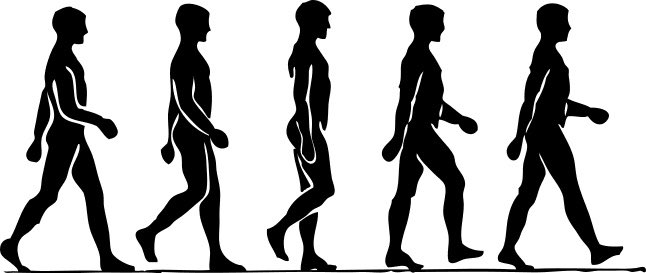
As a human being you move forward for the majority of your life. You walk forward, you reach forward, and most people primarily exercise forward.
Not only will these exercises improve your performance at a muscular level, but neurologically they force you to move outside of your embedded locomotive pattern.
The role of the private sector strength and conditioning coach is to assess and manage stress on the athlete. Sport stress, work stress, family stress, and significant other stress are all related to improving athletic performance and should be taken into account each session.
It’s your job as a coach to give your clients more movement options, and to modify exercise with the intent to give them the best chance of success, with the least amount of risk.
“Find out what they can’t do and give them an opportunity to do it.”
A few snippets from a recent call I had with my former intern Cristina. She needed help troubleshooting some movement issues that one of her friends was having.
Exercise modification should give a client the best opportunity to feel the right muscles working, with the right landmarks anchoring them to the ground dependent upon the task at hand.
Assessing athletes based on anthropometrics is a very useful tool and a great way to avoid overtraining. These measurements allow you to individualize each athletes program by easily adjusting sets, reps, or frequency.
A thread on anthropometric measurements and their relation to programming for athletes.
Anthropometric measurements such as height and limb length can have a significant impact on training induced stress during certain exercises.
This can also vary based on exercise. Someone with long femurs may not be able to handle as much squat volume as someone with shorter femurs and a more upright squat. However if they have short to moderate length arms they may be able to handle above average bench press volume.