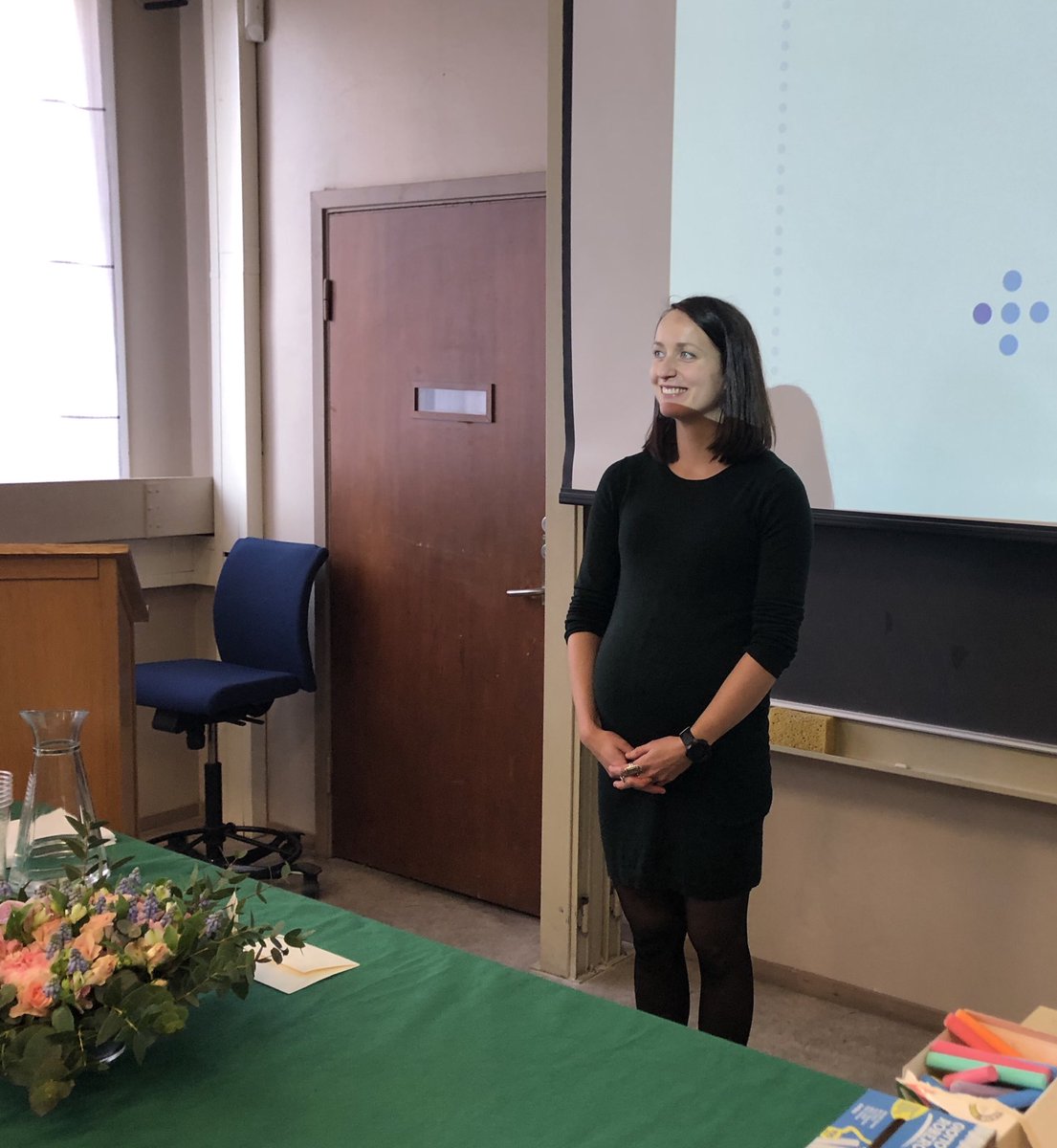
Very exited to be featured in the annual Norwegian Research Report. This report presents projects showing the scope of research activity in Norway, and ‘DeepMets’ was one of the selected projects. The report is available (in Norwegian) here: https://t.co/7Vydlc2ftS
In a recent study, we presented a method for generalizing deep learning segmentation models for use in multiple different imaging sites. Now you can read the ‘behind-the-paper’ at npj – Digital Medicine.
https://t.co/OskaGN9lA1
In this study, we use a neural network for segmenting brain metastases that’s able to handle missing MRI data during inference. This is likely of high value for generalizing deep learning segmentation models for use in multiple different imaging sites.
https://t.co/n3UIBUzdQ0
ICYMI: AI-based image reconstruction and postprocessing methods are likely to be implemented first in MRI, according to @GregZ_mD of @StanfordRad. https://t.co/kjHSpB2VdJ #ISMRM20#MRI#radiology
In an international multicenter study, we are very exited to demonstrate a novel DropOut neural network that’s able to handle missing MRI input data in deep learning segmentation of brain metastases.
Read all about it in our latest arXiv preprint:
https://t.co/BrXjXmfTvV
As awesome as it is, medical imaging is still too inefficient and costly. We know AI can significantly speed up acquisition times and reduce radiation dose. These things are good for patients, imaging centers, and the healthcare system. Let’s make this happen!
@DeepBrainLab is excited to publish its first work showing that deep learning enables automatic detection and segmentation of brain metastases on multi-sequence MRI with high accuracy. Read all about it in our arXiv preprint: https://t.co/iMu5fmTG7E
#AI#deeplearning#radiology