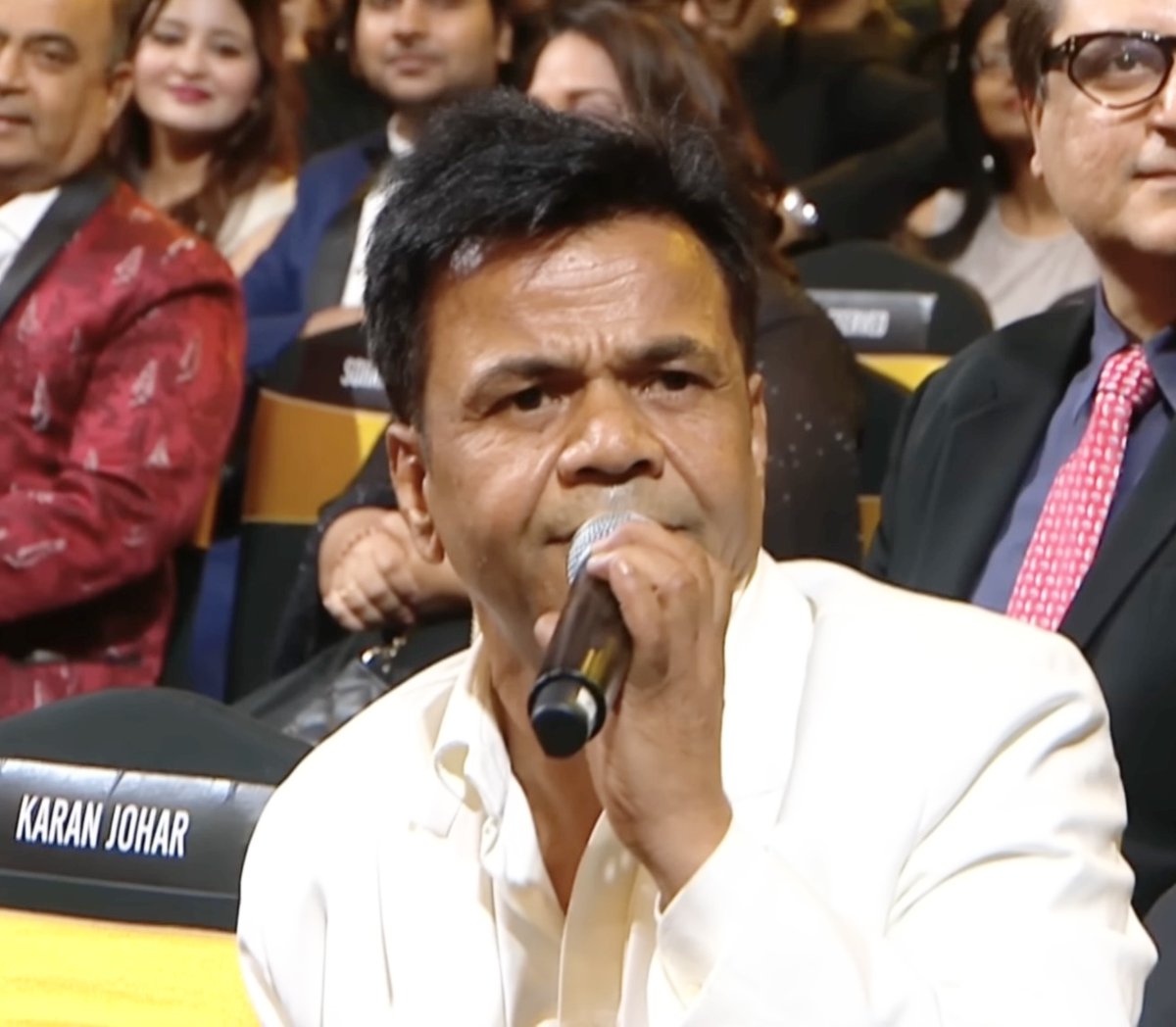
.@BeingSalmanKhan Bhai, mere 30 saal ke safar ko sarahne ke liye bahut-bahut shukriya. Aap hamesha ek bade bhai ki tarah raasta dikhate aaye hain. Love you, Bhai, Naman! 😇🙏
Rajpal bhai aap 30 yrs se kaam kar rahe ho aur hum sabne aapko repeat kiya hai baar baar kyunki aap apna kaam jante ho aur ek value laate ho , kaam toh aapko bohot milega aur issi dollar rate pe milega aur milte rahega . Hakikat yeh hai .
Aur yeh yaad rakhna ke kabhi kabhi flow mai kuch nikal aata hai ,dena hi hai toh dimag mai rakho dil se kaam karo , dollar upar ho ya neeche kya farak padta hai dena toh India mai hi hai @rajpalofficial
बेचारा. कैसे बौखला रहें हैं. ! इसके बाद आपको जवाब नहीं दूंगा. क्योंकि बताया था आपको @SirPareshRawal के आप और आपकी films मेरे बचपन का हिस्सा हैं. मगर बीजेपी का अंडा बनने के चक्कर मे बर्बाद हो गए हैं आप. स्वरूप जी को मेरा नमस्कार कहिएगा. ये जो है जिंदगी आज भी मेरा favorite सीरिअल है. मगर बीजेपी ने आपको कचरा कर दिया है . Shame on you because of your andhbhakti you lost a fan. And that can be the worst thing for a film actor.
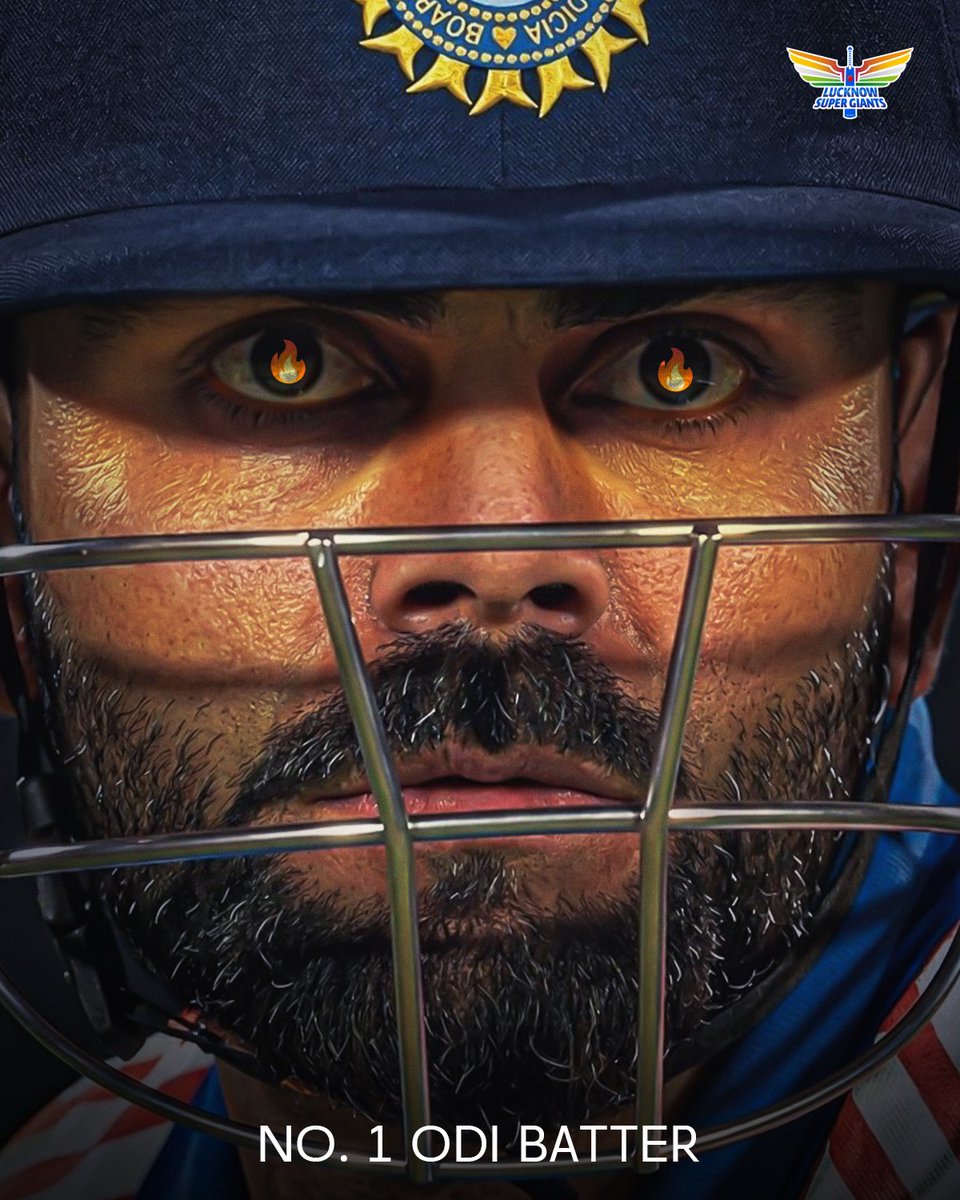
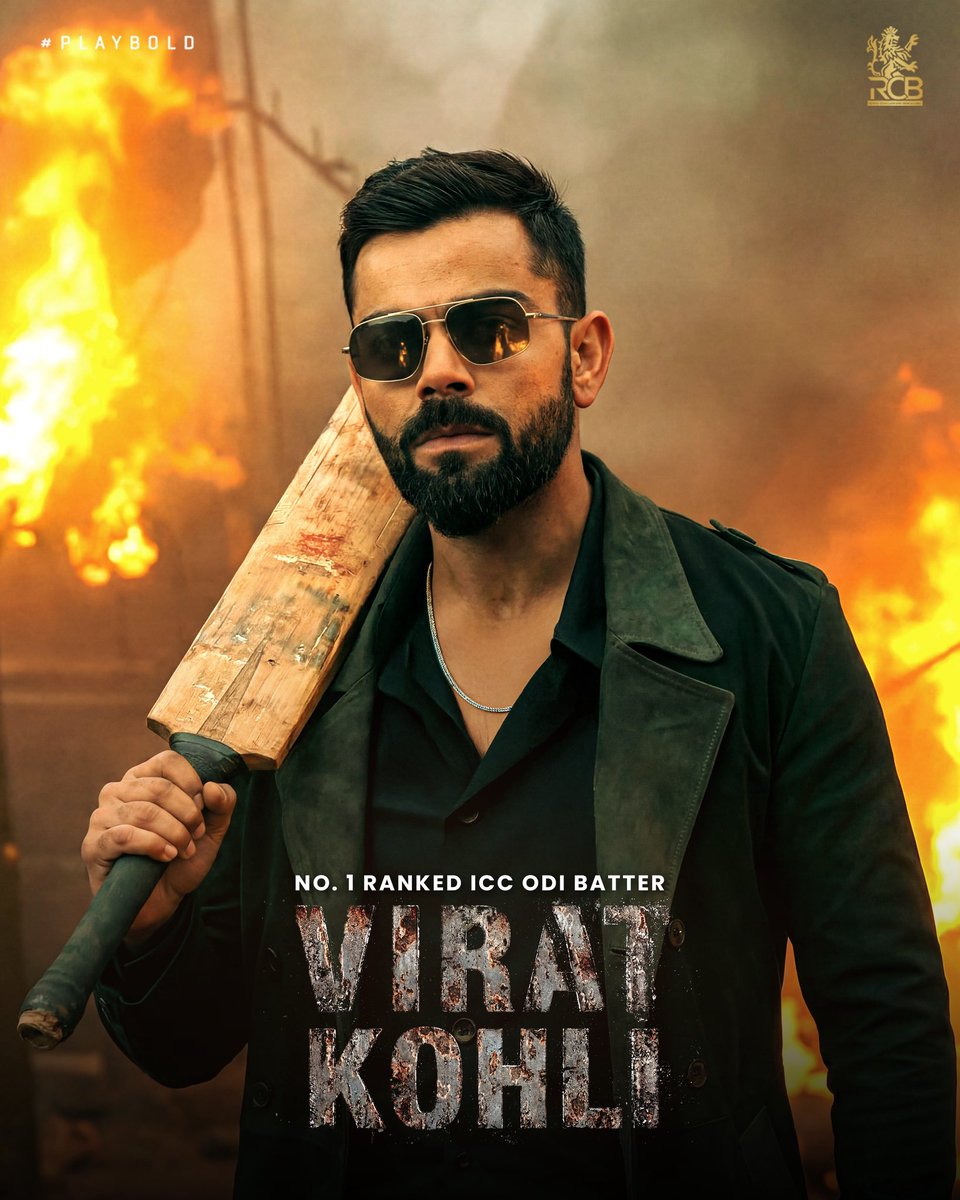
𝗗𝗮𝗱𝗱𝘆’𝘀 𝗛𝗼𝗺𝗲 👑🔥
The King returns to his rightful place. 🇮🇳’s favourite, #VK18, reclaims the No.1️⃣ spot in the ICC ODI rankings. Again. 🐐
We won’t be surprised if he sticks around for a while. 😉❤️🔥
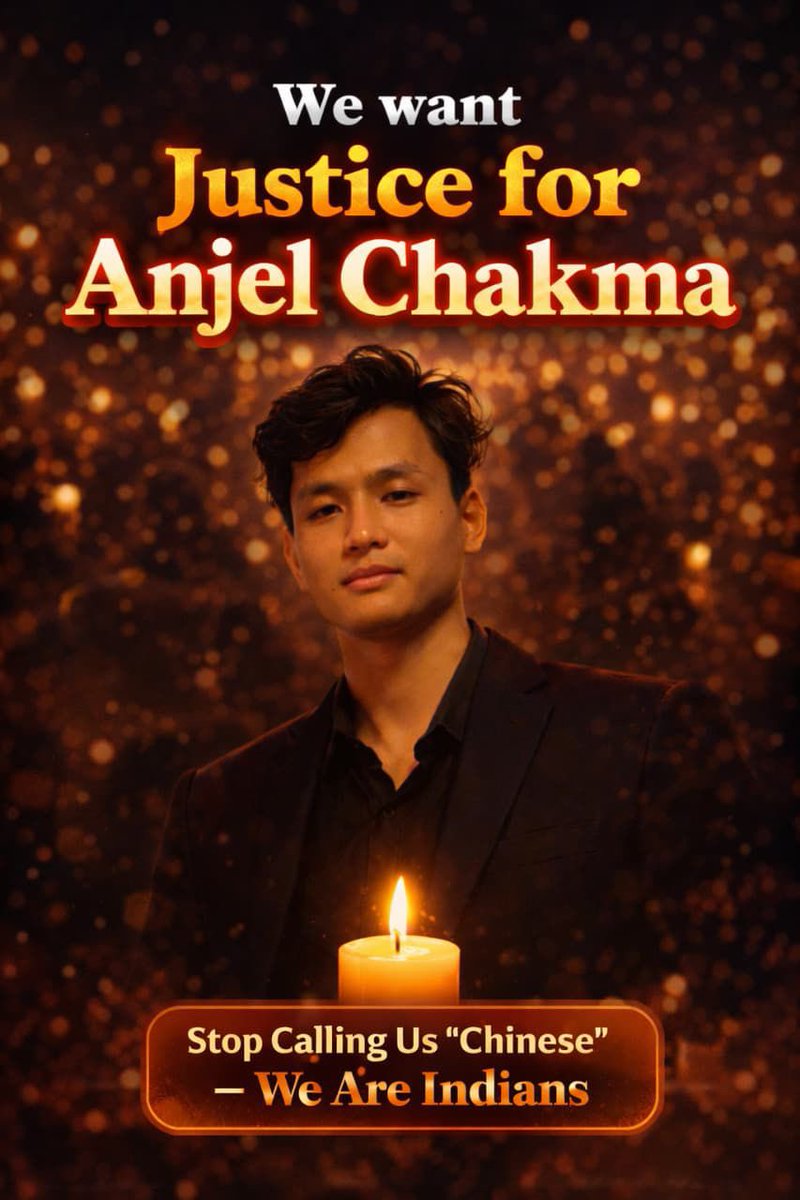
“When Students Don’t Come Home”
I am writing this as a conscious journalist from the Northeast, carrying the weight of years of silence, loss and unanswered questions.
Late Anjel Chakma was preparing to return to his hometown for the holidays, a routine moment of relief every student understands. But that journey never happened. Instead, Anjel’s life was violently altered and ultimately taken in Dehradun, far from home, far from safety and far from the comfort of those who raised him.
His death is not an isolated tragedy. It is a painful and familiar reminder for every family in the Northeast that sends its children away in search of education and a better future.
More than a decade has passed since Nido Taniam, a young student from Arunachal Pradesh, was killed in South Delhi’s Lajpat Nagar. That incident shook the nation’s conscience. Committees were formed, guidelines were drafted, helplines were launched, and special police units were introduced to protect people from the Northeast living outside their home states.
Yet today, looking at Anjel Chakma’s death, we must ask: what truly changed?
What we have not honestly acknowledged is that the Northeast continues to be seen as “different” in the national imagination. That difference has become dangerous. It manifests as casual slurs, suspicion, ridicule and at times, fatal violence. This mindset was not created overnight and it has not disappeared with laws or advisories.
We often comfort ourselves by saying systems are in place. But systems do not control the minds of men. The prejudice that fuels such attacks has existed since the earliest days of our collective existence, passed on quietly, normalised, and tolerated. The question before us is uncomfortable: do we keep forgiving a rotten mindset until more innocent lives are lost?
Enough is enough.
Special helplines and designated police units are not enough to protect students who are targeted because of how they look, speak or belong. What is needed is institutional seriousness, not symbolic gestures. A dedicated national ministry or statutory body that focuses solely on the vulnerabilities, safety and dignity of Northeastern people across India, without distractions, without dilution, must be debated urgently.
Will it work? That remains to be seen. But doing nothing has already failed too many times.
In response to Anjel Chakma’s death, the Chakma Students’ Union proposed a protest at Jantar Mantar, New Delhi, on December 28, 2025, demanding justice and stronger safeguards for students from the Northeast. This protest was not only for Anjel. It was for every student who left home with hope and returned in a coffin or never returned at all. However, the proposed protest by the Chakma Students’ Union Delhi was postponed after police permitted only 50 participants.
Anjel Chakma’s death is not just news. It is memory. It is a warning. It is grief carried by an entire Northeast region.
I write this not to provoke sympathy, but to demand recognition, that the Northeast is not an exception within the nation, and its children are not expendable.
I write this because silence, at this point, is no longer an option.
@pushkardhami@DrManikSaha2@uttarakhandcops@HMOIndia@DelhiPolice@mygovtripura@tripura_cmo@PMOIndia@NodalofficerNE
#JusticeForAnjelChakma
#NortheastLivesMatter
#EnoughIsEnough
#ProtectNortheastStudents
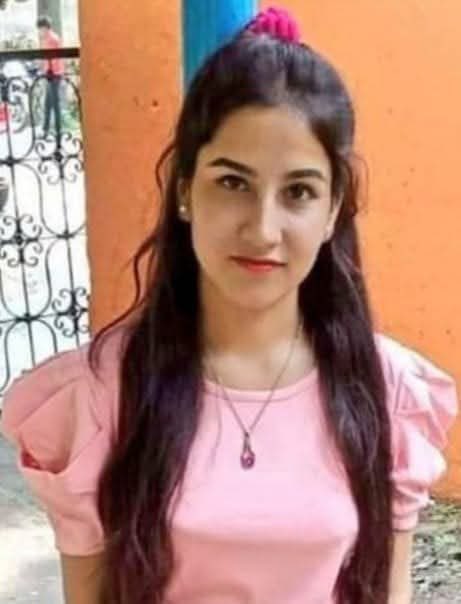
इस बच्ची के हत्यारों को @narendramodi और CM पुष्कर धामी द्वारा आज भी खुले में बचाया जा रहा है। लेकिन सच को ज़्यादा दिन नहीं छुपाया जा सकता। आप भी #JusticeForAnkitaBhandari लिखिए
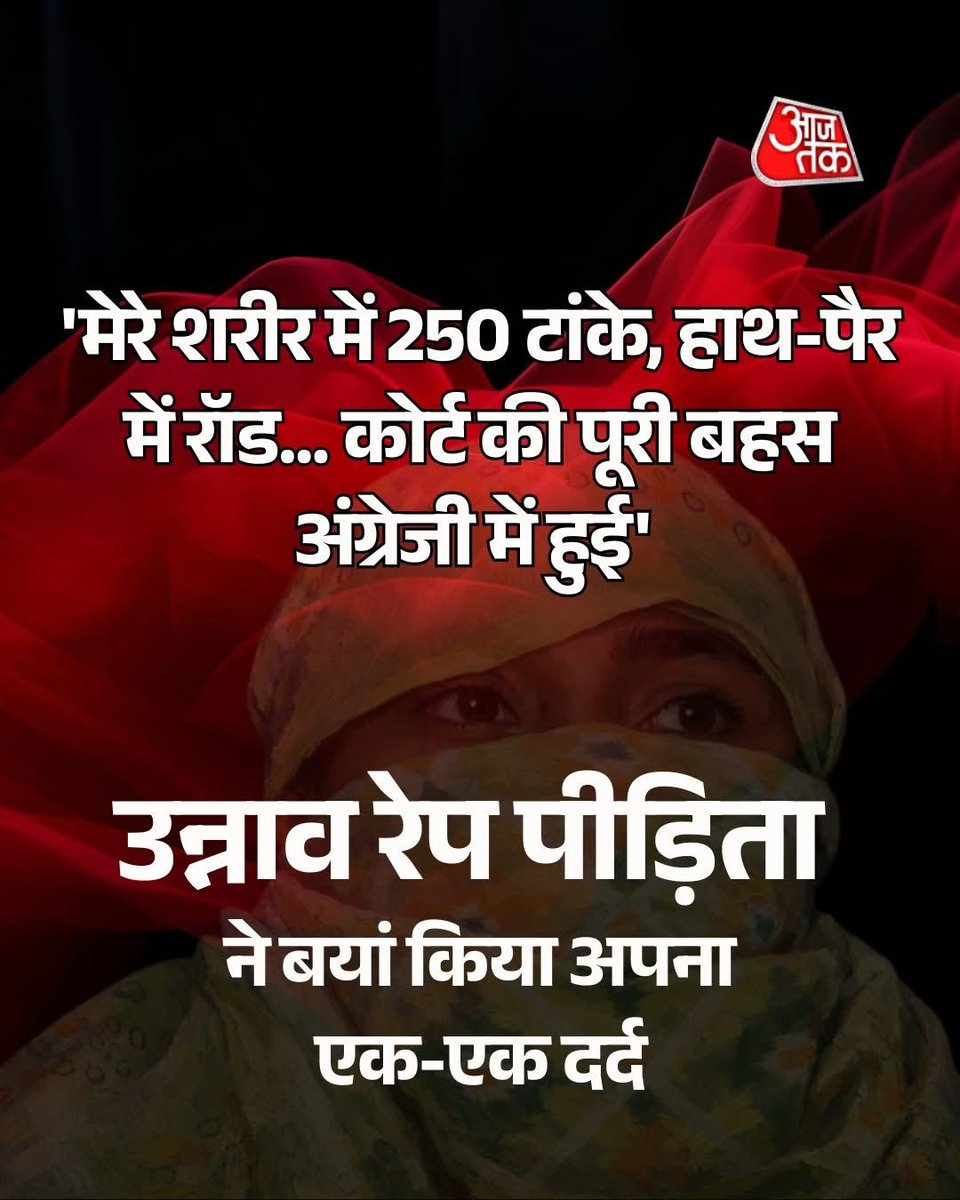
इंसाफ़ की ज़ुबान समझ आने से ही इंसाफ़ होगा।
न्याय के लिए भाषाई समावेश भी निर्णायक बिंदु है।
The dispensation of justice is contingent upon the utilization of a language that is comprehensible to all parties involved.
Linguistic inclusivity is a determinative factor in the true administration of justice.
The Youth of Arunachal raised their voices in support of Sonam Wangchuk, but the Youth of the Hindi heartland remain TOTALLY IGNORANT and COWARDLY in the face of injustice.
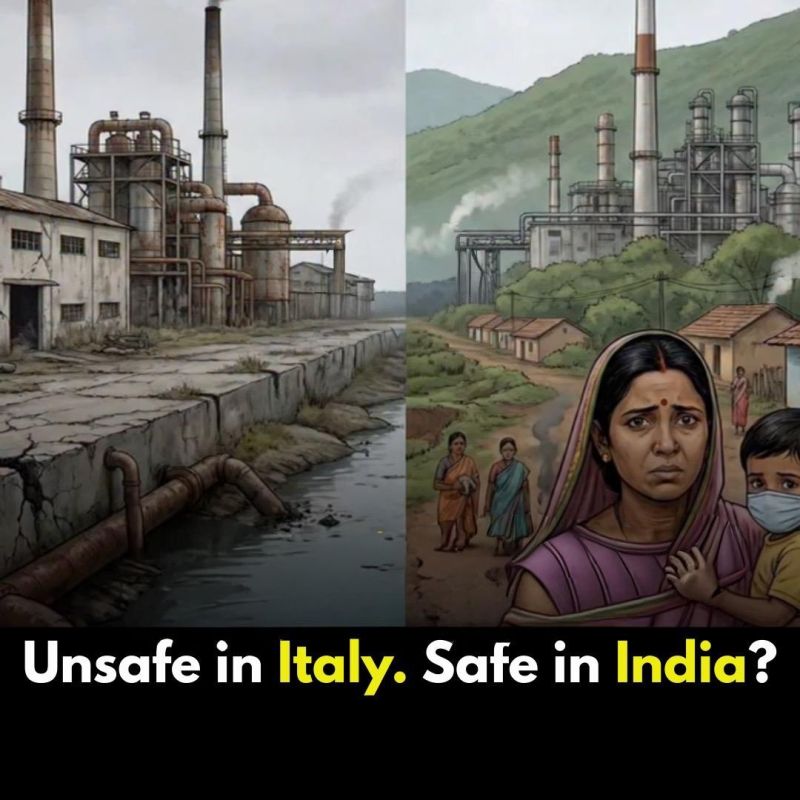
A Chemical Banned in Italy.
Now India Is Being Asked to Live With It.
Most people have never heard of PFAS.
They are often called “𝗳𝗼𝗿𝗲𝘃𝗲𝗿 𝗰𝗵𝗲𝗺𝗶𝗰𝗮𝗹𝘀” because once they enter water, soil, or the human body, they almost never leave.
But that is not the news.
The news is that chemicals that many countries have 𝗿𝗲𝘀𝘁𝗿𝗶𝗰𝘁𝗲𝗱 𝗼𝗿 𝗯𝗮𝗻𝗻𝗲𝗱 are now being produced in India.
Reports show that before this shift, a major PFAS manufacturing operation was 𝗿𝘂𝗻𝗻𝗶𝗻𝗴 𝗶𝗻 𝗜𝘁𝗮𝗹𝘆.
Italian authorities later found PFAS contaminating 𝗴𝗿𝗼𝘂𝗻𝗱𝘄𝗮𝘁𝗲𝗿, 𝗿𝗶𝘃𝗲𝗿𝘀, and 𝗲𝘃𝗲𝗻 𝗵𝘂𝗺𝗮𝗻 𝗯𝗹𝗼𝗼𝗱 𝘀𝗮𝗺𝗽𝗹𝗲𝘀.
The scale of pollution was so severe that the 𝗴𝗼𝘃𝗲𝗿𝗻𝗺𝗲𝗻𝘁 𝘀𝗵𝘂𝘁 𝗱𝗼𝘄𝗻 𝘁𝗵𝗲 𝗽𝗹𝗮𝗻𝘁, and its executives were sent to prison.
PFAS production, however, did not disappear.
It simply 𝘀𝗵𝗶𝗳𝘁𝗲𝗱.
Shifted to a country where people are already struggling with industrial chemical discharge into rivers.
And who pays the price?
Not corporations.
Not urban elites.
It is 𝘃𝗶𝗹𝗹𝗮𝗴𝗲𝗿𝘀, 𝗳𝗮𝗿𝗺𝗲𝗿𝘀, 𝗮𝗻𝗱 𝘁𝗵𝗲𝗶𝗿 𝗰𝗵𝗶𝗹𝗱𝗿𝗲𝗻.
-----------------------
As 𝗔𝗰𝗵𝗮𝗿𝘆𝗮 𝗣𝗿𝗮𝘀𝗵𝗮𝗻𝘁 has pointed out, ecological damage is never neutral.
It is always an injustice to the poor, those with the least power, the least awareness, and the least ability to resist.
This is why, if people remain unawakened, such issues will never receive limelight.
And when there is no public pressure,
why would leaders feel any urgency to act?
प्रकृति है तो मानव जीवन है
प्रकृति नहीं तो मानव जीवन की कल्पना तक नहीं की जा सकती !
दिल्ली NCR pollution उदाहरण है नहीं समझ आयेगा तो कल नए उदाहरण बनेगे राजस्थान हरियाणा मध्यप्रदेश !
#SaveAravalli