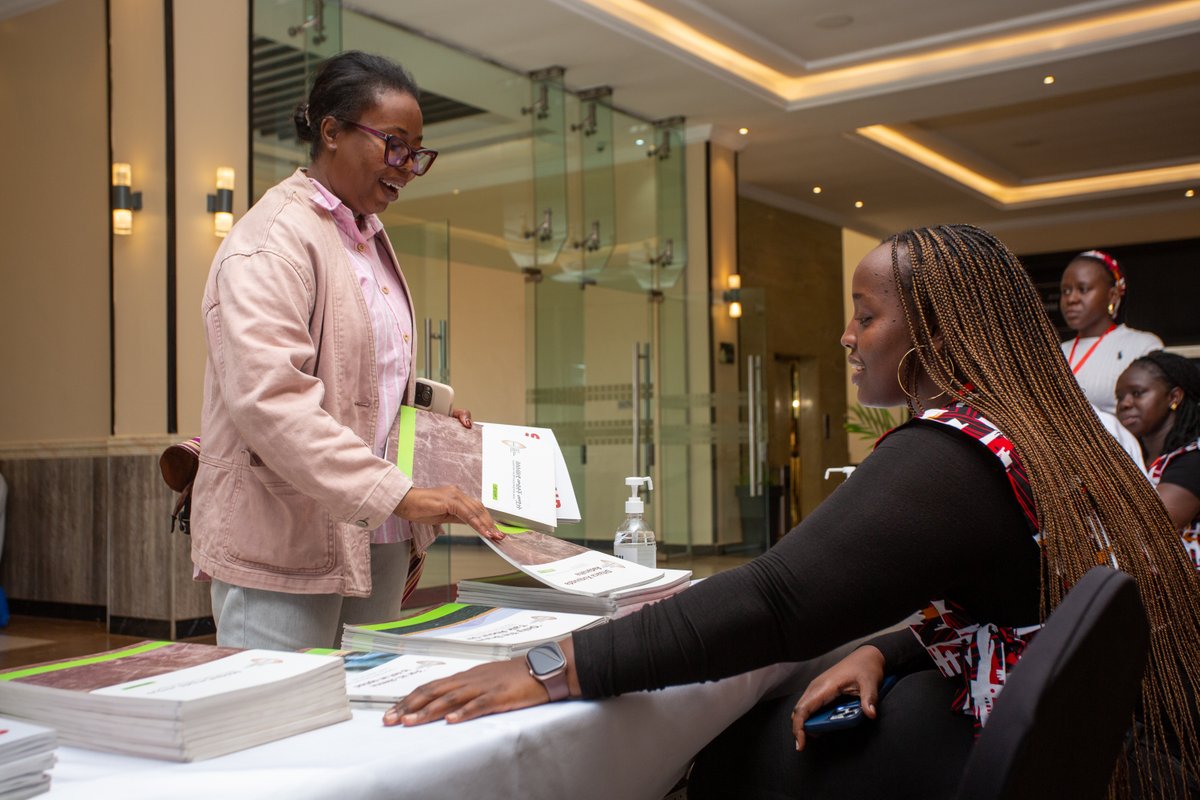
Today, we host human rights defenders exiled in Uganda, representatives of Ugandan government authorities including the Uganda Human Rights Commission, the Office of the Prime Minister, and the Uganda Police Force, partners and civil society organisations for the 6th Interactive Dialogue between human rights defenders exiled in Uganda and protection service providers.
Convened under the theme “Beyond Exile: From Displacement to Resilience, Pathways to Self-Reliance,” the dialogue provides a platform to share experiences, strengthen partnerships and explore pathways to self-reliance.
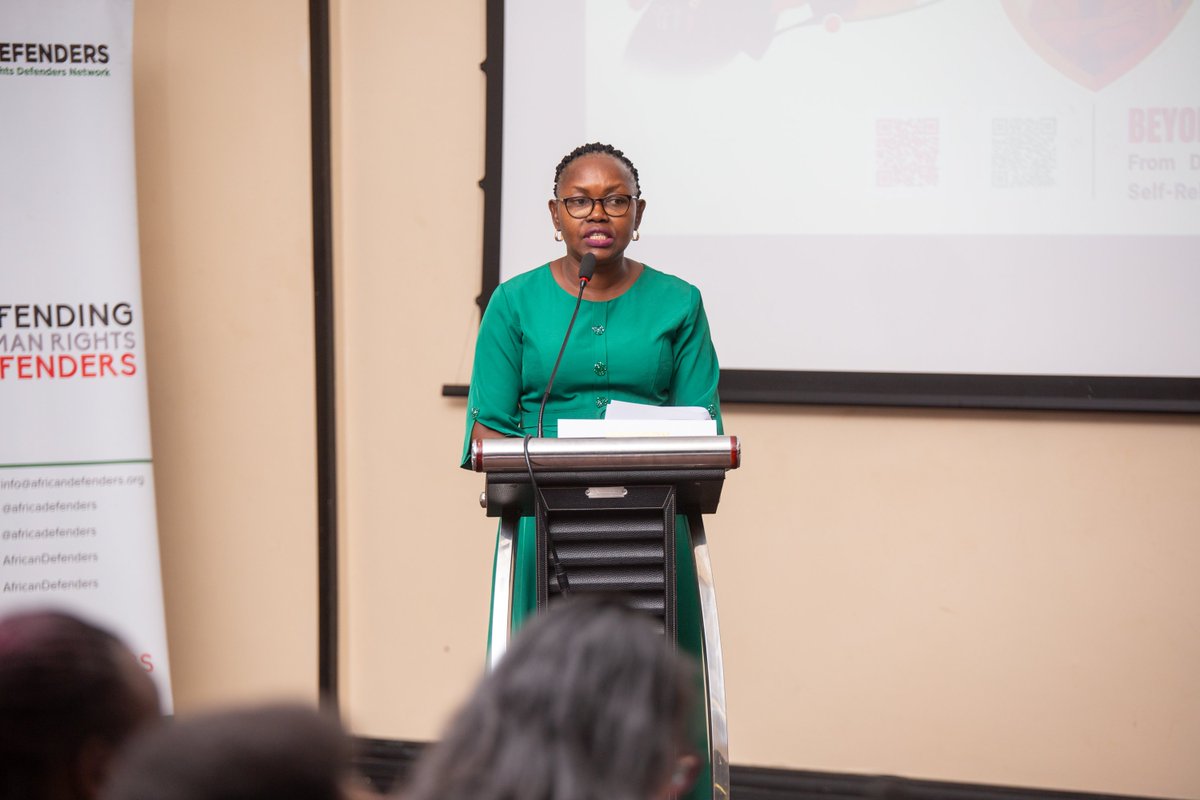
Opening the session, @MemoryBandera , Director of Programmes and Administration at DefendDefenders, welcomed guests, observing all protocols. She emphasised the dialogue’s role in strengthening the resilience, capacity and support systems of human rights defenders in exile in Uganda.
#6thPSP
The #6thPSP Dialogue concluded with a strong call for inclusive leadership and collective action. Executive Director @Hassan_shire congratulated the newly elected exiled working group steering committee, including Chairperson Shima Bahre, and pledged continued institutional support, dedicated workspaces, and capacity-building opportunities.
He also urged the committee to amplify the voices of non-urban refugees and human rights defenders, including those in Nakivale refugee settlement.
Annie Nturbika, a woman human rights defender from the Democratic Republic of the Congo living in exile in Uganda, shares how her life changed after relocating.
Listen as she reflects on rebuilding her life away from home and expresses gratitude to DefendDefenders, through Ubuntu Hub City, for its support throughout her journey.
#6thPSP
@bikjo asked Dr. Boniface Ojok about the Refugee Law Project’s role in ensuring that refugees understand the laws that apply to them. Dr. Ojok explained that the Refugee Law Project supports refugees with refugee status determination, provides legal aid particularly in cases involving refoulement and assists them in regularising their identification documents. It also offers language classes to support integration.
He stressed that providing legal aid to human rights defenders is not an act of charity, but part of defending civic space, which the organisation takes seriously. He further noted that some refugees arrive with professional qualifications and social standing and therefore require tailored forms of support.
Although they may appear less vulnerable, their refugee status can restrict their opportunities, and vocational training such as tailoring may not meet their needs or aspirations. He emphasised that agencies should recognise and support these refugees as professionals in their own right while remaining attentive to their vulnerabilities.
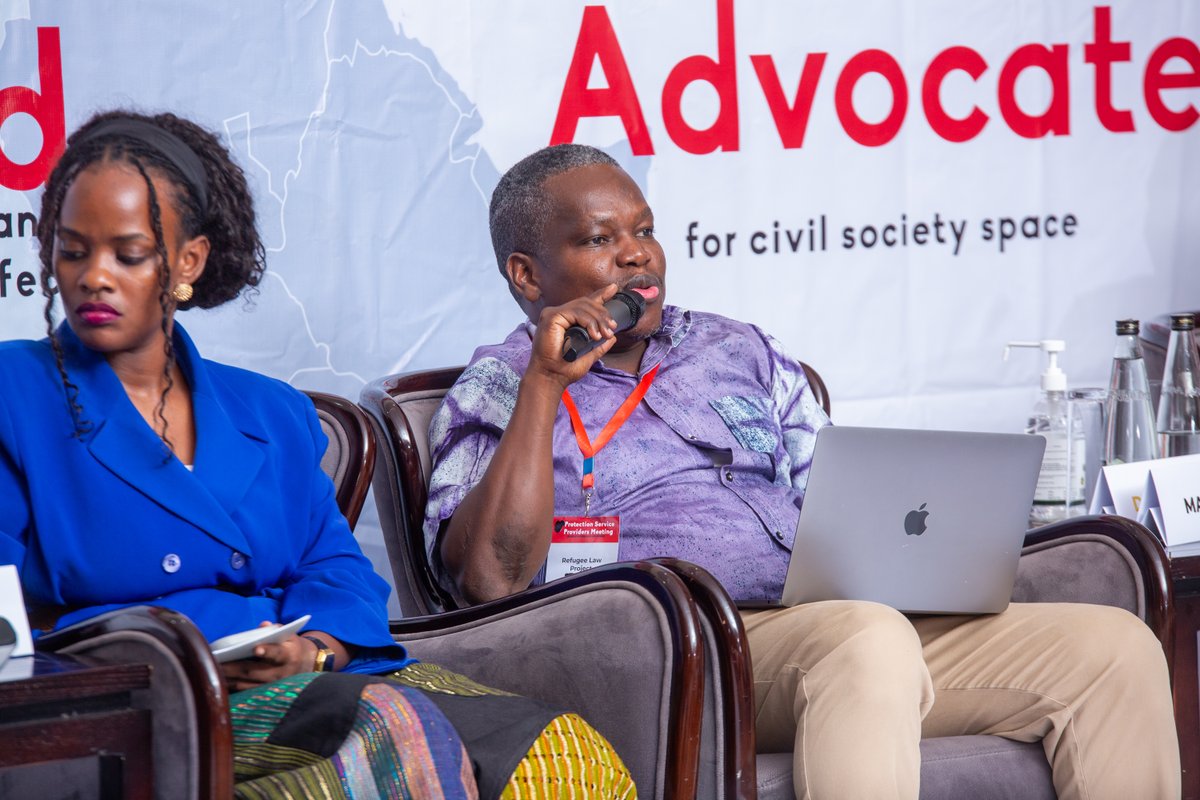
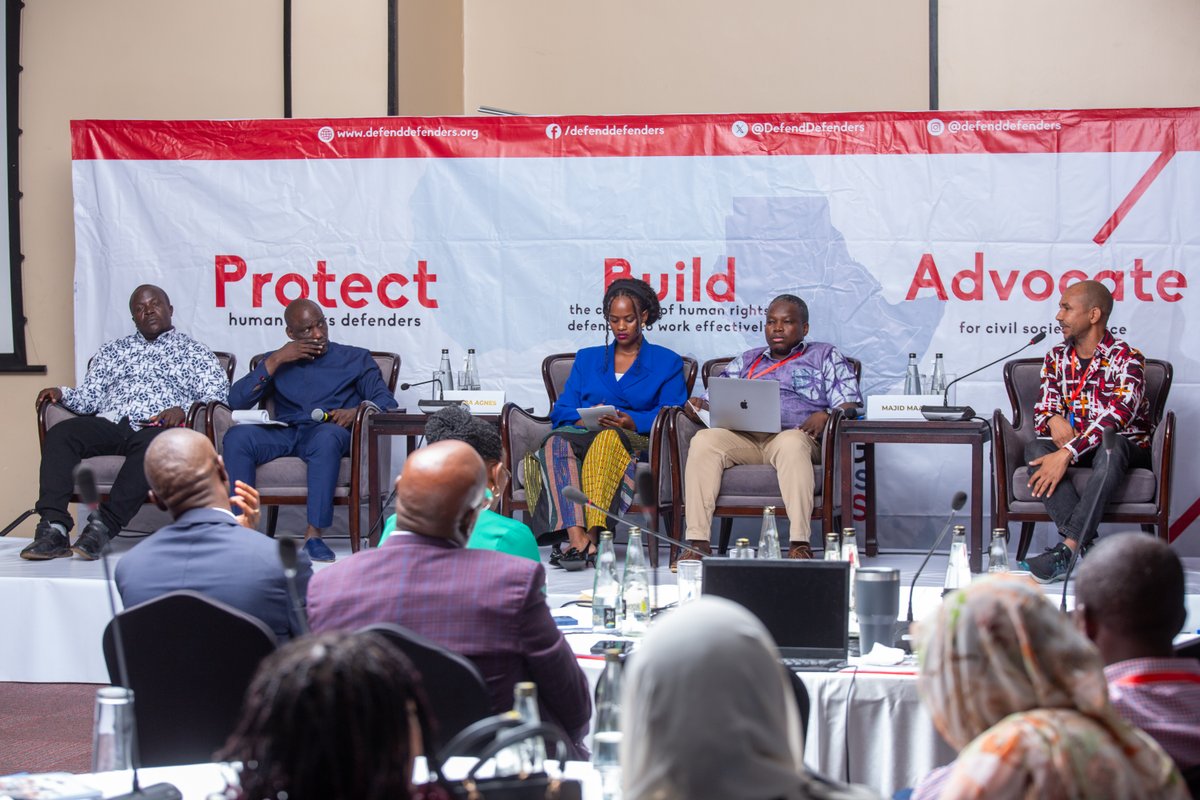
Our panel discussion, moderated by @bikjo, Coordinator of AfricanDefenders, examined Uganda’s refugee governance framework, access to basic services, and self-reliance.
The speakers included @baseeraagie, representing the Commissioner for Refugees in the Office of the Prime Minister; Majid Maali, Coordinator of Sudan Defenders; Ronald Mutebi from the Uganda Police Refugee Desk and Dr. Pius Ojara from the Refugee Law Project.
#6thPSP
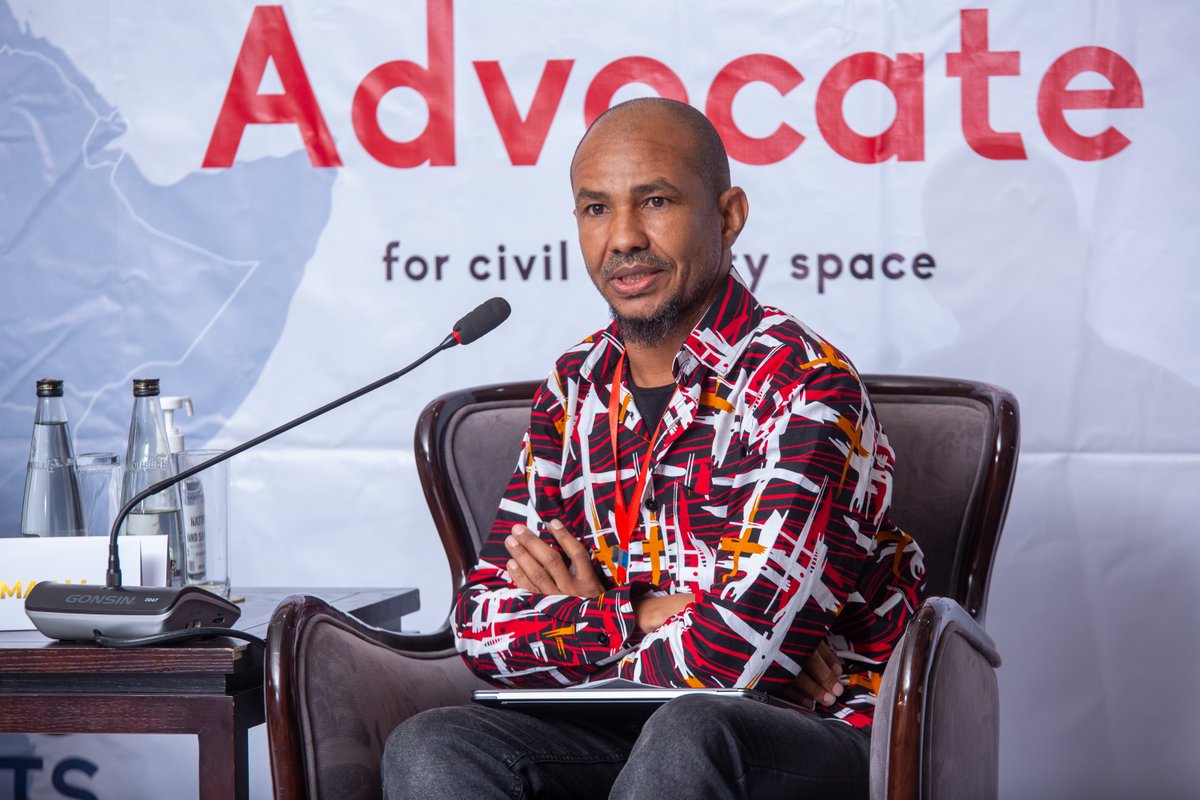
Joseph asked Majid Maali how exiled human rights defenders (HRDs) integrate into their host communities and whether existing systems enable them to benefit from available opportunities.
In response, he noted that Sudanese refugees must accept their changed circumstances and adapt to their lived reality. He described Uganda as having a highly conducive environment and a progressive refugee policy, noting that President Museveni has acknowledged that Sudanese medical doctors are working in hospitals.
He emphasised the need to promote awareness of host-country laws so that refugees understand both their rights and responsibilities. He also called on Sudanese refugees to respect local laws, cultures and religions, particularly in recognition of the communities that have welcomed them.
#6thPSP
@bikjo then opened the floor for a plenary discussion. Participants raised questions and shared comments on Convention Travel Documents (CTDs), discrimination, refugee repatriation, family reunification, economic sustainability, protection and well-being support for exiled human rights defenders.
Drawing on their respective experience and expertise, the panellists responded to the issues raised.
#6thPSP
Ronald Mutebi of the Uganda Police Force commented on family reunification, noting that the relevant form asks applicants to indicate whether any family members are expected to join them.
Upon the family member’s arrival, the applicant should accompany them to the authorities for verification against the information provided on the form. Where the arriving person was properly declared, the authorities should not separate the family.
He explained that separation may occur when individuals were not listed on the form, as part of measures to combat human trafficking. Addressing concerns about discrimination against Congolese human rights defenders, he stated that restrictions are based on whether a person has travelled from a country experiencing an epidemic and apply equally to Ugandan nationals in the same circumstances.
#6thPSP
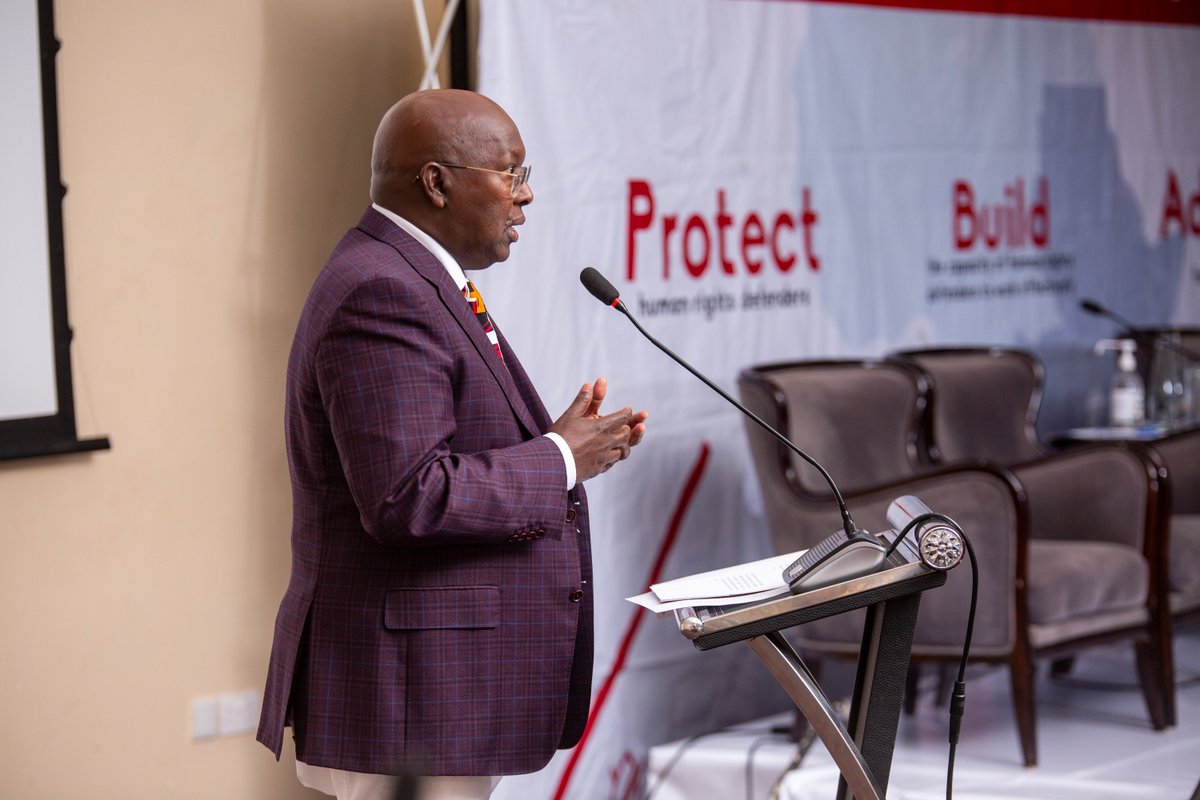
@Hassan_shire , Executive Director of DefendDefenders and Chairperson of AfricanDefenders, welcomed the guests and thanked the Government of Uganda for providing refuge to those seeking safety. He emphasised that protecting human rights defenders (HRDs) in exile extends beyond physical safety to ensuring access to legal assistance, essential services, opportunities and pathways to self-reliance.
He noted that the annual Interactive Dialogue provides an important platform for identifying protection gaps, fostering collaboration and developing practical solutions for HRDs living in exile.
Hassan encouraged participants to engage openly and formulate practical recommendations to strengthen support systems and build the resilience of exiled HRDs. He reaffirmed DefendDefenders’ and AfricanDefenders’ commitment to supporting human rights defenders across Africa before officially declaring the 6th Interactive Dialogue open.
#6thPSP
Today, we host human rights defenders exiled in Uganda, representatives of Ugandan government authorities including the Uganda Human Rights Commission, the Office of the Prime Minister, and the Uganda Police Force, partners and civil society organisations for the 6th Interactive Dialogue between human rights defenders exiled in Uganda and protection service providers.
Convened under the theme “Beyond Exile: From Displacement to Resilience, Pathways to Self-Reliance,” the dialogue provides a platform to share experiences, strengthen partnerships and explore pathways to self-reliance.
Opening the session, @MemoryBandera , Director of Programmes and Administration at DefendDefenders, welcomed guests, observing all protocols. She emphasised the dialogue’s role in strengthening the resilience, capacity and support systems of human rights defenders in exile in Uganda.
#6thPSP
Representing the UHRC Chairperson, Sara Nakulita conveyed her regards, welcomed the HRDs and other participants, and commended DefendDefenders for supporting exiled HRDs and organising the dialogue.
She explained that the Uganda Human Rights Commission (UHRC), established under Article 51(1) of the 1995 Constitution, protects the rights of everyone in Uganda, including refugees and foreign nationals, and under Article 52 investigates violations, inspects detention facilities, provides human rights education, monitors compliance with international treaties and reports on the human rights situation.
She highlighted UHRC initiatives including advocacy for an HRD protection law, a help desk, regional and field offices, monitoring refugee settlements, training and engagement with HRDs including exiled HRDs.
She urged HRDs to understand host-country laws, report violations through UHRC offices or the toll-free line 0800 122 444, use UHRC digital platforms, seek information on available remedies and pursue viable livelihoods that support dignity and self-reliance.
#6thPSP
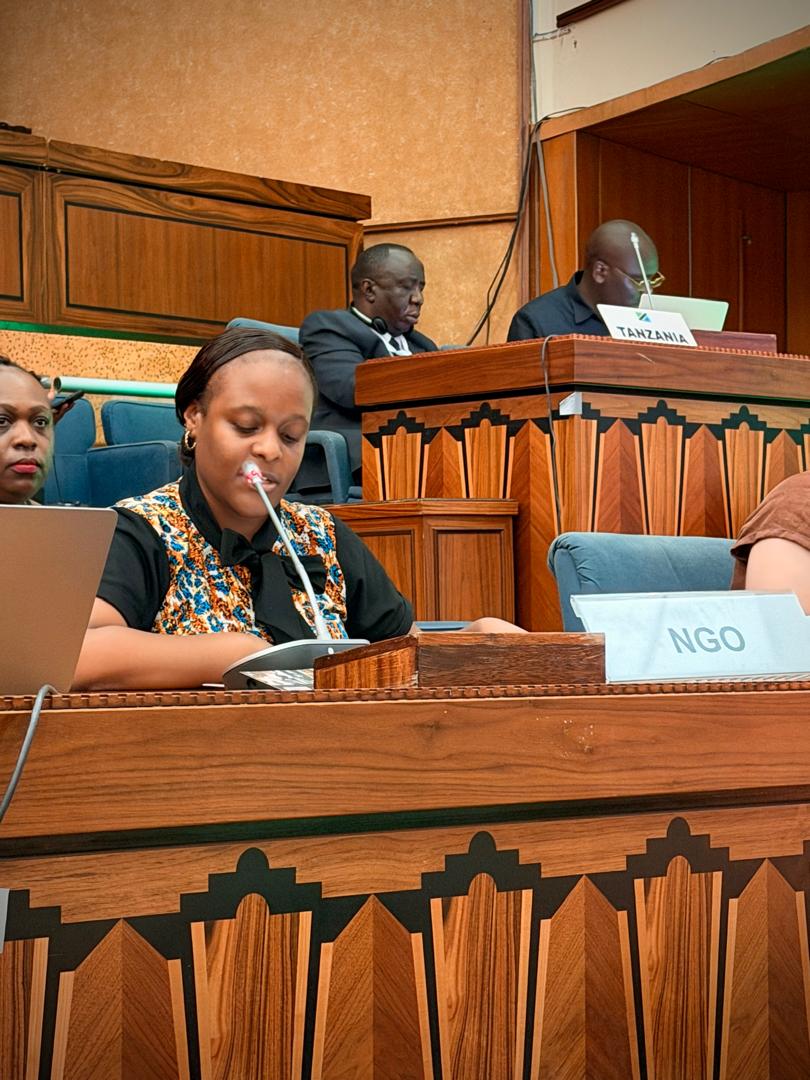
We delivered an oral intervention following the presentation of the Activity Report of the Special Rapporteur on the Rights of Women in Africa.
In our statement called for stronger protection of Women Human Rights Defenders (WHRDs), including integrating their protection into the monitoring of the implementation of the Maputo Protocol. We also raised concerns about the risks facing WHRDs in Ethiopia and Sudan, as well as restrictions on women’s civic participation in Zimbabwe and highlighted growing technology-facilitated gender-based violence.
#DDATACHPR89 #ADATACHPR89
We delivered an oral intervention following the presentation of the Activity Report of the Special Rapporteur on Human Rights Defenders and Reprisals in Africa, Hon. Remmy Ngoy Lumbu, under Item 7.
In the intervention, we highlighted the deteriorating situation of human rights defenders across Africa, noting that over the past six months alone, more than 43 violations against HRDs had been documented. We raised concerns about increasingly preventive restrictions on civic space, attacks on defenders and journalists, and the use of legal and administrative measures to deter peaceful protest, advocacy and dissent. Drawing on developments across the continent, the statement called on the African Commission to strengthen its response in protecting human rights defenders and civic space, and ensure that States translate their commitments under the African Charter into tangible action.
#DDATACHPR89 #ADATACHPR89
We delivered an oral intervention following the presentation of the Activity Report of the Special Rapporteur on Human Rights Defenders and Reprisals in Africa, Hon. Remmy Ngoy Lumbu, under Item 7.
In the intervention, we highlighted the deteriorating situation of human rights defenders across Africa, noting that over the past six months alone, more than 43 violations against HRDs had been documented. We raised concerns about increasingly preventive restrictions on civic space, attacks on defenders and journalists, and the use of legal and administrative measures to deter peaceful protest, advocacy and dissent. Drawing on developments across the continent, the statement called on the African Commission to strengthen its response in protecting human rights defenders and civic space, and ensure that States translate their commitments under the African Charter into tangible action.
#DDATACHPR89 #ADATACHPR89
The Chairperson of the East and Horn of Africa Human Rights Defenders Network (EHAHRD-Net) @kamau_dk delivered DefendDefenders and AfricanDefenders' statement under Item 4 on the Human Rights Situation in Africa.
The statement highlighted the persistent gap between human rights commitments and implementation, including conflict, repression and the disproportionate impact on marginalised communities. It also raised concerns over internet shutdowns, biometric surveillance, weak data protection and the use of AI without adequate human rights safeguards.
Among others, the statement called on the Commission to strengthen oversight, transparency and accountability around emerging technologies and ensure effective remedies for technology-related human rights violations.
Click this link to read the full statement; https://t.co/KYeNzSqUCn
#DDATACHPR89 #ADATACHPR89
Today, the Sudan Human Rights Defenders Coalition (SudanDefenders) launched its report, “The Situation of Human Rights Defenders, Emergency Response Rooms Members, and Humanitarian Workers in Sudan during the Armed Conflict,” on the sidelines of #ACHPR89 in Dakar, Senegal.
The report examines developments affecting Sudanese human rights defenders and humanitarian workers since January 2026, highlighting their critical role in protecting communities, documenting violations, and advancing accountability.
The launch featured presentations by:
* Abuhorira Abdelrahamn on documented violations against human rights defenders and emerging patterns of abuse.
* Nour Mohamed on the situation of Emergency Response Rooms (ERRs) members and humanitarian workers.
* Rounag Shimilia on the report’s key findings and recommendations.
@Kaka_Estella, Advocacy, Research and Communications Manager at DefendDefenders, reaffirmed the organization's commitment to supporting Sudanese human rights defenders at regional and international levels and encouraged greater engagement with available protection mechanisms.
Closing the event, @bikjo, Coordinator of AfricanDefenders, officially launched the report, paying tribute to the courage and resilience of Sudanese human rights defenders who continue to document violations and atrocities despite immense challenges and security risks. He also encouraged reflection on the recognition and inclusion of emerging groups defending human rights that may not fall within traditional definitions of human rights defenders.
📖 The report is available in English and Arabic on the SudanDefenders website.
🔗https://t.co/WPW7b1cpM6
#Sudan #HumanRights #SudanDefenders #HRDs #ACHPR89 #DefendDefenders #AfricanDefenders #Accountability #HumanitarianAction #ERRs
اليوم، أطلق التحالف السوداني للمدافعين و المدافعات عن حقوق الإنسان (SudanDefenders) تقريره بعنوان: "وضع المدافعين عن حقوق الإنسان، وأعضاء غرف الاستجابة للطوارئ، والعاملين في المجال الإنساني في السودان خلال النزاع المسلح"، وذلك على هامش أعمال الدورة 89 للجنة الأفريقية لحقوق الإنسان والشعوب(#ACHPR89) في داكار، السنغال.
يستعرض التقرير التطورات التي أثرت على المدافعين عن حقوق الإنسان والعاملين في المجال الإنساني في السودان منذ يناير 2026، مسلطًا الضوء على دورهم المحوري في حماية المجتمعات المحلية، وتوثيق الانتهاكات، وتعزيز جهود المساءلة.
وشهدت فعالية إطلاق التقرير مداخلات من:
* أبو هريرة عبد الرحمن حول الانتهاكات الموثقة بحق المدافعين عن حقوق الإنسان والأنماط الناشئة لهذه الانتهاكات.
* نور محمد حول أوضاع أعضاء غرف الاستجابة للطوارئ والعاملين في المجال الإنساني.
* رونق شميلة حول أبرز نتائج التقرير وتوصياته الرئيسية.
كما أكدت إستيلا كانسيمي، مديرة المناصرة والبحوث والاتصالات في DefendDefenders، التزام المنظمة بدعم المدافعين عن حقوق الإنسان السودانيين على المستويين الإقليمي والدولي، وشجعت على الاستفادة من آليات الحماية المتاحة لتعزيز السلامة والأمن.
وفي ختام الفعالية، أعلن جوزيف بيكاندا، منسقAfricanDefenders، الإطلاق الرسمي للتقرير، مشيدًا بشجاعة وصمود المدافعين عن حقوق الإنسان السودانيين الذين يواصلون توثيق الانتهاكات والفظائع رغم التحديات والمخاطر الأمنية الجسيمة. كما دعا إلى التفكير في سبل الاعتراف وإدماج المجموعات الجديدة والناشئة التي تدافع عن حقوق الإنسان، رغم أنها قد لا تندرج ضمن التعريفات التقليدية للمدافعين عن حقوق الإنسان.
📖 التقرير متوفر باللغتين العربية والإنجليزية على موقع SudanDefenders.
🔗 https://t.co/WPW7b1cpM6
#السودان #حقوق_الإنسان#SudanDefenders #ACHPR89 #المدافعون_عن_حقوق_الإنسان #غرف_الاستجابة_للطوارئ #المساءلة #العمل_الإنساني#DefendDefenders #AfricanDefenders
Yesterday, on the margins of #ACHPR89, our conversation on Emerging Technologies and Human Rights in Africa brought together more than 50 human rights defenders, civil society representatives and digital rights experts.
Participants shared experiences of how emerging technologies are shaping their work and affecting people’s ability to exercise and enjoy their rights.
The discussion also explored data protection, accountability and States’ responsibilities as public services and systems become increasingly digitised, alongside the human rights implications of AI, surveillance and other emerging technologies.
It concluded with recommendations to bolster the African Commission’s response through stronger monitoring of digital rights violations, accountability and guidance, and closer engagement with States and civil society, helping ensure that existing digital rights commitments translate into meaningful protection.
#DDATACHPR89 #ADATACHPR89
Over the past five years, the digital era has evolved at an unprecedented pace. But this transformation has not come without consequences for human rights.
As artificial intelligence, social media, digital surveillance, biometrics and other emerging technologies reshape how we communicate, access information and participate in public life, they are also creating new and evolving threats to human rights, civic space and the safety of human rights defenders and civil society.
Over the same period, the African Commission on Human and Peoples’ Rights (ACHPR) has taken important steps to respond, adopting resolutions addressing AI, robotics and other emerging technologies (2021); digital violence against women (2022); mass and unlawful targeted communication surveillance and its impact on human rights in Africa (2023); internet shutdowns and elections (2024); digital violence against women (2024); data access in the digital age (2024); technology companies’ responsibility to maintain information integrity (2025); and public-interest content in the digital era (2025).
These resolutions demonstrate an evolving recognition of the human rights implications of the digital age. Yet the question remains: how effectively are these commitments being implemented, and are they keeping pace with the threats we are witnessing today?
Many of the concerns identified in these resolutions continue to affect communities, human rights defenders and civil society, while new challenges are emerging with the rapid development and deployment of AI, digital surveillance, social media platforms, algorithmic systems and other technologies.
The question now is: how can the African human rights system keep pace with this rapidly evolving digital landscape?
This afternoon, we invite you to join us in a conversation on: Emerging Technologies and Human Rights in Africa: How can the African Commission on Human and Peoples’ Rights bolster its response to promote and protect digital rights in Africa?
Together, we will reflect on the implementation and impact of existing African Commission resolutions, discussing whether they are translating into meaningful change and stronger protection for communities, human rights defenders and civil society, and how the Commission can bolster its approach to addressing ever-evolving digital threats. The conversation will also consider the responsibilities of States, technology companies and other stakeholders in ensuring that technological advancement does not come at the expense of human rights.
Venue: Room C005, King Fahd Hotel, Dakar
Date: 14 October 2026
Time: 12:30–2:00 PM
#DDATACHPR89 #ADATACHPR89