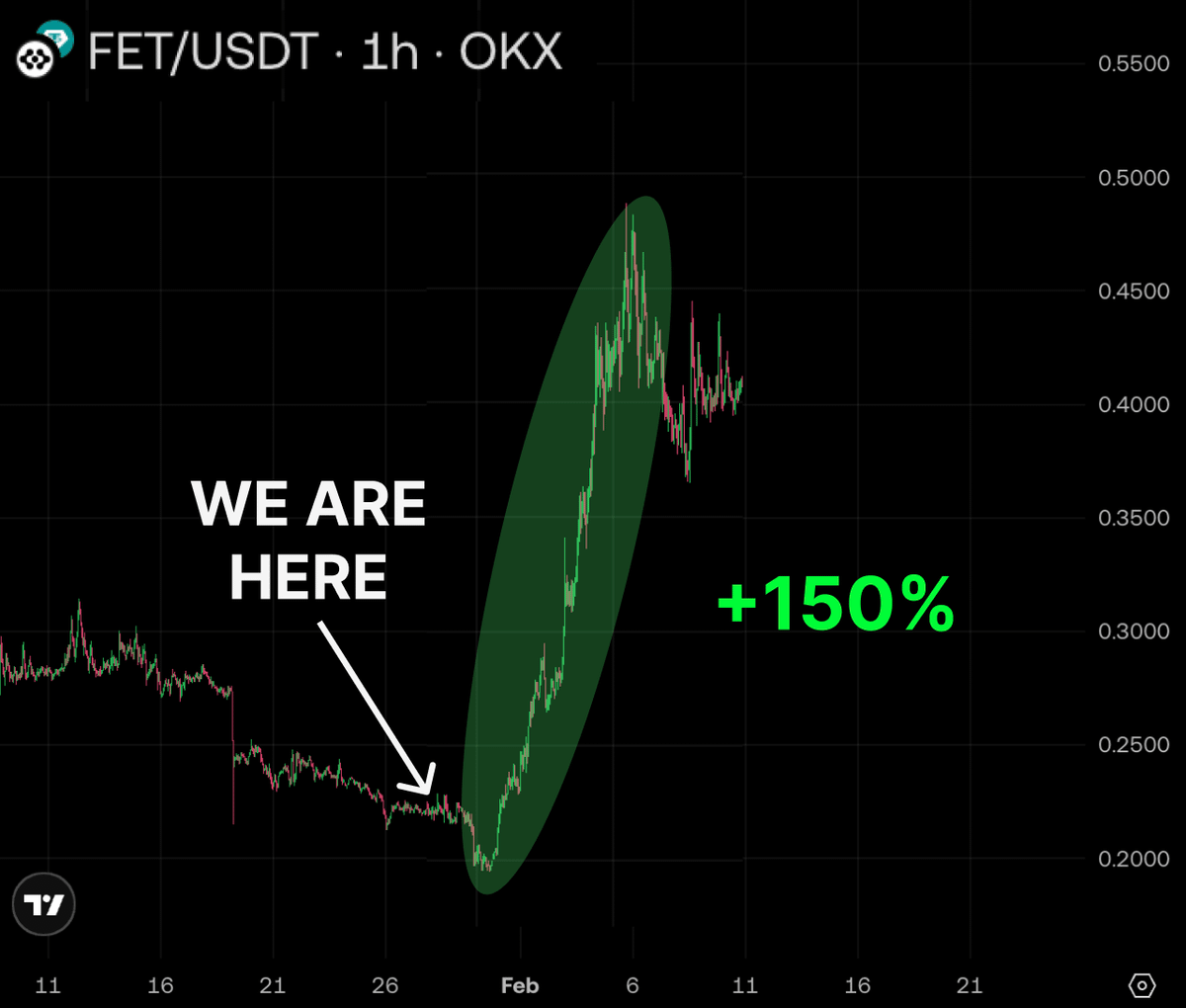
🚨 $FET IS SETTING UP FOR A MAJOR EXPANSION AND THIS MOVE WAS CALLED DAYS AGO
$FET has been building pressure quietly, and the market is only now starting to notice
Early February lines up as the natural release point - not because of hype, but because of structure.
Here’s why a +150% move is still on the table👇
1/ THIS SETUP DIDN’T APPEAR OVERNIGHT
Days ago, $FET entered a compression zone where volatility collapsed and volume thinned out.
That’s not weakness - that’s absorption. Strong assets don’t sell off hard after long downtrends. They stop moving, let sellers exhaust, and wait for flow.
2/ THE AI NARRATIVE IS DORMANT, NOT DEAD
AI isn’t front-page Twitter right now, and that’s exactly why this works.
Capital rotates back into known narratives when risk appetite improves. $FET is one of the cleanest AI proxies with history, liquidity, and recognition. When rotation starts, it won’t need explaining.
3/ LIQUIDITY CONDITIONS FAVOR VIOLENT MOVES
Order books remain relatively thin compared to past expansions.
That means price doesn’t climb gradually - it gaps. Once momentum starts, marginal buyers push price much further than expected. This is how $FET has always moved historically.
4/ POSITIONING IS STILL LATE AND SKEPTICAL
There’s no euphoria here.
Funding isn’t extreme. Social conviction is low. Most traders still treat this as a “dead bounce.” That’s exactly the environment where large percentage moves are born - before belief returns.
5/ TIME-BASED STRUCTURE POINTS TO EARLY FEBRUARY
This isn’t about a single candle.
Cycles in $FET tend to expand after prolonged bases, not immediately. The current range lines up with previous pre-expansion phases, both in duration and behavior. Early February fits the rhythm.
6/ EXPECT CHAOS BEFORE CLARITY
Sharp wicks, fake pullbacks, sudden accelerations - all normal.
Momentum assets don’t move cleanly at first. They punish impatience, shake confidence, then trend once positioning is forced to adjust.
⸻⸻⸻⸻⸻⸻⸻⸻
$FET isn’t “about to explode” because of a headline.
It’s doing what it has done before: compress, go quiet, then reprice fast.
The market had days to prepare.
Early February is where structure says it stops asking and starts moving.
In a real war, $BTC is worth nothing.
The US is attacking Iran. Iran is firing back.
Israel is being attacked. Gulf on the edge. Oil prices are going up. Volatility is going through the roof.
Facts:
- Airspace closures
- Military infrastructure hit
- Missile retaliation
- Oil prices go up
- Geopolitical tensions rise
The same thing happens in the markets every time:
LIQUIDITY OFF RISK OFF MARGIN CALLS
Bitcoin is not the same as gold.
It has a high beta risk.
If this gets around:
- S&P drops
- EM fails
- Credit gets tighter
- Crypto loses the most
No one buys alts when the military is getting worse.
Funds sell anything they can to get money.
20,000?
10k?
When you're in a panic, price doesn't ask for permission.
Crypto does well when liquidity grows.
War is a contraction.
Not FUD. Math for liquidity.
another random 财神
0xA58DC63aC70eDF9DD8D99E80c5ba48A4e8224444
提前一天迎财神留个好印象
$迎财神
caught this one pretty clean
same structure again
initial spike
hard rejection
slow bleed
volume fading
everyone moved on
then that small base forming
no hype
no noise
those are usually the spots
not big size
just quick read
in
out
most people either chase the first green candle
or wait for “confirmation” after it already ran
the better flips usually feel a bit boring
not saying it was skill
just starting to recognize the movie earlier
maybe experience
maybe variance
either way
taking the clean ones when they show up
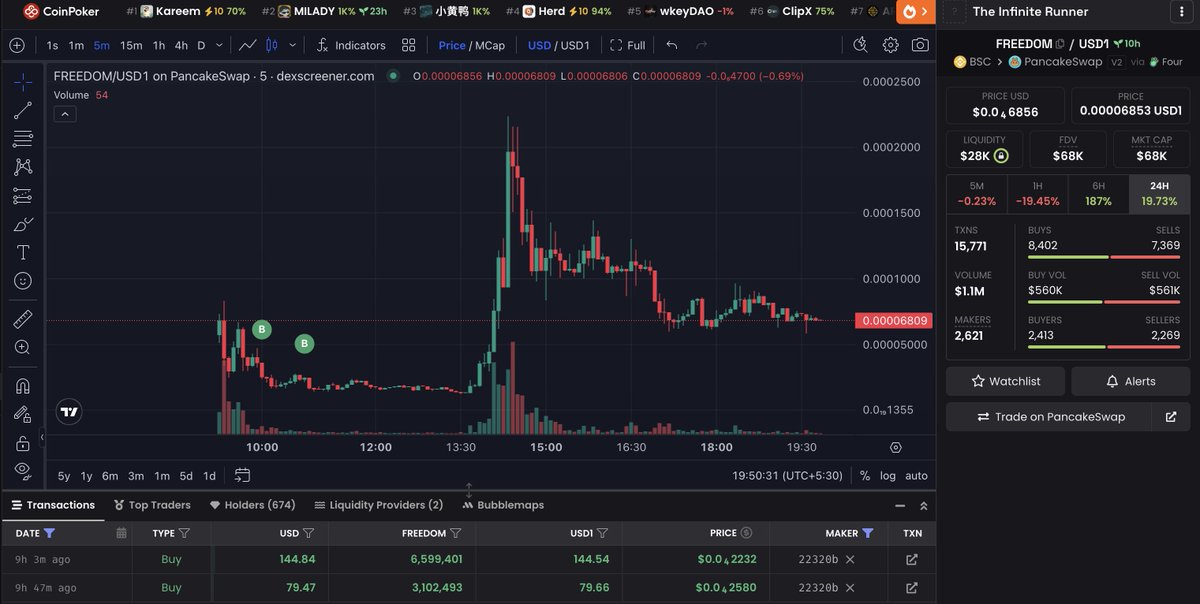
$FREEDOM The Infinite Runner
marked my purchases on the chart 👇
small market cap, low liquidity, clean volume growth, and then the inevitable drop.
This is where most people usually freak out.
When the hype dies down, I like to buy.
The first spike was just momentum.
The second leg showed real demand.
What comes next?
slow bleed, less volatility, and volume drying up
That's where the risk/reward changes.
not saying this is the next anything
Just saying that the structure looks a lot cleaner after the shakeout.
small size, clear risk, let it work
If it works, great; if it doesn't, controlled loss.
I'd rather buy here than chase the green candle.
another random shitcoin $KAREEM chart
0xCa71E41f7945dA2B080D63DAa7c934B02f464444
but lately I’ve been getting weirdly good at spotting where to buy the dip on these things
not because I’m a genius
just started noticing the same pattern over and over
panic wick
volume spike
everyone calling it dead
then one quiet reclaim
most people either ape the top or wait for confirmation when it’s already too late
the real entries are usually when it feels uncomfortable
small size
quick decision
no emotional attachment
not saying this one goes anywhere
just saying the reads are getting cleaner lately
maybe it’s experience
maybe just luck
either way I’ll take it
I made serious money on memecoins this cycle
Not luck. Not gambling. Not “ape and pray”
A system👇
Memecoins are NOT investments.
They are attention markets.
Price follows:
Attention -> Volume -> Momentum -> FOMO -> Euphoria -> Collapse
If you understand that sequence, you stop being exit liquidity
Here’s how I played it:
1/ I buy before the breakout, not after the green candle.
If it already did 300%, I’m late.
2/ I look for volume expansion inside a range.
That’s accumulation. Not hype.
3/ I track smart wallets.
When repeat winners rotate into the same small cap, I pay attention.
4/ I position small, scale on confirmation.
Never all-in. Ever.
5/ I sell into strength.
When timelines are screaming “$1B next” - I’m reducing.
Most people do the opposite:
They buy euphoria.
They sell fear.
They revenge trade.
They round-trip 5x gains back to zero.
Memecoins reward discipline and punish ego.
My losers? -10% to -20%. Controlled.
My winners? 4x. 7x. 10x+.
0x9693EEa090FfD3D53E270A0f571Aac88A1D74444
You don’t need to win every trade.
You need asymmetric upside.
That’s it.
High risk? Yes.
Stupid gambling? Only if you have no plan.
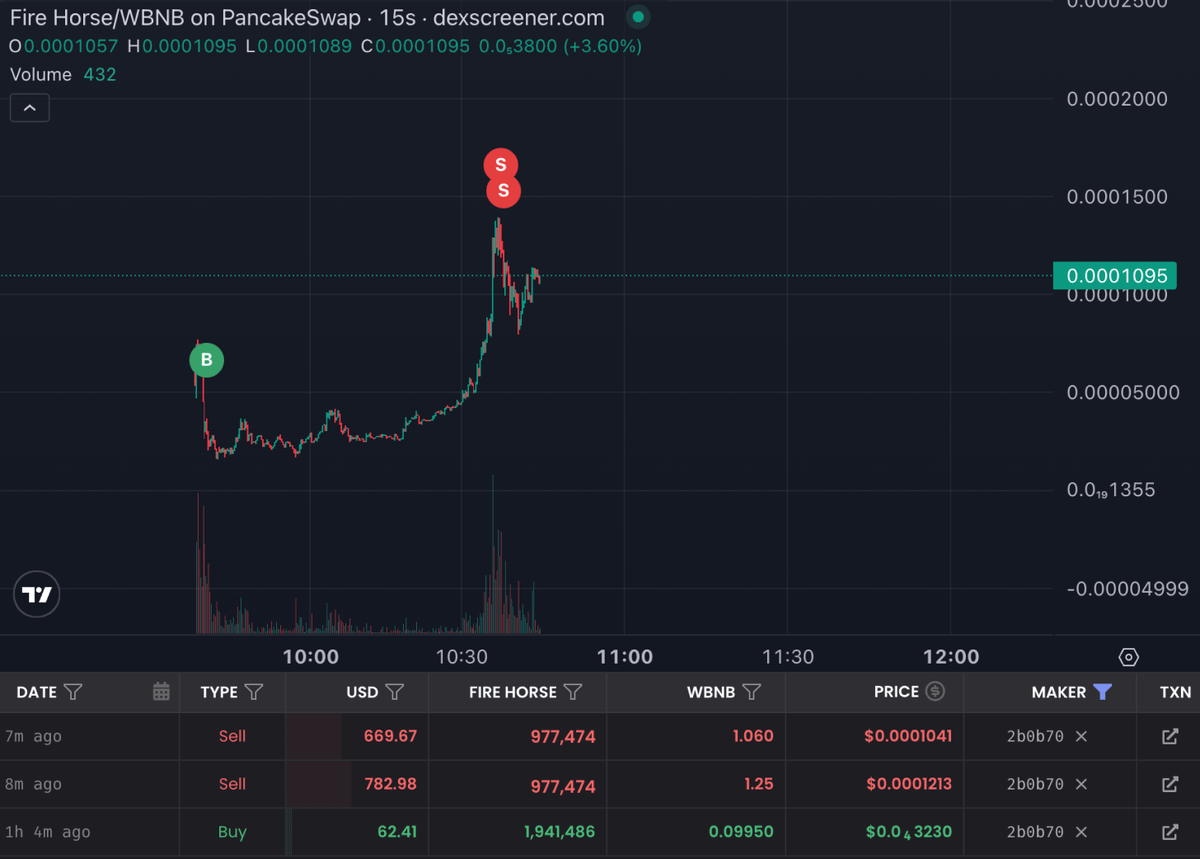
Memecoins Fire Horse move fast.
So I moved faster.
And this cycle, it paid.
🚨 MY CLOUDE CODE JUST PRINTED ONE OF THE STRONGEST SIGNALS I’VE SEEN ON $XRP THIS CYCLE
And before you call it hopium - read this carefully.
I ran my Claude Code trading bot through a deep multi-layer analysis:
• liquidity mapping
• liquidation heatmaps
• open interest dynamics
• volatility compression models
• spot vs derivatives divergence
• whale wallet activity
• structural breakout probability scoring
The output wasn’t “maybe bullish.”
It flagged a high-probability expansion window.
Projected move: $8 within 10 days if trigger levels break.
Now let’s break down WHY this matters.
First - liquidity.
There’s a heavy concentration of short positions sitting above recent highs. That’s not resistance. That’s fuel. If price pushes into that zone, liquidations can cascade, forcing market buys and accelerating momentum vertically.
Second - Open Interest.
OI has been climbing while price holds its range instead of dumping. That’s positioning before volatility expansion. When leverage builds without breakdown, it usually means the move hasn’t started yet.
Third - volatility compression.
$XRP has been coiling inside a tightening structure. Historically, when compression reaches this level, expansion doesn’t crawl - it explodes.
Fourth - spot absorption.
Every dip gets absorbed. Sellers hit the book, but supply gets bought back quickly. That’s accumulation behavior, not distribution.
Fifth - derivatives aren’t overheated.
Funding isn’t extreme. The trade isn’t crowded yet. The market still doubts the move - which is exactly what you want before a breakout.
Is $8 guaranteed?
No.
Markets don’t guarantee anything.
But when structure shifts, liquidity builds above, volatility compresses, and leverage stacks on the wrong side - that’s how violent repricing events happen.
If the breakout triggers, the move won’t be slow.
It’ll be aggressive.
Save this tweet.
Because if $XRP starts moving fast, the window to position will close even faster.
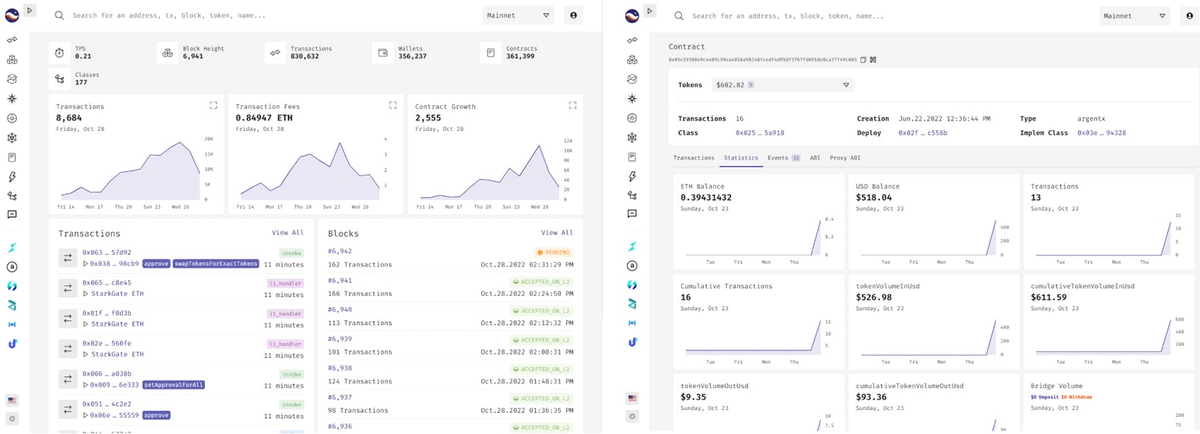
People still frame $STRK as just another Layer 2.
That’s a mistake.
Starknet wasn’t built to slightly improve Ethereum’s throughput. It was built to fundamentally expand what can exist onchain.
There’s a big difference.
Most blockchains are optimized for today’s use cases: token swaps, NFTs, simple DeFi primitives. They work — until activity scales. Then fees spike, execution slows down, UX deteriorates, and builders start making compromises.
Starknet was engineered with a different philosophy: scale should not be an afterthought. It should be embedded at the protocol level.
Validity proofs change the equation entirely. Instead of asking “How many transactions can we squeeze into a block?”, Starknet asks “How much computation can we prove efficiently?” That shift unlocks an entirely different ceiling.
And that ceiling matters.
Because the next generation of applications won’t be simple.
Fully onchain games require constant state updates, complex logic, and real-time interaction. You can’t fake that with minimal blockspace.
Financial infrastructure at scale demands high throughput, predictable fees, and security guarantees. You can’t build global settlement systems on fragile rails.
Mass-consumer social applications need responsiveness. If users wait for confirmation the way early crypto users did, adoption dies instantly.
Autonomous AI agents executing and settling strategies onchain require computational headroom — not just cheap transfers, but scalable logic.
This is where $STRK positions itself differently.
It’s not optimizing for hype cycles.
It’s optimizing for computational scalability.
And that’s a long game.
Builders don’t choose infrastructure based on marketing. They choose it based on what won’t break under pressure. If an application succeeds, it stresses the chain. If the chain can’t handle success, the project fails.
Starknet is designed to survive success.
That’s a crucial distinction.
The real shift in crypto won’t happen when another memecoin trends. It will happen when applications with millions of users operate seamlessly without users even realizing they’re interacting with blockchain infrastructure.
Invisible scalability is the goal.
$STRK is infrastructure for that future.
Not for incremental improvement.
Not for marginal gains.
But for applications that require serious computational power without sacrificing Ethereum-level security.
When the market matures and usage becomes real rather than speculative, the chains that survive will be the ones that were engineered for load from day one.
Starknet wasn’t built to participate.
It was built to handle whatever comes next.
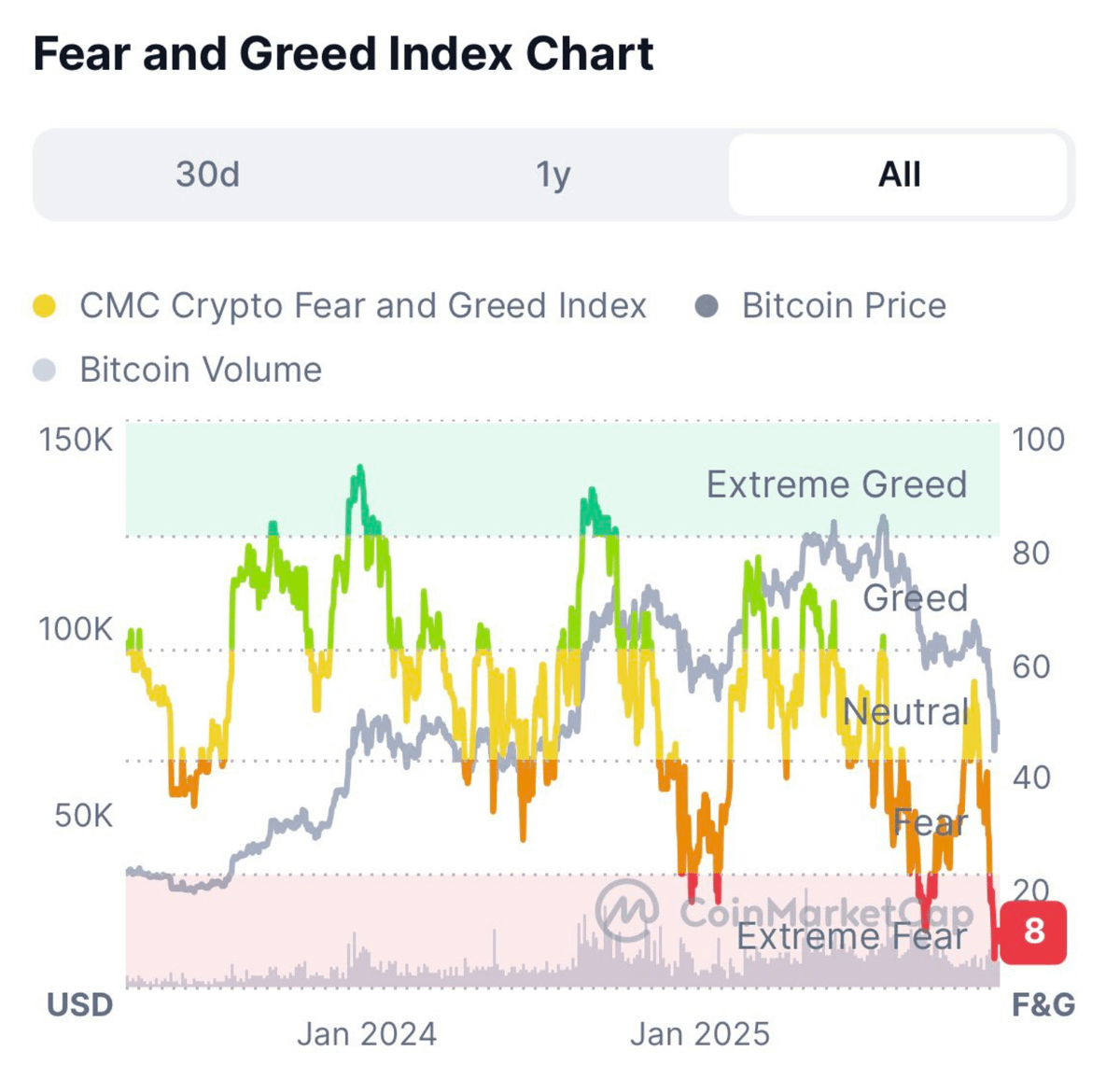
🚨 $FLR FEAR & GREED INDEX IS EXTREMELY LOW
That’s not just fear.
That’s extreme capitulation territory.
When sentiment prints an 8, it means the majority has emotionally checked out. Confidence is gone, momentum is weak, and most participants are positioned defensively - or not positioned at all.
But here’s the paradox.
Markets rarely bottom when people feel comfortable. They bottom when participation dries up, when sellers are exhausted, and when nobody wants to talk about the asset anymore.
An index reading this low tells us one thing clearly:
Fear is dominant.
And extreme fear historically creates asymmetric setups.
At these levels, weak hands have already sold. The marginal seller disappears. That doesn’t mean price instantly reverses - but it means downside pressure is significantly reduced compared to euphoric phases.
Now combine that with structure.
If $FLR is compressing near key support while sentiment is at 8, that’s a powerful divergence. Price can’t fall forever when nobody is left to sell.
The key shift happens when even a small amount of demand enters the market. With positioning light and sentiment washed out, even modest inflows can trigger outsized moves.
Extreme greed creates tops.
Extreme fear creates opportunity.
$FLR at a fear & greed index of 8 doesn’t guarantee a pump tomorrow.
But it does tell you one thing clearly:
The emotional risk may be far greater than the structural risk at this stage.
And when sentiment eventually shifts - it tends to shift fast.
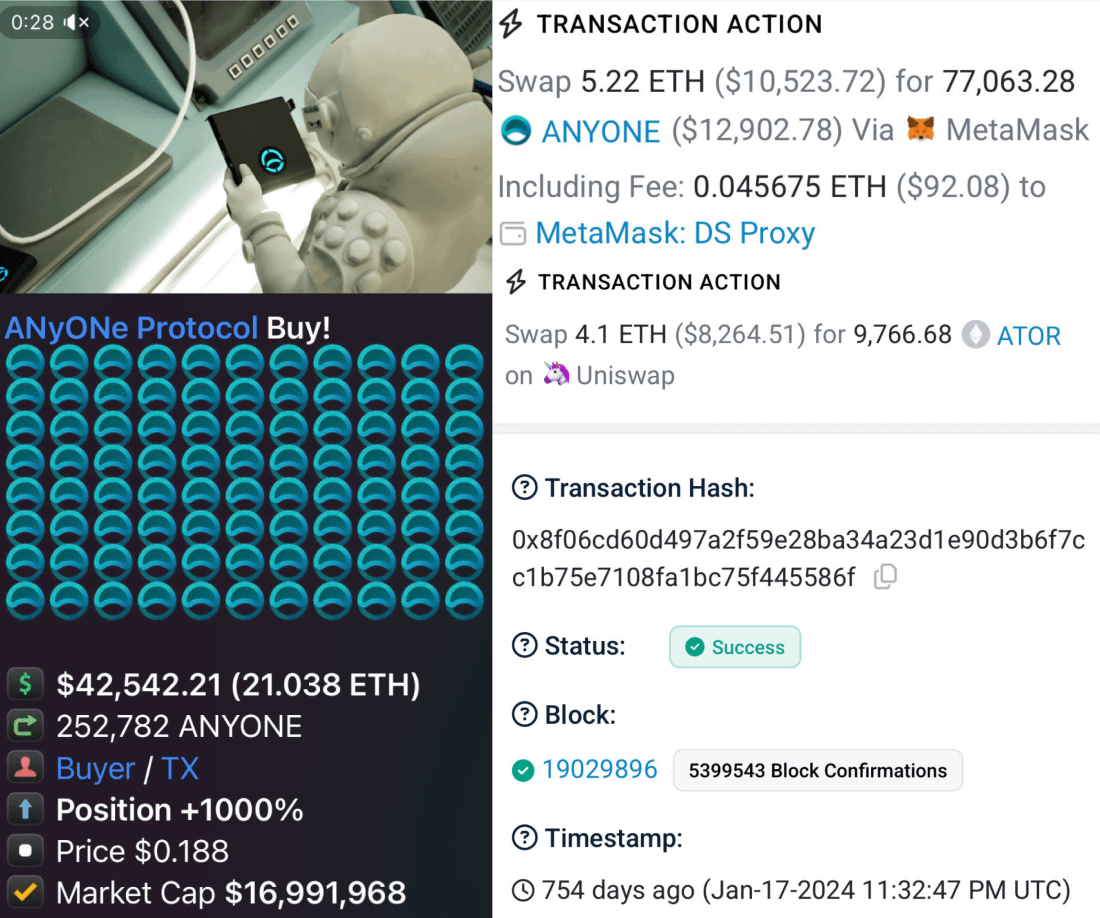
Earlier today I decided to dig deeper into the wallet that market bought 42K $ANYONE and what I uncovered makes this far more interesting than a simple buy
This wasn’t a fresh wallet
This wasn’t a random trader rotating capital
The same address made its first $ANYONE purchase 754 days ago
That means this holder sat through multiple market phases - volatility, drawdowns, silence, shifts in narrative and never exited.
No panic selling.
No trimming into strength.
No visible distribution.
Just steady holding.
And now, after more than two years of patience, this whale returns and executes a second and third buy - adding size at market.
That’s not reactive behavior.
That’s reinforcement.
Long-term holders increasing exposure after holding for over 700 days tells you something important: conviction hasn’t weakened - it has strengthened.
In crypto, most capital is short-term.
Most wallets can’t survive 7 weeks, let alone 754 days.
When you see an address that has already proven it can sit through cycles and then chooses to accumulate more, that’s a different category of participant.
This kind of behavior usually precedes structural shifts.
Strong hands accumulate before expansion.
They position before narrative returns.
And what’s even more important - this wasn’t a limit order patiently sitting below price.
It was a market buy.
Urgency.
That suggests intent, not passive positioning.
Real conviction isn’t tweeting.
It isn’t emotional.
It doesn’t chase green candles.
It accumulates quietly and adds when structure aligns.
If a holder with a 754-day track record believes now is the time to increase exposure to $ANYONE, that’s not something to ignore.
Sometimes the loudest signal in the market isn’t price.
It’s patience - reinforced by action.
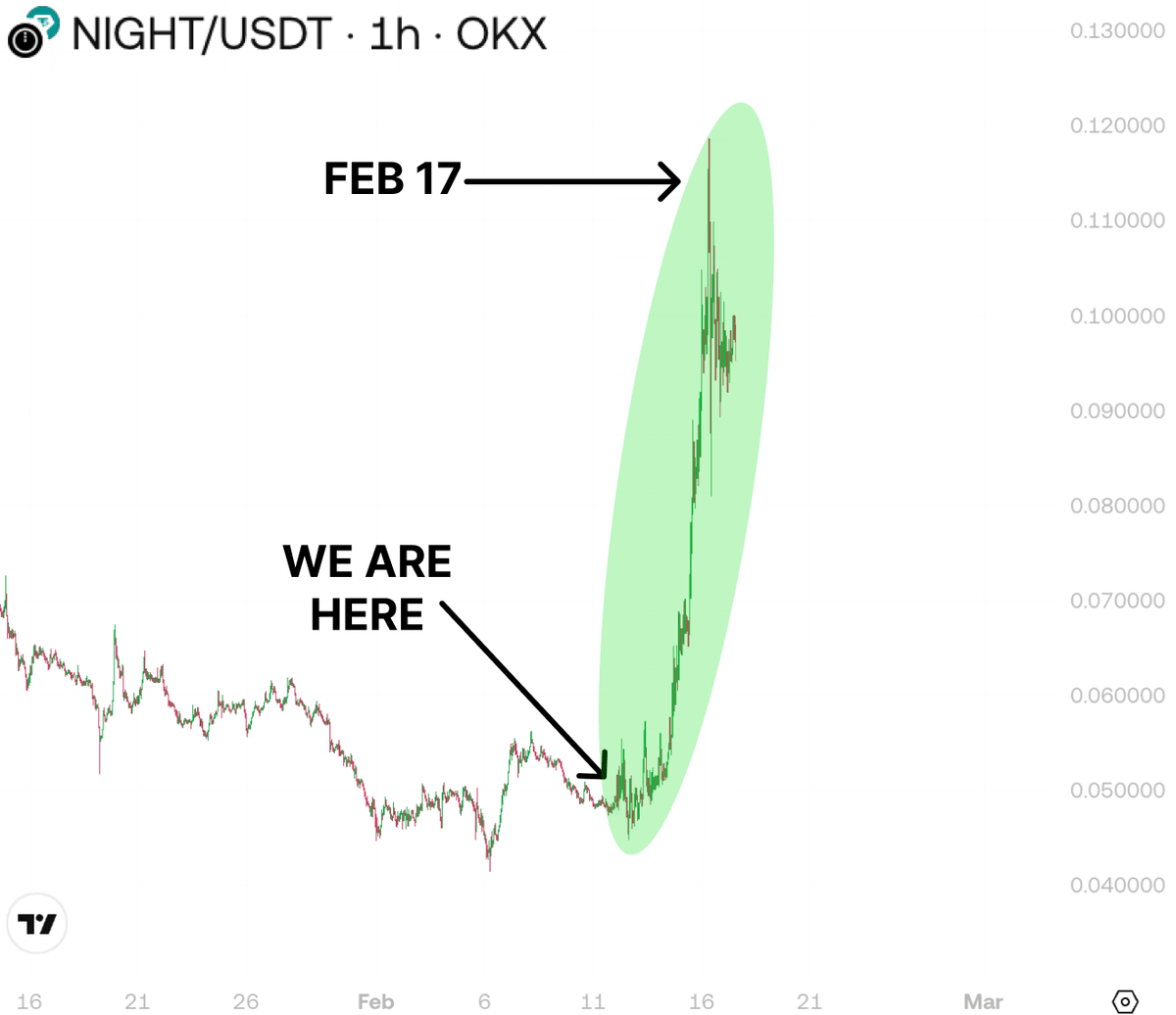
🚨 $NIGHT IS COILED FOR A MASSIVE MOVE
$NIGHT has been grinding quietly under the radar, building a structure that screams ready to pop
This isn’t slow accumulation - the charts suggest a sharp repricing is imminent
LONG BASE AFTER A PAINFUL DUMP
$NIGHT went through a brutal sell-off that cleared weak hands. What followed wasn’t a continuation lower, but a long, tight consolidation. That’s the hallmark of a strong base - fear fades, boredom sets in, and supply quietly vanishes.
VOLATILITY IS TIGHT, EXPLOSION LIKELY
Daily ranges are at multi-week lows. When volatility compresses this much, markets don’t stay flat for long - $NIGHT is sitting on a powder keg. Given fading selling pressure, the asymmetry heavily favors upside.
SELLERS ARE WEAKENING
Each dip is being absorbed faster than the last. Red candle volumes are shrinking, green candle follow-through is improving - classic signs of smart money taking control quietly.
RESISTANCE ABOVE IS SCANT
Above the current price, there’s very little to stop a fast move. $NIGHT previously sliced through this area with ease, meaning a +120% leg is possible without a frenzy - just clean, mechanical flow into low-liquidity zones.
POSITIONING REMAINS SKEPTICAL
Most traders are waiting for confirmation. That’s exactly when explosive moves start - not when everyone is ready, but when the market underestimates the momentum. Once price breaks the range, hesitation quickly turns into FOMO.
⸻⸻⸻⸻⸻
$NIGHT looks quiet, compressed, and ignored -
exactly how a breakout-ready asset should look.
When momentum flips, +120% won’t feel crazy - it’ll feel inevitable.
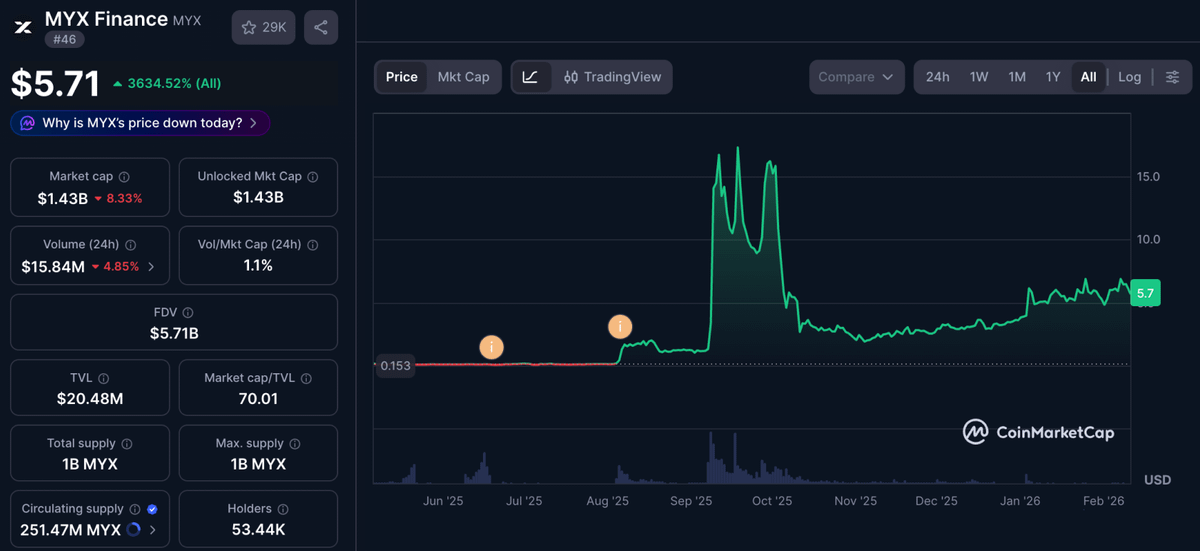
🚨 $MYX IS POSITIONING FOR A RETURN TO ATH
$MYX has been quietly rebuilding structure after its previous run
While attention faded, price action stabilized and that’s often the phase right before a powerful continuation back to highs
Here’s why $MYX looks increasingly likely to revisit its ATH👇
STRONG BASE AFTER PREVIOUS EXPANSION
After the last major move, $MYX didn’t fully unwind. Instead of collapsing, it formed a sustained base. That’s a sign of strength - strong assets don’t give everything back, they digest gains and reload.
SELL PRESSURE HAS BEEN ABSORBED
Downside attempts lack momentum. Red candles show diminishing volume, while buyers consistently defend key levels. This is classic absorption behavior - supply is being removed quietly before the next leg.
STRUCTURE FAVORS CONTINUATION, NOT REVERSAL
This isn’t a dead-cat bounce. The structure resembles a continuation pattern rather than distribution. When price holds above key zones for extended periods, markets tend to resolve upward - especially in names with prior momentum.
LIQUIDITY ABOVE POINTS STRAIGHT TO ATH
Between current price and ATH, resistance is relatively thin. $MYX has already proven it can move fast through these zones. Once momentum returns, price doesn’t need hype - it just follows liquidity.
POSITIONING IS STILL NOT CROWDED
Most traders are not fully positioned yet. Sentiment is neutral, not euphoric. That’s important - moves back to ATH are fastest when positioning is light and chasing happens late.
ATH ACTS AS A MAGNET
Previous highs attract price. Once assets start trending again, ATH levels often act as magnets rather than ceilings. Breakouts don’t always stall there - many accelerate through them.
⸻⸻⸻⸻⸻⸻⸻
$MYX isn’t trying to pump - it’s preparing.
Base built, supply absorbed, liquidity aligned.
If momentum flips, a move back to ATH won’t be surprising -
it’ll be the natural next step.
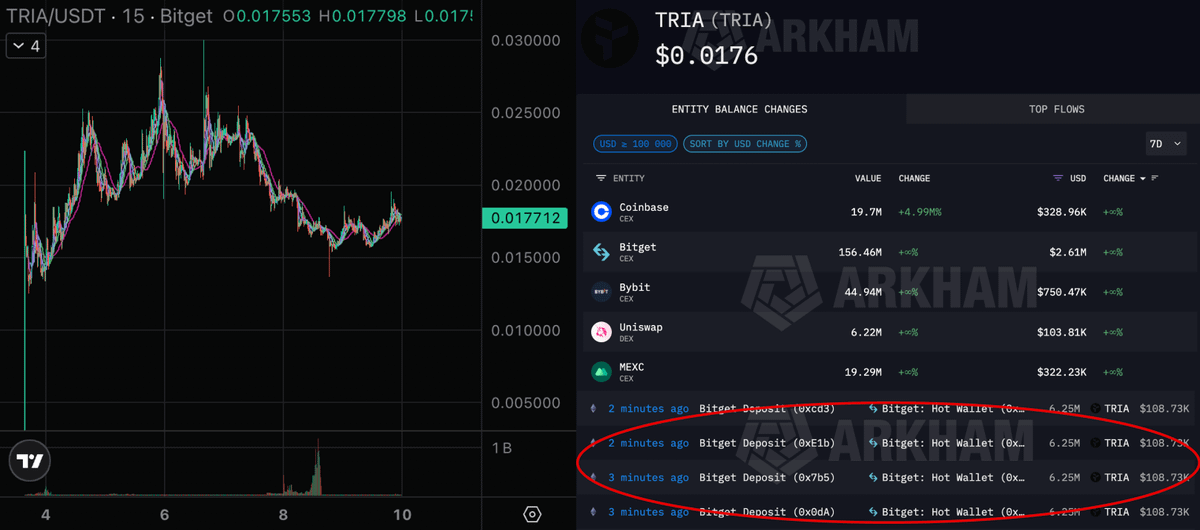
🚨 BITGET IS MAKING MOVES ON $TRIA
Bitget has actively rolled out support for TRIA, opening deposits and trading in its Innovation Zone - a step that often brings real liquidity and buying pressure into a token before larger moves
What’s happening with $TRIA feels subtle but meaningful - not random
When major exchanges lean in, it changes the on-chain flow
BITGET LISTING BRINGS IN LIQUIDITY
$TRIA was recently listed on Bitget’s Innovation zone. Deposits opened early February and trading pairs went live shortly after. That alone often draws early buyers, traders, and even institutional flow that wasn’t present before.
This isn’t just about a listing announcement - it’s about a new liquidity pipeline being created for TRIA. Exchanges are where the real capital flows first.
EXCHANGE SUPPORT USUALLY PRECEDES ACCUMULATION
When a centralized exchange integrates a token (especially a major one like Bitget), it doesn’t just enable trading - it pulls balances onto the platform. That means more TRIA gets parked in exchange wallets instead of being dormant in private addresses.
And when tokens move into exchange custody in noticeable size, it often means accumulation - either for market-making, listing support, or future demand.
BROADER ACCESS = BROADER BUYING BASE
Bitget’s buy routes (credit/debit, P2P, fiat rails) make $TRIA accessible to a much wider audience. More access = more potential buyers. That expands demand zones that didn’t exist before.
$TRIA doesn’t just sit quietly anymore - it’s now tradeable, discoverable, and liquid on a big platform.
⸻⸻⸻⸻⸻⸻⸻
So yeah - Bitget isn’t just listing $TRIA - it’s creating infrastructure for real accumulation and liquidity flow.
Whether that turns into a big pump or a steady grind depends on timing, narrative, and broader market momentum — but exchange support is one of the first conditions you look for before any major move.
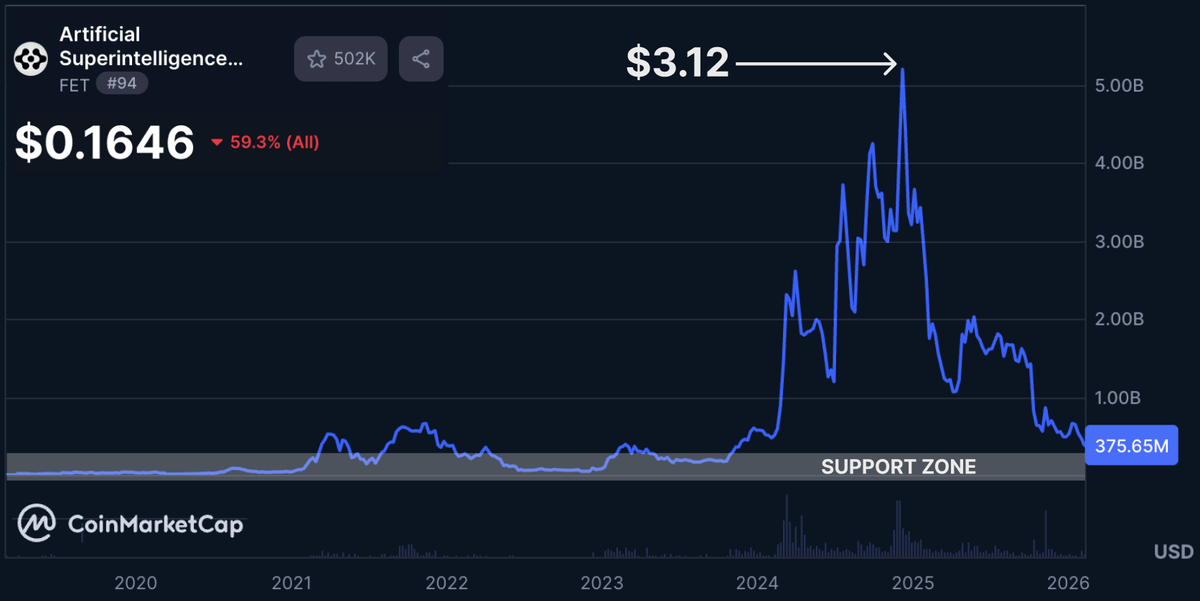
$FET is sitting right on that 2020 support zone
Once the king of crypto AI hype, now looking battered and forgotten by most traders
Price has been beaten down, and it’s easy to see only risk here
But that’s exactly the point - strong bases often form when everyone has already given up
History shows that assets quietly consolidate for months (or even years) at key support levels, absorbing supply while patience accumulates on the sidelines.
The structure here is what matters. $FET isn’t collapsing wildly - it’s compressing. Sellers are fading, red candles are smaller, and each dip seems to find buyers stepping in earlier. That’s the textbook sign of absorption.
The narrative hasn’t died either. AI-linked capital hasn’t gone away - it just paused. When rotation back to AI names happens, $FET is perfectly positioned to see outsized moves because attention will shift back to it first.
So yes, it looks ugly right now. But often, “terrible” setups are the ones that precede mechanical, almost inevitable upward moves. Timing is key, positioning is key, but the stage is being set.
$FET may very well surprise anyone who’s still bearish - sometimes the assets that look dead are the ones that explode next.
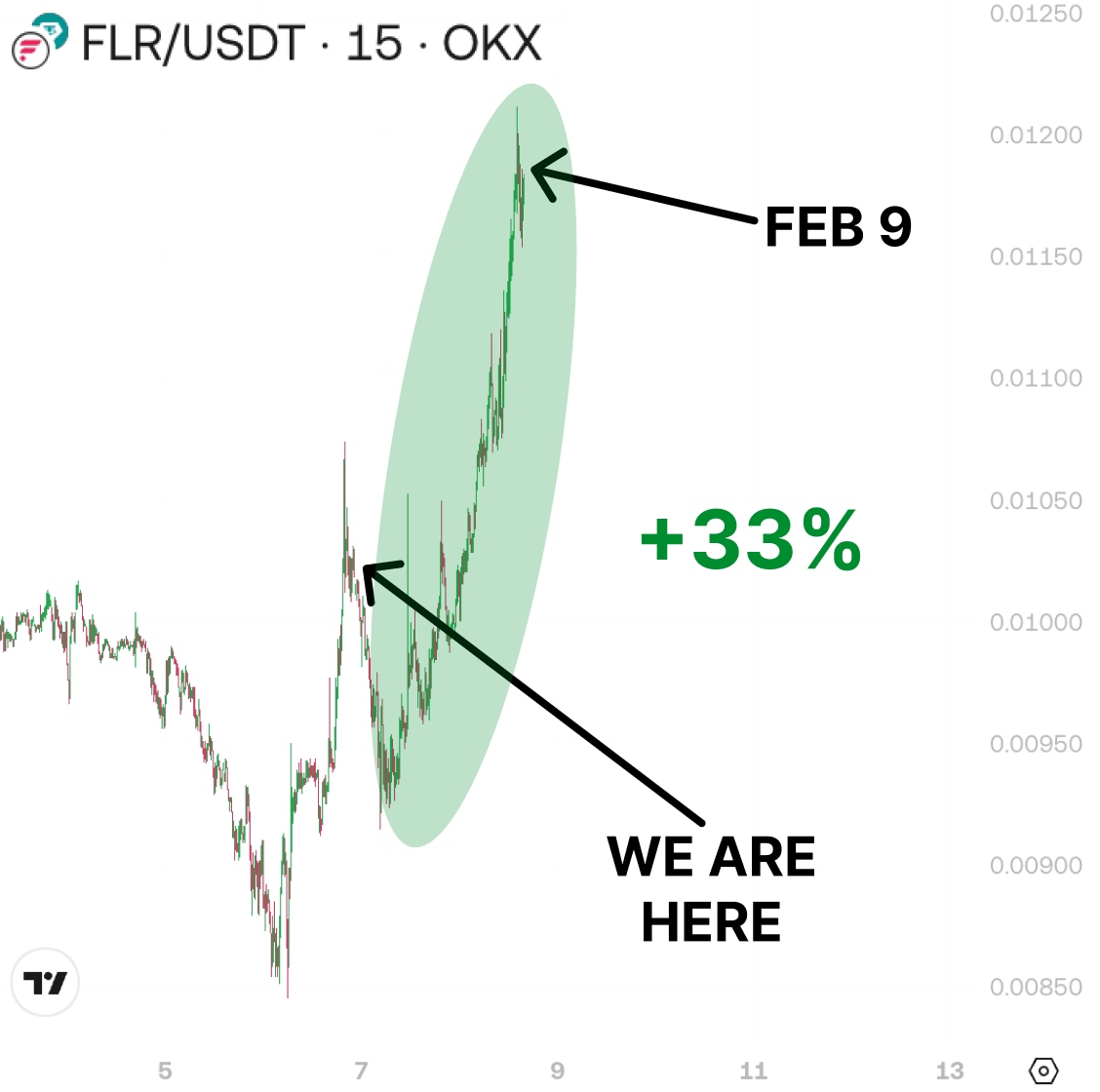
🚨 $FLR has been quietly developing a structure that most traders tend to overlook
While attention remains scattered across louder charts, $FLR has been doing something far more important - holding its ground and gradually pushing higher without triggering emotional reactions
This kind of behavior is rarely accidental
What stands out immediately is how controlled the price action has been. Pullbacks are shallow, recoveries are fast, and volatility continues to tighten rather than expand. That tells us sellers are no longer in control. Supply is being absorbed patiently, not dumped impulsively, which is exactly what strong hands do before a larger move.
Volume behavior supports this view. Selling pressure has been fading, while demand shows up selectively, often without chasing price. This imbalance suggests accumulation is happening in the background. When markets transition from distribution to accumulation, price often looks boring right before it becomes violent.
Liquidity is another key factor. Above the current range, resistance appears thin and poorly defended. $FLR has historically moved quickly through similar zones, and when liquidity dries up overhead, even moderate inflows can trigger sharp repricing. These are the conditions where price doesn’t climb step by step - it jumps.
Positioning remains light and sentiment is muted. That’s important. The strongest pumps rarely begin when everyone is watching and ready. They start when most participants are either underexposed or dismissive, forcing reactive behavior once momentum flips.
$FLR doesn’t require a new catalyst to move. With structure tightening, supply thinning, and attention still lagging, the groundwork for a strong pump is already being laid. When the range finally breaks, the move is unlikely to be subtle - it will be fast, mechanical, and difficult to chase for those who waited too long.
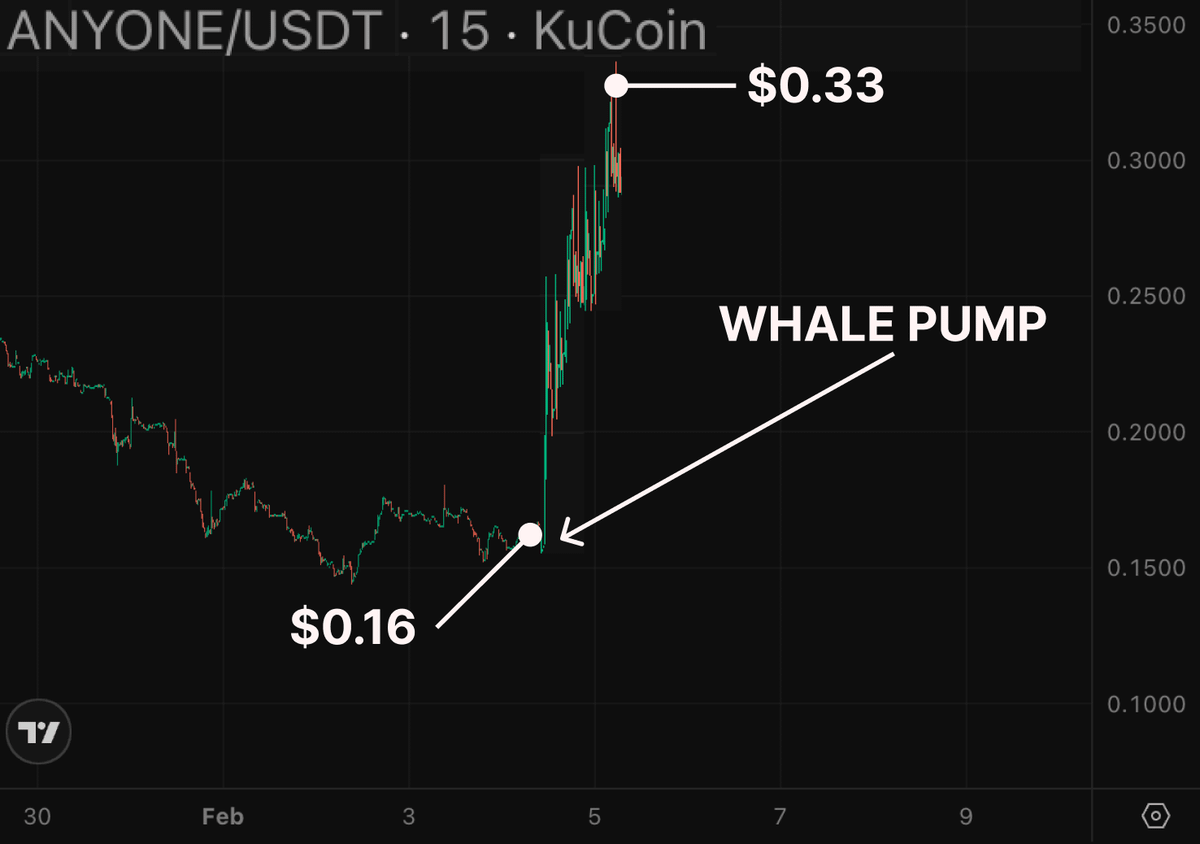
🚨 $ANYONE IS SETTING UP FOR A WHALE-DRIVEN MOVE
$ANYONE isn’t moving randomly - it’s being positioned
The current structure looks like quiet loading before a decisive push, the kind usually initiated by large players
Here’s why a whale pump in $ANYONE looks increasingly likely👇
STEALTH ACCUMULATION IS VISIBLE
Price is holding firm despite low volume and limited retail interest. That’s a classic sign of stealth accumulation. Large buyers don’t chase - they absorb patiently, keeping price stable while building size.
DOWNSIDE ATTEMPTS KEEP FAILING
Every sell attempt gets rejected quickly. Dips are shallow, and price snaps back into range. That behavior suggests strong passive bids sitting underneath the market - often associated with whale positioning.
VOLUME BEHAVIOR SIGNALS INTENT
Volume spikes appear on green candles, not red ones. This imbalance hints that demand is deliberate, not emotional. Whales leave footprints in volume long before price reacts.
THIN LIQUIDITY MAKES PRICE VULNERABLE
$ANYONE doesn’t need massive capital to move. With shallow order books, a single aggressive buyer can create rapid vertical expansion. That’s exactly the environment whales prefer.
POSITIONING IS EXTREMELY LIGHT
Most traders are ignoring $ANYONE. That’s key. Whale pumps thrive in under-watched markets where price can be pushed before attention catches up.
BREAKOUT WOULD FORCE CHASE
Once price leaves the range, sidelined capital is forced to react. That’s when controlled accumulation turns into violent markup - fast candles, expanding volume, and emotional chasing.
⸻⸻⸻⸻⸻⸻⸻
$ANYONE looks calm.
That’s intentional.
If whales step in, the move won’t be gradual -
it’ll be fast, vertical, and unforgiving for late entries.
@easyeight08 Road to ATH always sounds clean on Twitter the real test is surviving the chop without overtrading because that range is where most conviction gets bled out
@scottmelker Volatility isn’t about the size of the move it’s about the speed and silver proving it can do a Bitcoin drawdown in a week says more about tradfi fragility than crypto risk
@Bitcoinhabebe Calling the low after it bounces is easy the harder part is holding size through the chop that usually comes before any real continuation
@ParabolicXBT Capitulation narratives feel best when leverage just flushed but real bottoms usually come after volatility dies and nobody is calling it generational anymore