Solid-earth deformation, geodesy, ice sheets, and sea level. Director @AntarcticSciAus. Professor at U Tasmania. Comments mine. Flawed follower of Jesus.
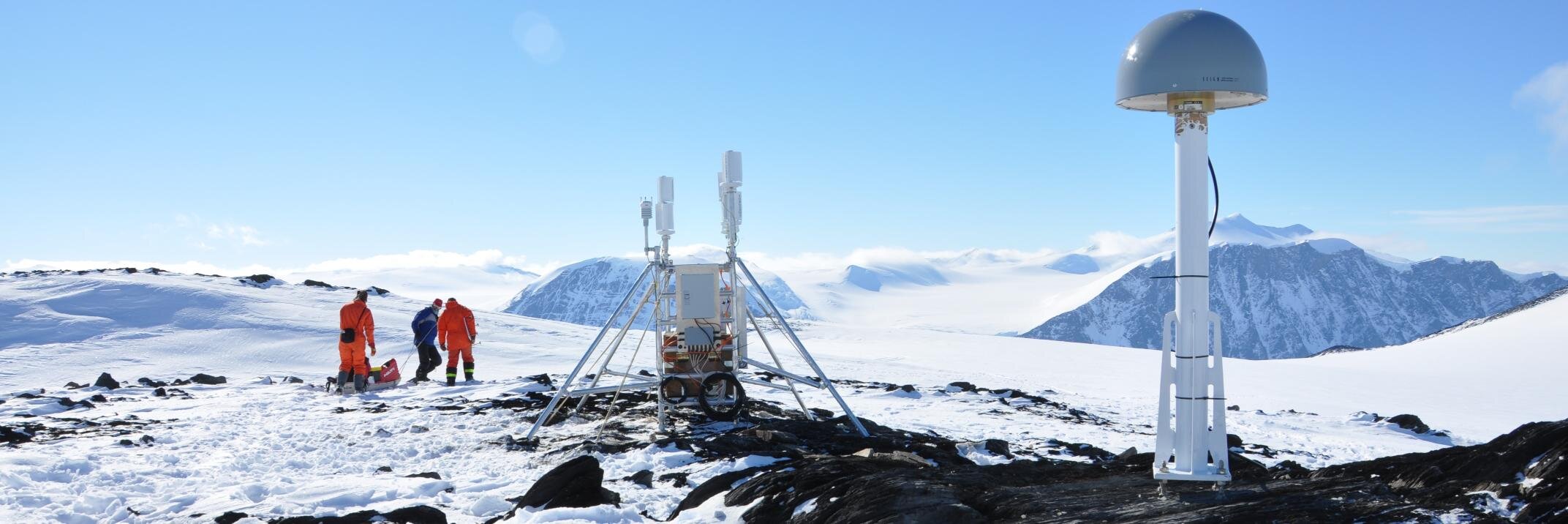
What can rapidly melting ice in #WestAntarctica tell us about the Earth's interior?
New research out today, with ACEAS co-author Prof @DeformedEarth exploits a natural experiment provided by recent melt to present a 3D model of Earth's interior.
▶️ https://t.co/egswTczFxx
If all the ice in the Wilkes Subglacial Basin melted, it would raise global sea levels 3 to 4 metres. It happened before – at temperatures we're heading towards @DeformedEarth@UTAS_ https://t.co/U96ulNU4c6
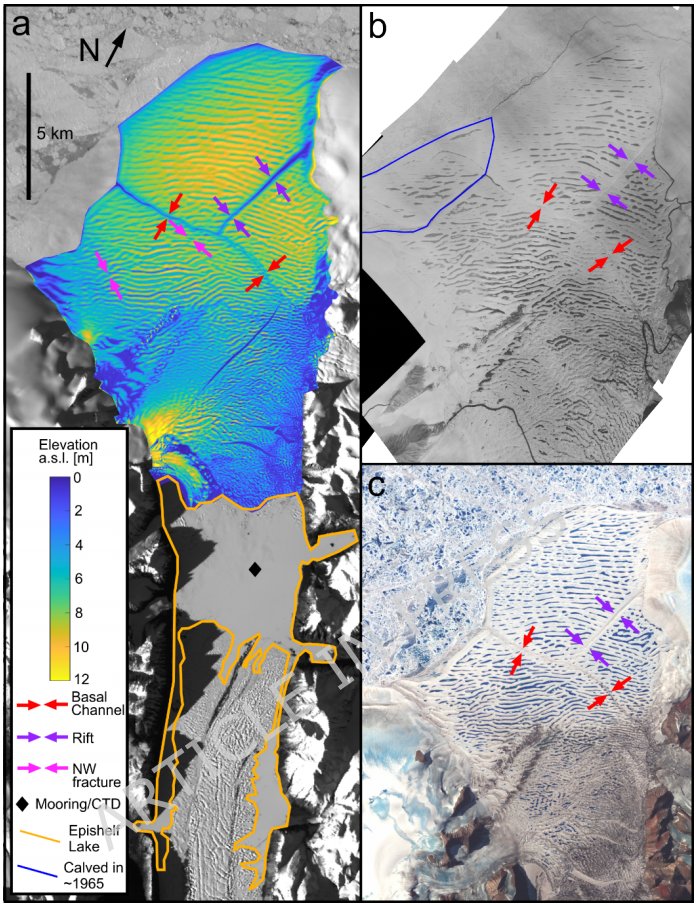
The Arctic Has Lost Its Last Epishelf Lake
https://t.co/HDR7Y06ysF
Canada’s last epishelf lake—an ecosystem that survived for thousands of years—has disappeared after the collapse of the Milne Ice Shelf. It happened in the “Last Ice Area,” a region once expected to preserve Arctic ice longer than anywhere else. Its loss carries a simple message: Even the Arctic’s last refuges are not beyond change. What disappears at the edge of the world reminds us how closely our planet is connected.
#Arctic #LastIceArea #Cryosphere
https://t.co/L3szkYLbyC
🌏 JUST OUT: a major international review paper, involving 80 scientists from 16 countries, has outlined a bold plan to address some of the biggest uncertainties in #Antarctic driven sea-level rise.
Read the paper ▶️ https://t.co/OvqB0nEL25
🎤 TONIGHT: a special @nma panel discussion on 'The Future of #Antarctica' with ACEAS researcher Dr Indi Hodgson-Johnston (@UTAS_), Rhonda Bartley (AAD) and Dr Jess Melbourne-Thomas (@Parks_Australia).
Live in Canberra, or anywhere online.
Bookings ▶️ https://t.co/n3AeO7nHTx
"Many of these changes were once considered unlikely to happen this quickly. Antarctica is sending us clear warning signs." – ACEAS outgoing Director, Professor Matt King (@UTAS_)
Read the news story ▶️ https://t.co/zueGZXQz0m
@DeformedEarth | @LaurePoncet
🔔 ALARM BELLS FROM THE SOUTH: a new explainer unpacking recent Antarctic extremes, from record-low sea ice, to unprecedented heatwaves, emperor penguin breeding failures and the spread of H5N1 through parts of the Antarctic region.
Read & share ▶️ https://t.co/fsUUrNsAjs
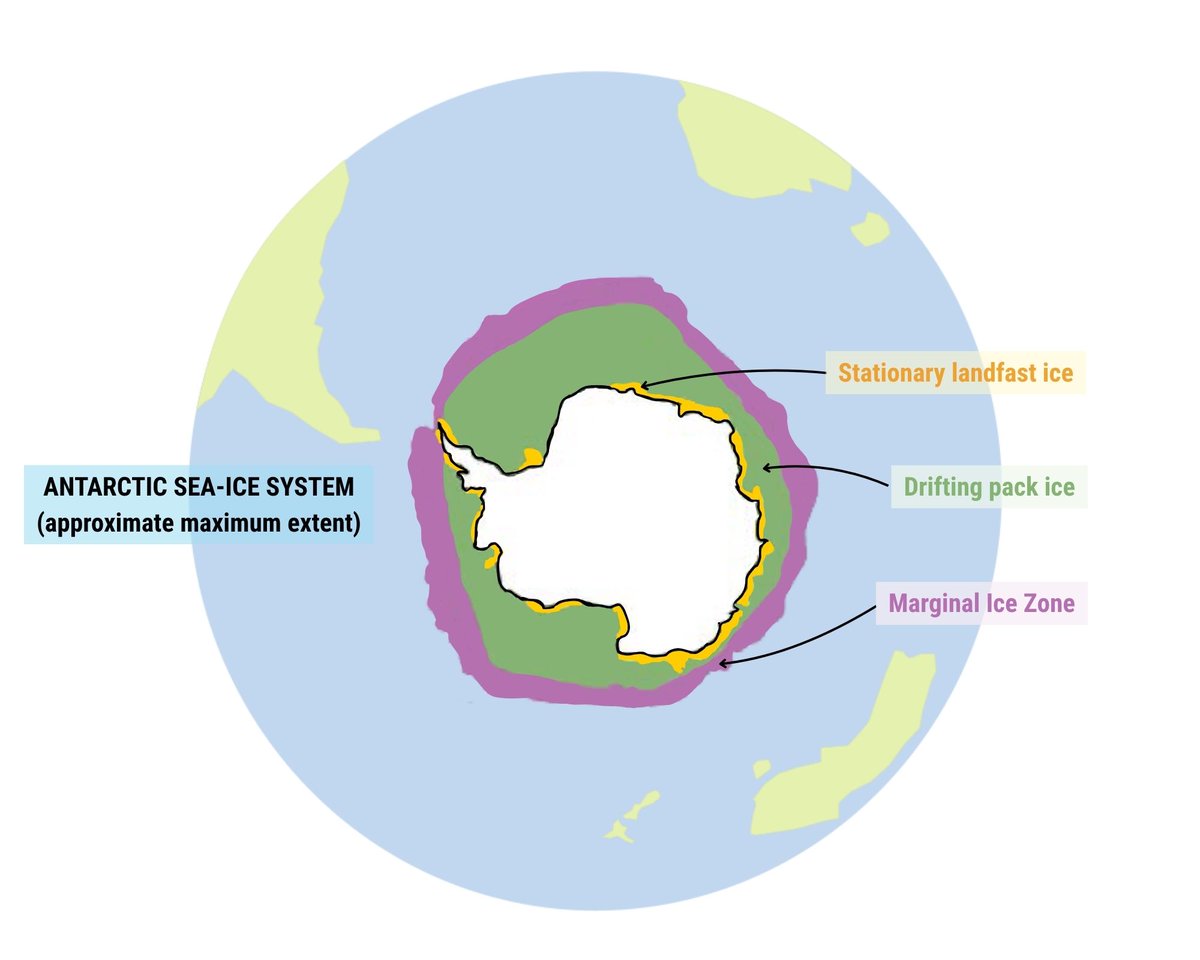
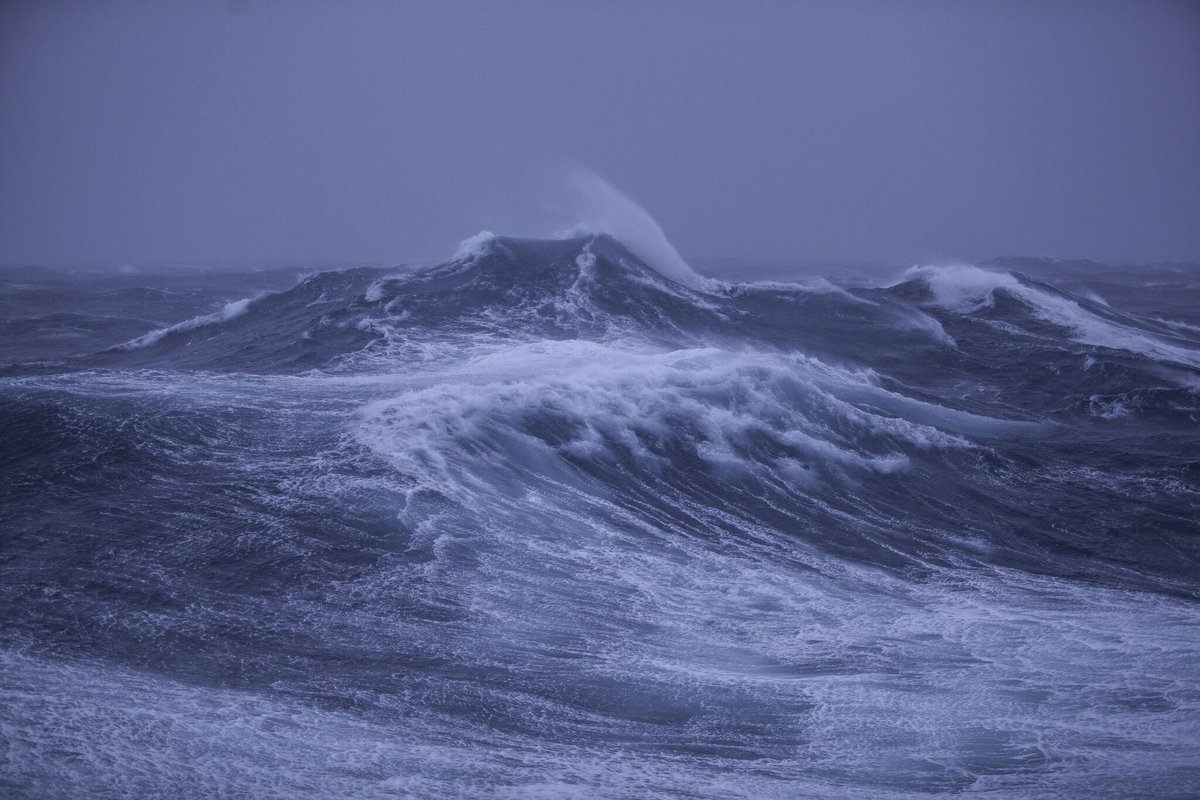
🌊 How far do ocean waves reach into Antarctic sea ice?
New research finds ~16% of Antarctic sea ice is wave-affected – changing how we understand a critical component of the Antarctic sea-ice system.
Read more ▶️ https://t.co/nSonFk4SHE
@AnthonyPress opportunities for research collaboration, including Hobart port visits ... but I presume their logistics become sensitive to research budget cuts.
🌊 An important new study led by ACEAS PhD researcher Annika Oetjens from @UTAS_ shows the Southern Ocean may be storing 40 to 60 per cent less carbon at certain depths than many climate models assume.
Learn more ▶️ https://t.co/C3C9iO2GRd
Antarctic Geopolitical Myths: an occasional series. No. 1: I have decided to run a series of threads to counter incessant basic mistakes made by #Antarctic analysts – especially those who should either know better, or who should have done just the minimum of research. 1/5
Australia’s Tasmania Delegation Visits Korea’s Polar Research Institute — Exploring New Paths for Antarctic Cooperation
https://t.co/nUKJVH9jRI
A trade delegation from Tasmania, led by Deputy Premier Guy Barnett, visited the Korea Polar Research Institute (KOPRI) to discuss collaboration in Antarctic research and infrastructure.
Tasmania is one of the world’s key Antarctic gateway cities—home to the Australian Antarctic Division, the CCAMLR Secretariat, and the University of Tasmania’s Institute for Marine and Antarctic Studies. With direct flight and icebreaker links to Antarctica, the delegation introduced their port and aviation systems and explored opportunities for joint work.
KOPRI and Tasmania have maintained active exchanges since 2019, supported by the Korea–Australia Foundation. This visit brought together policymakers, scientists, and infrastructure managers to deepen cooperation across Antarctic logistics, science, and environmental research.
#Antarctica #KOPRI #Tasmania
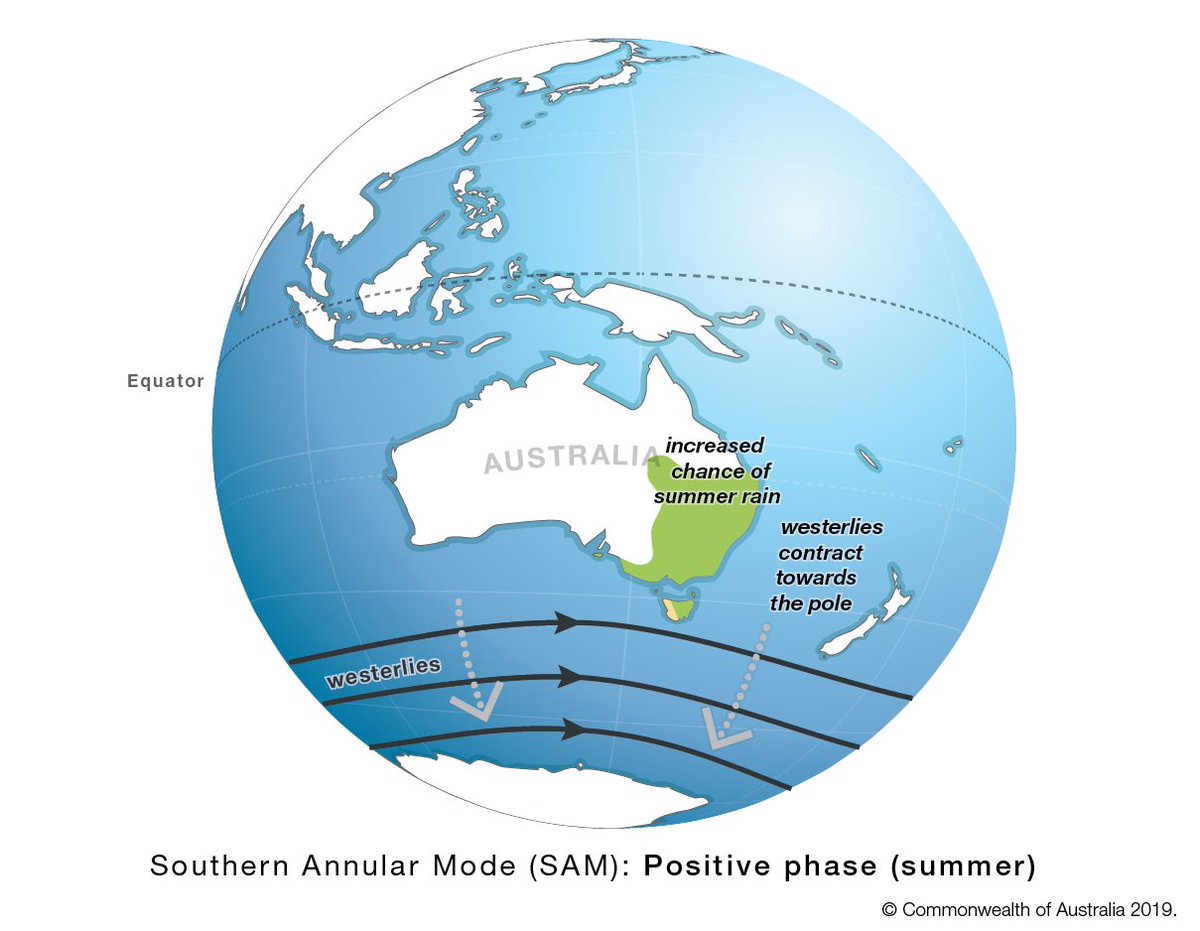
1/ Meet SAM.
The Southern Annular Mode (SAM) is the Southern Hemisphere’s most influential #climate driver. When the SAM is in positive phase, the westerly winds tighten and move towards #Antarctica. In the negative, these winds expand back towards Australia.
(@BOM_au)
🌏 Happy Antarctica Day! ❄️
Today we celebrate global cooperation in protecting and understanding one of Earth’s most unique and fragile environments.
A huge thanks to all our researchers for driving this work forward every day.
Learn more: https://t.co/OWXuUxnQPt... 🎥
We're recruiting an Academic Director ⬇️
This role is ideal for someone with strong academic and strategic research management expertise, and who is a respected researcher in the Mathematics, Physics, Chemistry or Earth Sciences domains. Closing 21 Dec: https://t.co/gzP7eUjJug
🌊 What is the Meridional Overturning Circulation
and why is it important?
The Meridional Overturning Circulation (MOC) – critical for transporting heat, carbon, oxygen and nutrients across the globe – is weakening under climate change.