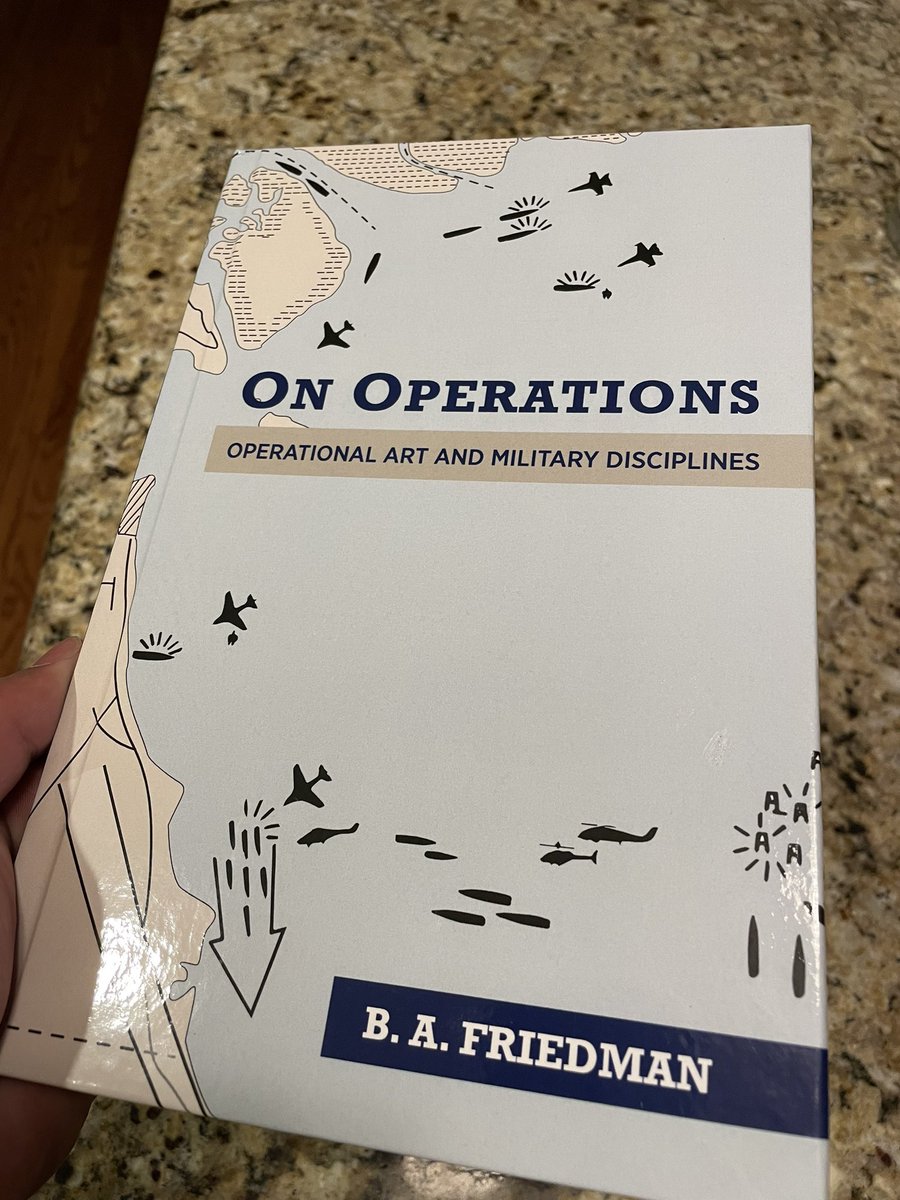
🧵 A Masterclass in Military Thought: 6 Key Takeaways from "On Operations" by B.A. Friedman
Friedman's work challenges modern military dogma, stripping away unnecessary jargon to reveal the true mechanics of warfare.
Here’s how you can rethink operational art.👇
What is Thucydides Trap and what was the result of case study analysis.
The Thucydides Trap is the structural dynamic whereby a rising power’s growing capabilities and demands provoke fear in an established power, raising the likelihood of conflict; Allison uses it to describe U.S.–China tensions.
His Belfer Center review of 16 historical rivalries over the past 500 years found 12 ended in war and only 4 avoided war—those avoided only after large, painful adjustments by the actors.
5️⃣ UN, Taiwan and the narrative war.
China will likely use the outrage over a US “president grab” to argue at the UN that Washington no longer respects sovereign equality, even as it quietly asks Latin American partners for diplomatic cover on issues like Taiwan.
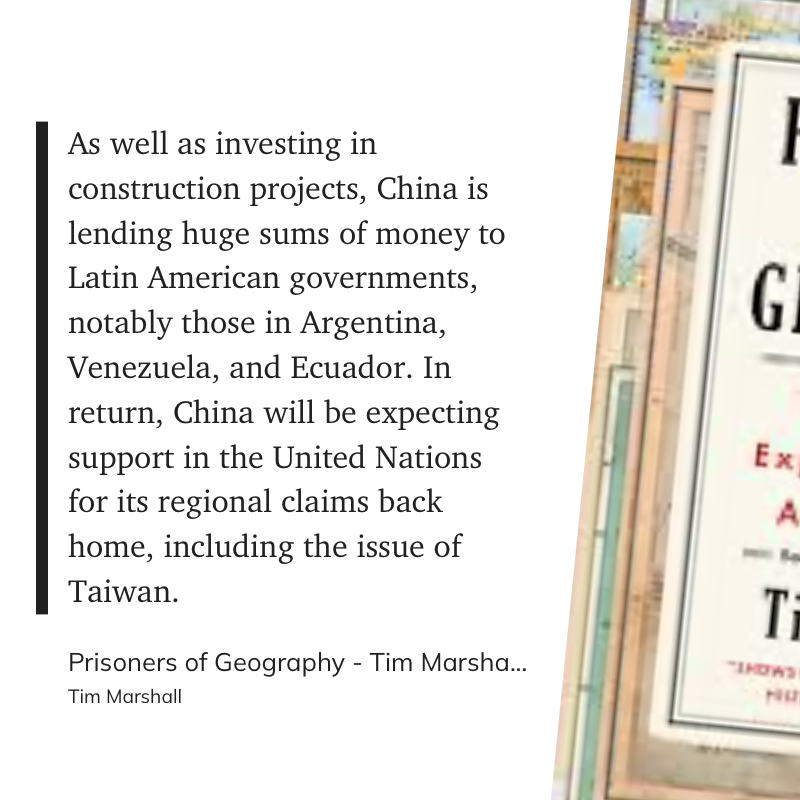
Remember Marshall’s line: China invests expecting votes later—Venezuela’s crisis is exactly the kind of “later” moment where loans, ports and power plants are supposed to convert into pro‑China positions when it counts. #Venezuela #crudeoil
3️⃣ Marshall’s map was the warning.
Tim Marshall argued that China’s loans and construction projects in states like Venezuela were not charity but down payments on future political support in forums like the UN—and insulation against US pressure.
By tying Caracas into oil‑for‑debt deals and infrastructure credit, Beijing turned Venezuelan geography and resources into leverage it could quietly use when a showdown came.
2️⃣ From “drug boats” to regime decapitation
Campaign started as “precision” strikes on alleged narco‑trafficker boats and dock facilities, framed as self‑defence against cartels in international waters.
It has now escalated into the capture of a sitting head of state—an operation that shreds the very sovereignty norms Washington invokes against rivals like Russia and China. #InternationalLaw
1️⃣ Did China just lose Venezuela… or gain a martyr?
As US special operators during Operation "Absolute Resolve", snatch Venezuela’s president, Beijing’s long game of loans, oil and quiet military ties faces its first real stress test.
#Venezuela#crudeoil
Van Creveld acknowledges that while the formal concept of a campaign plan for major operations is relatively new, an intermediate link between strategy and tactics has always existed.
He even traces the essential elements of operational art back to the beginning of the first millennium.
However, he distinguishes pre-modern warfare as having been significantly limited by the lack of flexible permanent formations like the corps and the absence of sophisticated command structures like Napoleon's imperial headquarters.
In his view, the advent of the Napoleonic system represented an explosion in the range and speed of military operations that earlier periods simply couldn't replicate due to their reliance on slower methods, such as sieges that could last for years.
Book The Evolution of Operational Art: From Napoleon to the Present, edited by John Andreas Olsen and Martin van Creveld, provides a comprehensive overview of how military planning has bridged the gap between grand strategy and local tactics over the last two centuries.
Here are 5 top takeaways from my highlights:
5/ The Shift to "War Amongst the People"
The paradigm has shifted from industrial war to war amongst the people. This new reality makes it harder to define success, identify the theatre of operations, or manage multinational strategic direction. Today’s operational artists must orchestrate not just firepower, but information and resourcesto achieve complex political goals. #FutureOfWar #InternationalRelations
4/ Manoeuvre as the Core.
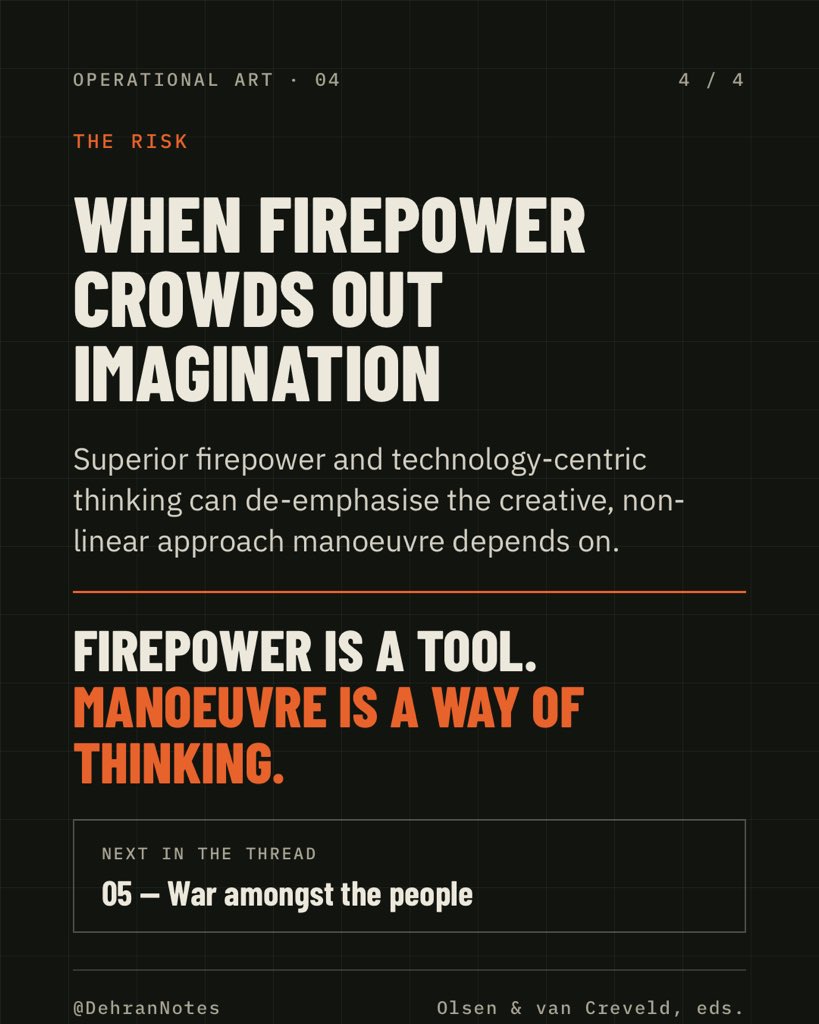
Historically, manoeuvre has been the antidote to static entrenchment. Whether through the corps system of Napoleon or the panzer divisions of the 20th century, the goal is to create opportunities on the enemy's flank and rear. However, the rise of superior firepower and technology-centric thinking can sometimes de-emphasize this creative, non-linear approach. #Innovation #Tactics
3/ Mastering Two "Grammars"
Modern operational art requires mastering two distinct grammars. The first grammarinvolves defeating an opponent with armed force, while the second grammar deals with insurgencies and irregular warfare. Success in the first does not guarantee success in the second, as seen in conflicts like Vietnam and Iraq. #Geopolitics #History
2/ The Necessity of Strategic Alignment
Without a clear strategic objective, operational art is merely "grand tactics". Proficiency on the battlefield cannot save a campaign from strategic miscalculation. A plan must include a clear "exit strategy" or termination phase to link the fighting to the desired political end state. #Leadership #StrategicPlanning
1/ Defining the "Grey Area".
Operational art emerged in the nineteenth century as a distinct component of warfare, acting as the bridge between strategy and tactics. It is the systematic planning of campaigns to achieve strategic goals in a specific theatre, essentially governing tactical creativity to ensure local actions serve the broader political objective. #MilitaryStrategy #ModernWarfare
Book The Evolution of Operational Art: From Napoleon to the Present, edited by John Andreas Olsen and Martin van Creveld, provides a comprehensive overview of how military planning has bridged the gap between grand strategy and local tactics over the last two centuries.
Here are 5 top takeaways from my highlights:
“Top Gun rules of engagement exists for your safety and for that of your team. They are not flexible, nor am I. Either obey them, or you're history. Is that clear?”
Fair winds, Viper. https://t.co/yPAxgXVrmK
@bostonradio “Top Gun rules of engagement exists for your safety and for that of your team. They are not flexible, nor am I. Either obey them, or you're history. Is that clear?”
Fair winds, Viper.