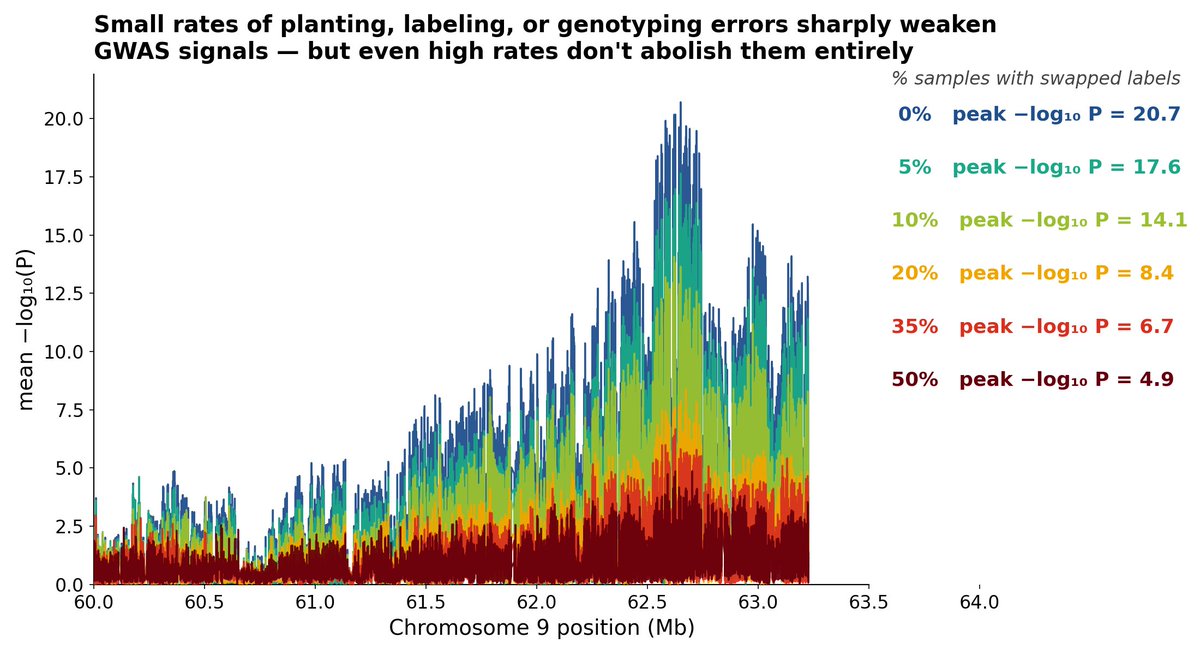
Even small amounts of mislabeled data -- genotyping mix ups, planting errors, data entry mistakes -- can drop the significance of a GWAS signal by three orders of magnitude.
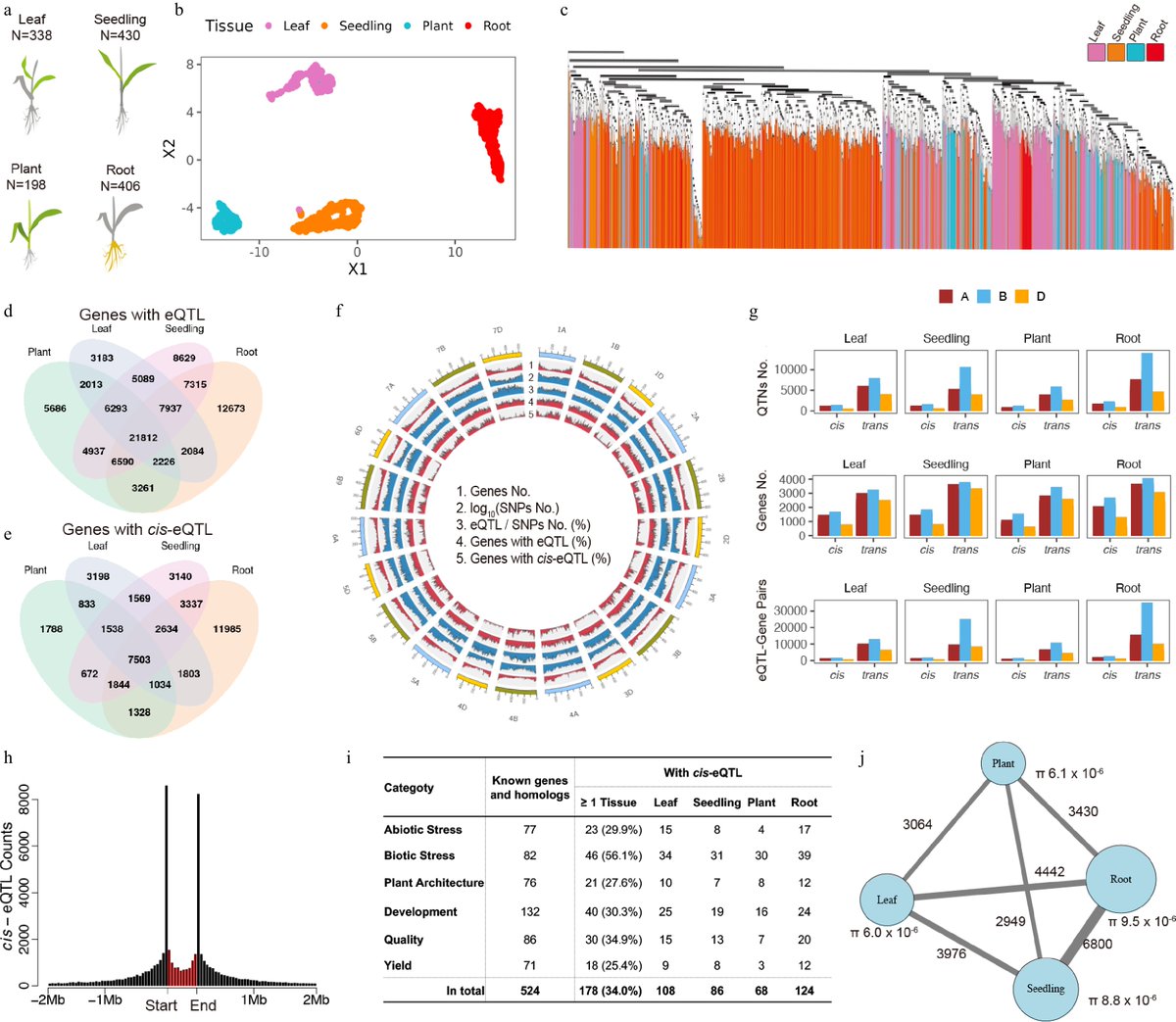
We do observe tissue-specific eQTL, however, the majority of identified cis-eQTL are robust and conserved across different tissues.
Data available on WheatOmics: https://t.co/iiZ3qxbEHD
#wheat#eQTL
Wheat multi-tissue seedling eQTL atlas! 🌾
We mapped 770K+ eQTLs for nearly 100K genes from 1,373 samples, uncovering regulatory networks across tissues & genetic backgrounds. Validated by pinpointing the dwarfing gene Rht-B1 via co-localization.
🔗 https://t.co/R1OdGeKnGH
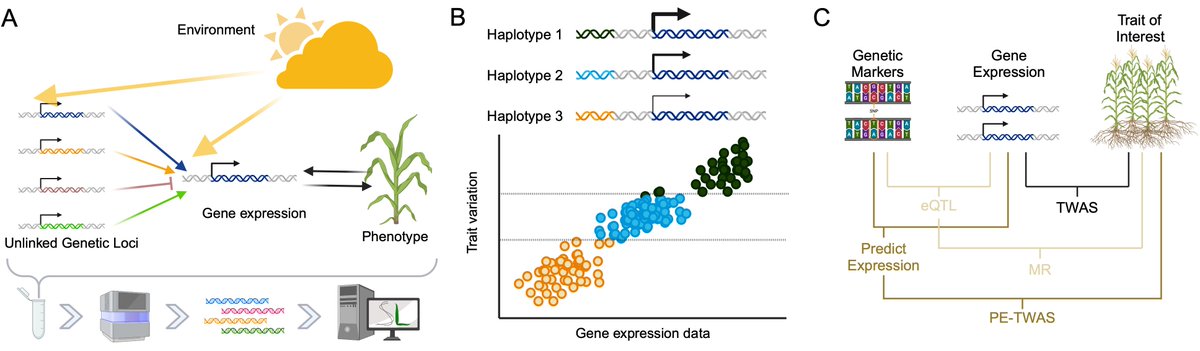
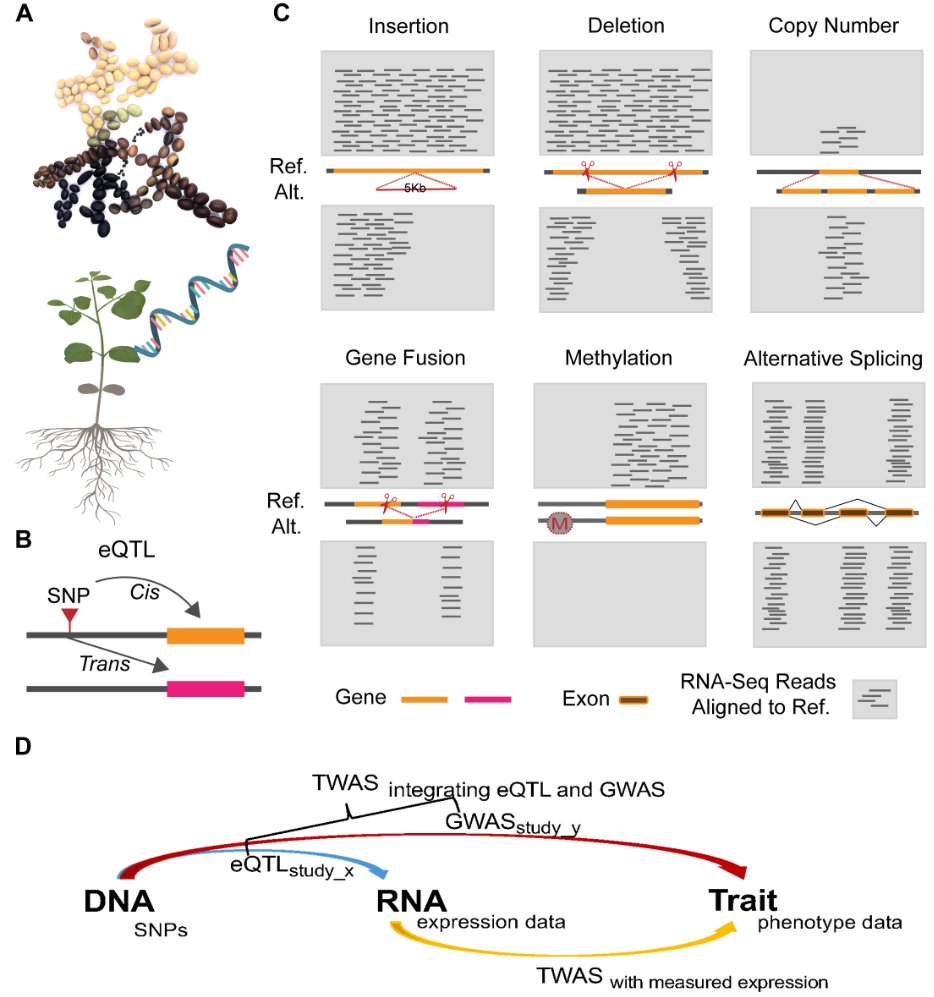
Transcriptome wide association studies in plants can address some of the biggest limitations of GWAS, particularly identifying specific candidate genes. New review lead by @vla_torres with input from @DelinBio (1/2)
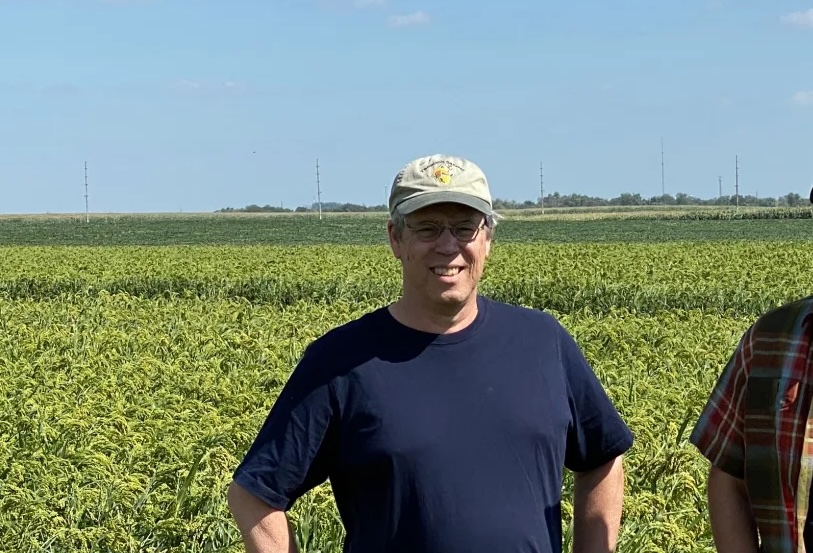
The Science Friday audience burst into spontaneous applause when @schnablep explains how much water (10-15 gallons) is saved by each egg produced by a chicken fed proso millet. Put a smile on my face. https://t.co/X53OhXSZsR
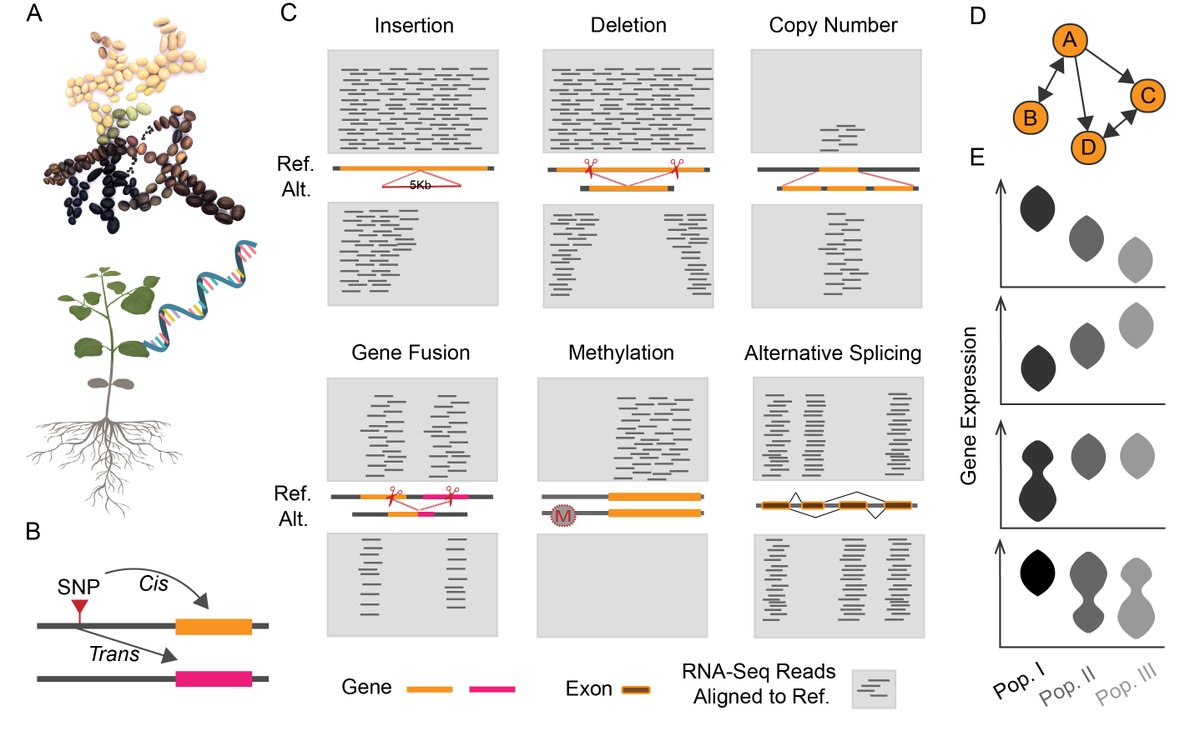
TWAS facilitates gene-scale trait genetic dissection through gene expression, structural variations, and alternative splicing in soybean #research#PlantCommunications https://t.co/RJIKkYzLYz
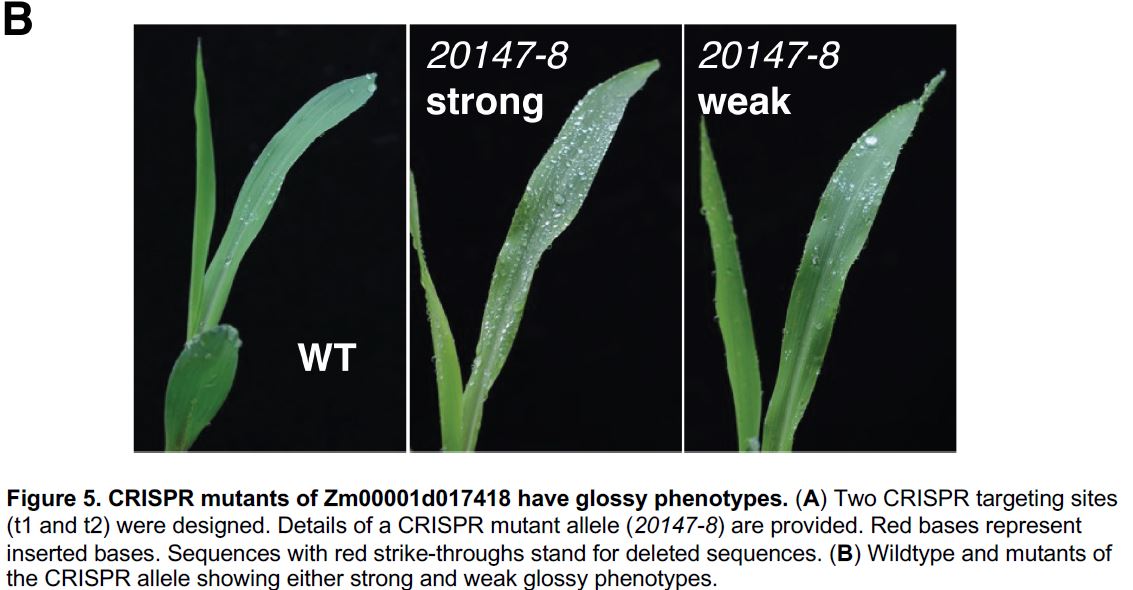
Genome editing validates a newly IDed gene for soybean pod color + mapping genes controlling cotyledon color, flower color and disease resistance using expression data from soybean seedlings. Really fun project lead by @DelinBio in @MPlantPCom https://t.co/ewTAP8LtBW
@szintri@MPlantPCom Thank you for your supervision, James. This project would not have come this far without your guidance. I truly enjoyed working with you on this fun project.
It is finally out! A large scale canopy phenotyping project that Schnable lab at ISU had been working for seven years! Check this one out! Genetic regulation of self-organizing azimuthal canopy orientations and their impacts on light interception in maize https://t.co/QZaaaWehXp
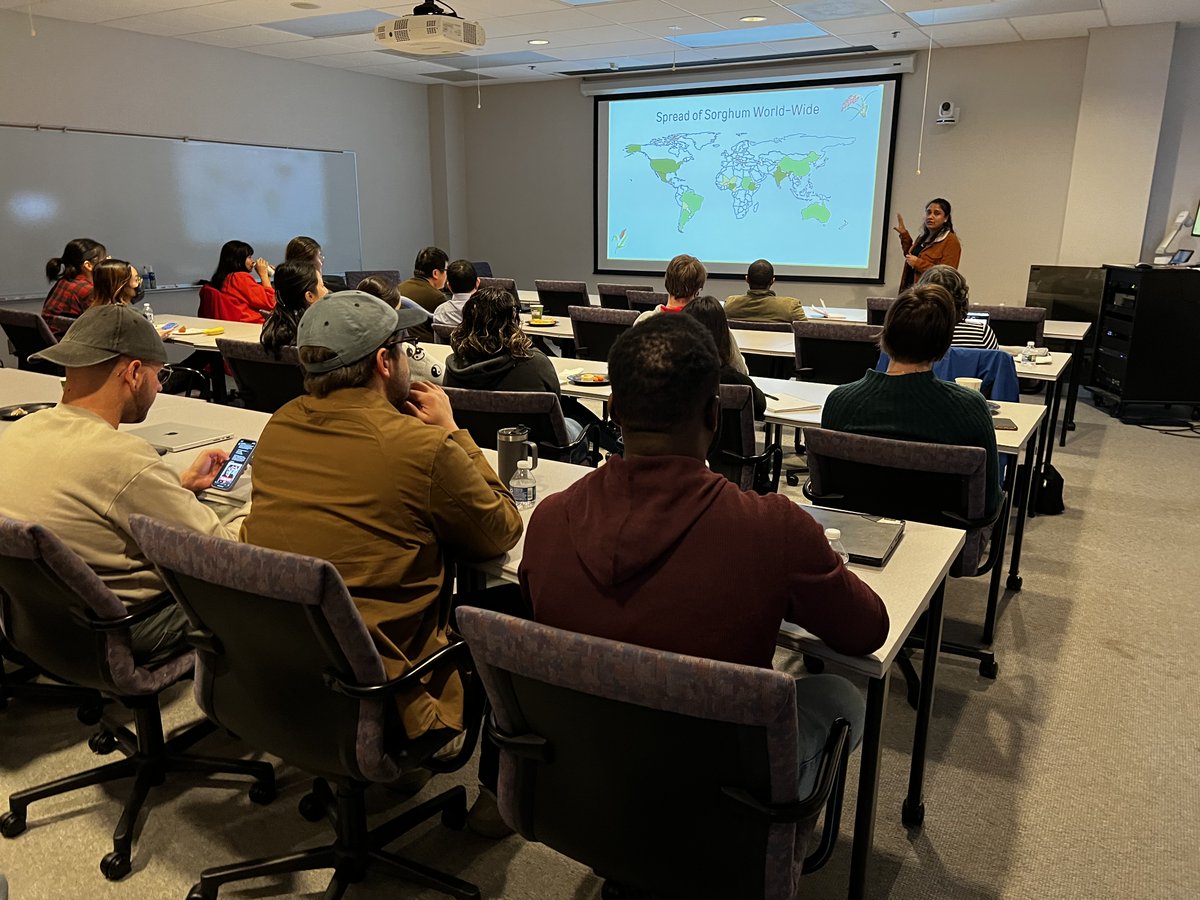
Great job today from @vla_torres and @Harshita17_ speaking about maize and sorghum TWAS at the Center for Plant Science Innovation research seminar series.
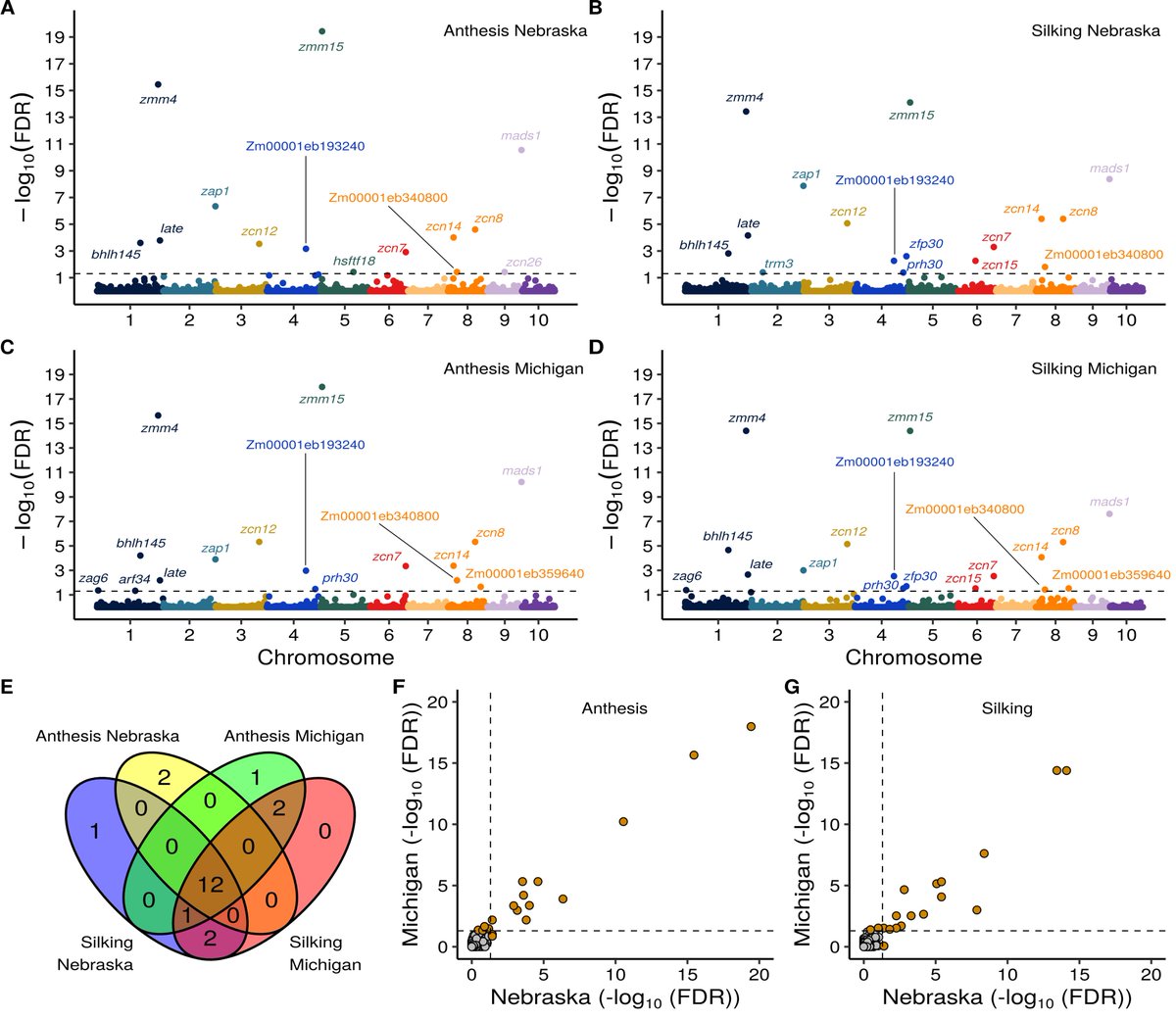
The cleanest manhattan plot we’ve ever produced in my lab. Part of a new preprint led by @vla_torres linking genes to roles in determining flowering time using expression data using RNA collected from nearly 700 kinds of maize (corn). (1/7) https://t.co/OdH9eoFn5Q
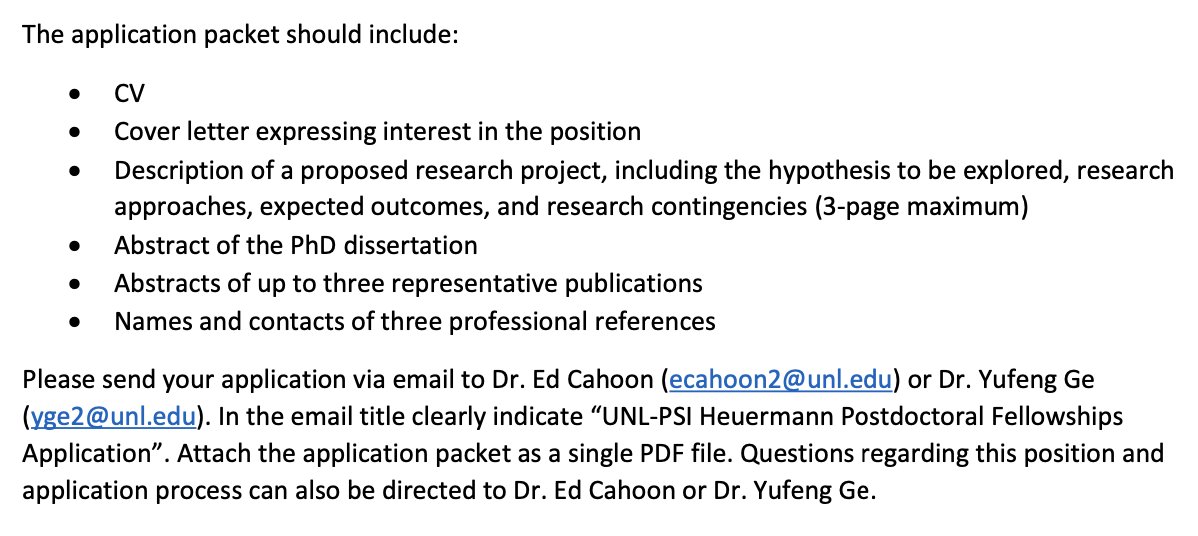
We are recruiting two postdoctoral fellows to work on (1) plant phenotyping (2) any aspect plant biology (basic or applied). Great opportunity. Please reach out if you have questions or if you would like to work with me in developing your application.
I am going to hire a postdoc work on functionally validation and characterization of putative conserved cis-regulatory element in grasses. See details in below flyer. Please contact me via [email protected]
Our preprint by @szintri, @schnablep, and @JinliangYang identifies candidate genes with remarkable precision using variations of gene expression, alternative splicing, and structural variations from RNA-Seq in soybean. https://t.co/5Mi6Q9tYYn #Soybean#eQTL#TWAS
Happy to see this paper on hybrid allele-specific chromatin binding sequencing (HASCh-seq), to which I made a small contribution, is finally out. https://t.co/6eSrT8QtCr
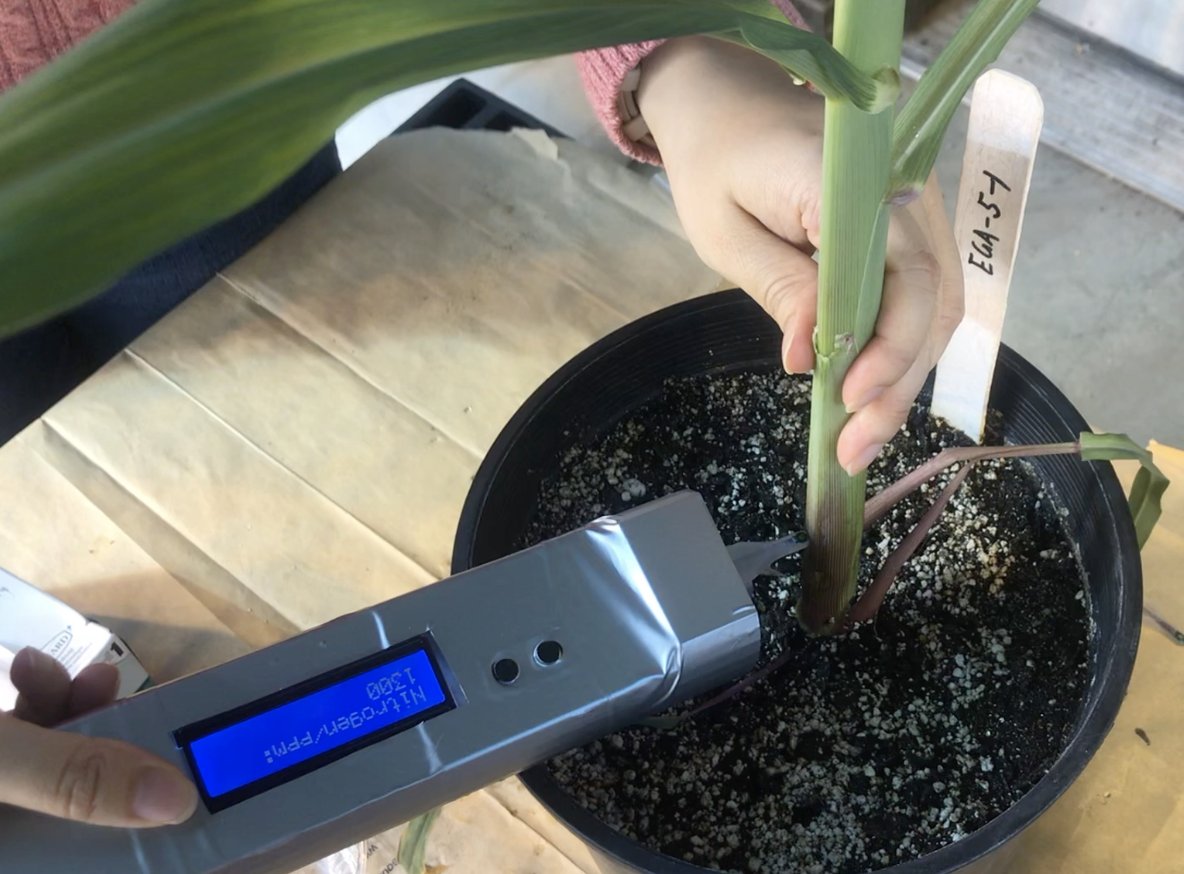
Our startup commercializing instant readout plant nitrate sensors with have the potential to save farmers $6 billion/year just received a $1M SBIR award from NSF. I'm so excited! @NebraskaC4E https://t.co/9b9FBoIEws
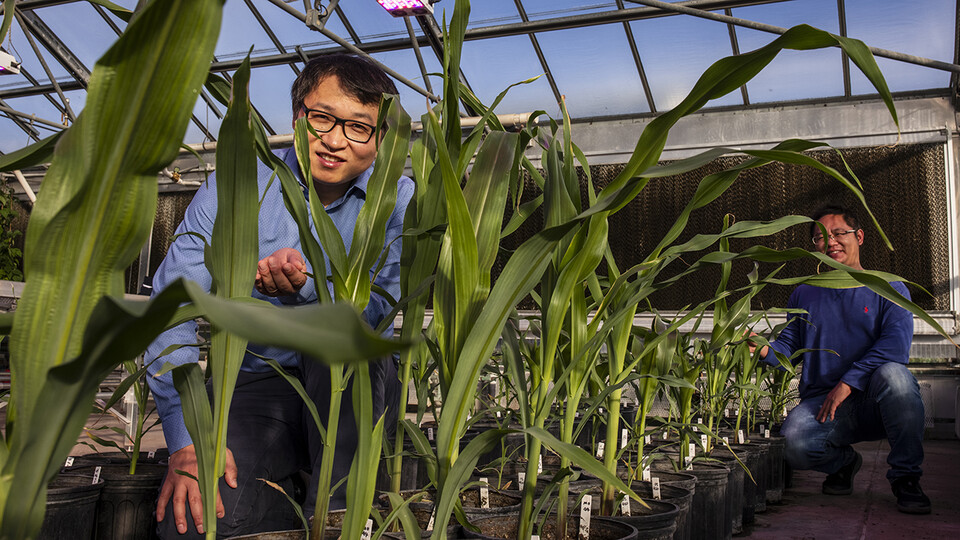
Way to go, Jinliang! His promotion to associate professor (with tenure) just announced. Really grateful to have you as a colleague and collaborator @JinliangYang. Feels like your job talk was just yesterday. 🌽 https://t.co/VqtoZhwszN