It’s often not only about usability or a faster task completion. It’s about helping people make sense of what they’re deciding in the first place.
Because when systems are complex, the real problem is often not access to information, but interpretation of it.
#uxresearch
Not every insight leads to a launch and not every recommendation gets implemented.
Sometimes, research does something less visible:
It changes the conversation.
And that's exactly where impact begins.
What if research impact isn’t growth, expansion, or a new feature?
It could be as simple as “Research saved the company millions. Nothing was launched”
If research proved the idea was wrong, was it a failure? Or was that THE impact?
#uxresearch#letstalkuxr#research
We’re here with another quick survey 🇬🇧 🇬🇧
This one is about how everyday spending connects to your carbon footprint and what could potentially make sustainable living simpler.
It takes about 5 minutes https://t.co/mBtpZiUrNh
#Carbontracking#UXResearch#ClimateTech
Me: “ChatGPT, I told HR my laptop crashed. I just didn’t want to work.”
ChatGPT: “That’s a valid feeling, let’s talk about that.”
Court: “Let the record show — it did not crash.”
Me: 💻😵💫🫥
The White House wants “domain-specific AI standards” in healthcare. But ethics isn’t just policy. It’s care. Context. Culture.
We can build rules but we can’t program empathy. That’s where humans still matter deeply.
White House AI Action Plan, July 2025 https://t.co/vowuxmxQdW
@Princess_Aduke That’s exactly what we’re testing — can giving AI targeted prompts in advance help it surface honest reflections and also flag red-flags? In our hybrid simulation, therapists observe these AI-led exchanges to see if it works and where human expertise remains essential.
60+ responses so far, truths on AI and mental health — the tension, the truth, and what we’re building at Delvy.
Not everyone trusts AI in therapy. And many prefer it.
This is what we’re exploring at Delvy.
Through data, dialogue, and design, we’re studying how AI is already being used — and how to create safer, ethical alternatives.
#letstalkuxr#GOLD#uxresearch
That’s why the conversation shouldn’t be “if” — but how. (we’re way past “should we”)
How do we build tools that don’t harm?
How do we regulate emotional tech?
How do we involve real therapists, researchers, and the people using these tools?
“Alternative Intelligence”, as I like to call it, is here to stay.
Some argue it’s a gift, others argue that it’s a threat to health, wealth and common sense.
Whether we like it or not it's up to those who can to instruct it to be an ally and not a dominant.
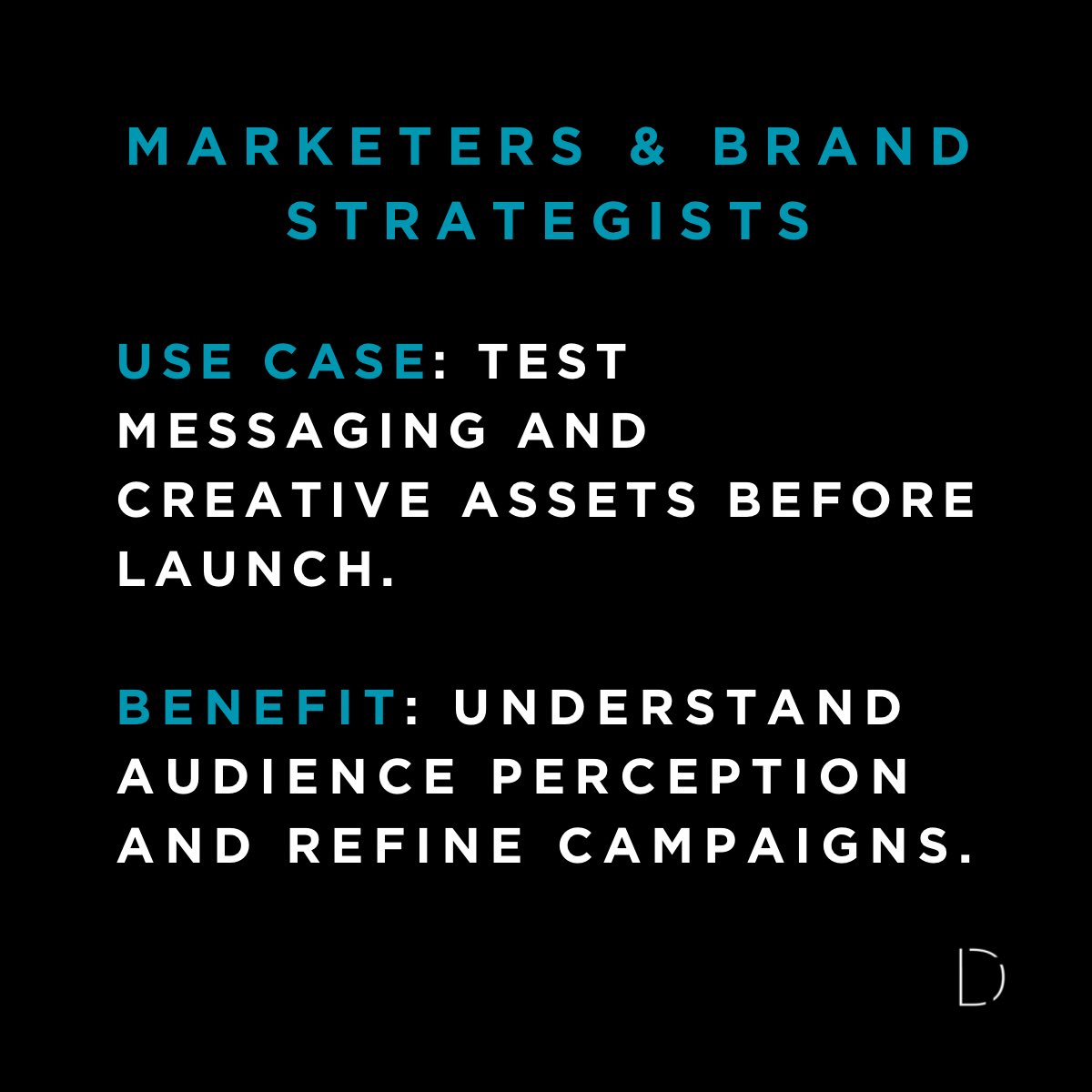
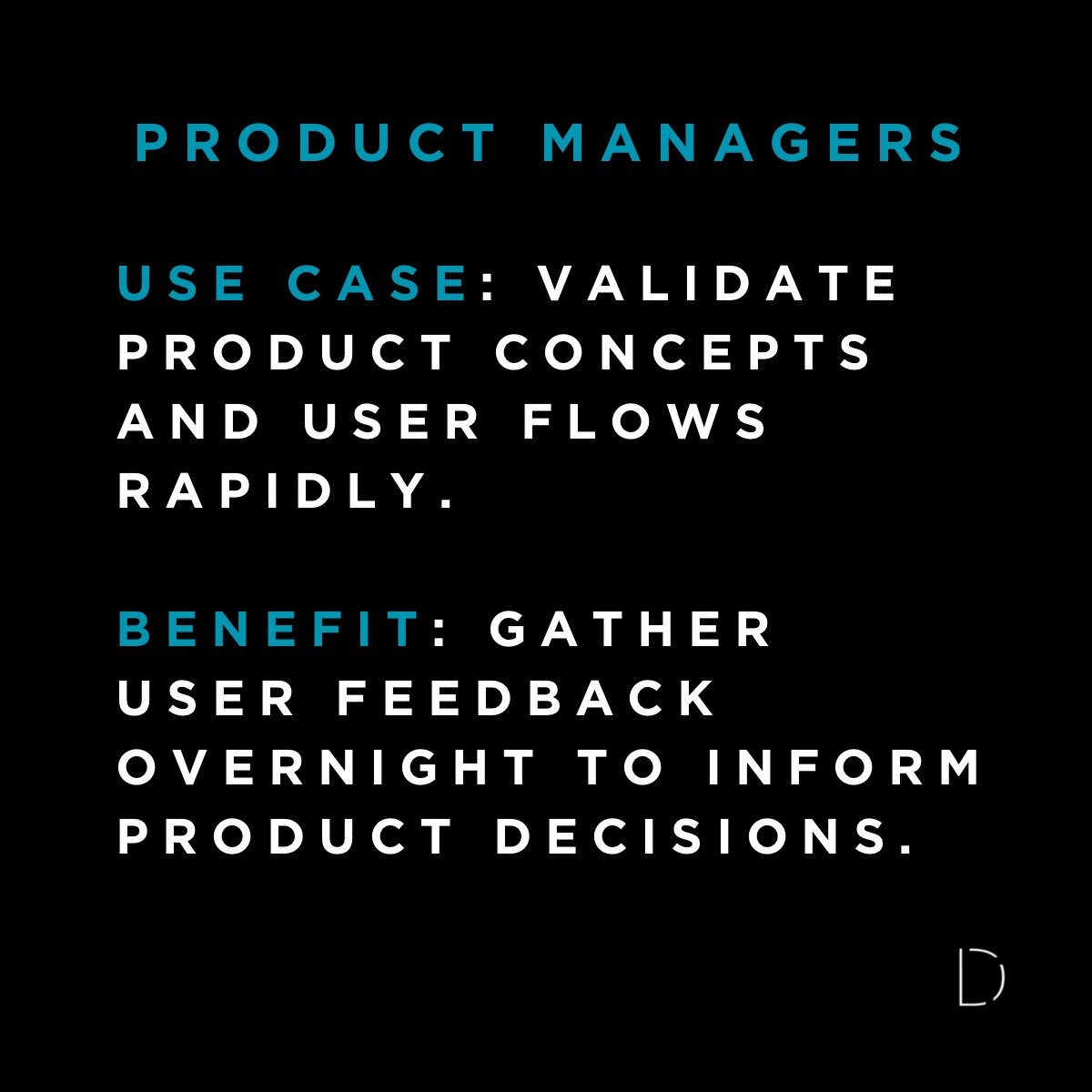
If you’re not using Listen Labs, you’re working harder than you need to.
Founders. PMs. Researchers. Marketers.
AI research is here. And it’s fast.
Who should use Listen Labs? You.
…and relevance—but it can’t replace a strategy that accounts for local competitors, regulation, and market structure.
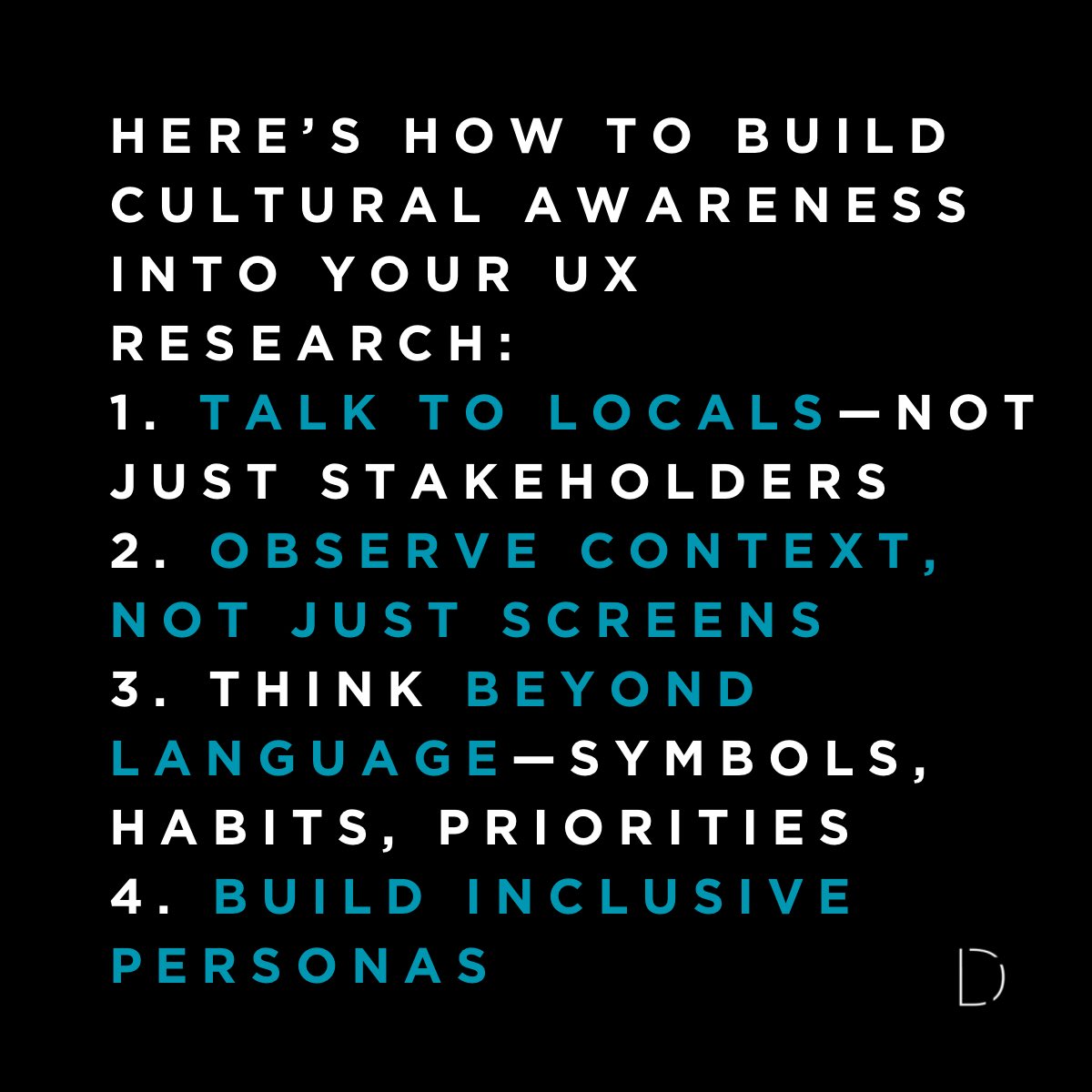
Cross-cultural UX is powerful—but it has to be part of a larger, context-aware business strategy.
#uxr#letstalkuxr
Airbnb did the research. They localized the app, adapted to Chinese preferences, even changed their name.
But in 2022, they pulled out of China.
Was the research a failure?
Not at all.
It teaches us something important:
Cross-cultural research can help you build trust…