Antibiotics like amoxicillin ar only needed if there's fever, facial swelling, or spreading infection. The definitive solution is usually extracting the wisdom tooth once d acute phase settles.
If u have wisdom tooth pain, don't ignore it — see ur dentist early b4 it gets worse.
Pericoronitis is the inflammation of the gum flap, or "operculum," that covers a partially erupted wisdom tooth, most often the lower third molar. It happens when food and bacteria get trapped underneath, causing pain, swelling, bad breath, and sometimes pus.
Severe cases can lead to trismus (jaw locking), fever, or difficulty swallowing. Treatment for mild cases includes rinsing with saltwater or chlorhexidine, cleaning the area, and painkillers.
“God makes everything beautiful in His time.”
There’s a season for every moment, a purpose for every phase, & a divine timing dat never fails. Even when life feels uncertain or delayed, trust dat God is working behind the scenes—aligning, preparing, & perfecting all things.
Because the trigeminal nerve has three interconnected branches a problem in a lower molar can sometimes feel like a headache or an earache.
This is called referred pain, where the brain struggles to pinpoint which branch the signal is coming from.
#dentalpain#referredpain
Referred pain is a phenomenon where you feel pain in a part of your body other than the actual source of the injury or stimulus.
This happens because multiple sensory nerves from different areas of the body converge on the same pathway in the spinal cord or brainstem.
When baby teeth are lost too early due to cavities or injury, it can lead to crooked or crowded teeth, delayed tooth eruption, and jaw growth problems. Protecting baby teeth today helps children enjoy healthy, confident smiles tomorrow.
A child’s jaw actually contains two sets of teeth at the same time — long before the first baby tooth falls out. Adult teeth are already forming beneath each baby tooth, carefully positioned for the future. This makes baby teeth crucial, not just temporary placeholders.
Baby teeth play an important role in guiding jaw and facial growth, maintaining space for adult teeth, supporting clear speech development, and ensuring adult teeth come in correctly. Their health directly impacts the alignment and function of permanent teeth.
Parents should observe their child’s thumb-sucking habits and consult a pediatric dentist if it continues past early childhood.
Early intervention can prevent potential bite problems, jaw misalignment, or airway issues, supporting healthier growth and development.
Around 70% of children suck dia thumb @ some point, and y it’s often sn as a harmless reflex, prolongd habits can subtly influence facial & dental developmnt. Beyond d toddler yrs, persistent thumb sucking can reshape how teeth align, how d jaw grows, and even how d airway fxns.
Children may suck their thumb for comfort, to relax, or to help them fall asleep. In some cases, it’s linked to breathing the thumb naturally shifts the jaw and tongue forward, making airflow easier. Over time, this repeated motion can alter bite patterns and facial structure.
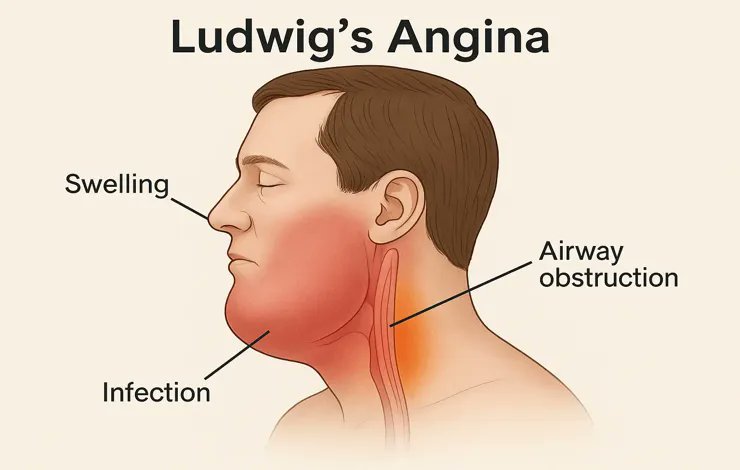
Severe dental infections can also lead to facial or neck swelling,(Ludwig angina)difficulty breathing or swallowing, high fever, or confusion. Early dental care is crucial to prevent these complications. Always consult a licensed dentist or healthcare provider for guidance.
A simple cavity might seem minor, but ignoring it can trigger serious health complications. When decay reaches the tooth’s inner pulp, bacteria can form a tooth abscess—a painful pocket of infection that damages nerves and jawbone.
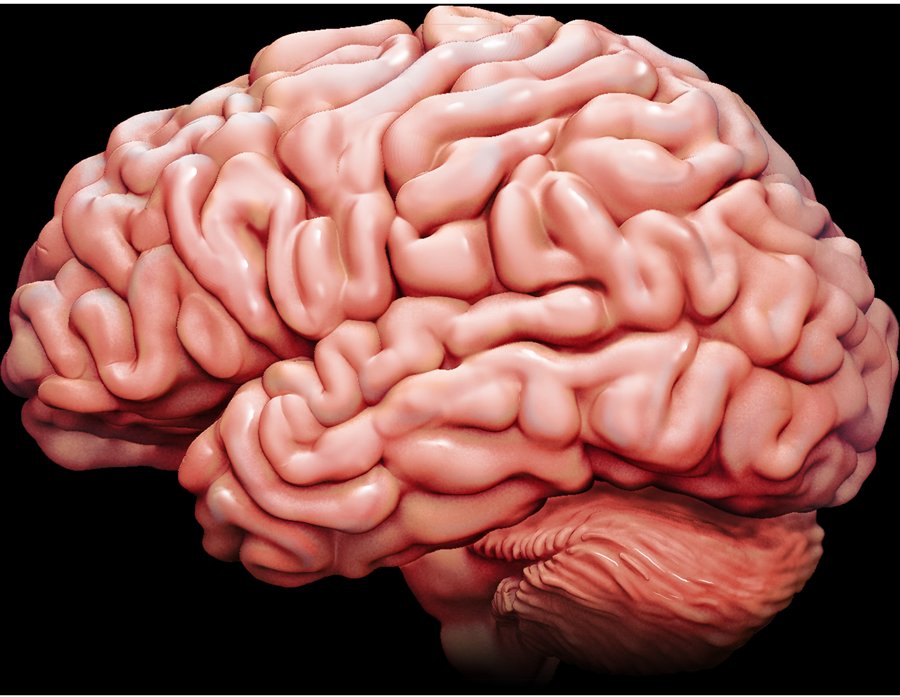
If left untreated, these bacteria can travel beyond the mouth. Infections may enter the bloodstream, potentially affecting the brain or other organs, causing widespread inflammation and systemic health risks.
Parents should observe their child’s thumb-sucking habits and consult a pediatric dentist if it continues past early childhood.
Early intervention can prevent potential bite problems, jaw misalignment, or airway issues, supporting healthier growth and development.
Around 70% of children suck dia thumb @ some point, and y it’s often seen as a harmless reflex, prolongd habits can subtly influence facial & dental development. Beyond d toddler yrs, persistent thumb suckin can reshape how teeth align, how d jaw grows, and even how d airway fxns
Children may suck their thumb for comfort, to relax, or to help them fall asleep. In some cases, it’s linked to breathing the thumb naturally shifts the jaw and tongue forward, making airflow easier. Over time, this repeated motion can alter bite patterns and facial structure.
Prioritizing oral and nutritional care during pregnancy lays the foundation for lifelong dental health. Strong teeth, healthy gums, and proper jaw development begin well before a baby’s first smile.
(Source: American Academy of Pediatrics)
A baby’s dental journey begins long before birth. Around the sixth week of pregnancy, tiny tooth buds start forming deep in the jaw, eventually developing into the milk teeth that typically appear between six to twelve months after birth.