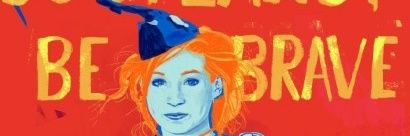
Former first minister of Scotland Nicola Sturgeon has recalled the advice she was given by former first lady Hillary Clinton in facing the expectation that women leaders “carry the can for the behaviour of a man”.
https://t.co/ksA9mLLGyZ
The SNP raised income tax on Scotland's higher earners.
The (inevitable) result was that it did NOT raises more money for public services.
In fact, it REDUCED tax revenues by £22m.
❓QUESTION: Are SNP politicians stupid, spiteful or both?
Robin McAlpine
"I want to make this as clear as I can – Fiona is making big sacrifices to stand up to the injustice of Scotland’s ruling elite and they are determined to defeat her. She is not standing up for herself, she is standing up for your right to live in a country that vaguely sounds like a democracy. I urge you to show her your support."
https://t.co/uUNWktGuQE
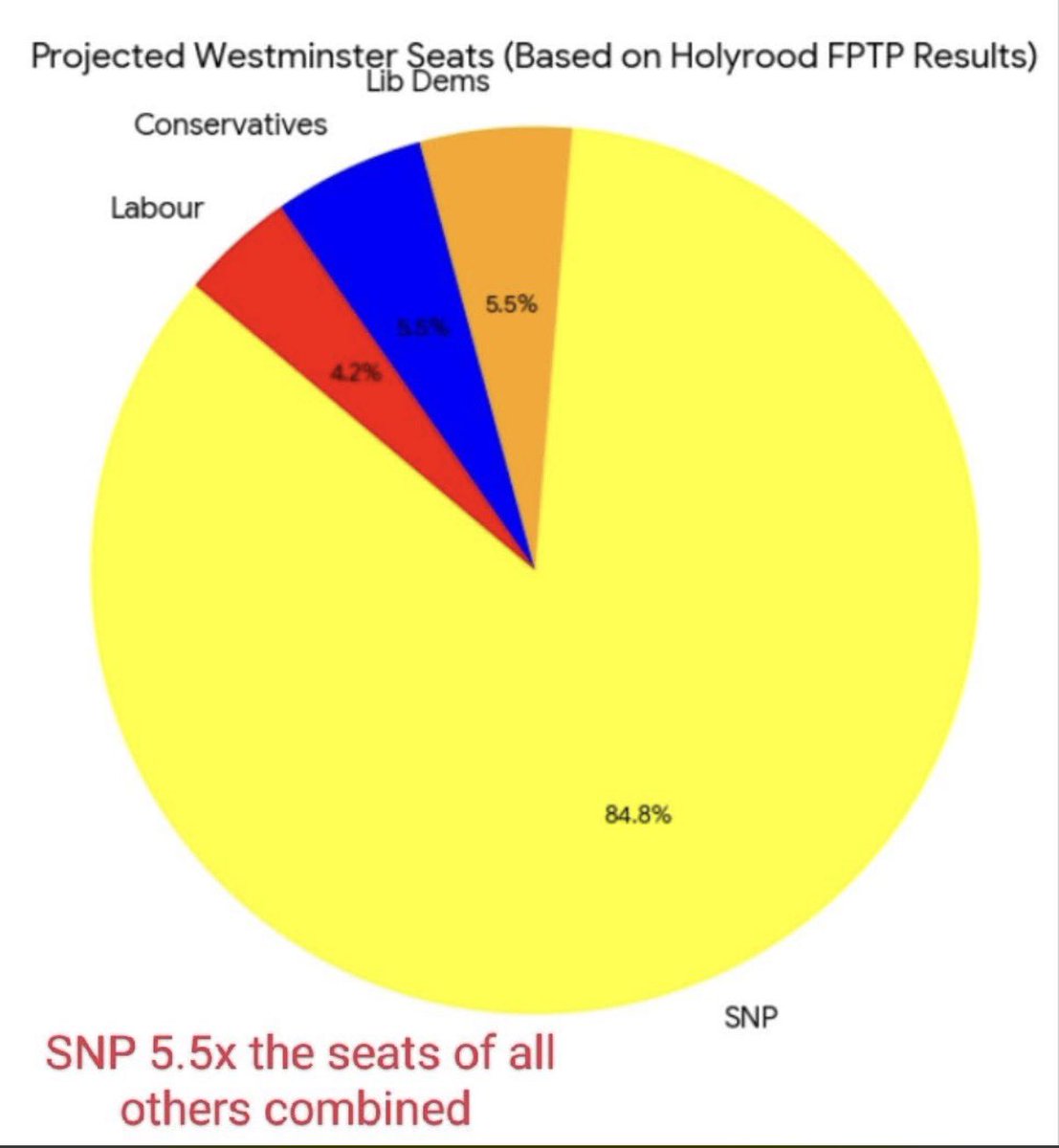
The next time a unionist tells you Scotland doesn't have a mandate for independence show them this graphic. This is holyrood if we used Westminster's voting system. The biggest mandate anywhere in the uk would have ever seen!!!
Yes, it is. The disappearance of the working-class voice from Scottish politics is not a footnote. It is THE headline. A young Scottish man today is three times more likely to die early than his counterpart in England, Spain, or Italy. The causes are not mysterious: drugs, suicide, cancer. The fallout of poverty, neglect, family breakdown, and political inertia. Scotland is now the only developed country where mortality among men aged 25 to 44 is rising. Life expectancy in parts of Calton sits closer to post-Soviet mining towns than to a modern Western European city. The kind of statistic you expect to find in a World Health Organisation briefing on social collapse, not in a nation that endlessly describes itself as compassionate and progressive.
And nowhere is this failure more visible than in our prisons. Young men face staggering levels of despair, with suicide attempts at terrifying rates. Yet we continue spending almost as much incarcerating people for a year as it would cost to provide meaningful residential rehabilitation and recovery support. When over 70% of crimes are committed either under the influence of substances or driven by addiction itself, does it not make more moral, social and economic sense to invest seriously in recovery rather than endlessly recycling damaged people through systems of containment?
We were promised that devolution would bring power closer to the people. But for those I know, in addiction, in recovery, in poverty, in communities where hope itself feels rationed, Holyrood has often felt further away than ever.
Yes, we have improved representation in some important areas, sex and ethnic diversity, and that matters. But let’s be honest enough to admit the Parliament increasingly looks more like Scotland while sounding less like Scotland.
The accents of managerial politics have replaced the voices of ordinary working people. The language is polished, therapeutic, procedural, endlessly consultative, yet somehow emotionally weightless.
Politics has become a performance of compassion rather than the hard, costly business of practising it.
As @PaulEmbery put it: “Britain isn’t experiencing social turmoil because of ‘far-right’ beliefs; it is doing so because of luxury beliefs, held by unrepresentative elites who govern our institutions. If you don’t understand that, you don’t understand anything.”
And who, precisely, is carrying the burden of this failure? Not the professional classes. Not the comfortable managerial elite. The poor. The working class. The forgotten communities whose children die younger, whose streets decay faster, and whose voices are heard least.
Yet policy is still too often written about them rather than with them. Consultations become curated exercises in institutional self-reassurance: polished, centralised, filtered through anaemic, on-message voices carefully selected not to disrupt the consensus. Not real representation. Not real experience. Just management.
https://t.co/XZrkIFQBWQ
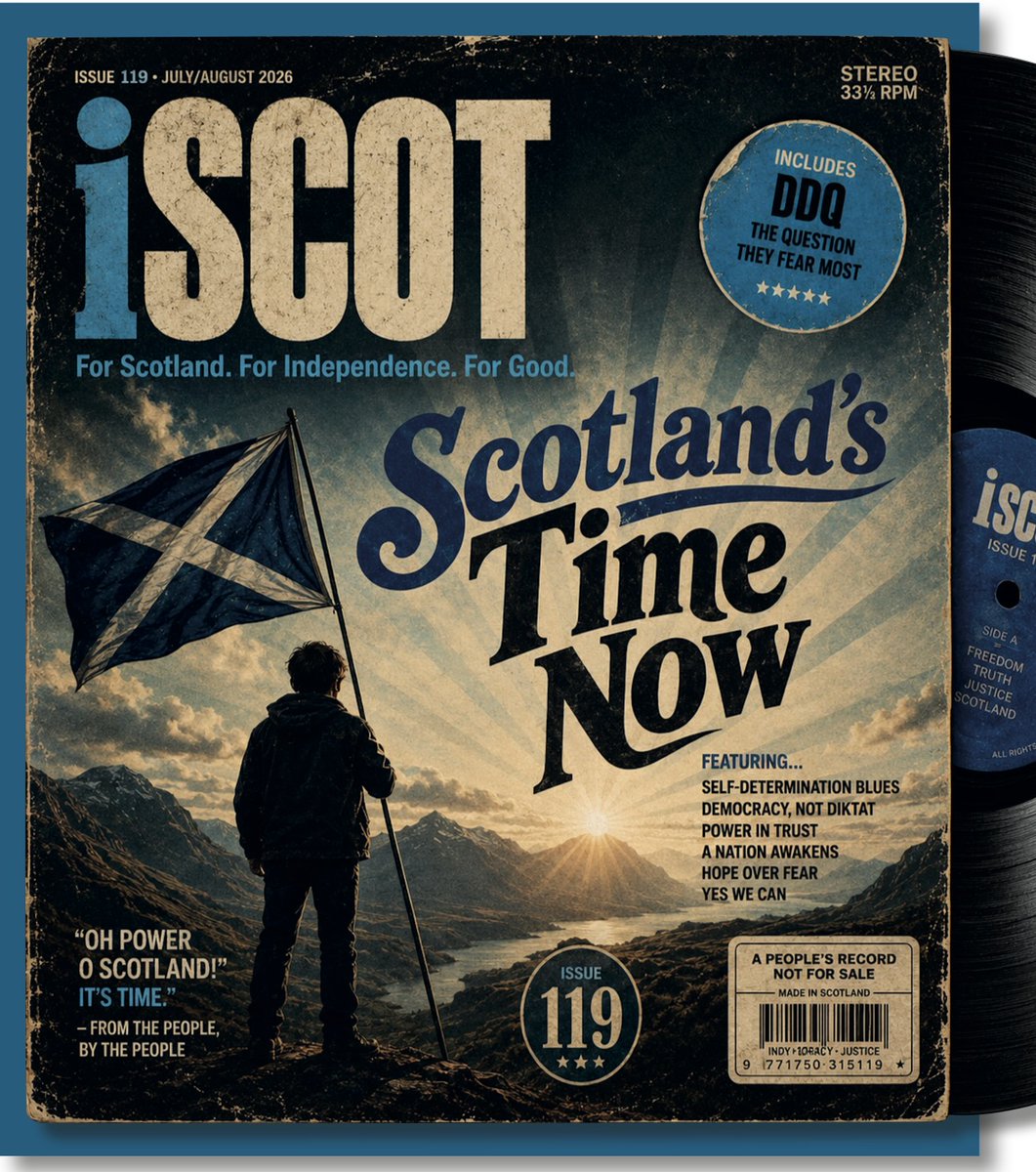
We’re raising funds to strengthen iScot, modernise what we do and bring Scotland’s independence case to a wider audience.
If you can help in any small way, we would be enormously grateful.
If you're able, a donation or simply a repost makes a big difference to us.
https://t.co/oet4N1dYmb
Credit where it's due. At least Stan Grodynski is rather more eloquent than your run-of-the-mill #WheeshtForIndy SNP apologist. Although there are occasions when that eloquence shades into mealymouthedness. To characterise Peter Murrell's larcenous conduct as "reckless personal spending of SNP funds" is a bit of Olympics-grade turd-polishing.
Stan's plea that we all set aside our sense of justice and "move on" from the past SNP leadership lest we cause the current SNP leadership some discomfort might make more sense if the current leadership were not quite so indistinguishable from the past leadership. It is difficult to see a way to move on from the Sturgeon era when we are still living in it. Few people are more at home dwelling in the past than John Swinney. Or has Stan forgotten the rewind-and-replay 'independence strategy' with which his dear leader sought to impress us in the recent election campaign?
Stan himself is living in the past. He appears to have taken up residence in a time when the SNP was synonymous with Scotland's cause. He writes of the current SNP hierarchy "achieving our common goal within the next five years" as if that were a possibility. It isn't. And it is not those who criticise the SNP who are holding back Scotland's cause. Stan says we must deny the SNP hierarchy excuses for not pursuing independence while insisting we all should excuse them for not pursuing independence.
I would dearly love to consign Nicola Sturgeon to an ignominious footnote in history. I'm not the one cherishing and preserving her legacy of rancour and distrust. Stan should look closer to home for the culprits.
https://t.co/YnSJO15eUB #ScottishUDI #EndTheUnion
UPDATE: The UK Government has failed to provide the aerial water‑bombing support requested by Scottish ministers to tackle the Cairngorms wildfire
The Scotland Office instead offered military support including Chinook helicopters and army personnel
They gave away #ScotWind for pennies when it could’ve been transformational. And yet again more investment linked to the field is to bypass Scotland.
This SNP government is not on Scotland’s side, and hasn’t been since November 2015.
Woeful, incompetent, deliberate.
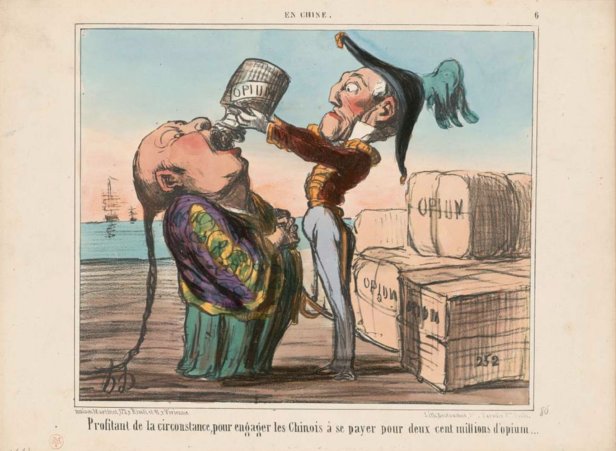
Au XIXe siècle, la reine Victoria ne dirigeait pas seulement un empire : elle était à la tête du plus puissant cartel de la drogue de la planète.
Oubliez les bonnes manières et l'élégance du thé de cinq heures. Tout commence par un problème de comptabilité.
Dans les années 1830, Londres a un déficit commercial abyssal avec la Chine. Les Britanniques importent des quantités astronomiques de thé, de soie et de porcelaine.
Mais l'empereur chinois Daoguang méprise les marchandises anglaises. Il n'accepte qu'un seul moyen de paiement : l'argent pur.
La Grande-Bretagne se vide littéralement de ses métaux précieux. Pour sauver la balance commerciale, des marchands britanniques mettent au point une stratégie machiavélique.
À leur tête, William Jardine. Un respectable homme d'affaires écossais, mais surtout le premier grand baron de la drogue de l'Histoire moderne.
Si les Chinois ne veulent rien acheter, Jardine et la Compagnie des Indes vont leur vendre un produit dont ils ne pourront plus se passer.
Le plan est d'un cynisme absolu et fonctionne à la perfection. On inonde le pays d'opium.
Des millions de Chinois deviennent toxicomanes. Le flux financier s'inverse. L'argent pur quitte la Chine pour remplir les coffres de Londres.
La faillite britannique est évitée grâce à un trafic de stupéfiants d'État.
Mais en 1839, l'empereur Daoguang décide d'arrêter le massacre. Il envoie à Canton un haut fonctionnaire totalement incorruptible : Lin Zexu.
Lin Zexu ne négocie pas avec les cartels. Il fait encercler les entrepôts étrangers et détruit plus de 1 000 tonnes d'opium de contrebande sur la plage.
En temps normal, c'est une simple saisie douanière.
Mais William Jardine rentre à Londres et va murmurer à l'oreille du ministre des Affaires étrangères, Lord Palmerston.
Quand le chef du cartel finance les campagnes politiques et possède la Royal Navy, la saisie devient un casus belli. Lord Palmerston déclare la guerre à la Chine.
Pas pour défendre le droit international. Pour protéger les marges de ses trafiquants.
Les navires de guerre de Sa Majesté bombardent les côtes et massacrent les défenses chinoises avec une brutalité inouïe. La Chine capitule.
Le traité de paix qui suit est un pur contrat d'extorsion.
La Chine est forcée de rembourser au centime près la valeur de la drogue détruite, d'ouvrir ses ports et de céder une petite île pour faciliter la logistique des contrebandiers : Hong Kong.
Dans les livres d'Histoire, on appelle pudiquement cela l'ouverture au libre-échange.
La réalité est beaucoup plus crue.
Une nation souveraine a été mise à feu et à sang par le gouvernement de la reine Victoria, prêt à tout pour écouler sa came et sauver son économie.
Au XIXe siècle, la reine Victoria ne dirigeait pas seulement un empire : elle était à la tête du plus puissant cartel de la drogue de la planète.
Oubliez les bonnes manières et l'élégance du thé de cinq heures. Tout commence par un problème de comptabilité.
Dans les années 1830, Londres a un déficit commercial abyssal avec la Chine. Les Britanniques importent des quantités astronomiques de thé, de soie et de porcelaine.
Mais l'empereur chinois Daoguang méprise les marchandises anglaises. Il n'accepte qu'un seul moyen de paiement : l'argent pur.
La Grande-Bretagne se vide littéralement de ses métaux précieux. Pour sauver la balance commerciale, des marchands britanniques mettent au point une stratégie machiavélique.
À leur tête, William Jardine. Un respectable homme d'affaires écossais, mais surtout le premier grand baron de la drogue de l'Histoire moderne.
Si les Chinois ne veulent rien acheter, Jardine et la Compagnie des Indes vont leur vendre un produit dont ils ne pourront plus se passer.
Le plan est d'un cynisme absolu et fonctionne à la perfection. On inonde le pays d'opium.
Des millions de Chinois deviennent toxicomanes. Le flux financier s'inverse. L'argent pur quitte la Chine pour remplir les coffres de Londres.
La faillite britannique est évitée grâce à un trafic de stupéfiants d'État.
Mais en 1839, l'empereur Daoguang décide d'arrêter le massacre. Il envoie à Canton un haut fonctionnaire totalement incorruptible : Lin Zexu.
Lin Zexu ne négocie pas avec les cartels. Il fait encercler les entrepôts étrangers et détruit plus de 1 000 tonnes d'opium de contrebande sur la plage.
En temps normal, c'est une simple saisie douanière.
Mais William Jardine rentre à Londres et va murmurer à l'oreille du ministre des Affaires étrangères, Lord Palmerston.
Quand le chef du cartel finance les campagnes politiques et possède la Royal Navy, la saisie devient un casus belli. Lord Palmerston déclare la guerre à la Chine.
Pas pour défendre le droit international. Pour protéger les marges de ses trafiquants.
Les navires de guerre de Sa Majesté bombardent les côtes et massacrent les défenses chinoises avec une brutalité inouïe. La Chine capitule.
Le traité de paix qui suit est un pur contrat d'extorsion.
La Chine est forcée de rembourser au centime près la valeur de la drogue détruite, d'ouvrir ses ports et de céder une petite île pour faciliter la logistique des contrebandiers : Hong Kong.
Dans les livres d'Histoire, on appelle pudiquement cela l'ouverture au libre-échange.
La réalité est beaucoup plus crue.
Une nation souveraine a été mise à feu et à sang par le gouvernement de la reine Victoria, prêt à tout pour écouler sa came et sauver son économie.
Wee Dougie Alexander accuses the SNP of starving Scotland’s councils while ignoring the £545m they pay annually under PFI/PPP contracts—many imposed during Labour’s private-finance era. That's equivalent to 84% of the councils’ combined £647m funding gap.
Labour helped mortgage their future, then blamed the SNP for the repayments burden. The BBC omits to explain this - creating an obligatory SNP Baaaad pitch.
Scotland needs to have an honest open discussion about 'muscular unionism'.
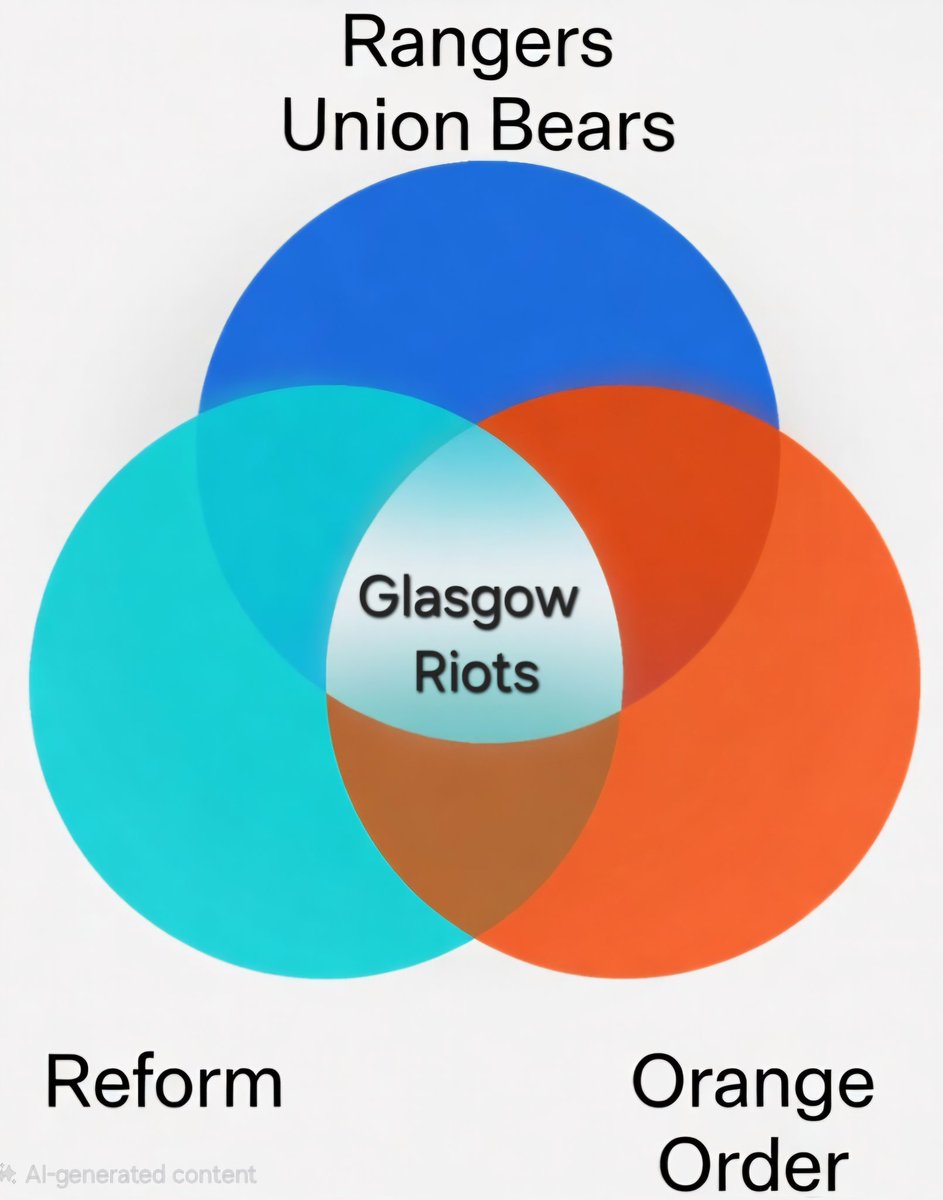
Scots now face a huge threat from extreme British Unionism. Over the last decade it has grown & become more organised, threatening & violent. Indications are that it is aided & abetted by dark money from Ulster. All with a wink or a blind eye from the sympathetic unionist political parties (all of them), Ibrox, Orange Order & security services.
The recent Glasgow Riots & Edinburgh anti-Muslim attack are the result. The way they have been reported (or not) is also an indication of the institutional complicity of our mainstream media.
Unless halted, worse is to come.
Great. The fact that the UK has had seven Prime Ministers in the past ten years has now made it onto a popular American talk show, where we’re being made a mockery of 🫠. Scotland has shown more stable leadership in comparison with three First Ministers in 10 years.