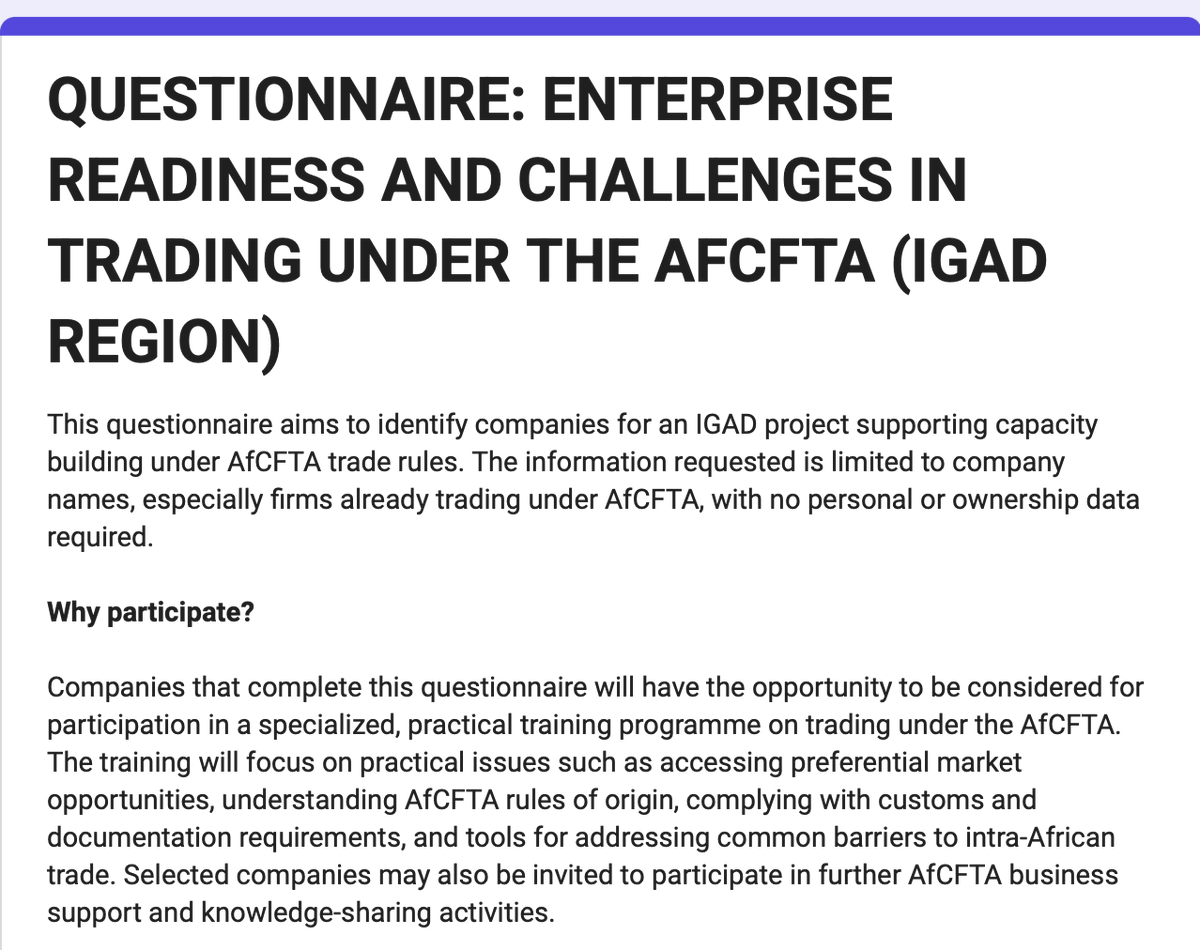
QUESTIONNAIRE on ENTERPRISE READINESS to the AFCFTA (IGAD REGION)Why participate? Companies that complete this questionnaire will have the opportunity to be considered for participation in a training programme on trading under the AfCFTA:https://t.co/rrnA3hgdfn
Historically, regional integration processes have followed a linear hierarchical logic: create supranational institutions, sign trade agreements, remove tariffs and then integration will happen. This article argues that this logic does not apply to Africa: https://t.co/4zlVhtvQ9H
Intra-African trade remains one of the continent's greatest opportunities for economic growth. Yet despite the progress made through the African Continental Free Trade Area (AfCFTA), many manufacturers continue to face barriers that limit the full benefits of regional trade.
Kenya has been at the forefront of championing the implementation of AfCFTA, with more than 400 consignments traded under the preferential agreement. The country has successfully exported products including clean cooking stoves, tea, coffee, vehicle batteries, electric bicycles, textiles, steel, plastic products, confectionery, and biscuits, demonstrating the potential for Kenyan manufacturers to access new markets across the continent.
Even so, there is significant room for growth. Currently, trade under AfCFTA accounts for 11% of Kenya's intra-African trade, compared to 15% within the East African Community (EAC) and 13% within COMESA. This underscores the important role that Regional Economic Communities (RECs) continue to play as the building blocks of continental integration, with trade within the East African region remaining stronger than Kenya's trade with other parts of Africa.
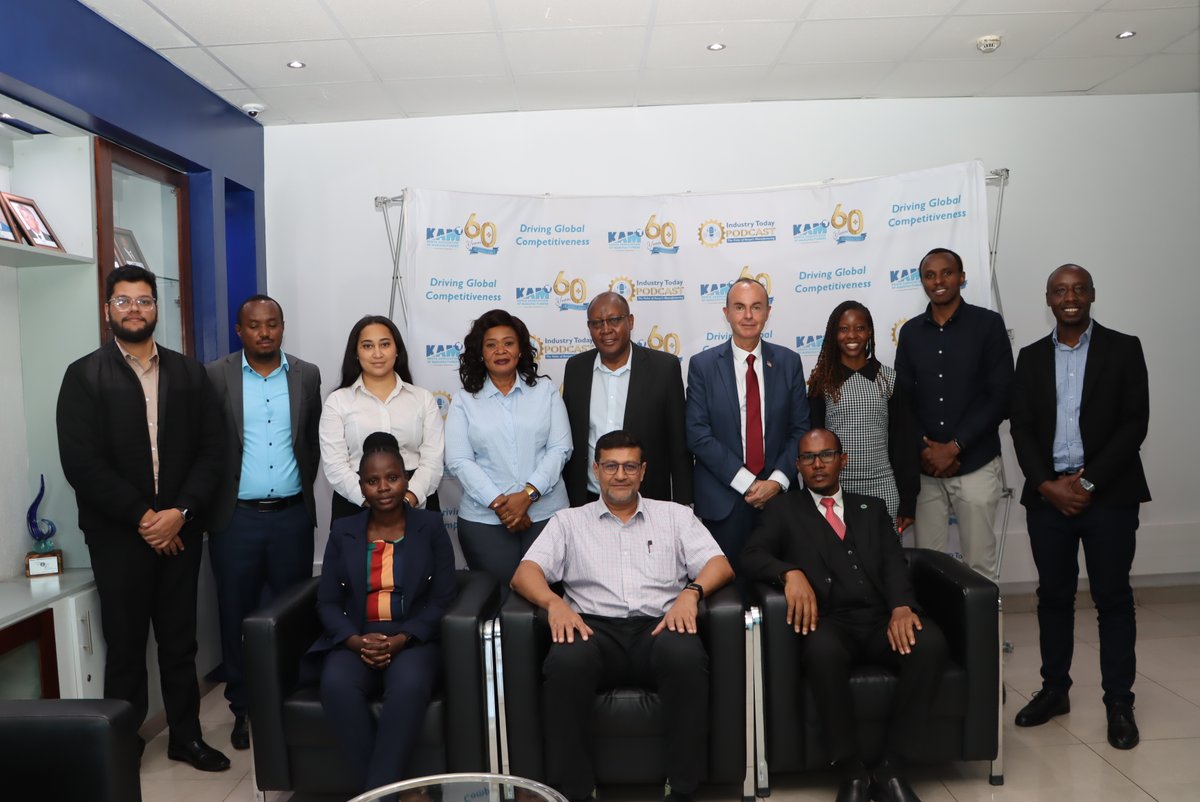
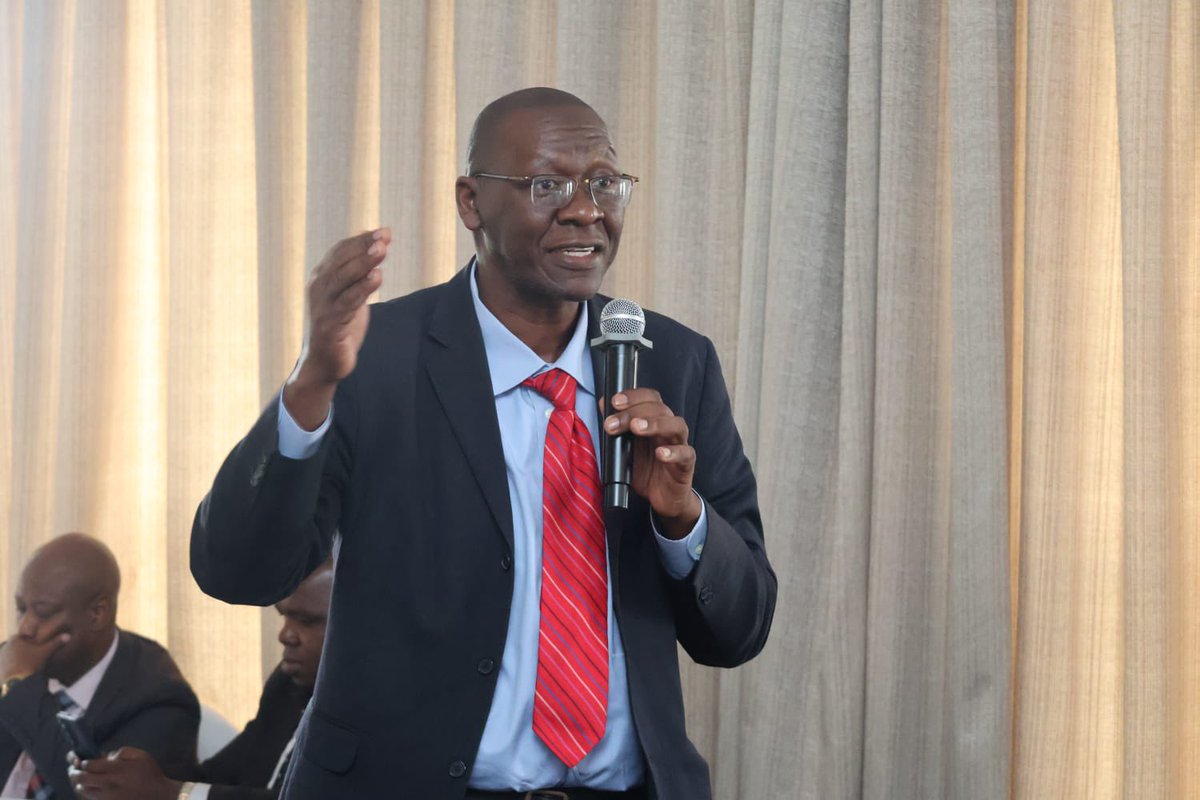
Today, the Kenya Association of Manufacturers (KAM) today hosted a delegation comprising of Ismael Guyo, Head of Trade and Industry at the Intergovernmental Authority on Development (@IGADsecretariat ), Andrew Mold, Director at the United Nations Economic Commission for Africa (@ECA_OFFICIAL ), with Board Director Ashit Shah among the KAM officials in attendance for a consultative session on the private sector's experience with intra-African trade and the implementation of the African Continental Free Trade Area (AfCFTA).
The discussions highlighted the gap between policy and implementation. While regional trade agreements provide a strong framework for market integration, manufacturers continue to face non-tariff barriers, logistical constraints, limited access to market information, complex documentation requirements, and other cross-border trade challenges that increase the cost and complexity of doing business across the region.
The engagement provided KAM members with a valuable platform to share their firsthand experiences with policymakers and regional institutions driving Africa's trade agenda. The dialogue underscored the need for practical, coordinated solutions to address implementation of bottlenecks and ensure that AfCFTA and other regional trade frameworks deliver tangible benefits for businesses.
The meeting also reaffirmed the importance of sustained collaboration between governments, regional institutions, and the private sector to strengthen regional value chains, improve the ease of cross-border trade, and unlock the full potential of intra-African commerce.
#KAMAdvocacy
Kenya National Trade Consultation Marks Final In-Country Mission Ahead of Regional Validation
The Horn of Africa Initiative (HoAI) successfully convened the Kenya National Trade Consultation, the final in-country trade mission in a series of national consultations conducted across Somalia, Djibouti, Ethiopia, South Sudan, and Kenya in preparation for the upcoming HoAI Trade Ministers' Meeting scheduled for September in Addis Ababa.
The consultation was officially opened through virtual remarks delivered on behalf of the Chair of the Horn of Africa Initiative, H.E. @BihiEgeh, Minister of Finance of the Federal Republic of Somalia, by the Head of Secretariat Mr. @LibanObsiye reaffirming the collective commitment of HoAI member countries to advancing regional trade facilitation and economic integration.
The mission brought together representatives from government institutions and representatives from the private sector to identify priority actions for strengthening the region's trade facilitation agenda. Discussions focused on enhancing policy and regulatory cooperation, reducing barriers to trade, and improving regional connectivity to support increased intra regional trade.
The outcomes of the national consultations will be consolidated during the forthcoming Regional Validation Workshop before being presented to the HoAI Trade Ministers for consideration and adoption in Addis Ababa.
The HoAI Secretariat expresses its appreciation to the Governments of HoAI countries, the national technical teams, Development Partners, and all stakeholders for their valuable contributions. Special appreciation is extended to Germany for its technical leadership and continued support throughout the consultation process.
Together, HoAI member countries continue to advance practical solutions that promote regional integration, facilitate trade, and foster sustainable economic growth across the Horn of Africa.
@MoF_Somalia@KeTreasury@MoFP_SSD@MoF_Ethiopia@mefidjibouti@worldbankgroup@AfDB_Group@EU_Commission@BMZ_Bund@FCDOGovUK@FreddiFritz
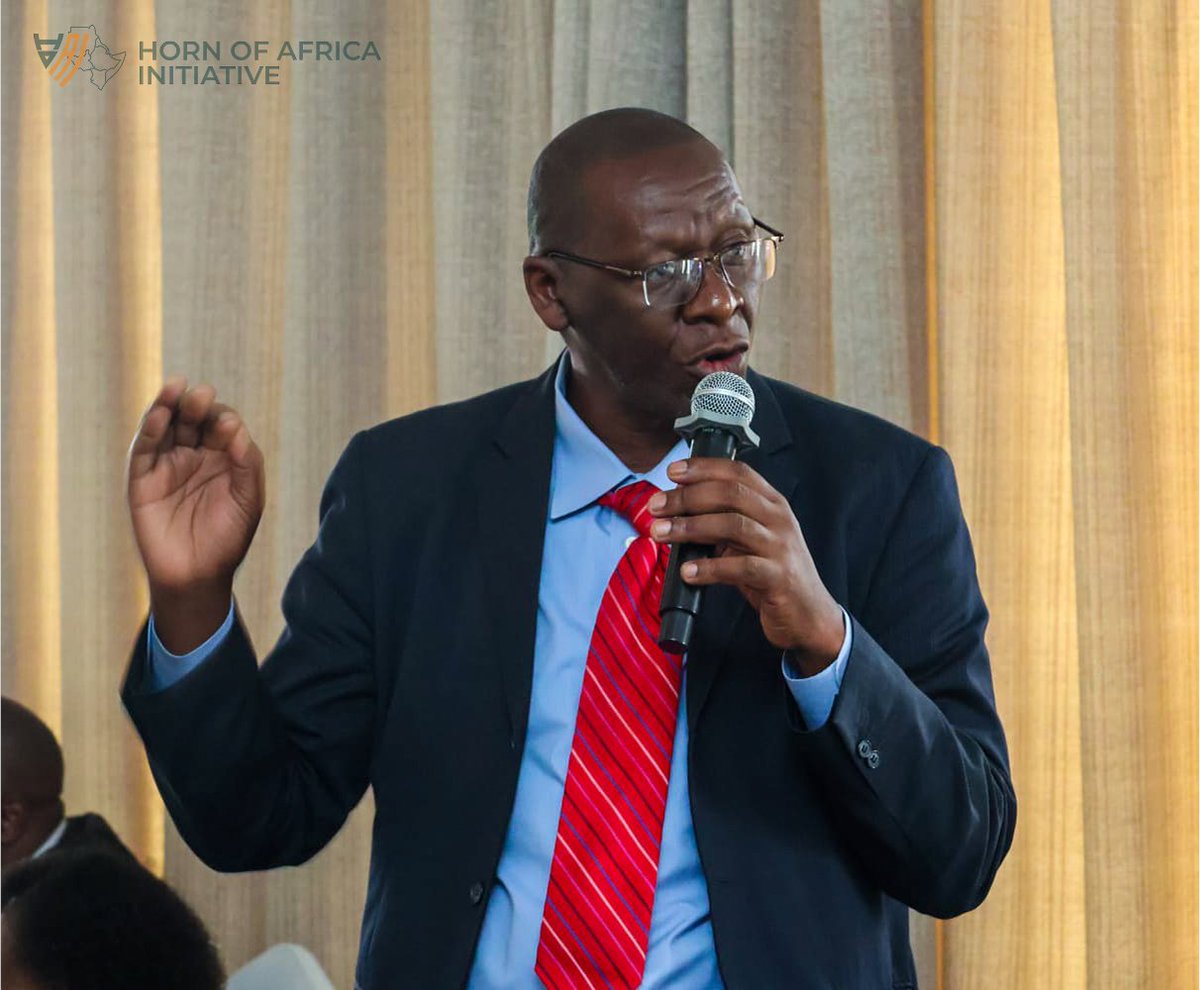
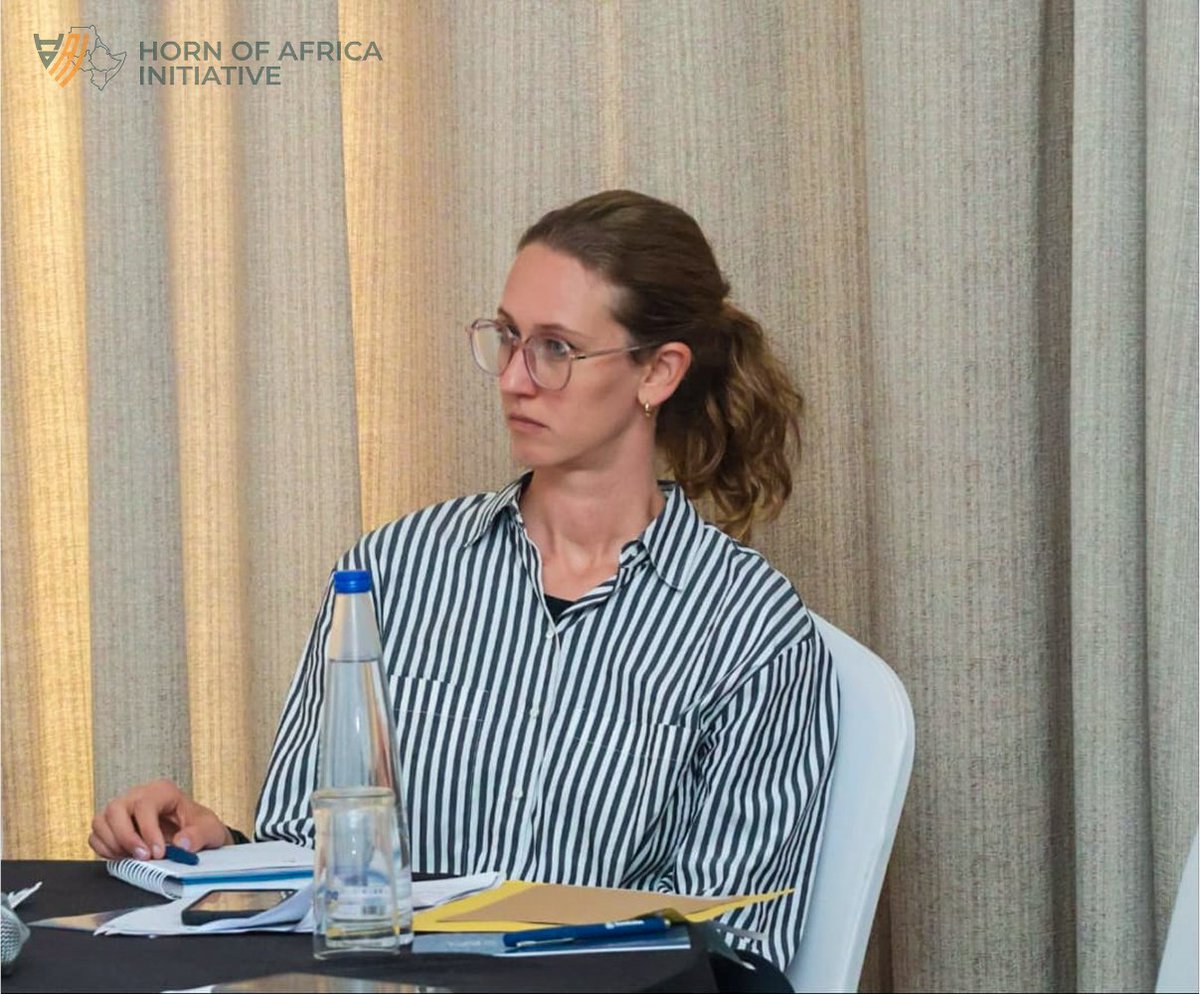
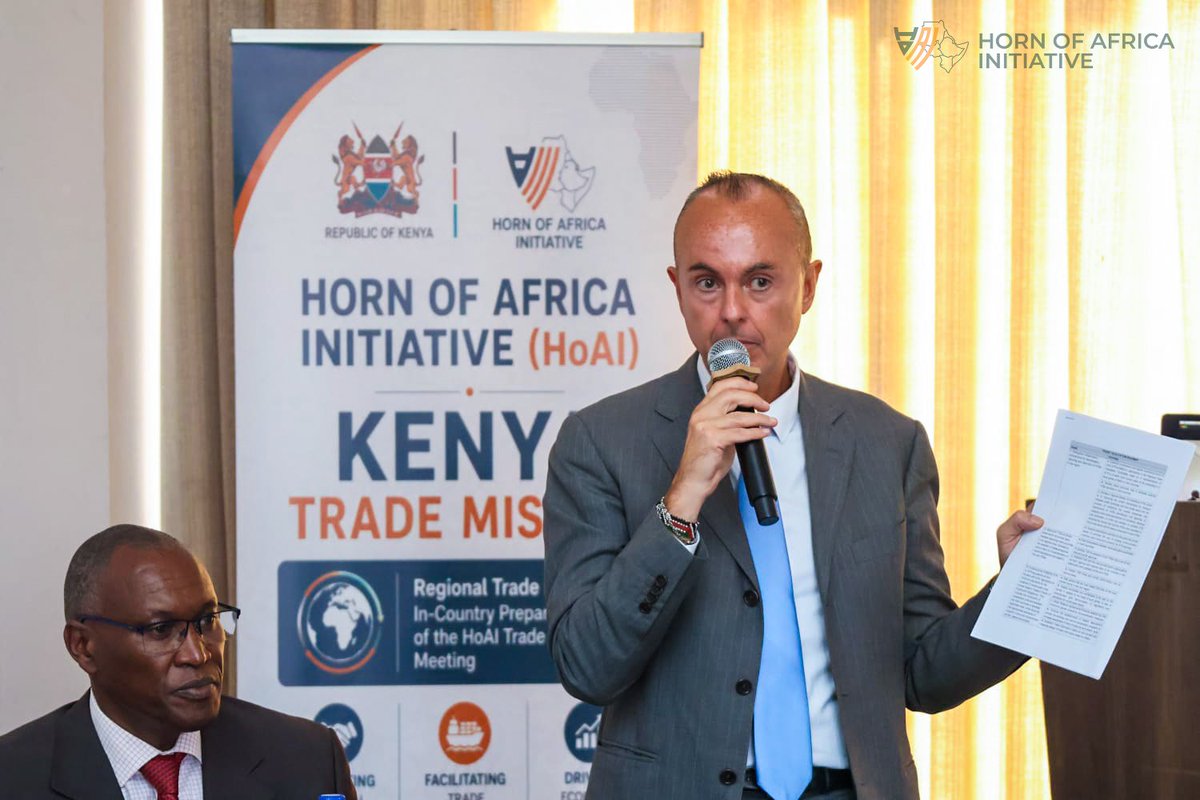
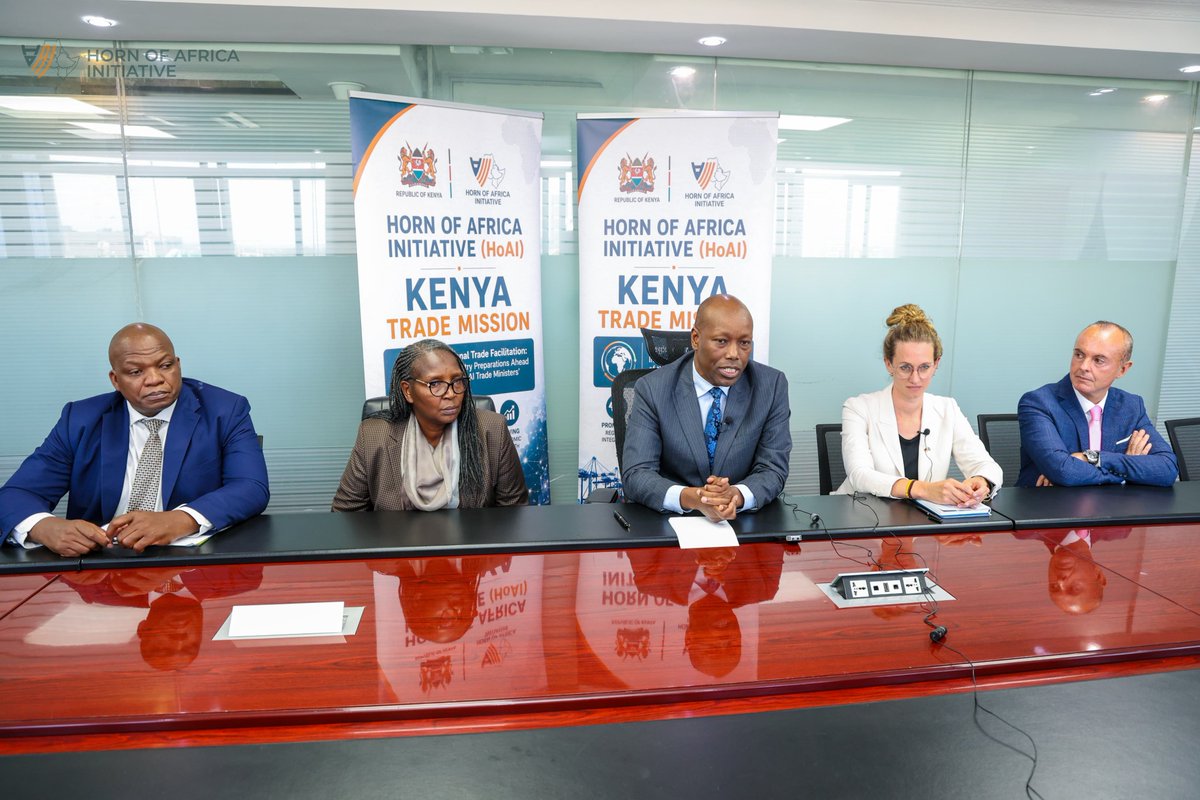
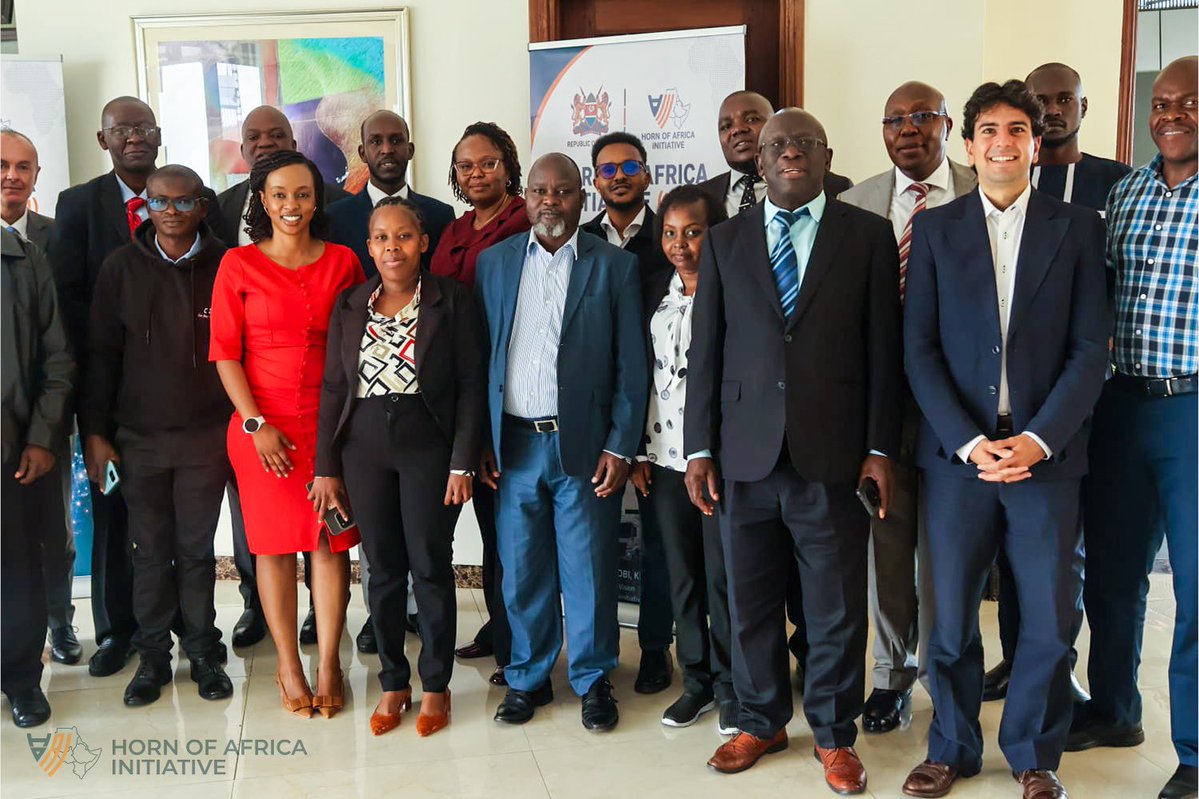
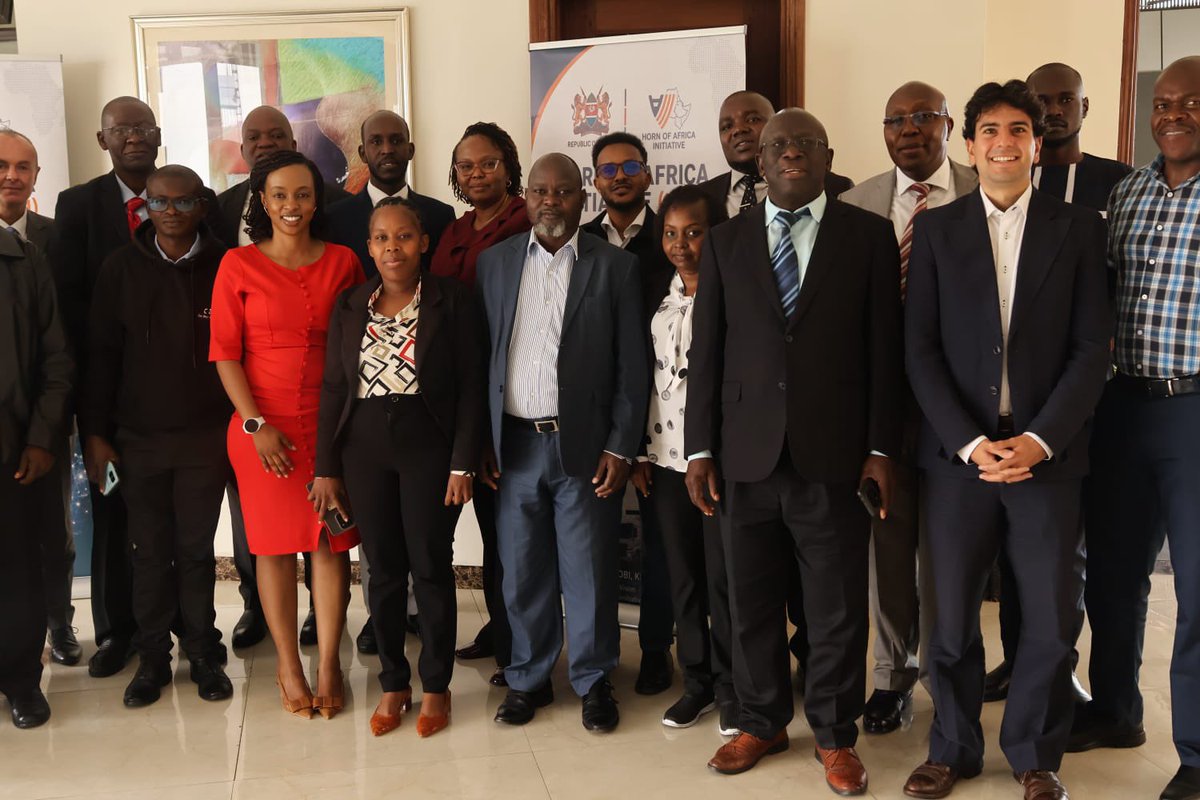
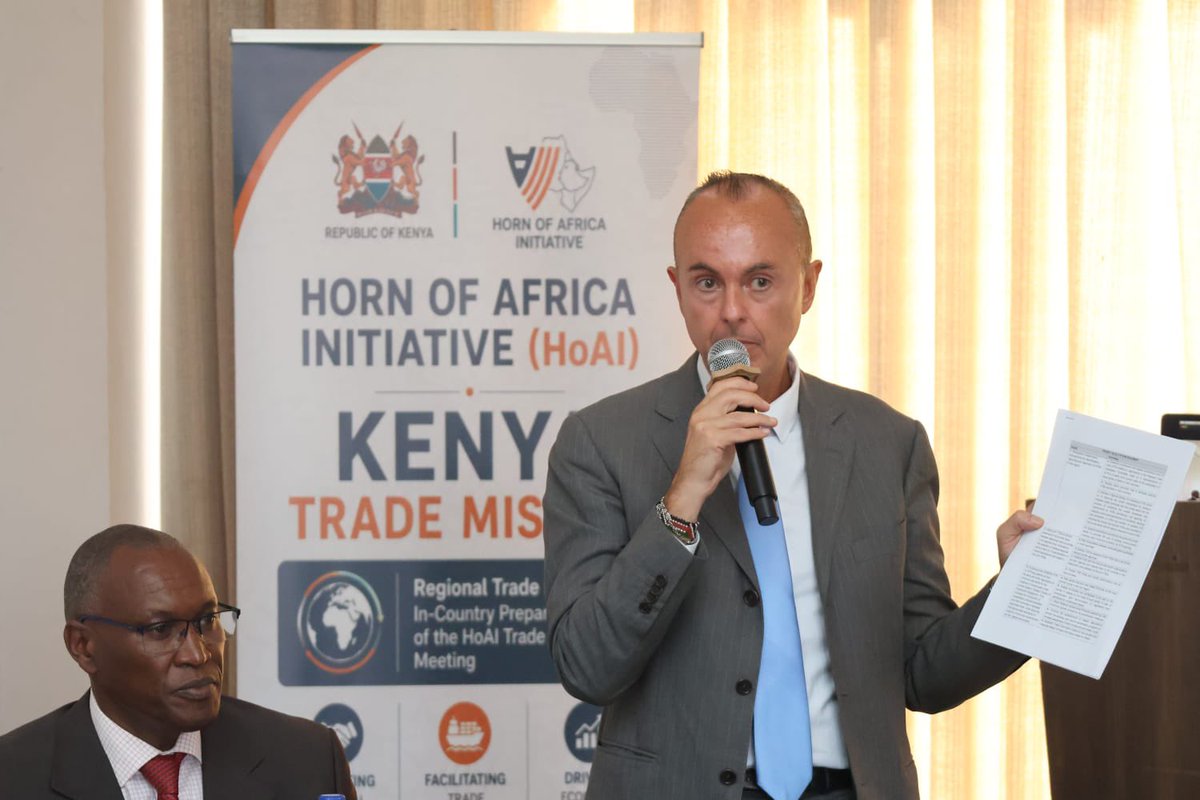
Kenya has concluded the final national trade consultation under the Horn of Africa Initiative (HoAI), bringing together government agencies, the private sector and development partners to validate priority actions aimed at strengthening regional trade facilitation ahead of the Horn of Africa Trade Ministers’ Meeting scheduled for September in Addis Ababa, Ethiopia.
The Kenya National Trade Facilitation Committee (NTFC), meeting in Nairobi, reviewed the Horn of Africa Initiative Trade Facilitation Roadmap, a strategic framework designed to reduce the cost and time of doing business across the region while promoting seamless cross-border trade and deeper regional economic integration.
The Kenya consultation marked the culmination of a series of national trade missions undertaken across Somalia, Djibouti, Ethiopia, South Sudan and Kenya to identify country priorities and build consensus on practical interventions that will enhance regional trade.
The roadmap proposes a series of strategic interventions, including strengthening collaboration mechanisms for the identification, reporting and resolution of non-tariff barriers (NTBs), modernising border posts and establishing dedicated fast-track lanes for compliant traders, perishable goods and priority cargo to facilitate faster clearance of goods.
Other proposed measures include the development of a regional electronic cargo tracking system, an integrated IT-based road management system, stronger regional and bilateral trade agreements and a regional payment system to support faster, secure and more cost-effective cross-border transactions.
National consultation outcomes will be consolidated at the Regional Validation Workshop and presented to HoAI Trade Ministers for consideration and adoption in Addis Ababa.
Kenya has concluded the final national trade consultation under the Horn of Africa Initiative (HoAI), partnering with Somalia, Djibouti, Ethiopia, and South Sudan to streamline cross-border trade. Key proposals to accelerate cargo clearance and lower transaction costs include modernizing border posts with fast-track lanes for priority goods, introducing regional electronic cargo tracking and digital road management systems, strengthening trade agreements, and launching a unified regional payment system. (📷: Trade_Kenya/X)
Day One of the Kenya Trade Mission
As part of preparations for the forthcoming HoAI Trade Ministers' Meeting in Addis Ababa, a meeting was held today with Hon. @GovLeeKinyanjui, Cabinet Secretary for Investments, Trade, and Industry of Kenya, to discuss priorities for advancing regional trade and economic integration.
The meeting, led by the Deputy Head of Development Cooperation of the German Embassy in Nairobi, was attended by representatives from the EU Commission, World Bank, UK Embassy in Nairobi, KfW (Germany Development Bank) and a Horn of Africa Initiative (HoAI) delegation, alongside senior officials from the Government of Kenya and other key trade stakeholders.
Discussions focused on strengthening transport and logistics corridors, improving border efficiency, promoting strategic infrastructure investments, and fostering stronger partnerships among governments, development partners, the private sector, and local communities.
Participants highlighted Kenya's growing role as a logistics hub and discussed opportunities to enhance value chains integration in the region, creating sustainable economic activities along key trade corridors. They also emphasized the importance of addressing logistics bottlenecks and encouraging greater investment.
Hon. Lee Kinyanjui reaffirmed Kenya's commitment to working with regional partners and development partners to facilitate trade, strengthen regional connectivity, and promote investments that support sustainable economic growth across the Horn of Africa.
The Kenya Trade Mission marks the culmination of a series of national consultations that will shape the Horn of Africa's regional trade facilitation agenda ahead of the Trade Ministers' Meeting in Addis Ababa, where participating States will agree on shared priorities and the way forward.
@KeTreasury@MoF_Somalia@MoFP_SSD@MoF_Ethiopia@mefidjibouti@worldbankgroup@AfDB_Group@EU_Commission@BMZ_Bund@FCDOGovUK
Trade is one of the strongest foundations for regional peace, stability and shared prosperity. Kenya is therefore committed to deepening economic cooperation with our neighbours in the Horn of Africa, including Ethiopia, Somalia, Sudan, Djibouti and Eritrea.
This morning, I met the technical team of the Horn of Africa Initiative to review progress in strengthening regional trade and investment.
I emphasised that unlocking the full potential of intra-regional trade requires strategic investment in transport infrastructure, trade facilitation and efficient logistics corridors.
The Lamu Port and the LAPSSET Corridor, which links Kenya to Ethiopia and the wider region, are transformative projects that are redefining trade across the Horn of Africa.
As global supply chains continue to evolve, Lamu is increasingly positioning itself as a preferred transshipment hub, reinforcing Kenya's role as a strategic logistics and investment gateway to the continent.
The growing investor interest in Lamu, including plans by the Dangote Group to establish an oil refinery, further demonstrates the region's immense economic potential.
I also stressed that the forthcoming Horn of Africa Trade Ministers' Meeting, scheduled for 2–3 September 2026 in Ethiopia, should deliver practical outcomes that remove barriers to trade, improve border efficiency and strengthen regional value chains to accelerate economic integration.
I was joined by PS for Trade Regina Ombam, while the Horn of Africa Initiative delegation was led by Friederike Hemker, Head of Development Cooperation, Sudan.
@MITIKenya@Trade_Kenya
Today, 3 June 2026, the HoAI National Advisers met with trade experts supporting the identification of trade facilitation measures aimed at advancing regional integration across the Horn of Africa. The meeting was chaired by Germany and served to plan the launch of a series of in-country missions scheduled for June–July 2026 in all HoAI participating countries.
The primary objective of these missions is to gather stakeholder input and identify priority trade facilitation interventions that can strengthen regional economic integration. The findings will be used to update the HoAI Trade Facilitation Roadmap and develop a package of short-term trade facilitation measures for implementation at the regional level.
Both the revised Roadmap and the proposed short-term measures are expected to be presented to Horn of Africa Trade Ministers for endorsement at a ministerial meeting planned for early September 2026.
@MoF_Somalia@MoF_Ethiopia@KeTreasury@mefidjibouti@worldbankgroup@AfDB_Group@EU_Commission@BMZ_Bund@FCDOGovUK
AfCFTA As A Coordination Architecture For African Integration: From Institutional Design To Interface-Based Interoperability – Analysis: https://t.co/rvzMuTYZRj
El comercio Sur-Sur ha crecido desde el 10 % del comercio mundial en los años noventa hasta el 25 % en la actualidad. Con cerca de 90 países, más de 2 mil millones de personas y más de 10 billones de dólares en PIB combinado.
Por Danilo Desiderio
https://t.co/pxw2MGYAaP